Suro Senen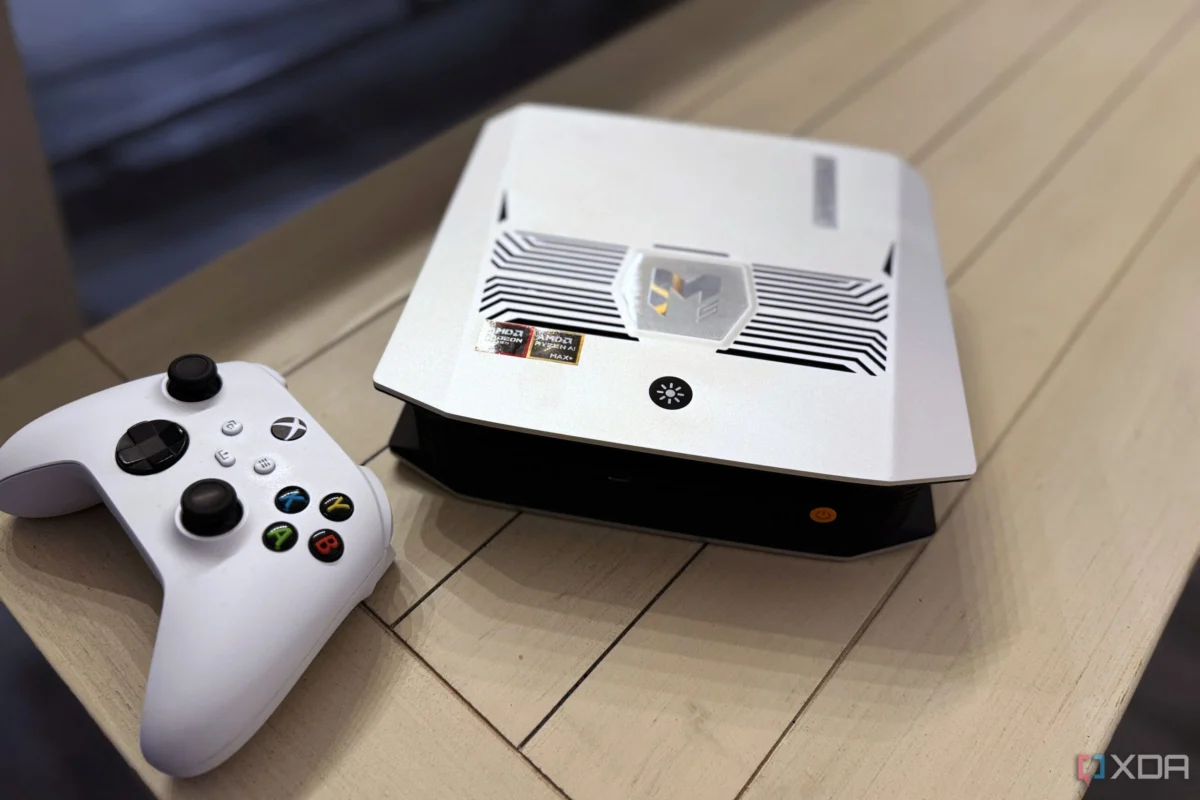
For over a decade, the advice given to budding PC builders has been as reliable as it is simple: avoid integrated graphics at all costs. If you wanted to play anything beyond a basic browser game or a lightweight esports title, a dedicated graphics card (dGPU) was mandatory. Integrated graphics, or APUs (Accelerated Processing Units), were historically viewed as "junk"—weak, memory-starved silicon that existed solely to output a display signal while you saved your money for a real GPU.
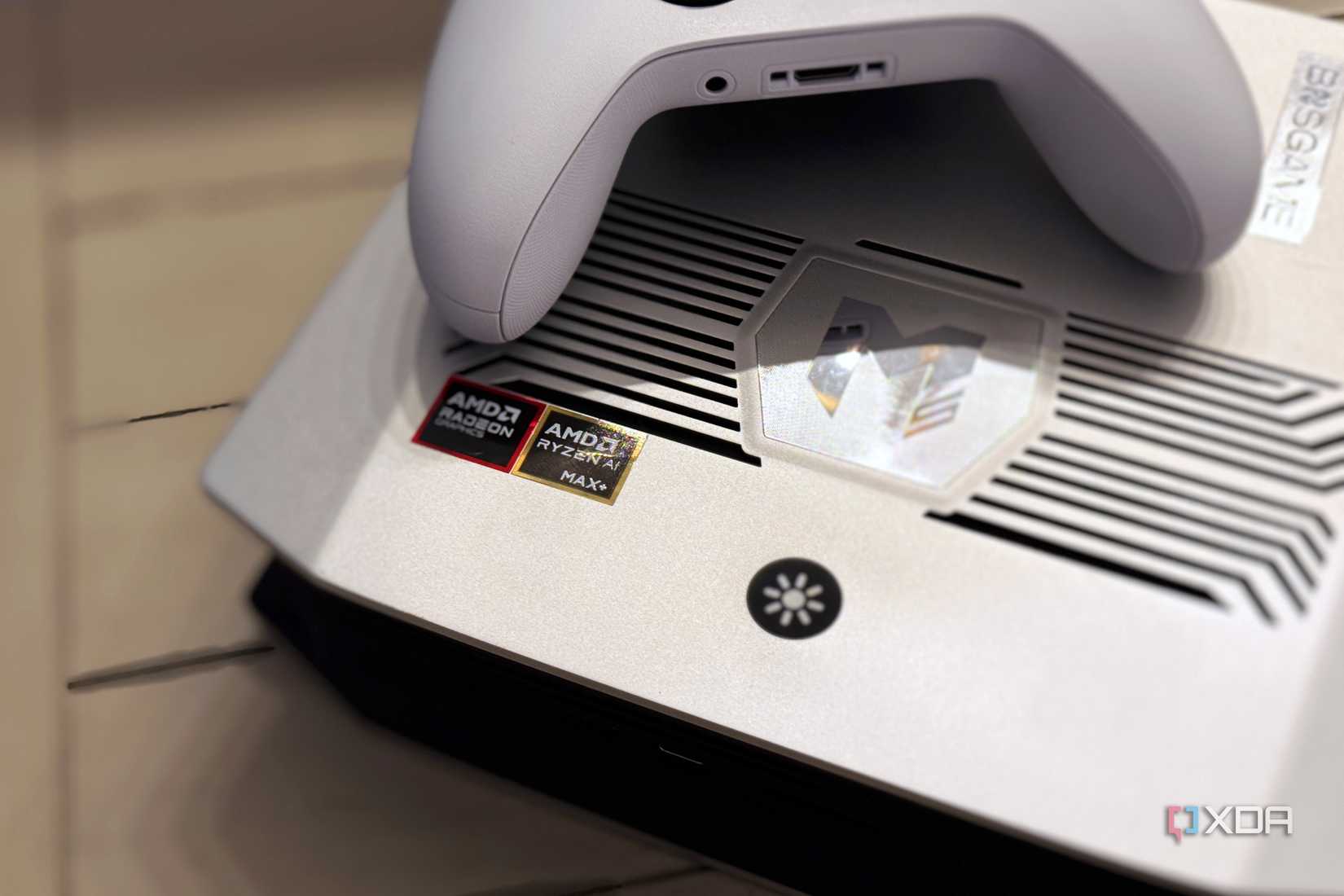
However, the hardware landscape is shifting. With the release of AMD’s Ryzen AI Max+ 395 and its integrated Radeon 8060S graphics, the barrier between integrated and discrete performance has not just blurred; it has been fundamentally compromised.
The Current State of the Entry-Level Market
To understand the magnitude of this shift, one must look at the current state of the budget GPU market. Historically, the "entry-level" segment was defined by cards like the Nvidia RTX 3060 12GB. For years, the 3060 has served as the benchmark for "good enough" 1080p gaming, topping the Steam Hardware Survey charts with its balance of VRAM and raw rasterization power.
In contrast, modern entry-level discrete cards—such as the RTX 5050—have been met with widespread criticism. Priced around $250, these cards often struggle to provide a meaningful generational leap over their predecessors, frequently arriving with stingy memory configurations that are insufficient for modern, asset-heavy titles. When a mid-range card from four years ago still outperforms a modern entry-level card, the market is clearly stagnant.

The Technological Breakthrough: Why APUs Finally Scale
The primary reason APUs were long considered "unsuitable" for serious gaming was not necessarily the GPU core itself, but the bottleneck of system memory. Traditional iGPUs were forced to share slow system RAM through a narrow bandwidth pipe. When the graphics processor requested data, it was often starved by the CPU’s own demands on that same pool of memory.
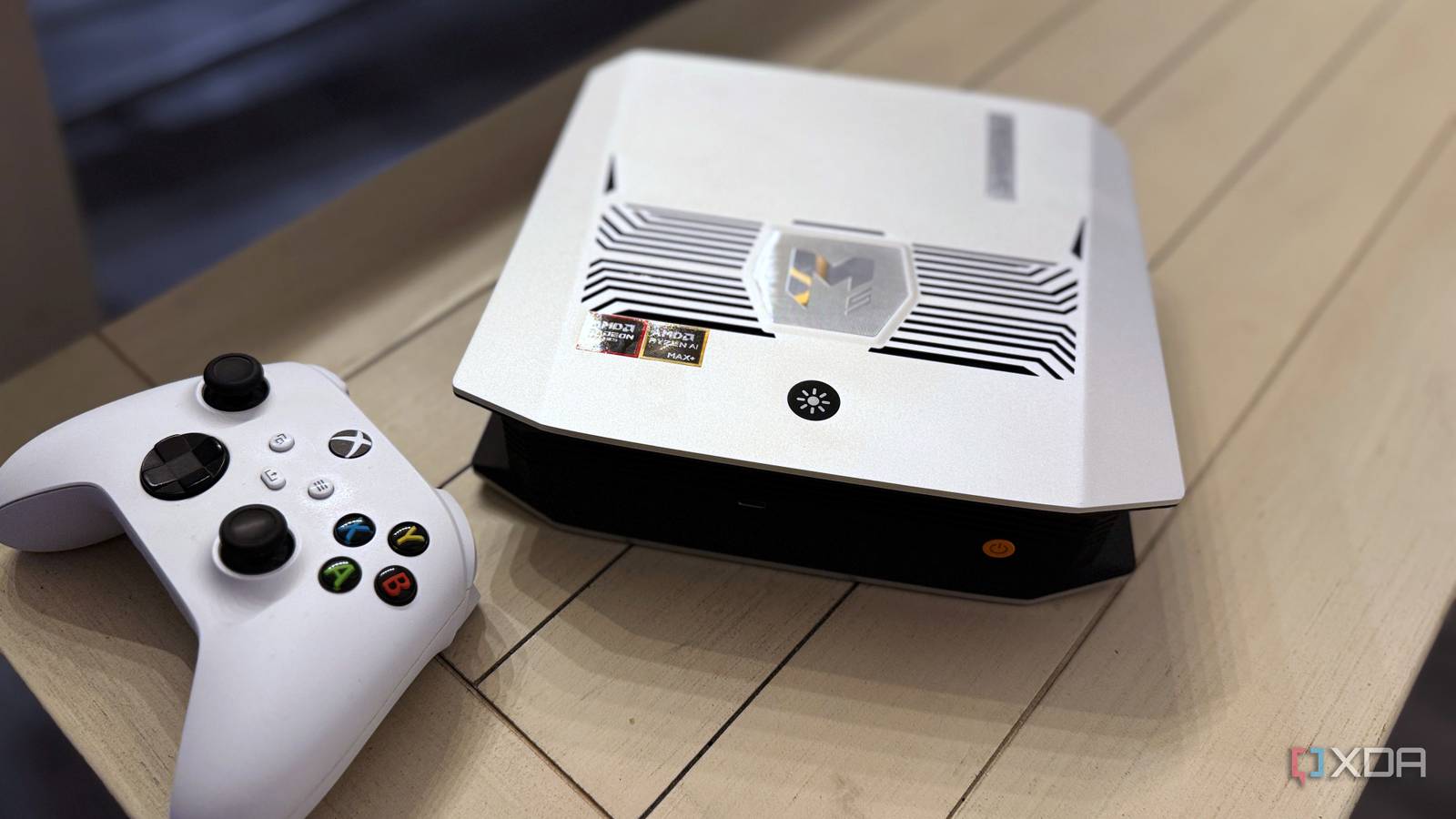
The Radeon 8060S, housed within the Ryzen AI Max+ 395, changes this architectural narrative. By utilizing a wide LPDDR5X interface and a large, flexible memory pool, the chip allows the graphics component to draw power and data with unprecedented efficiency. This is the Strix Halo design philosophy in action: by removing the bandwidth constraint, the iGPU can finally scale. Benchmark results now place the 8060S squarely between the RTX 3060 and the RTX 4060, allowing for modern 1080p gaming at high settings—a feat previously reserved for dedicated cards.

Chronology of the APU Evolution
- 2015–2020: The "Esports Only" Era: During this period, integrated graphics from both AMD and Intel were strictly relegated to low-fidelity gaming. Titles like League of Legends or CS:GO were playable, but AAA gaming was effectively a non-starter.
- 2021–2023: The Rise of Handhelds: The success of the Steam Deck and subsequent Windows-based handhelds forced a rapid maturation of iGPU technology. Manufacturers began to optimize silicon for efficiency and performance in tighter power envelopes.
- 2024–2025: The Bandwidth Breakthrough: With the introduction of high-speed memory architectures and better cache management, manufacturers began solving the "memory starvation" issue that had plagued APUs for years.
- 2026: The Paradigm Shift: The launch of the Ryzen AI Max+ 395 signals the first time an integrated solution can legitimately rival the performance of a desktop RTX 3060, fundamentally challenging the necessity of a discrete card for the entry-level tier.
Supporting Data and Real-World Performance
When looking at aggregate testing, the Radeon 8060S displays performance characteristics that are startlingly competitive. While the card is soldered directly into premium hardware—such as high-end laptops and boutique mini PCs—the raw frame rate output is no longer a "best-case scenario."
In synthetic benchmarks and real-world gaming tests, the 8060S matches the RTX 3060 12GB in 1080p high-fidelity settings. Furthermore, because it is an integrated solution, the total system power draw is significantly lower than a desktop rig comprising a separate CPU and a 150W-plus graphics card.
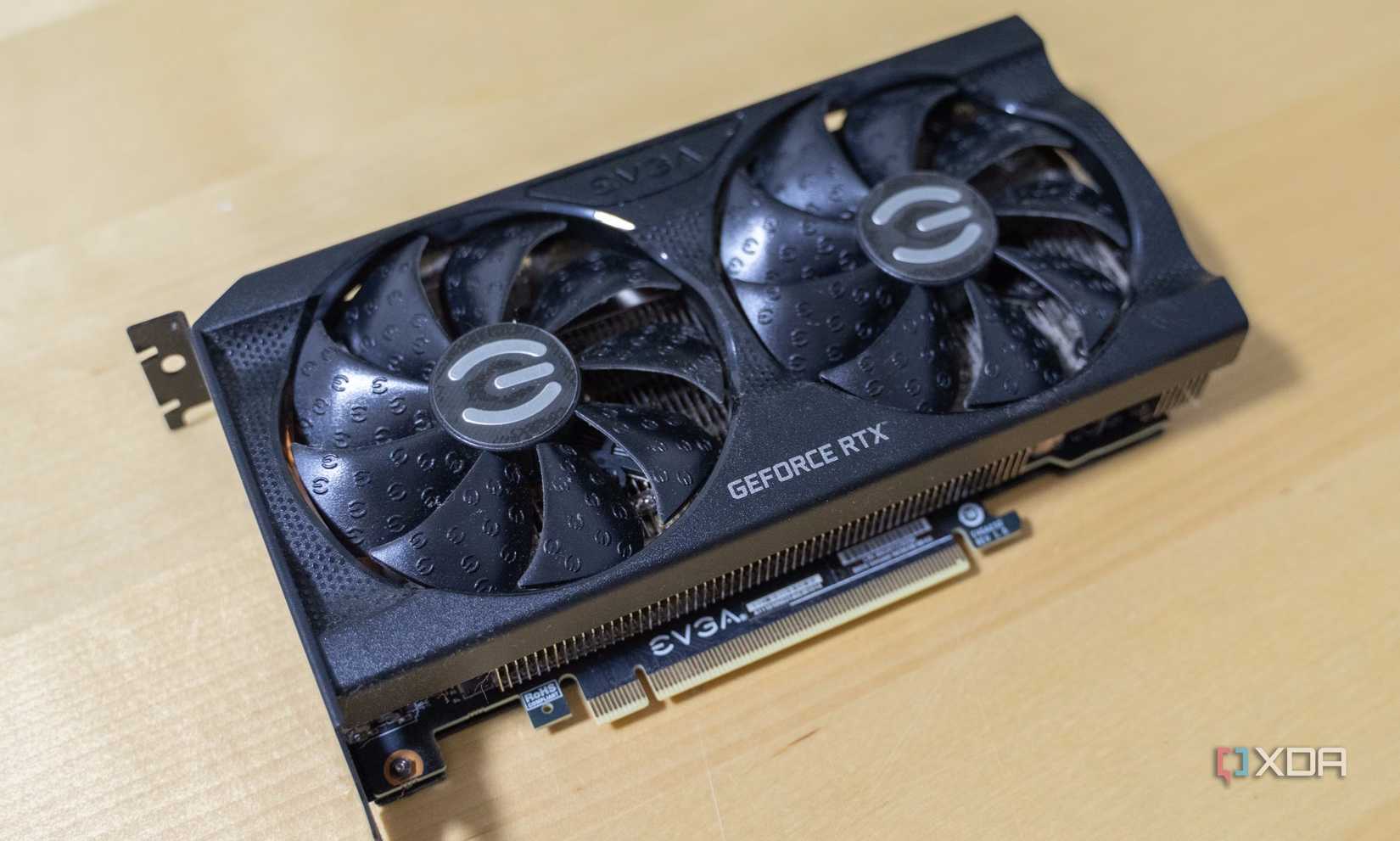
However, there is a catch. While the performance is comparable to an RTX 3060, the entry point is vastly different. The 8060S is not a retail component; you cannot walk into a store, buy an 8060S, and install it into an existing desktop. It is a premium, system-on-a-chip (SoC) solution that commands a high price tag. For the price of a machine featuring the AI Max+ 395, a user could still build a traditional desktop PC with a more powerful, dedicated GPU.
Official Industry Perspectives and Market Implications
Industry analysts have noted that while the Radeon 8060S is a technological marvel, it does not yet signal the "death" of the budget GPU. Manufacturers of discrete graphics cards are well aware of the threat posed by high-performance APUs. However, the current strategy for discrete manufacturers remains focused on the mid-to-high-end tiers where APUs cannot yet compete.
The implication for the consumer is that the budget tier is no longer a moving target; it has become a stagnant, unrecommendable zone. If you have $250 to spend on a GPU, you are better off looking at the used market for an RTX 3080 or a similar card, which will vastly outperform any modern entry-level discrete card.
The most significant takeaway is that the "proof of concept" is now in shipping silicon. AMD has demonstrated that integrated graphics can do the job of an entry-level dGPU. Historically, technology that debuts at the high-end, expensive tier eventually filters down to mainstream, consumer-grade hardware. If this architecture follows the standard industry roadmap, we could see a future where the need for a dedicated GPU for 1080p gaming disappears entirely.

The Future: A World Without Entry-Level dGPUs?
The days of the entry-level discrete graphics card are numbered, though not necessarily because of the 8060S itself. The real disruption will occur when this level of performance trickles down into mid-range processors available to the DIY market.
Currently, the AMD part that sits at a more accessible price point—the Radeon 860M—is not yet in the same league as the 8060S. It cannot reliably handle modern AAA titles at high settings. However, the trajectory is clear. The engineering hurdles regarding bandwidth and memory management have been cleared.

As we look toward 2028 and beyond, the expectation is that the "integrated vs. discrete" debate will move up the stack. Eventually, integrated graphics will likely render the low-end discrete market obsolete, forcing Nvidia and AMD to focus their discrete product lines on high-end enthusiasts, workstations, and AI-driven computing tasks.
Conclusion: Should You Buy Now?
For the consumer today, the advice remains nuanced. If you are building a budget gaming PC, the Ryzen AI Max+ 395 systems are impressive, but they are priced for premium users, not budget gamers. The most rational alternative remains a used discrete card.
However, the tide is turning. We are witnessing the beginning of the end for the "cheap GPU." As integrated solutions continue to encroach on territory once held exclusively by discrete cards, the value proposition of a budget dGPU will continue to evaporate. The hardware is no longer the limit; the economics of the market are simply catching up to what the silicon is finally capable of doing.


 Reynand Wu
 Laily UPN