Muslim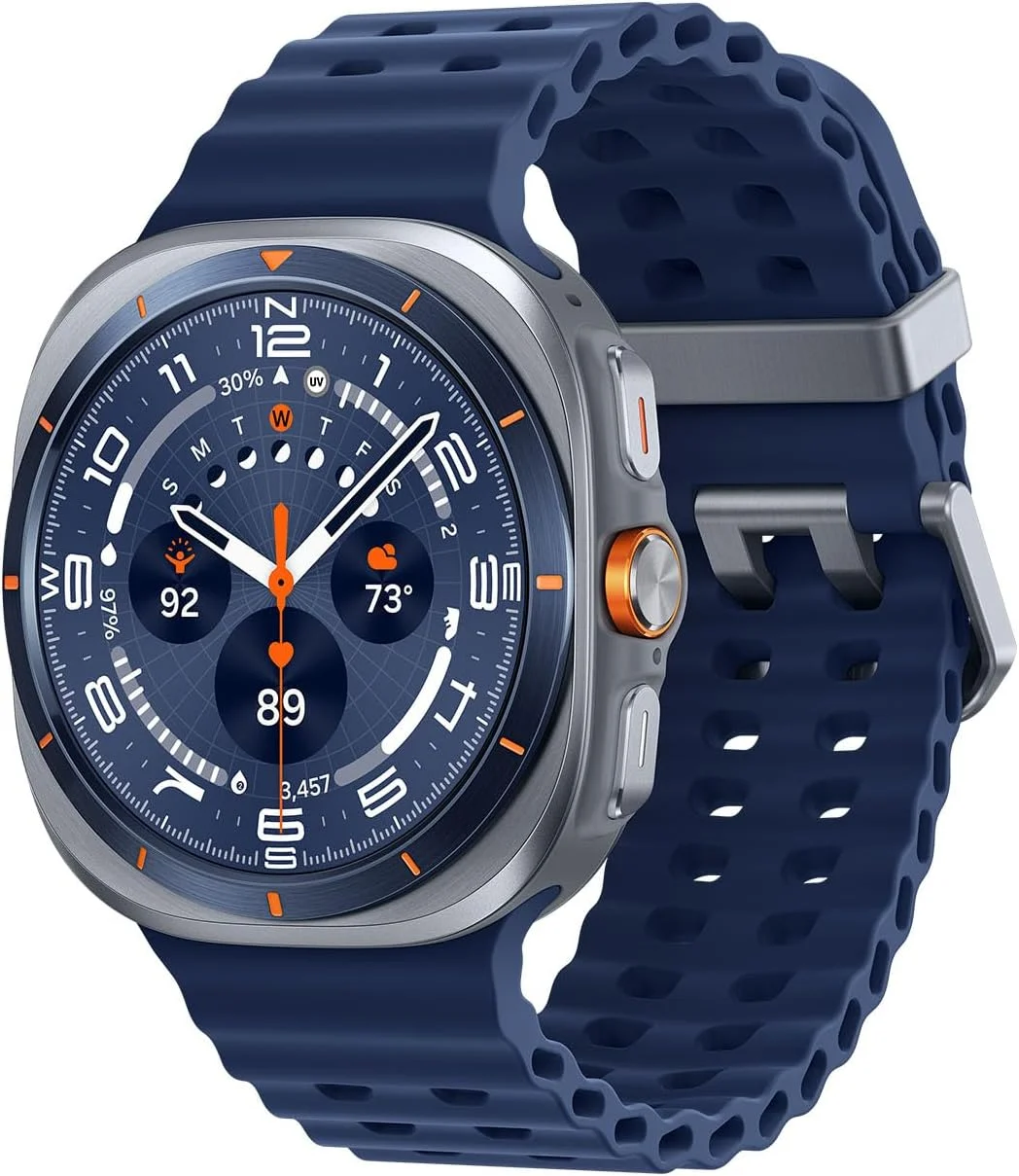
As the tech world turns its collective gaze toward the upcoming Samsung Galaxy Unpacked event—slated for late summer—speculation regarding the next generation of wearables has reached a fever pitch. At the center of this conversation is the Samsung Galaxy Watch Ultra 2, a device heavily rumored to be the crown jewel of the company’s 2026 product refresh.
However, a sudden and aggressive pricing shift at major retailers has created a unique crossroads for consumers. With the original Samsung Galaxy Watch Ultra currently seeing a massive 45% price reduction at Amazon US, the question is no longer just "what is coming next," but rather "is the current value proposition too good to ignore?"
The Current State of the Market: A Massive Price Correction
In a move that signals either a standard seasonal clearance or a strategic clearing of warehouse inventory ahead of a new launch, the Samsung Galaxy Watch Ultra has plummeted to just $357.24 at Amazon US, down from its original retail price of $649.99. This represents a historic low for the device, moving it firmly into "impulse buy" territory for those who have been waiting for the premium features of Samsung’s flagship wearable without the flagship price tag.
The trend is not confined to the United States. In the United Kingdom, the device is currently retailing for £399—a 33% discount from its £599 launch price. These price points suggest that retailers are eager to make shelf space for the rumored successor, the Galaxy Watch Ultra 2, which is expected to take the stage during Samsung’s annual summer presentation.
Chronology of the Galaxy Watch Ultra Lineage
To understand the current market position, one must look at the trajectory of Samsung’s "Ultra" branding in the wearable space.
- Mid-2024: Samsung pivots its strategy to challenge the dominance of high-end sports watches from competitors like Garmin and Apple. The inaugural Galaxy Watch Ultra is launched, featuring a ruggedized titanium chassis, a unique "cushion" design, and advanced health-tracking AI.
- Late 2024 – Early 2025: The device establishes itself as a powerhouse for endurance athletes, though it faces criticism for its distinct aesthetic and battery life limitations compared to dedicated GPS-focused watches.
- Mid-2025 (Present): Rumors solidify regarding the Galaxy Watch Ultra 2. Reports suggest that Samsung is focusing on refining the software experience and internal hardware efficiency rather than a complete design overhaul.
- Late Summer 2025 (Expected): The anticipated "Unpacked" event where the Galaxy Watch Ultra 2 is expected to be unveiled alongside new foldables and software updates.
Supporting Data: Why the Current Model Holds Its Ground
While tech enthusiasts are often conditioned to wait for the "next big thing," the reality of the smartwatch market suggests a plateau in hardware innovation. The Galaxy Watch Ultra is built on a foundation that remains highly relevant.
1. The Wear OS Advantage
The current Galaxy Watch Ultra runs on the latest version of Google’s Wear OS. Because Samsung has committed to a long-term software support cycle, the original Ultra is expected to receive the same core OS features and security patches as the upcoming Ultra 2 for the foreseeable future. The difference in day-to-day user experience—the fluidity of the interface, the app ecosystem, and the AI health insights—is likely to be marginal between the two generations.
2. Diminishing Returns in Hardware
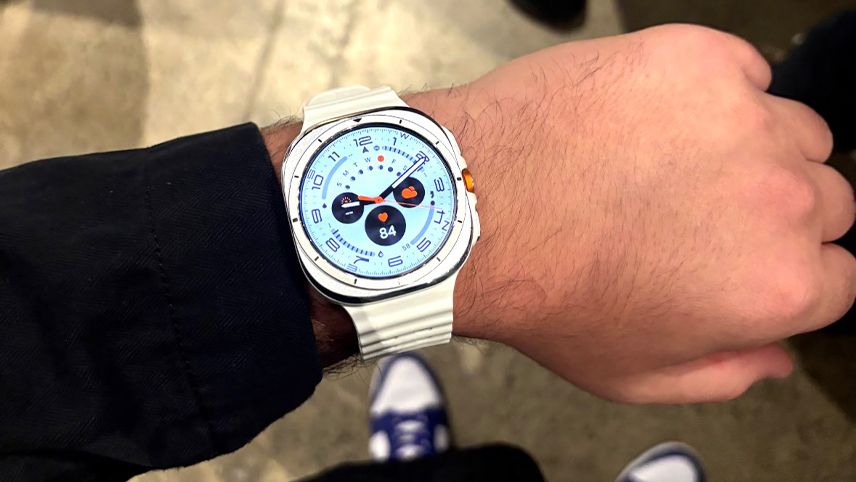
The "Ultra" design language, introduced in 2024, was a bold departure for Samsung. It incorporated a titanium frame, a larger battery, and a distinct aesthetic. Industry analysts suggest that the Ultra 2 will be an iterative update. While we may see improved sensor accuracy or slightly faster processing speeds, the fundamental hardware architecture remains largely the same. When the price delta is nearly $300, the "incremental" gains of the Ultra 2 are unlikely to justify the premium launch price for the average user.
Professional Analysis: The "Wait vs. Buy" Debate
In many segments of the tech industry, waiting for the successor is the prudent choice. For instance, in the world of high-end specialized sports watches (such as the Garmin Fenix series), the leap between generations often includes significant hardware changes, such as solar charging efficiency or revolutionary heart-rate sensor suites. In those cases, waiting for the newer model is almost always recommended.
However, the Samsung Galaxy Watch Ultra stands in a different category. Its primary value lies in its integration with the broader Android and Samsung Galaxy ecosystem. Because this integration is already optimized to its peak in the 2024 model, the value of the 2025 discount far outweighs the speculative benefits of the next generation.
Why You Should Buy Now:
- Price-to-Performance Ratio: At $357, you are getting a flagship-grade device at a mid-range price.
- No Guaranteed Launch Deals: When the Ultra 2 arrives, it will almost certainly launch at the full MSRP of $649.99. Even with trade-in offers, the total cost of ownership will be significantly higher than picking up the current model on sale.
- Design Maturity: The 2024 Ultra design is refined and proven. Early adopters of the Ultra 2 may face "first-generation" issues or teething problems that have long been patched out of the current model.
Implications for the Wearable Industry
The aggressive discounting of the Galaxy Watch Ultra is a symptom of a broader shift in the wearable market. Consumers are becoming increasingly savvy, recognizing that the "annual cycle" of tech releases often provides less value than the cycle of "deep-discounting" that precedes them.
For Samsung, this strategy serves two purposes: it allows them to move volume while capturing customers who would otherwise be priced out of the premium tier, and it builds brand loyalty by lowering the barrier to entry for their most advanced health-tracking ecosystem.
Conclusion: A Rational Choice in an Irrational Market
The tech industry thrives on the "fear of missing out" (FOMO). We are constantly told that our devices are obsolete within 12 months. However, the data surrounding the Samsung Galaxy Watch Ultra suggests otherwise.
If you are a professional athlete requiring the absolute bleeding edge of sensor technology, you may choose to wait. But for the vast majority of users—those who want a reliable, rugged, and highly intelligent smartwatch that integrates seamlessly with their phone—the current deal is not just a bargain; it is the most logical financial decision in the current market.
While the Ultra 2 will undoubtedly arrive with fanfare and marketing promises of "new" features, the original Ultra remains a formidable device that will continue to perform at a high level for years to come. By opting for the sale, you aren’t settling for less; you are paying a fair price for a premium experience, leaving you with hundreds of dollars in your pocket to invest elsewhere.
Matt is TechRadar’s expert on all things fitness, wellness, and wearable tech. A former staffer at Men’s Health, he holds a Master’s Degree in journalism from Cardiff and has written for brands like Runner’s World, Women’s Health, Men’s Fitness, LiveScience, and Fit&Well on everything fitness tech, exercise, nutrition, and mental wellbeing.


 Reynand Wu
 Laily UPN