Siti Muinah
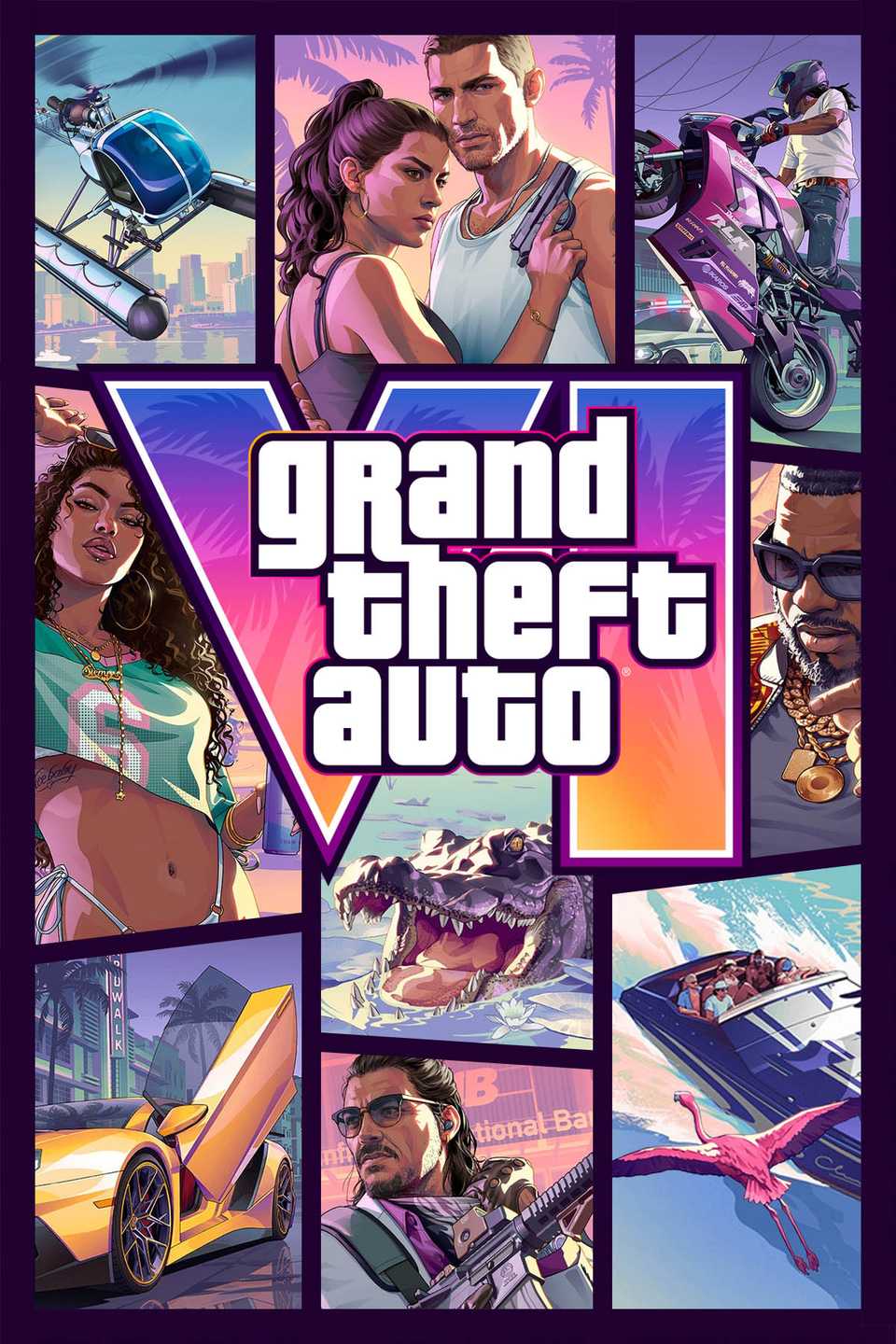
The long-awaited arrival of Grand Theft Auto VI has finally entered the terminal phase of its pre-release cycle. As Rockstar Games opens the floodgates for pre-orders on June 25, the gaming industry finds itself at a pivotal crossroads. For years, the conversation surrounding the next iteration of the most lucrative entertainment property in history has centered on one burning question: What will it cost to step back into the streets of Vice City?
Today, that mystery has been solved, though perhaps not in the way many fans had hoped. Rockstar Games has confirmed that Grand Theft Auto VI will carry a base price of $80, with an "Ultimate Edition" commanding a premium of $100. However, beneath these headline figures lies a complex web of content gating, digital-only distribution strategies, and a fundamental shift in how the industry approaches the "AAA" premium experience.
The Chronology of Speculation and Confirmation
The path to this pricing announcement has been paved with years of industry whispers. Since the transition to current-generation consoles (PlayStation 5 and Xbox Series X|S), the standard $70 price point for marquee titles has become the industry benchmark. However, Take-Two Interactive—the parent company of Rockstar Games—has long signaled that this price floor might not be sufficient for a project with the sheer scale and development overhead of GTA VI.
Throughout 2024 and 2025, Take-Two executives repeatedly hinted that their flagship titles offered "more value" than any other form of media, a subtle precursor to the price hikes that Nintendo introduced with the Switch 2 ecosystem. When the June 24, 2026, announcement finally arrived, it confirmed that the $80 price tag is not just an outlier for Rockstar; it is a calculated effort to establish a new tier of premium pricing for the industry’s most ambitious projects.

Breaking Down the Pricing Tiers
The pricing strategy for GTA VI is not a simple choice between two versions; it is an exercise in tiered accessibility. The standard $80 edition provides the core experience, but the $100 Ultimate Edition introduces a controversial element to the Rockstar formula: the gating of foundational gameplay features.
In previous entries, such as Grand Theft Auto V, progression systems—including vehicle customization, apparel acquisition, and character modifications—were pillars of the standard gameplay loop accessible to all players. With GTA VI, the Ultimate Edition effectively locks access to specific mod shops, premium vehicle rosters, and expanded character customization options behind a $20 paywall.
This decision marks a departure from the traditional model where "Deluxe" or "Ultimate" editions typically provided cosmetic skins, digital soundtracks, or early-access currency. By tying mechanical gameplay elements—such as car modification shops—to a higher price tier, Rockstar is fundamentally changing the "base" experience of a Grand Theft Auto game.
The "Physical" Paradox: A Disc-Less Reality
Perhaps the most jarring revelation accompanying the pre-order launch is the status of physical media. Rockstar Games has confirmed that while consumers can visit retailers to "pre-order" a physical copy of the game, these cases will not contain a disc.

This move toward an all-digital distribution model is being framed by the studio as a security measure to prevent street-date leaks and ensure a simultaneous global experience. However, the implications for the consumer are profound. By eschewing discs, Rockstar effectively mandates that every player, regardless of their physical retail purchase, must download the entirety of the game’s massive data payload.
For players in regions with limited broadband infrastructure or data caps, this policy creates a significant barrier to entry. The absence of a disc also signals the end of the traditional second-hand market for the game’s launch window, as the "physical" purchase is merely a conduit for a digital entitlement code.
The Pre-Order Incentive: The Vintage Vice City Pack
To soften the blow of the pricing structure, Rockstar has introduced the "Vintage Vice City Pack" for early adopters. This bundle serves as a bridge between the standard and ultimate experiences, offering a ’55 Vapid Stanier sedan, a dedicated garage in the Ocean Beach district, and exclusive aesthetic options for the game’s protagonists, Jason and Lucia.
While these items are designed to drive initial sales, they also highlight the studio’s focus on nostalgia. The inclusion of mid-century Americana—the ’55 Stanier—serves as a thematic anchor for the game’s return to its iconic roots. However, these incentives are distinct from the Ultimate Edition’s locked shops and weapons, suggesting a layered approach to monetization that keeps the most dedicated fans invested in the highest-priced SKU.

Industry Implications: Setting the New Standard
The decision to charge $80 as a baseline for a major release, combined with the aggressive content gating of the Ultimate Edition, is expected to send shockwaves through the industry. When a title as culturally significant as Grand Theft Auto adopts a pricing model, it provides a roadmap for other major publishers to follow.
If GTA VI succeeds in shifting the standard market price to $80—or effectively $100 for the "complete" experience—the industry may see a rapid decline in the $70 standard. Critics argue that this represents a form of "value-based" pricing that penalizes players who choose not to pay the premium, while proponents suggest that in an era of ballooning development costs (often exceeding hundreds of millions of dollars), the $70 price point is no longer sustainable for blockbuster titles.
The Technical Landscape: PS5 Pro and Beyond
Rockstar has confirmed that Grand Theft Auto VI will be "PS5 Pro Enhanced," taking advantage of the latest hardware iteration to push the limits of the RAGE (Rockstar Advanced Game Engine). The game, slated for a November 19, 2026, release, will be a single-player-focused experience at launch, with the highly anticipated online component arriving as a separate, subsequent service.
The technical requirements of the engine, coupled with the sheer size of the open world, likely contributed to the decision to move to an all-digital format. The game’s assets are designed to be streamed in real-time, and the optimization required for such a vast, reactive environment necessitates a high-bandwidth connection—a reality that further marginalizes users without modern, high-speed internet.
Looking Ahead: The Consumer Response
As we approach the November launch date, the industry is bracing for a debate on the definition of a "complete" game. By locking customization shops and specific gameplay utilities behind an Ultimate Edition, Rockstar is challenging the conventional wisdom of what should be included in a standard retail release.
The consumer response will ultimately dictate whether this $100 "standard" becomes the new reality for the gaming industry. While the allure of returning to the neon-soaked streets of Vice City remains incredibly high, the price of admission has never been steeper. For now, the gaming community remains in a state of cautious observation, waiting to see if the content within Grand Theft Auto VI justifies the unprecedented financial hurdles being placed in front of its audience.
One thing is certain: when the game finally hits the digital shelves this November, the industry will look very different than it did when the first trailer dropped. The era of the $80 game has arrived, and for the most anticipated title of the decade, the cost of entry is only the beginning.


 Asro
Asro
 Muslim