Nana
Nana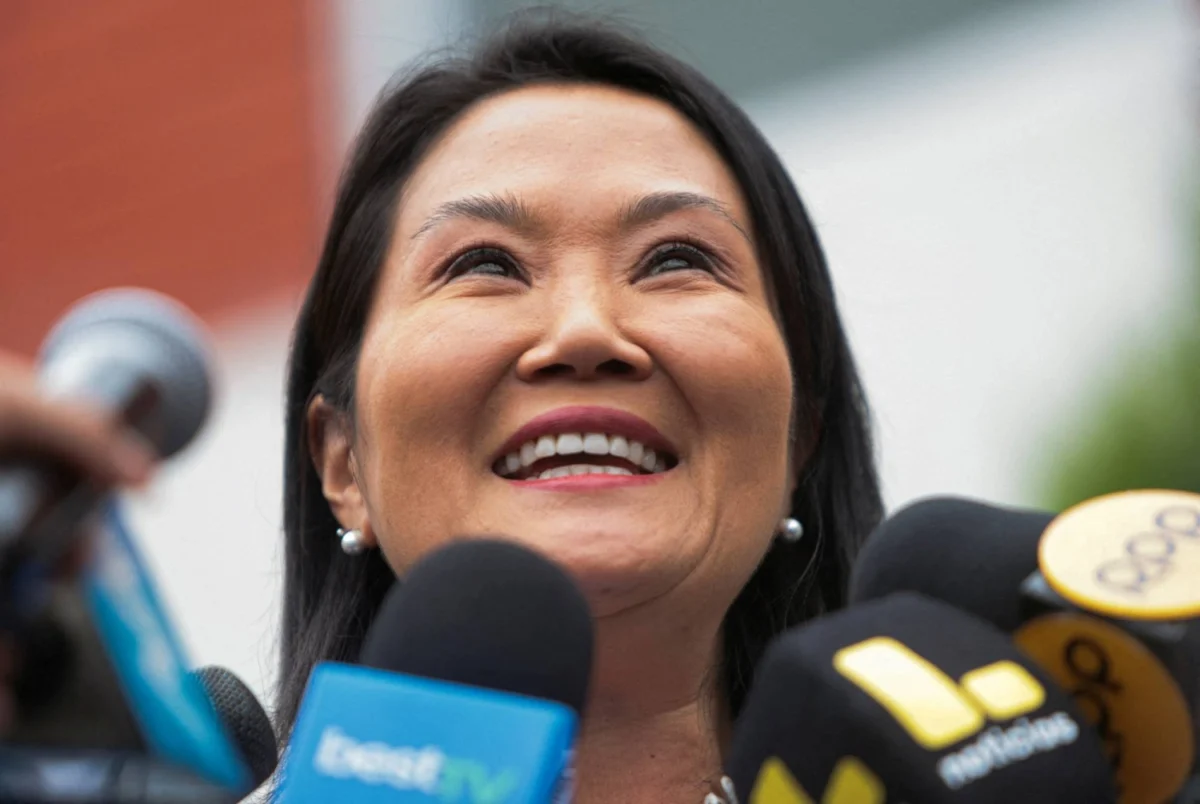
LIMA — For over two decades, the name "Fujimori" has acted as a gravitational force in Peruvian politics—a polarizing anchor that has simultaneously built careers and sunk them. Now, after three failed presidential bids and years of legal turbulence, Keiko Fujimori stands on the precipice of a victory that many once deemed impossible. As the ballots from the June 7 runoff settle, the daughter of the late, disgraced former president Alberto Fujimori holds a razor-thin lead of 50.12%, commanding a margin of approximately 43,000 votes over her leftist rival, Roberto Sanchez.
For Keiko, this fourth attempt at the presidency represents more than just a political milestone; it is a profound test of national memory. In a country that has churned through eight presidents since 2016, the prospect of a Fujimori restoration is being met with a mixture of desperate hope and visceral apprehension.
The Shadow of a Legacy: Chronology of a Political Dynasty
To understand the current moment in Peru, one must look back to the 1990s. Alberto Fujimori, a man who rose from relative obscurity to lead the nation, remains the architect of modern Peru’s most controversial era. He is credited by supporters for crushing the Maoist Shining Path insurgency and taming the hyperinflation that crippled the economy. Yet, to his detractors, he was an autocrat who dismantled democratic institutions, leading to his eventual downfall, exile, and imprisonment for crimes against humanity and corruption.
Keiko Fujimori’s political education began early. At just 19, she was thrust into the role of First Lady after her mother, Susana Higuchi, publicly broke with her father. Growing up in the corridors of power, she was groomed for the political life, later honing her skills as a business administrator in the United States and serving as a high-profile lawmaker.
The Long Road to the Presidential Palace
- 2011: Keiko’s first bid for the presidency. She lost to Ollanta Humala in a tight runoff, marking the beginning of a pattern where her surname became a target for the "anti-Fujimori" vote.
- 2016: A second loss, this time to Pedro Pablo Kuczynski, by a margin of less than 0.5%. The defeat reinforced the notion that while she could command a massive base, she was incapable of building the broader consensus needed to win.
- 2021: Her third consecutive defeat, following a campaign marred by legal battles and accusations of influence peddling.
- 2024: The death of Alberto Fujimori. For the first time in her career, Keiko campaigned without the physical presence of her father, yet she leaned into his shadow more heavily than ever before, rebranding his legacy under the single, evocative banner of "Order."
Data and Demographics: Who Supports the Fujimori Brand?
The electoral map of Peru reflects a nation deeply divided. Political scientist Jorge Aragon notes that the Fujimori name is a "brand that is well-positioned, whether you like it or not." In an era of profound institutional instability, that brand recognition has become a currency of its own.
The "Order" Strategy
In this latest campaign, Keiko Fujimori pivoted sharply to address the primary anxiety of the Peruvian electorate: public safety. As crime rates have soared and the perception of lawlessness has taken hold, she resurrected the rhetoric of her father’s 1990s tenure. Her messaging was simple, direct, and targeted: “I believe Peruvians want a Fujimori. Here I am.”
According to exit polls and regional data:
- The Heartland: She maintains a near-total lock on segments of the electorate that prioritize economic stability and security over abstract democratic concerns.
- The Institutional Block: Her party, Fuerza Popular, continues to be the most disciplined political machine in the country. Despite years of being blamed by critics for political gridlock and "backroom deal-making" in Congress, the party has maintained a consistent legislative footprint.
- The Urban/Rural Divide: While rural areas remain skeptical of her connection to the state-sanctioned abuses of the 1990s, urban centers, weary of the revolving-door presidency, have shown an increased willingness to tolerate her past in exchange for the promise of a steady hand.
Official Responses and the Political Climate
The reaction to the narrow vote count has been muted but tense. Electoral authorities have confirmed the numbers, yet the legal challenges and formal requests for vote verification are already circulating in the corridors of the National Jury of Elections (JNE).
Roberto Sanchez, representing the leftist coalition, has signaled that his movement will not concede until every "discrepancy" is investigated. "We are protecting the popular will," a campaign spokesperson stated, echoing the sentiments of a segment of the population that views a potential Fujimori presidency as a threat to human rights and democratic integrity.
Conversely, Keiko Fujimori’s inner circle remains defiant. Miki Torres, her vice-presidential running mate, characterized the campaign as a trial by fire. "Every blow life has dealt her has not broken her, it has made her stronger than anyone could imagine," Torres remarked. This narrative of resilience is central to her appeal; for many of her followers, her endurance through prison stints, legal investigations, and electoral defeats is evidence of a leader who refuses to abandon her duty.
Implications: A New Era or a Return to the Past?
The prospect of a Fujimori victory carries significant implications for Peru’s future, both domestically and internationally.
Domestic Instability vs. Managed Order
For years, the "anti-Fujimori" sentiment has been the primary unifying force in Peruvian politics. Every government since 2016 has defined itself in opposition to her family’s legacy. If she wins, the opposition will lose its primary rallying cry, forcing a complete realignment of the political spectrum. However, critics warn that a Fujimori presidency could lead to further polarization and the erosion of checks and balances, fearing that she might follow the path of her father’s executive overreach.
The International Perspective
International observers are watching with caution. Peru has long been a strategic partner in South America, and a return to the "Fujimori-style" of governance could alter the nation’s diplomatic posture. Investors are reportedly looking for stability above all else, and while some see a potential Fujimori government as a safeguard against the radical left, others fear that the return of such a divisive figure could trigger civil unrest, potentially damaging the business climate in the long term.
The Burden of History
Keiko herself acknowledges the duality of her existence. "I miss him," she said of her late father during a campaign stop in April. "But everywhere I go, people remind me of him and tell me anecdotes." This persistent dialogue with the past is the defining feature of her political life. She has spent decades trying to define herself as separate from her father while simultaneously utilizing his most potent political tools.
As she waits for the final confirmation of the vote, the question remains: Can a politician who spent her entire career in the shadow of a patriarch finally emerge as a leader capable of uniting a fractured nation?
The millions of Peruvians who refuse to vote for the Fujimori name represent a deep-seated trauma that no election result can immediately erase. They recall the state-sponsored violence, the corruption scandals, and the authoritarian impulses of the 1990s. For them, Keiko is not a symbol of "order," but a reminder of a dark chapter they hoped would remain closed.
As the nation waits, the irony is not lost on the political establishment: a candidate who was once defined by her losses now stands at the threshold of power precisely because the current state of the country is so dire that even her controversial name has become a palatable alternative. Whether this marks a redemption for the Fujimori dynasty or the beginning of a new period of turmoil, one thing is certain: Peru remains a nation tethered to its past, still grappling with the ghosts of the 1990s as it moves toward an uncertain future.


 Neng Nana
 Asro
Asro