Layla Zulfa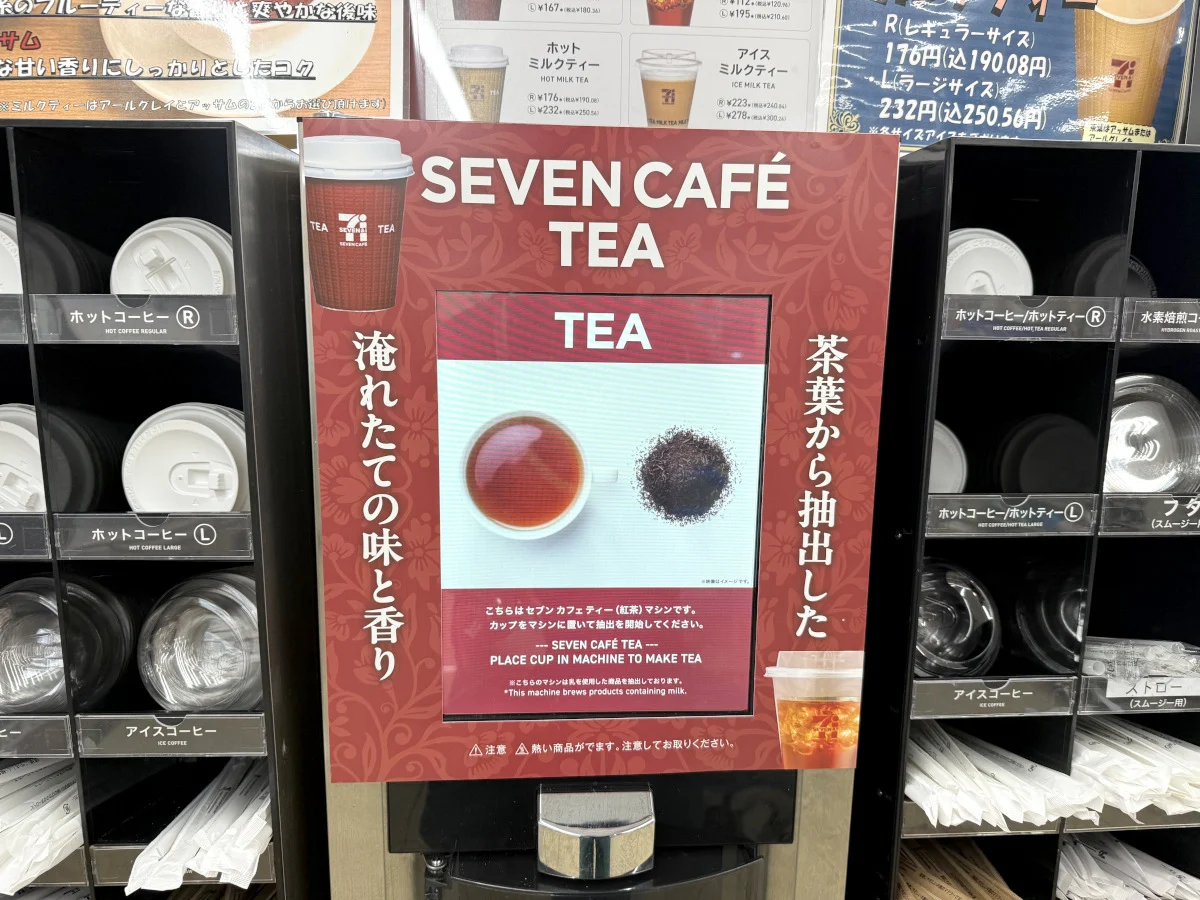
For over a decade, the "Seven Cafe" brand has been synonymous with the convenience store coffee revolution in Japan. Since its inception in 2013, the program transformed the perception of grab-and-go caffeine, proving that high-quality, freshly ground coffee could be dispensed with the push of a button. Now, as the summer heat intensifies across the archipelago, 7-Eleven is looking to capture a new demographic: the tea enthusiast.
With a goal to integrate specialized tea machines into approximately 2,000 stores by February 2026, 7-Eleven Japan is signaling a major shift in its beverage strategy. By moving beyond the ubiquitous coffee dispenser and into the nuanced world of tea, the retail giant is betting that the same convenience-seeking consumers who embraced their coffee will find equal value in a freshly steeped, premium cup of tea.
The Evolution of the Convenience Store Beverage
The history of 7-Eleven’s beverage service is a story of continuous innovation. When the company first introduced its self-service coffee machines, it was a gamble against the deeply entrenched culture of canned coffee found in vending machines. The gamble paid off, leading to a cultural phenomenon where convenience store coffee became a staple for commuters and office workers alike.
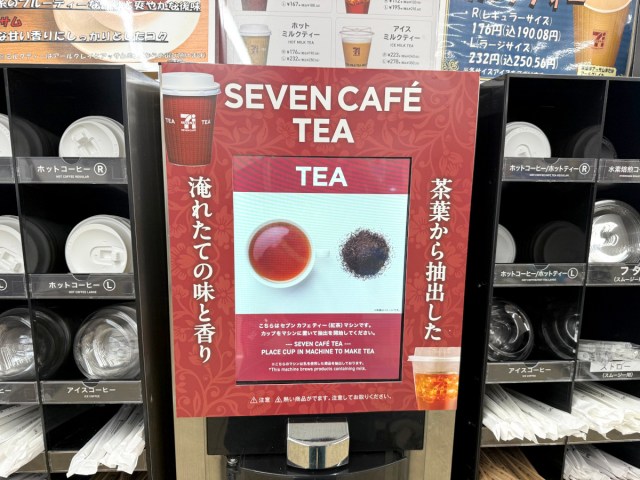
Following the success of its coffee and the later addition of sophisticated, made-to-order smoothie machines, the introduction of tea brewing systems is the logical next step. These machines are not merely dispensers; they are sophisticated brewing units designed to replicate the precision of a professional tea house, ensuring that each cup undergoes a proper steeping process to extract the optimal flavor profile from the leaves.
A Chronology of the Tea Rollout
The project began with a series of pilot programs aimed at gauging consumer interest in non-coffee alternatives. By late 2025, early adopters and social media users began noticing new, vibrant machines appearing alongside the familiar coffee equipment.
- Late 2025: Initial deployment of high-tech tea brewing stations in select metropolitan flagship stores.
- Early 2026: A broader rollout across major urban centers, accompanied by a comprehensive marketing campaign emphasizing the freshness of the brew.
- Mid-2026: Current phase, where the machines have become a staple feature in high-traffic stores, with the company confirming plans to reach the 2,000-store milestone by the end of the fiscal year in February 2027.
Decoding the Menu: A Closer Look at the Varieties
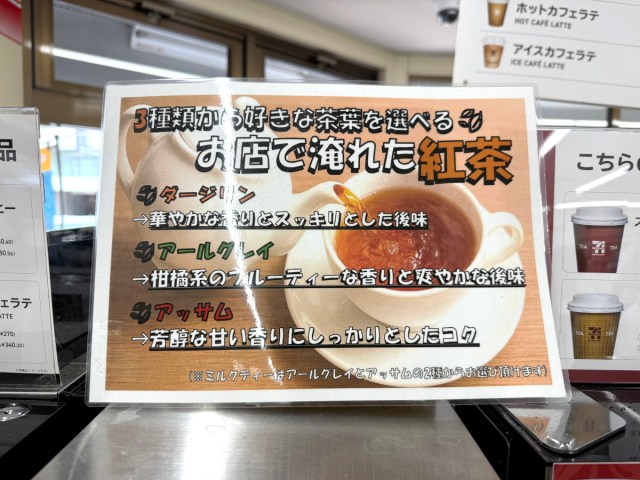
The core of the Seven Cafe tea experience lies in the variety offered to the consumer. Unlike mass-produced bottled teas, these machines allow for a level of customization previously unavailable in a convenience store setting. Customers can choose between three distinct varieties, each selected to provide a specific sensory experience:
- Darjeeling Blend: Marketed for its sophisticated profile, this option is favored by those seeking a clean, crisp finish and a floral aroma. It serves as the "entry-level" premium option for those who prefer a light, refreshing beverage.
- Earl Grey Tea: A classic choice that utilizes a citrus-infused profile. The machine is calibrated to highlight the bergamot notes, providing a refreshing flavor that is particularly popular during the humid Japanese summer months.
- Assam Blend: Designed for the connoisseur, this variety offers a deep, full-bodied experience. With its rich and slightly sweet aroma, it stands up well to the addition of milk, making it a favorite for those who prefer a heartier, more substantial drink.
The Consumer Experience: A Hands-On Review
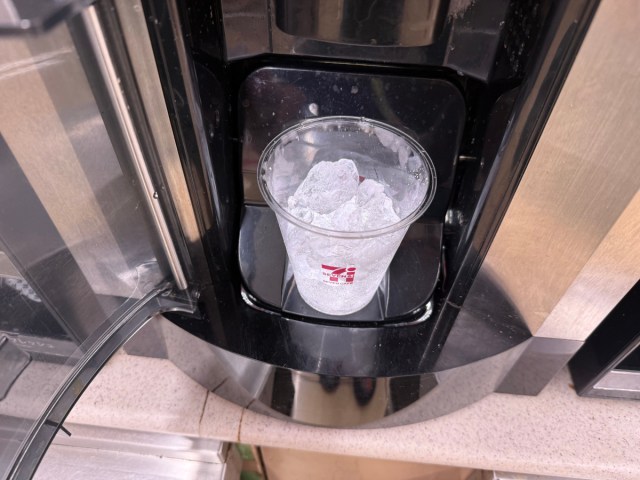
To understand the efficacy of this new service, we followed a trial run of the machine. The process begins in the frozen section, where customers select their preferred cup—each containing the appropriate amount of ice or pre-measured tea concentrate—before heading to the register.
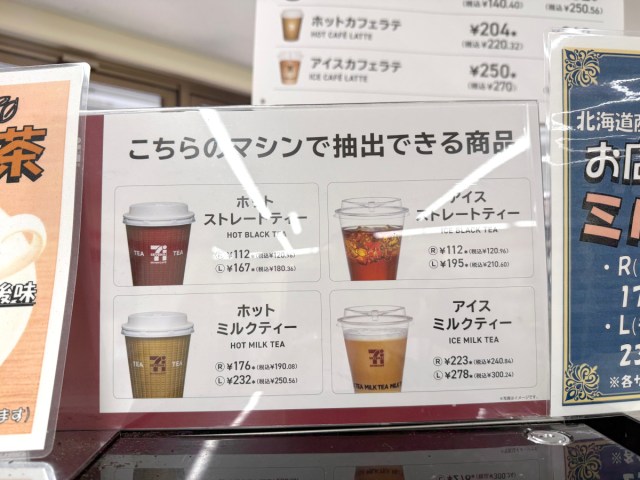
Upon reaching the machine, the interface is intuitive. After the cup is placed in the dispenser, the user selects their tea type and whether they want it served "straight" or with milk. The price point is highly competitive, ranging from 120 yen (approx. $0.80) for a basic small cup to 300 yen for a premium large iced milk tea.
A critical observation during the brewing process is the patience required. Unlike the near-instantaneous pour of a coffee machine, the tea machine takes a deliberate amount of time to steep the tea. This is a deliberate design choice; the machine uses a sophisticated infusion process to ensure the leaves are properly hydrated, resulting in a cup that feels "made to order" rather than "poured to order."
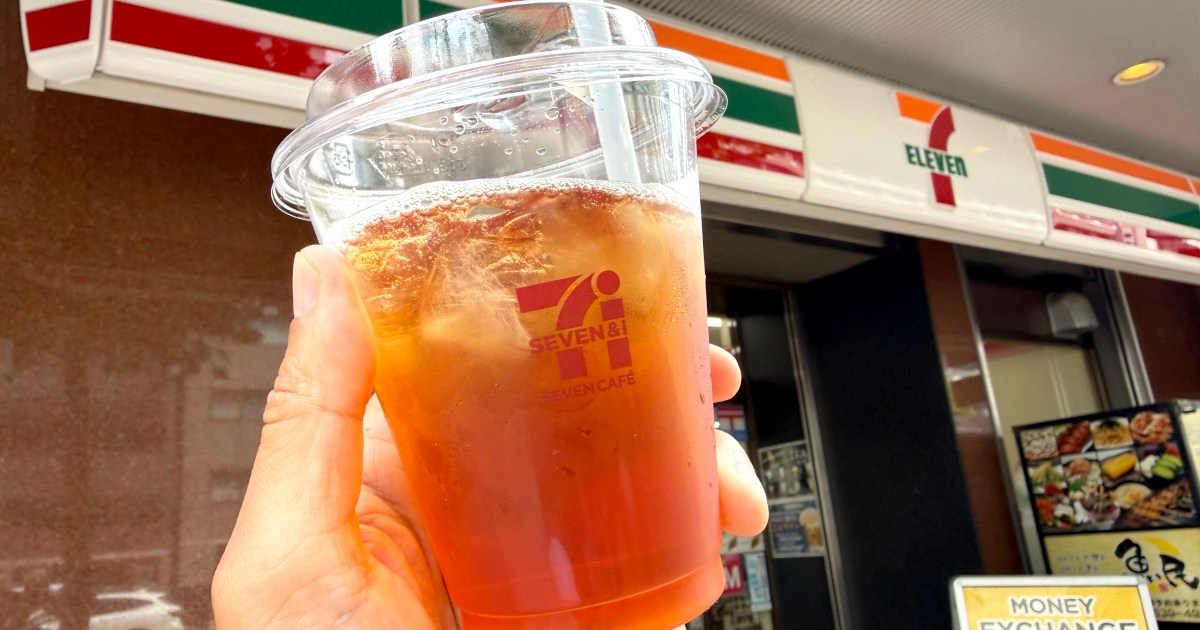
The resulting drinks are impressive. The iced Darjeeling, for instance, maintains a clarity and brightness that is difficult to find in pre-packaged alternatives. The milk tea, while requiring a touch of syrup to fully unlock its flavor profile, offers a balanced, silky texture that rivals high-end café chains.
Supporting Data and Industry Implications
The decision to pivot toward tea is backed by shifting consumer demographics. While coffee remains king in the Japanese market, there is a growing segment of the population, particularly among younger consumers and health-conscious individuals, that is increasingly gravitating toward tea for its perceived health benefits and lower acidity compared to coffee.
Industry analysts suggest that by installing these machines, 7-Eleven is effectively lowering the barrier to entry for high-quality tea. By removing the need for teapots, temperature control, and proper steeping time, 7-Eleven is democratizing the tea-drinking experience.
Moreover, the "machine-brewed" aesthetic provides a significant "social media" value. The visual appeal of the machine, combined with the aesthetic quality of the finished iced tea, has made these drinks a frequent subject of posts on platforms like Instagram and TikTok, providing 7-Eleven with free, organic marketing that reaches millions of potential customers.
The Verdict: Can Tea Compete with Coffee?
Despite the undeniable quality of the Seven Cafe tea, the question remains: can it convert the die-hard coffee drinker?
For many, the appeal of coffee lies in the "bitter kick"—the strong, sharp flavor profile that provides an immediate sensory jolt. In our testing, even the most enthusiastic tea supporters admitted that while the tea was delicious, it lacked the specific intensity that a daily coffee drinker craves.
However, the success of this initiative shouldn’t be measured by whether it destroys the coffee market, but by how it expands the store’s utility. By providing a high-quality alternative, 7-Eleven is successfully capturing the "second drink" market—the customer who might have their morning coffee but is looking for something lighter, more refreshing, or lower in caffeine for their afternoon pick-me-up.
Future Outlook
As 7-Eleven moves toward its 2,000-store goal, the impact on the broader beverage market will be significant. Traditional tea retailers and café chains may find themselves under pressure to justify their price points when a high-quality, fresh-brewed alternative is available at the corner store for a fraction of the cost.
For the consumer, this is a win. The standardization of high-quality tea, combined with the unparalleled accessibility of the 7-Eleven network, ensures that whether you are in a bustling Tokyo train station or a quiet suburban neighborhood, a refreshing, well-brewed cup of tea is never more than a few steps away. The "Seven Cafe" tea experience is more than just a new product—it is a clear indication that the convenience store of the future is moving toward becoming a comprehensive destination for artisanal, on-demand beverages.


 Neng Nana
 Asro
Asro