Laily UPN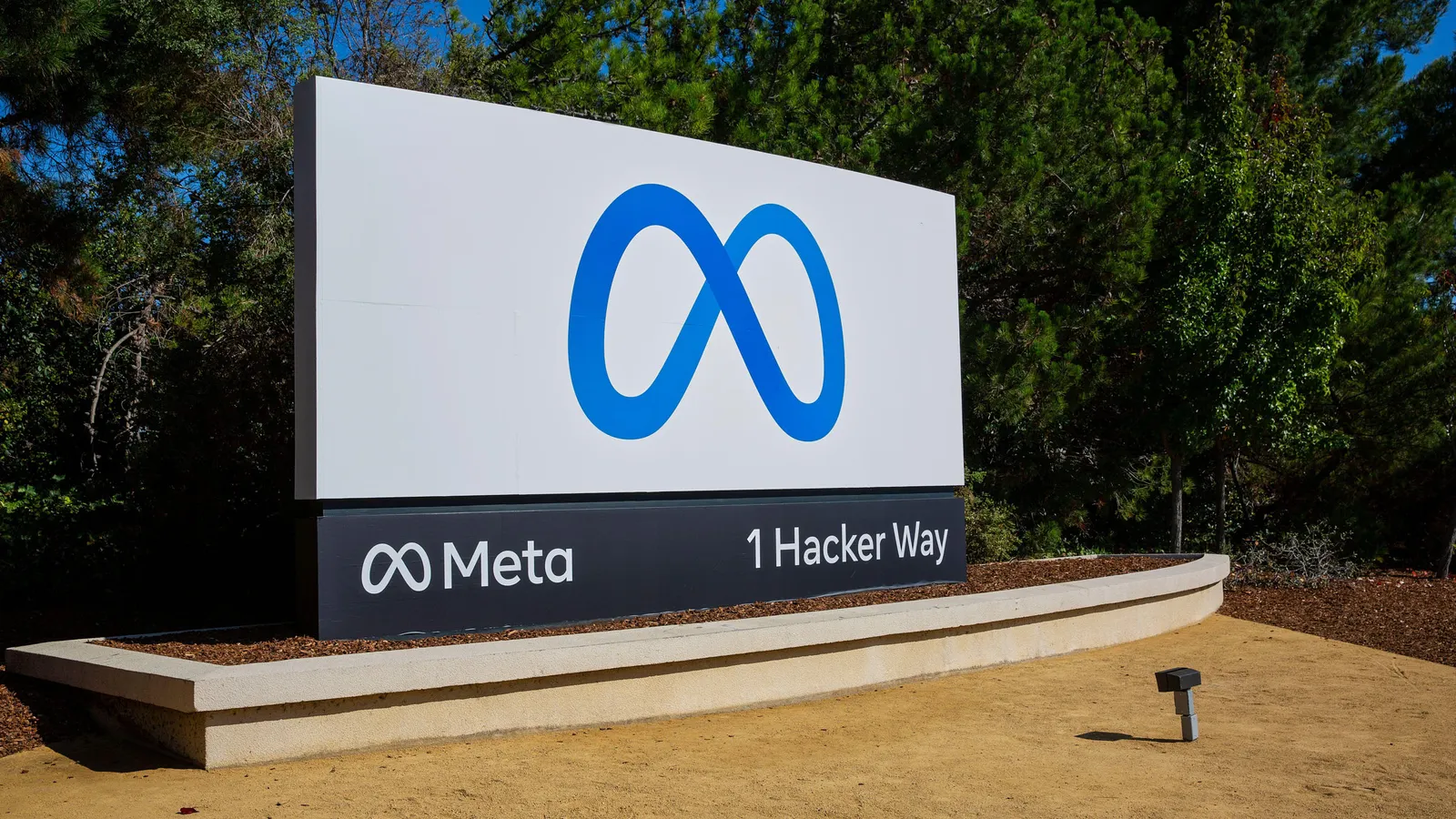
In a strategic pivot that signals a major evolution in its platform strategy, Meta is reportedly venturing into the high-octane world of prediction markets. According to recent reports, CEO Mark Zuckerberg has quietly assembled a dedicated team tasked with developing a smartphone application currently codenamed "Arena." This initiative marks a bold attempt by the social media titan to capture the surging interest in event-based forecasting, a sector currently dominated by rising platforms like Polymarket and Kalshi.
While Meta has yet to publicly confirm the project, the development underscores the company’s ongoing efforts to diversify its ecosystem and drive sustained user engagement. By leveraging its vast, multi-billion-user infrastructure, Meta aims to transition from a social networking giant into a multifaceted digital hub that incorporates the excitement of predictive analytics and speculative gaming.
The Genesis of "Arena": Main Facts and Strategy
The core premise of "Arena" is to tap into the "event derivative" market—a space where users weigh in on the probability of real-world occurrences, from political outcomes to cultural milestones. Unlike existing platforms that facilitate direct financial wagers, Meta’s current internal prototype is reportedly centered around a gamified experience.
Key Structural Pillars of the Project:
- A Points-Based Economy: Insiders suggest the app will prioritize a points-based system over direct monetary gambling. By utilizing virtual currency, Meta can sidestep immediate, stringent gambling regulations while still fostering a competitive, high-engagement environment.
- Independent Architecture: Unlike features integrated directly into Facebook or Instagram, Arena is expected to function as a standalone application. This allows Meta to experiment with UI/UX designs that aren’t constrained by the legacy infrastructure of its primary social networks.
- The Engagement Flywheel: By incorporating predictive markets, Meta aims to transform passive news consumption into active participation. If users are incentivized to track political or social events to gain points, they are more likely to spend significant time within the Meta ecosystem, thereby creating more opportunities for high-value advertising.
A Chronology of the Prediction Market Surge
The rise of prediction markets is a relatively recent phenomenon that has rapidly transformed from a niche interest among crypto enthusiasts to a mainstream digital trend.
- Early 2020s: Prediction markets begin gaining traction as platforms like Polymarket utilize blockchain technology to create transparent, decentralized betting environments.
- Mid-2024: The U.S. political cycle acts as a catalyst, with massive volume flowing into election-related prediction contracts. The public appetite for "truth-seeking" through market probabilities begins to rival traditional polling.
- Early 2025: Regulatory friction intensifies as the Commodity Futures Trading Commission (CFTC) and other governing bodies express concern over the potential for market manipulation and the blurring lines between gaming and securities trading.
- June 2026: Reports emerge that Meta is officially entering the fray, signaling that the "prediction economy" has reached the scale required to pique the interest of Silicon Valley’s largest players.
Supporting Data: Why Meta is Betting on Engagement
Meta’s interest in prediction markets is not accidental; it is a calculated response to the changing habits of digital consumers. The success of its "Threads" platform—which recently hit the 500 million user milestone—demonstrates Meta’s ability to leverage its existing user base to rapidly scale new products.
The Metrics of Interest:
- Engagement Velocity: Prediction markets generate high "stickiness." When a user places a prediction, they are psychologically tethered to the outcome, leading to repeated check-ins and platform refreshes.
- Data Harvesting: The predictive data generated by millions of users can be invaluable. Aggregated sentiment and probability data from a massive, diverse user base could potentially serve as a powerful signal for Meta’s advertising algorithms.
- Cross-Platform Integration: If Arena’s points system can be integrated with other Meta products—such as the Horizon VR ecosystem or Instagram shopping—Meta could create an internal currency that drives traffic across its entire suite of applications.
Official Responses and Regulatory Contention
The path for Meta is fraught with legal and regulatory complexity. Prediction markets occupy a gray area in American law, with operators arguing they provide "event derivatives" that offer societal utility by forecasting future events more accurately than traditional media.
The Regulatory Landscape
The Commodity Futures Trading Commission (CFTC) has remained the central authority in this debate. Recent reports from The Wall Street Journal indicate that the commission is drafting new regulations to exert tighter control over markets deemed "not in the public interest." The primary concern for regulators is twofold:
- Insider Information: The potential for individuals with non-public information to manipulate markets for personal gain.
- Consumer Protections: The risk that retail users, particularly younger demographics, may be misled into thinking these platforms are low-risk entertainment rather than speculative financial instruments.
Political Alignments
The political environment remains fluid. President Donald Trump has recently signaled support for keeping prediction market oversight within the CFTC’s jurisdiction, arguing for a regulatory framework that encourages innovation rather than stifling it. This stance may provide Meta with a strategic advantage; Zuckerberg’s thawing relationship with the current administration could be a pivotal factor in navigating the regulatory hurdles that would have otherwise proved insurmountable for a company of Meta’s size.
Implications: The Risks and Rewards
Meta’s move into Arena is a high-stakes gamble that carries both immense potential and significant reputational risk.
The Upside
If successful, Meta could effectively own the "pulse of the public." By creating a proprietary arena for forecasting, they could displace the current fragmented ecosystem of prediction platforms. This would solidify their position as the primary destination for real-time information and social discourse, ensuring that even if users leave Facebook or Instagram, they remain within the "Metaverse" of products.
The Downside
Conversely, Meta risks entering a regulatory quagmire. Should Arena be associated with financial losses for its users, or if it becomes a vector for coordinated misinformation and market manipulation, the blowback could be severe. Furthermore, if Meta decides to eventually introduce real-money betting, it will be subject to the full weight of gambling legislation, which is notoriously complex and varies wildly by jurisdiction.
Additionally, there is the risk of "platform fatigue." By adding yet another app to its roster, Meta risks diluting its user base, potentially cannibalizing the engagement currently enjoyed by Threads or Instagram.
Conclusion: A New Era for Social Media
Meta’s foray into prediction markets represents a fundamental shift in the company’s philosophy. It suggests that Mark Zuckerberg views the future of social media not merely as a place to connect, but as a place to participate in the shaping of reality.
As Arena moves from the conceptual phase to potential reality, the tech world will be watching closely. Whether this becomes the next great engagement engine or a regulatory disaster remains to be seen. However, one thing is certain: Meta is no longer content to simply report on the world’s events—they are looking to turn the world itself into a game of probabilities.
As the company navigates the delicate balance between innovation and regulatory compliance, the success of this project will likely depend on Meta’s ability to prove that its prediction market is a tool for public insight rather than a mechanism for exploitation. For now, the "Arena" remains a fascinating, albeit controversial, glimpse into the future of digital interaction.


 Rifan Muazin
 Suro Senen