Ammar Sabilarrohman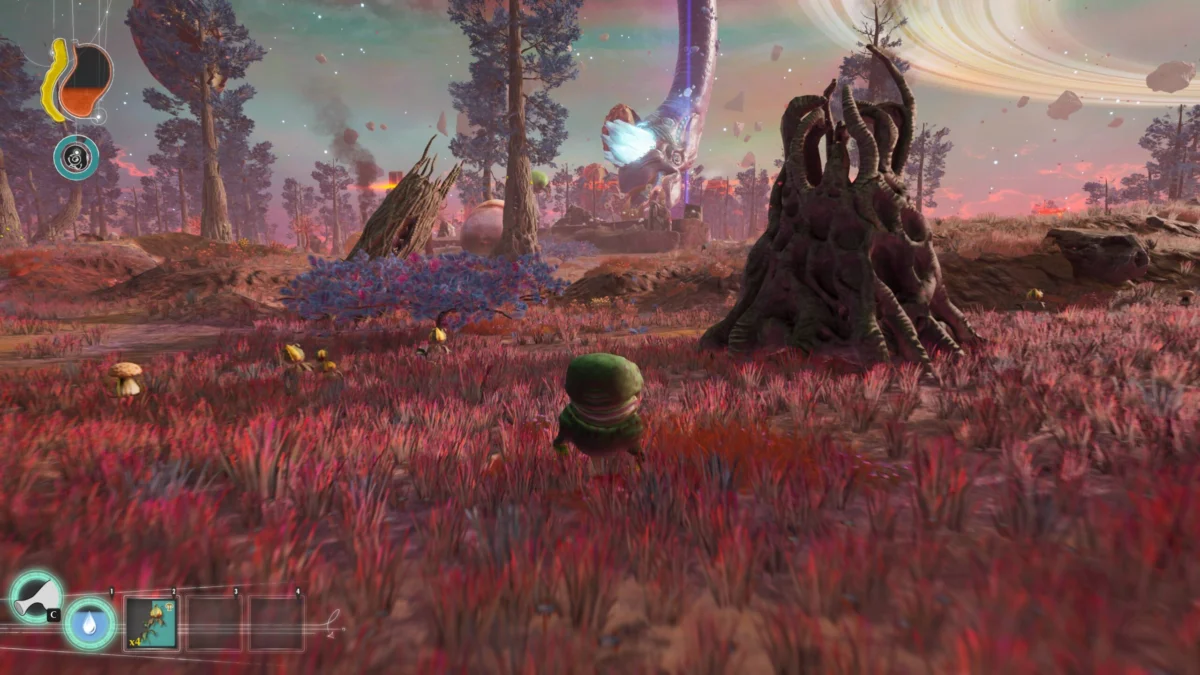
Developer: ACE Team
Publisher: Good Shepherd Entertainment
Platform: PC, PS4, Xbox One
Price: £21.99
Review Version: PC
In the landscape of modern gaming, where triple-A titles often iterate on established formulas, ACE Team has carved out a niche for the bizarre, the experimental, and the profoundly unsettling. With The Eternal Cylinder, they have delivered perhaps the most surreal survival experience in recent memory. It is a game that defies easy categorization, blending creature-collection mechanics with a high-stakes, planet-spanning chase. While it occasionally falters under the weight of its own mechanical ambitions, it remains a singular, captivating, and deeply atmospheric masterclass in world-building.
Main Facts: A World Under the Crush
The Eternal Cylinder introduces players to the "Trebhum," a small, trunk-nosed alien species struggling to survive on a vibrant, yet dying, planet. The primary antagonist is not a villainous character in the traditional sense, but a gargantuan, ancient machine—the titular Cylinder—that rolls across the horizon, inexorably crushing the environment into dust.
Players must lead their tribe of Trebhum through a series of increasingly alien biomes, utilizing a complex system of mutations to adapt to their surroundings. By consuming organic and inorganic matter, these creatures evolve in real-time, growing fur, developing longer limbs, or even turning into geometric shapes to solve puzzles. The gameplay is a frantic push-and-pull between the necessity of exploration and the constant, rhythmic threat of total annihilation.
The Chronology of a Dying World
The experience of The Eternal Cylinder is one defined by the ticking clock of the horizon.
The Awakening
The journey begins in a state of primal vulnerability. You start as a single, solitary Trebhum, unaware of the broader cosmological catastrophe. The early hours are spent learning the basic rhythm of the game: consume, evolve, survive. However, the pacing is quickly established by the distant, rhythmic thrumming of the Cylinder. As you learn to navigate the terrain, you realize that the world is not merely a backdrop; it is an active, evolving character in the tragedy of your species.
The Era of Expansion
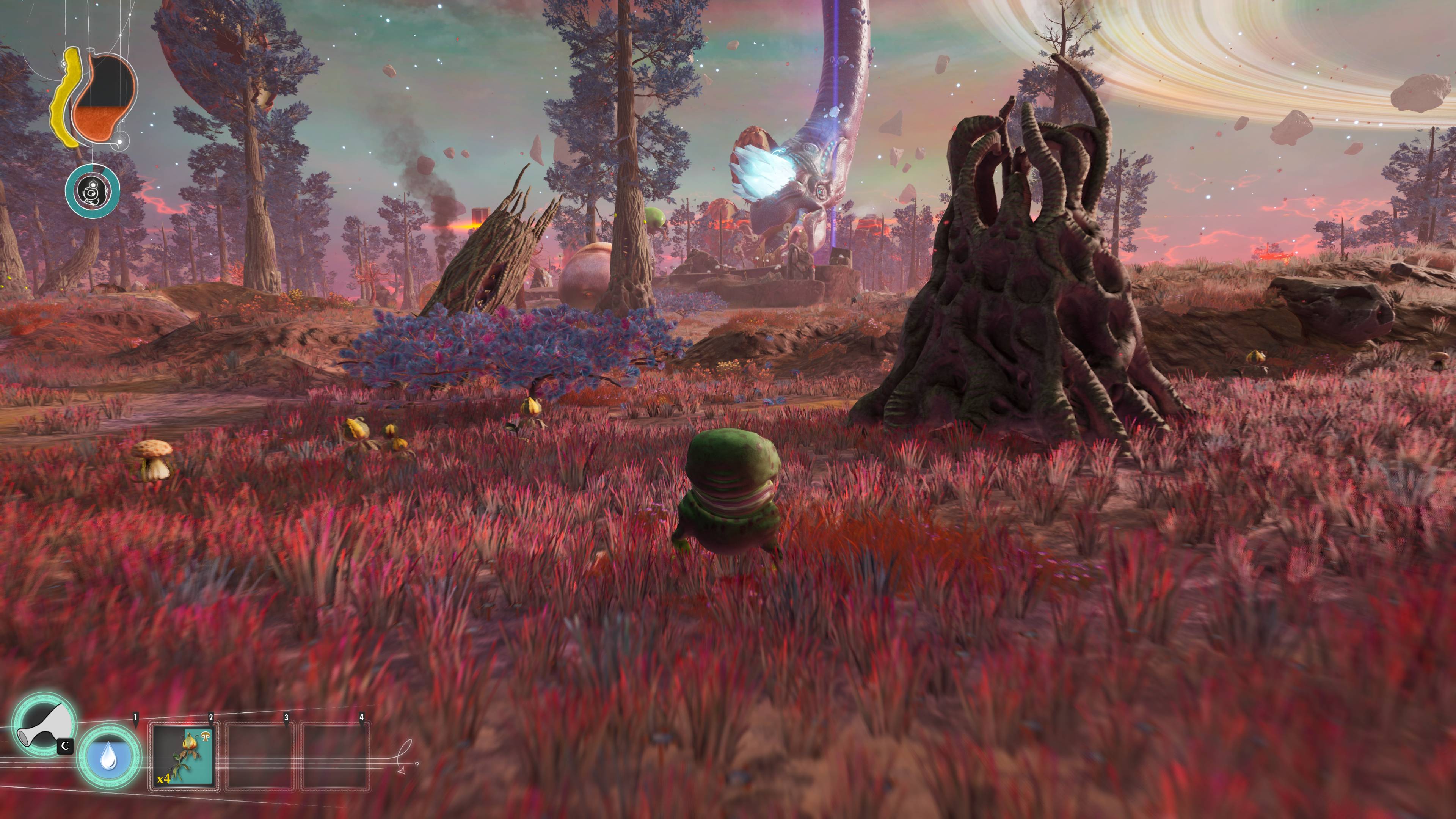
As you traverse the landscape, the "Towers of Sanctuary" serve as the milestones of your progression. These structures act as temporal anchors; when a Trebhum enters a tower’s blue-tinted radius, the Cylinder is halted. This creates a loop of "push-and-pause" gameplay. It is within these windows of safety that the game’s depth truly unfolds. You begin to gather a family, hatching eggs and rescuing fellow Trebhum from the bizarre creatures that inhabit this world. The narrative shifts from mere survival to a saga of collective preservation.
The Final Descent
By the mid-to-late game, the narrative pacing intensifies. The history of the Trebhum is unveiled through haunting, poetic narration that feels like a eulogy for a civilization. As the environment becomes increasingly hostile—filled with shifting geometry and predatory horrors—the player is forced to make difficult decisions about which Trebhum to save and which to leave behind. The ending is not a simple victory, but a culmination of the struggle to endure in a universe that has deemed your existence an inconvenience.
Supporting Data: Mechanics, Mutations, and the Ecosystem
While the artistic vision is undeniably top-tier, the mechanical execution presents a mixed bag of innovative ideas and clunky execution.
The Mutation System
At the heart of the gameplay is the mutation mechanic. Players consume "edible" items found in the world, which trigger immediate physical transformations.
- Locomotion: Mutations like extended legs allow for higher jumps and faster traversal.
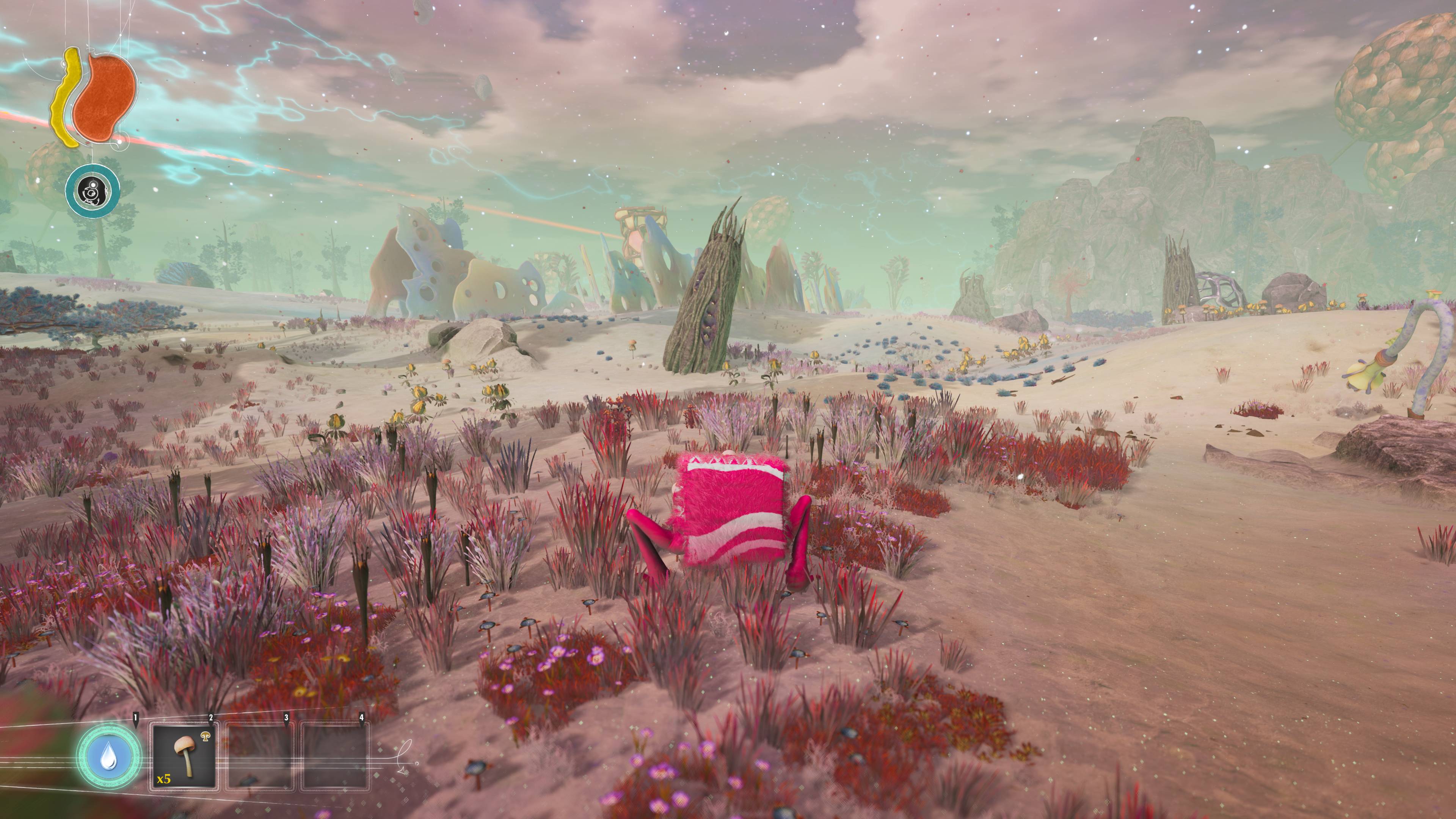
- Utility: Some mutations grant defensive spikes, heat-retention fur for arctic biomes, or the ability to store vast amounts of water.
- The Surreal Factor: The inclusion of "cube-form" mutations—which are equal parts practical for puzzle-solving and hilariously absurd—highlights the developers’ willingness to embrace the strange.
However, the "feel" of these mutations is often inconsistent. While the concept of evolving to survive is compelling, the actual movement physics of the Trebhum can feel floaty and imprecise. In a game that demands tight navigation to outrun a planet-crushing machine, this lack of tactile satisfaction is a notable hurdle.
The Communal Dynamics
Managing a tribe is perhaps the most unique aspect of the game. You are not just controlling one creature; you are shepherding a family. The loss of a Trebhum is a heavy, emotional beat, particularly when you have invested time in their specific mutations. Yet, mechanically, the tribe members often feel like passive followers rather than active participants. They exist largely to open specific multi-character doors or to act as "extra lives" should your current leader perish. There is a missed opportunity here for more complex squad-based tactics.
Official Perspectives and Artistic Vision
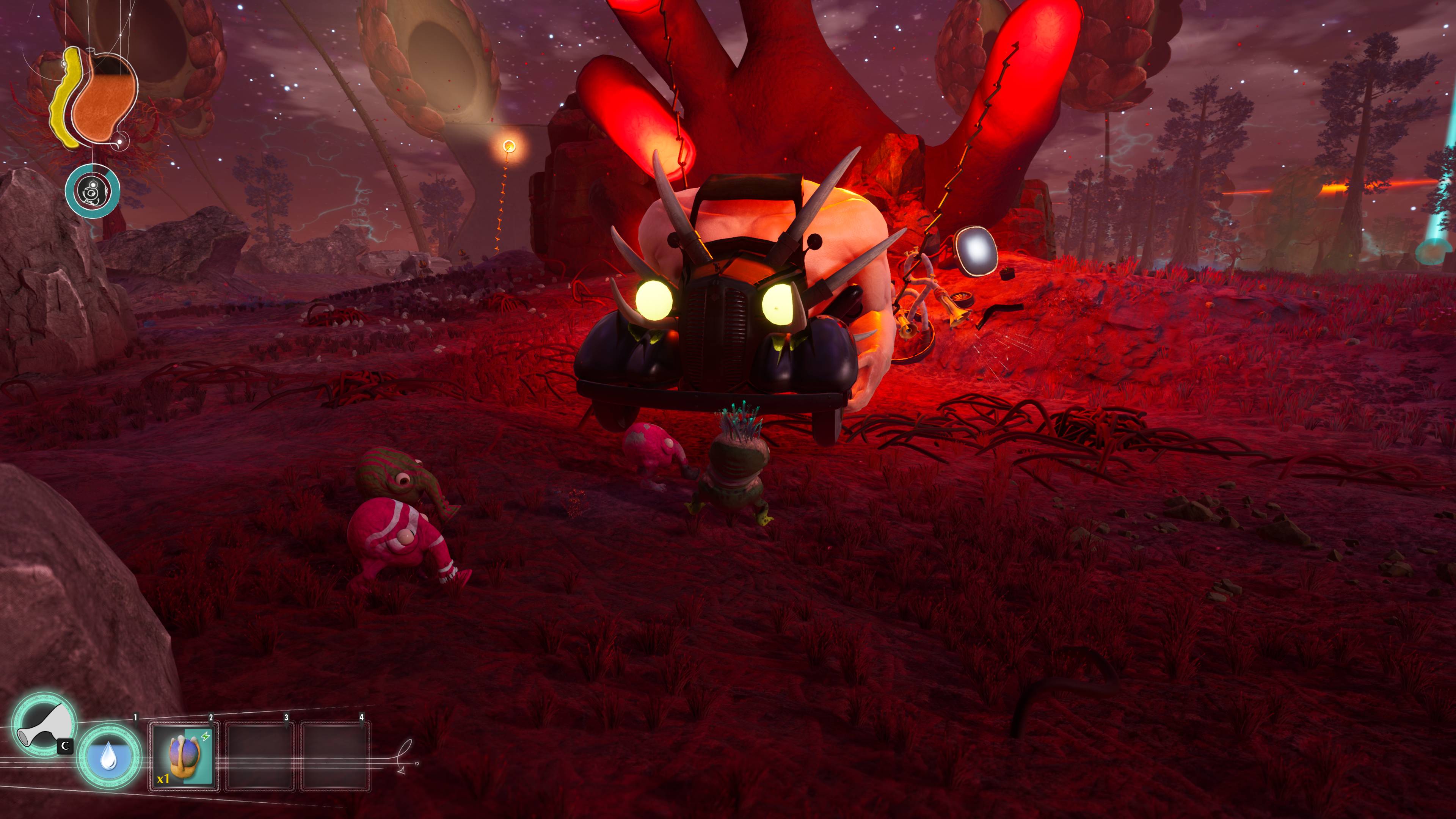
In various interviews, the developers at ACE Team have described the game as a meditation on ecological disaster and the resilience of life. The visual design is intentionally "Dali-esque," drawing inspiration from surrealist art and the biological nightmares of Hieronymus Bosch.
The studio aimed to create a world that felt "consistent in its impossibility." Every element, from the flying snot-monsters to the snails that function like living bear-traps, follows a rigid biological logic within the game’s internal framework. This meticulous landscaping ensures that despite the alien nature of the flora and fauna, the player never feels like they are in a "randomly generated" mess. The sense of place is, arguably, the game’s greatest achievement.
Implications: The Legacy of the Cylinder
What does The Eternal Cylinder mean for the survival genre?
A New Standard for Environmental Pressure
Traditionally, survival games focus on the "grind"—managing hunger, thirst, and crafting materials in a static environment. The Eternal Cylinder flips this by introducing a moving, unstoppable environmental hazard. This shifts the focus from "settling down" to "keeping moving." It suggests a future for the genre where the map itself is an active participant in the narrative, forcing players into a constant state of migration.
Narrative Through Atmosphere
The game proves that you do not need long, scripted cutscenes to tell a profound story. By relying on environmental storytelling and a singular, looming narrator, the game maintains a sense of mystery that would be ruined by over-explanation. It invites the player to piece together the history of the Trebhum, fostering a personal connection to the world that feels earned rather than fed.
The Lesson of Mechanical Polish
If there is a cautionary tale to be found in The Eternal Cylinder, it is that a brilliant premise cannot fully mask mechanical shortcomings. The disconnect between the game’s stunning visual and conceptual ambition and its occasionally frustrating control scheme serves as a reminder that "emergent gameplay" requires, at its core, a responsive and satisfying player-character loop.
Final Verdict
The Eternal Cylinder is a game that is easy to admire and difficult to master. It is a work of art that occasionally forgets it is a game, and a game that occasionally forgets it is a work of art.
For those willing to overlook the somewhat clunky control mechanics and the occasional simplicity of its tribe management, there is a treasure trove of wonder to be found. Its visuals are nothing short of breathtaking, and its primary antagonist—the glowing, rumbling, inevitable Cylinder—is one of the most effective and terrifying foes in gaming history. You will feel the heat of its orange light on your skin, you will scramble for the safety of the next tower with genuine panic, and you will, most likely, never forget the sight of your little Trebhum family scurrying into the abyss.
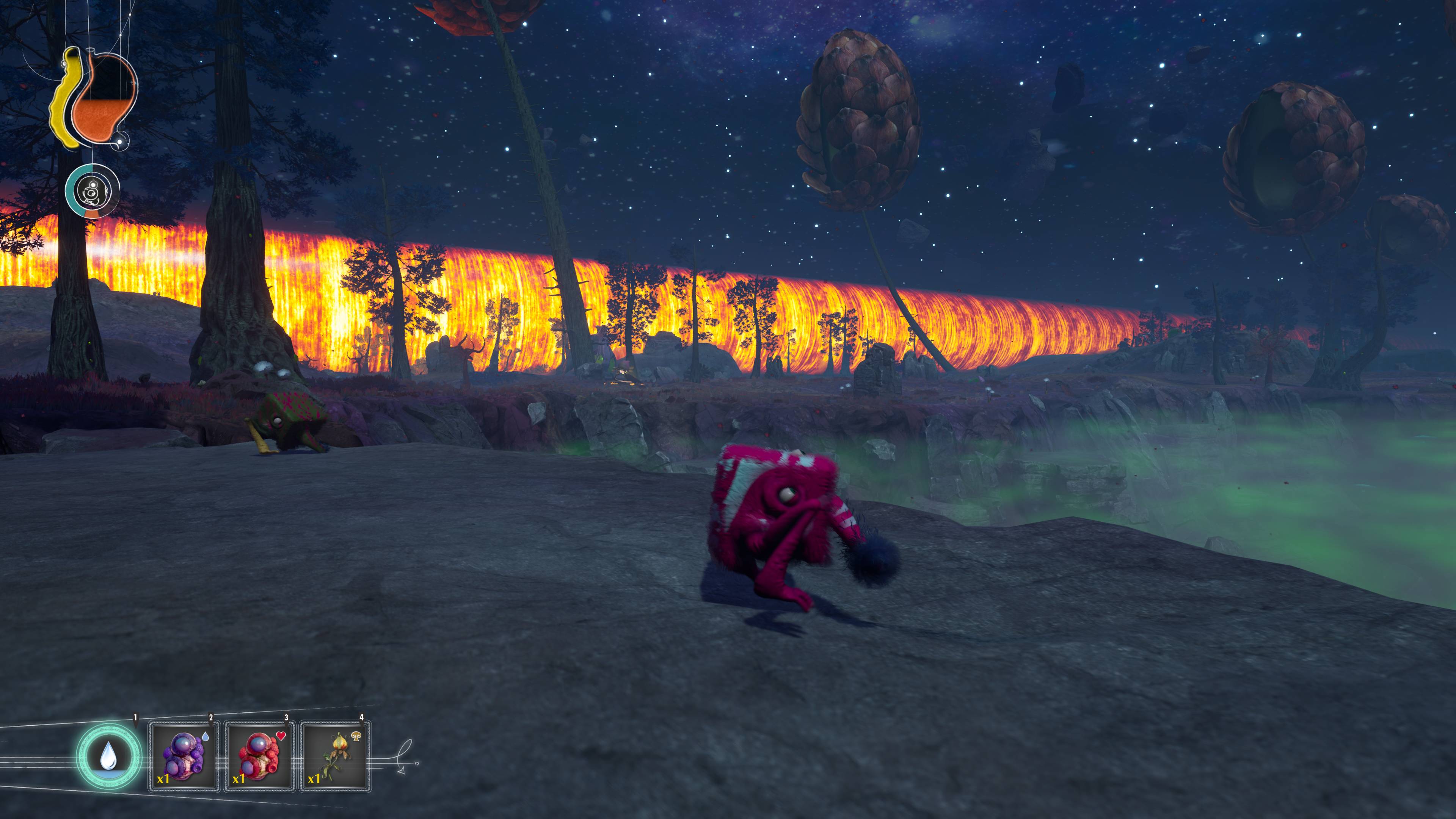
It is not a flawless masterpiece, but in an industry of safe bets, it is a brave, strange, and beautiful triumph. It is, quite simply, one of the most memorable experiences you will have this year.


 Sagoh
Sagoh
 Basiran