Sagoh
Sagoh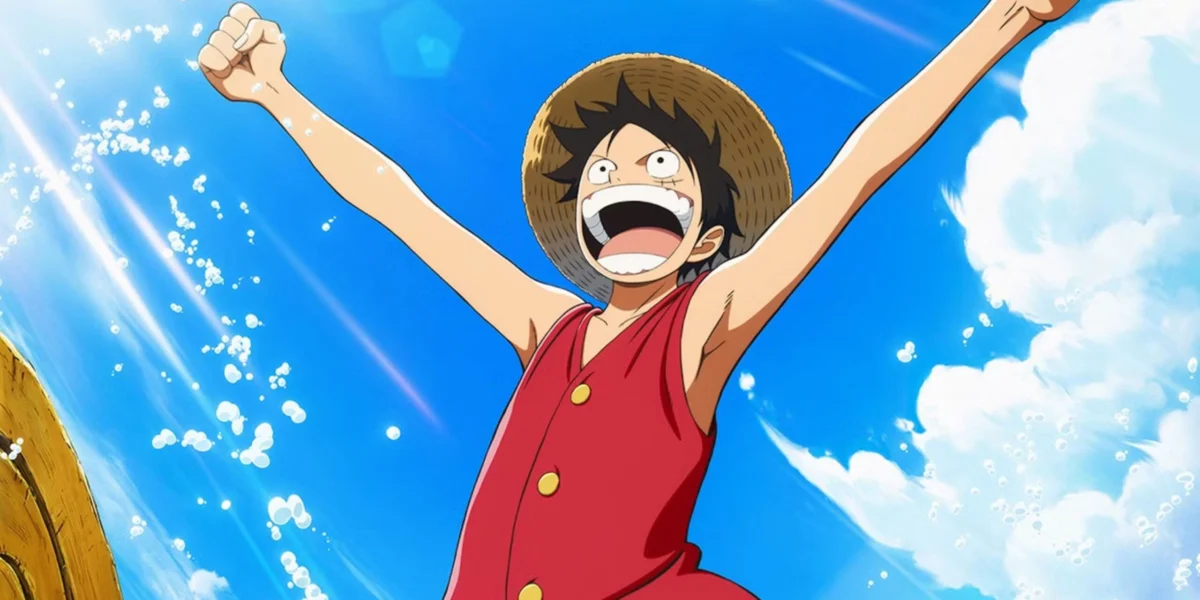
The monumental task of convincing a friend to start One Piece has long been the "final boss" of anime recommendations. For over two decades, Eiichiro Oda’s sprawling magnum opus has stood as a titan of the medium, boasting a narrative richness that is arguably unparalleled. However, its sheer scale—now spanning well over 1,000 episodes—acts as an imposing barrier to entry for modern audiences accustomed to the brisk, seasonal pacing of contemporary hits.
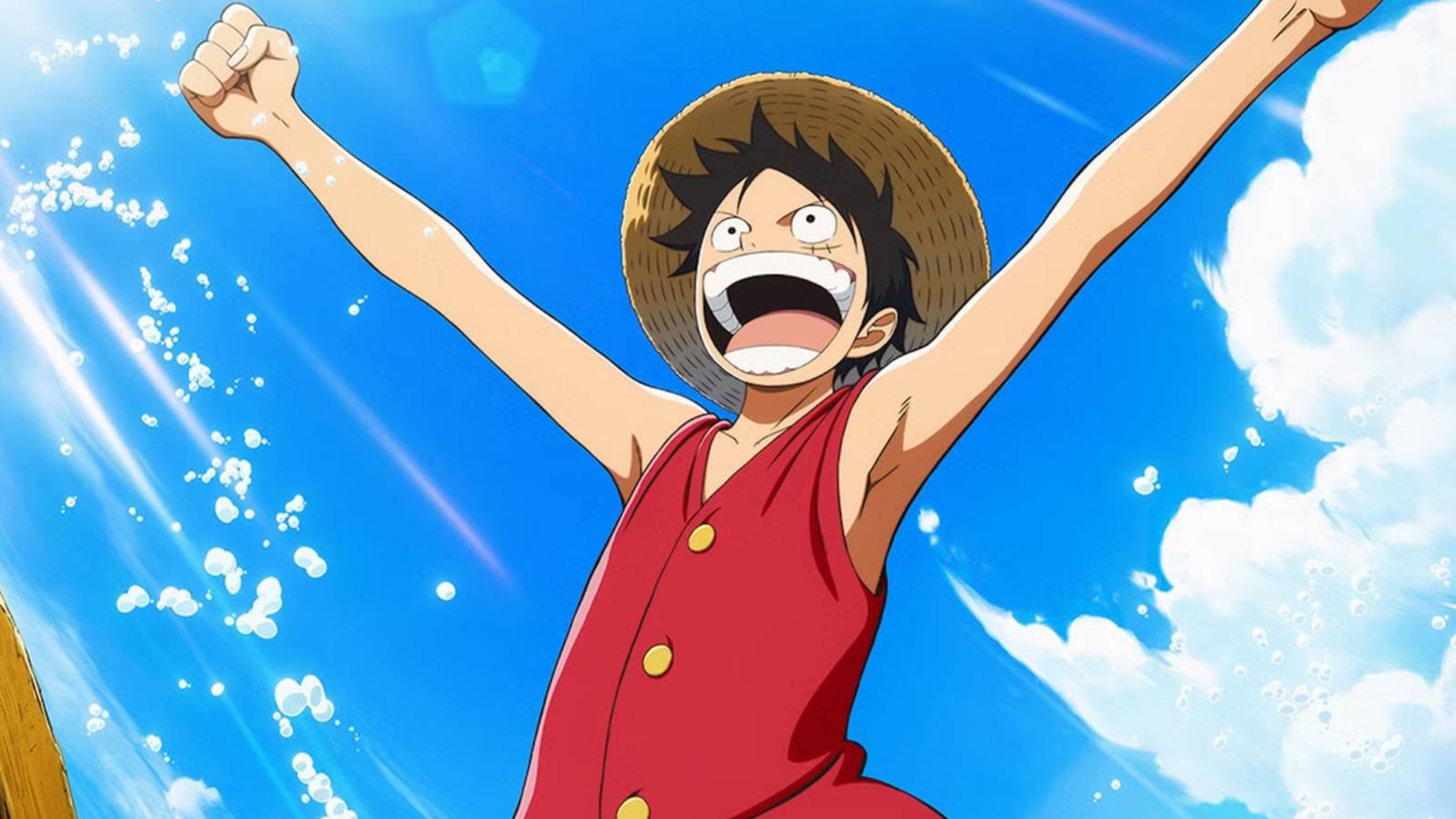
That barrier is finally being dismantled. In a move that has sent shockwaves through the global otaku community, Netflix and the acclaimed WIT Studio have unveiled the first official trailer for The One Piece, a ground-up reimagining of the classic saga. With a release window firmly locked for February 2027, the project promises to distill the legendary East Blue arc into a sleek, modern, and filler-free experience, proving that sometimes, even the greatest legends need a fresh coat of paint to reach the next generation.
A Cultural Collision: Pirates Meet Gaming Titans
The timing of the trailer’s release was nothing short of strategic. Dropping on the exact day that Rockstar Games finally unveiled the long-awaited pricing and pre-order details for Grand Theft Auto 6, the One Piece announcement served as a reminder that anime has truly ascended to the same cultural echelon as the world’s biggest gaming franchises.
The dual-hype cycle created a fascinating "battle of the fandoms" across social media. While gamers were dissecting the costs and hardware requirements for the next generation of open-world mayhem, anime enthusiasts were busy frame-by-frame analyzing the animation quality of the The One Piece teaser. Both topics dominated global search trends, signaling a rare moment in pop culture where the lines between high-fidelity gaming and premium animation blur.
A History of the Seas: The Evolution of the East Blue
To understand why a remake is necessary, one must look at the history of the original production. One Piece first aired on October 20, 1999, produced by Toei Animation. It was a product of its time—a weekly broadcast anime that prioritized quantity and consistency to maintain a near-constant presence on Japanese television.
Over the decades, this format led to a phenomenon where the anime began to "catch up" to the manga. To mitigate this, the studio implemented pacing techniques common in the late 90s and early 2000s: extended reaction shots, slow-moving camera pans, and, occasionally, "filler" arcs to allow Eiichiro Oda’s manga time to advance. While these episodes hold a nostalgic charm for long-term fans, they often struggle to maintain the tight, adrenaline-fueled pacing that modern audiences demand.
The One Piece aims to rectify this by adopting a seasonal, high-budget production model. By moving away from the "perpetual broadcast" format, WIT Studio can focus on a lower episode count, higher per-episode production value, and a narrative structure that prioritizes the source material’s original tempo.
The Structural Shift: Quality Over Quantity
The most significant takeaway from the initial project details is the shift in narrative density. The first season of The One Piece is currently slated to run for just seven episodes. However, these are not standard 20-minute installments. Each episode is expected to run between 40 and 50 minutes, creating a cinematic flow that mirrors the pacing of a prestige television drama.

This condensed structure is designed to cover approximately 50 chapters of the original manga, concluding with the pivotal moment when Sanji joins the Straw Hat crew at the Baratie. By dedicating nearly an hour to the equivalent of what the original anime might have stretched across 15 or 20 episodes, WIT Studio is ensuring that the emotional beats—Luffy’s resolve, Nami’s betrayal, and Zoro’s sacrifice—have the necessary room to breathe.
"The spirit of discovery continues with The One Piece, the next animated series from WIT Studio," the official production statement read. "The series utilizes cutting-edge visual technology to present the beginning of Luffy’s journey to a new generation."
WIT Studio: The Architects of the Modern Anime Standard
The selection of WIT Studio to helm this project is a masterstroke of casting. Known for their explosive work on the first three seasons of Attack on Titan and the historical gravitas of Vinland Saga, WIT has built a reputation for handling high-stakes action with a grounded, human touch.
Their involvement suggests that The One Piece will move away from the traditional, slightly dated aesthetic of the late 90s and toward a look that is gritty, fluid, and visually dense. The trailer showcases a version of the East Blue that feels tactile—the salt spray on the Going Merry, the weight behind Luffy’s Gum-Gum Pistol, and the stark, menacing shadows of the early antagonists. By applying the "seasonal" production philosophy, WIT can ensure that there is no compromise in animation quality, even during the quiet, character-building moments that are the true heartbeat of the series.
Official Responses and the "Netflix Effect"
The collaboration between Netflix and WIT Studio marks a significant shift in how intellectual properties are managed in the streaming era. Netflix has proven with its live-action One Piece adaptation that it understands the importance of working closely with the original creator, Eiichiro Oda.
This, by extension, has lent an air of legitimacy to the remake. When the news was first announced, there was understandable trepidation among the purist fanbase. Remaking a "holy grail" of anime is a risky endeavor. However, the involvement of major industry players—and the clear focus on "fixing the pacing" rather than "changing the story"—has largely quelled these fears. The consensus among the community is that the original 1999 series will always exist as a historical artifact, while The One Piece will serve as an accessible, high-octane entry point for those who have previously found the barrier to entry too high.
Implications: A New Standard for Long-Running Shonen
The implications of this remake reach far beyond just one series. If The One Piece proves to be a success, it could set a new industry standard for "legacy" anime. We have already seen similar trends in other franchises—such as the Fullmetal Alchemist: Brotherhood treatment or the modern Hunter x Hunter (2011) adaptation—but The One Piece is the first time a series of this specific magnitude has been "rebooted" while the original is still ongoing.
This signals a potential future where the "Big Three" of the early 2000s—One Piece, Naruto, and Bleach—might all eventually receive modern, high-fidelity remakes designed for the streaming era. It reflects a shift in how we consume media; we no longer want to be locked into 20 years of daily commitments. We want curated, high-quality, and bingeable experiences that honor the legacy of the source material while utilizing the technological advancements of the present day.

The Road to 2027: What Fans Can Expect
As we look toward February 2027, the anticipation is only expected to grow. The trailer has already succeeded in doing what years of fan advocacy could not: it has made the beginning of Luffy’s journey feel fresh again. By focusing on the "Romance Dawn" arc—the genesis of the Straw Hat crew—the remake reminds us why we fell in love with this world in the first place.
For the newcomer, the promise is simple: a journey into the Grand Line that respects your time. For the veteran, it is an opportunity to see the earliest, most formative moments of the series re-envisioned with the technical mastery of one of the industry’s best studios.
Whether you have been sailing the seas since 1999 or are waiting for your first ticket aboard the Going Merry, one thing is clear: the arrival of The One Piece will be a defining moment for the medium. In an era of endless reboots and adaptations, this is the rare instance where a return to the beginning feels like a necessary step forward. The voyage is about to begin again, and this time, there is no reason to be left behind.


 Asro
Asro
 Muslim