Siti Muinah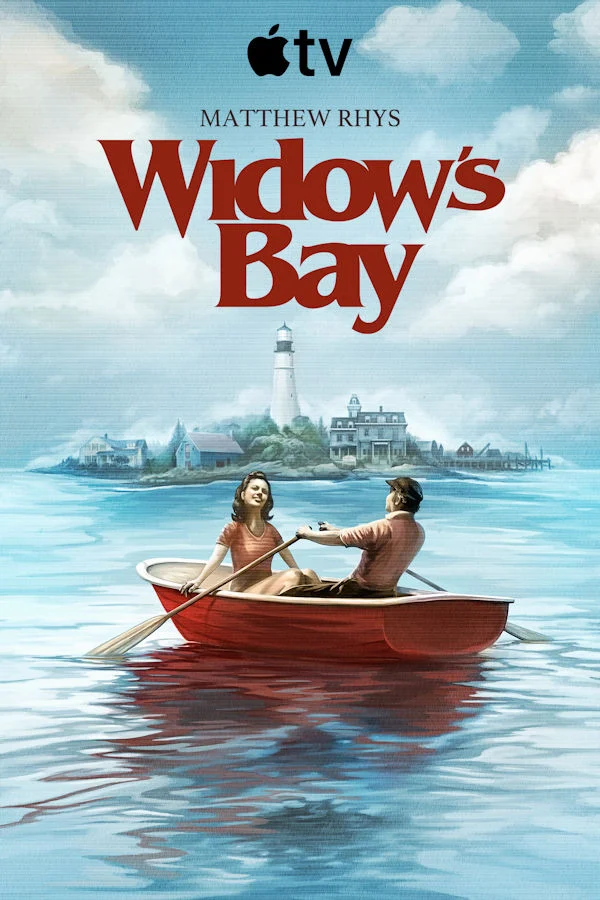
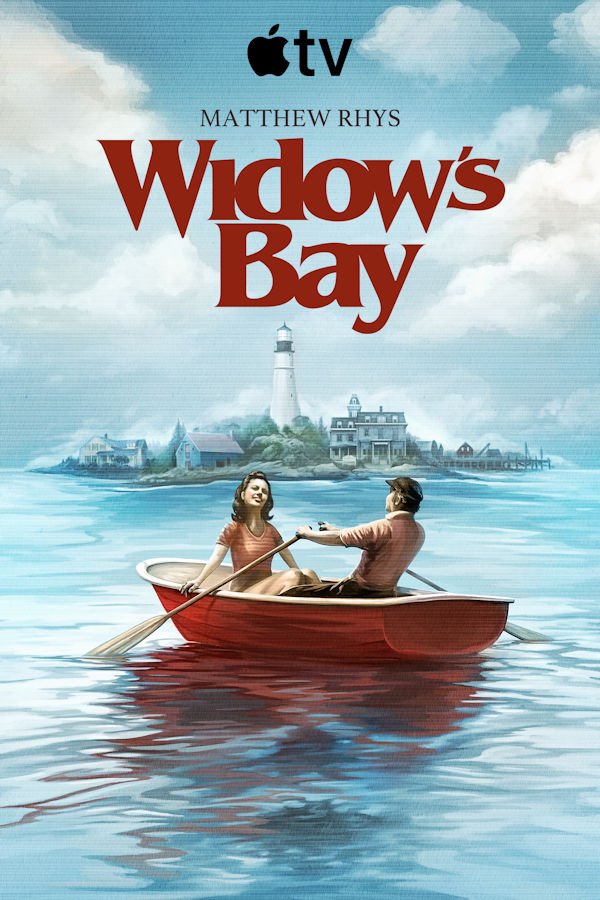
There is a specific, visceral thrill associated with the aesthetic language of horror. It begins with the font—those bold, serif-heavy, blocky letters that have become synonymous with the "King of Horror," Stephen King. Whether it is the neon-soaked nostalgia of Stranger Things, the surrealist dread of Twin Peaks, or the masterclass tension of John Carpenter’s filmography, that typeface serves as a universal signal: prepare for the macabre.
Apple TV+’s newest series, Widow’s Bay, arrives draped in this familiar visual shorthand, but beneath its stylistic surface lies a narrative engine that is far more sophisticated than a mere homage. Created by Katie Dippold and directed by the visionary Hiro Murai, the series has already clawed its way into the cultural conversation with its first three episodes. It is a show that balances on the razor’s edge of genuine terror and sharp, observational comedy—a feat that, while attempted often, is rarely mastered with this level of poise.
The Main Facts: A New England Nightmare
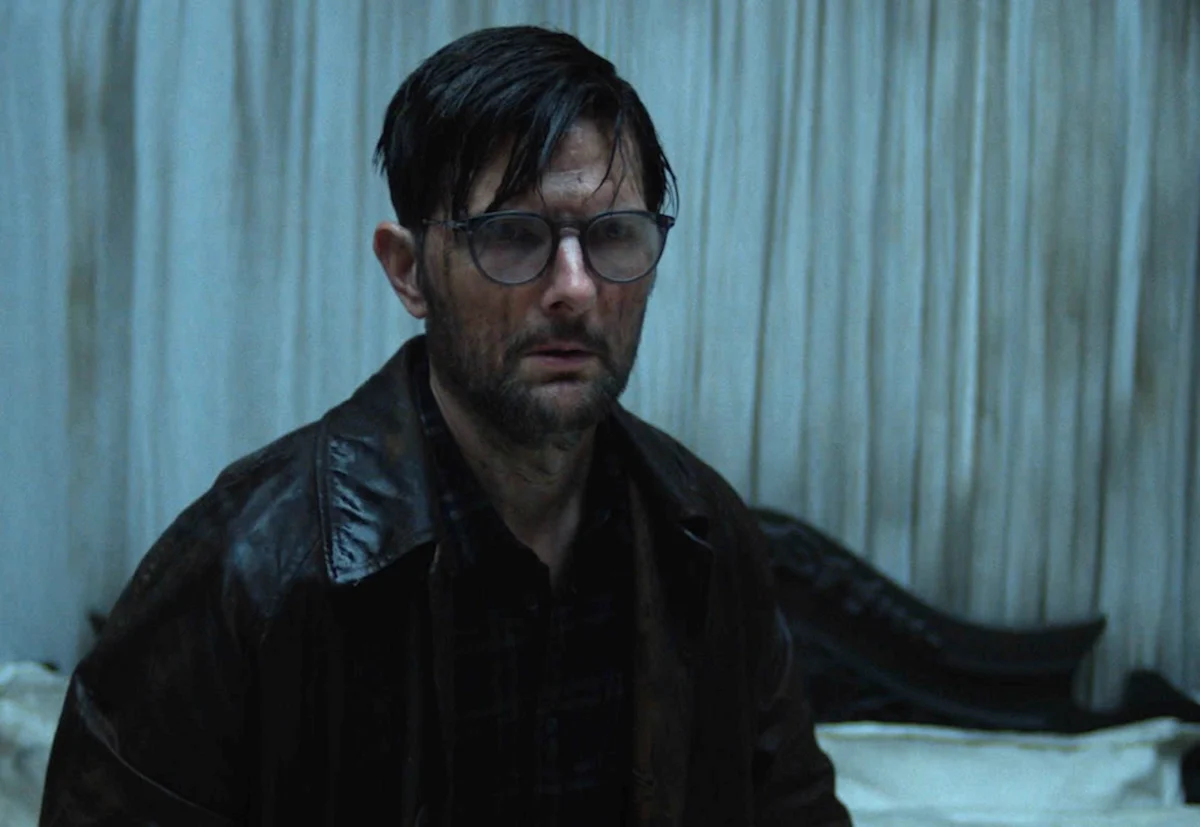
Widow’s Bay is set on a secluded, fog-drenched fishing island off the New England coast. The premise is deceptively simple: Mayor Tom Loftis (played by the magnetic Matthew Rhys) is an outsider attempting to revitalize a dying town. A man of logic and modern ambition, Loftis is a skeptic in a place where the local history is written in blood, superstition, and ancient curses.
The series functions as an atmospheric character study wrapped in the skin of a supernatural procedural. While the islanders cling to local legends—ranging from malevolent sea hags to revenants rising from the Atlantic—Loftis is determined to bring in outside investment and tourism, even going so far as to invite a New York Times reporter to document the island’s potential. He does this despite the town historical society’s prominent display of a newspaper clipping detailing a historical incident of cannibalism—a constant, grim reminder that some ghosts refuse to stay buried.
Chronology: The Evolution of a Small-Town Fable
The narrative structure of Widow’s Bay mirrors the classic "monster-of-the-week" format popularized by The X-Files and Buffy the Vampire Slayer.
- Episodes 1-3 (The Establishment): These early installments serve to ground the audience in the town’s geography and the rigid social hierarchies of its inhabitants. We are introduced to the central conflict: the tension between Tom’s modern, "rational" vision and the island’s deep-seated, superstitious malaise.
- The Mid-Point Trajectory: While the overarching mystery—the source of the town’s lingering "bad luck"—looms, the series utilizes individual encounters to flesh out the world. The audience watches as Tom is systematically tested by his surroundings, while the local residents observe his struggles with a mixture of amusement and malice.
- The Path Ahead: With ten episodes slated for the first season, the pacing is deliberate. The show avoids the common genre pitfall of "middle-season sag," thanks to the tight, punchy scriptwriting and the clear, overarching dread that defines the town’s atmosphere.
Supporting Data: A Cast of Characters and Creative Forces
The success of Widow’s Bay is rooted in its exceptional ensemble cast and its powerhouse creative team.
The Players
- Matthew Rhys (Mayor Tom Loftis): As the series’ protagonist, Rhys brings a grounded, weary humanity to the role of the skeptic. His ability to pivot between dry, comedic frustration and genuine, bone-chilling realization is the show’s anchor.
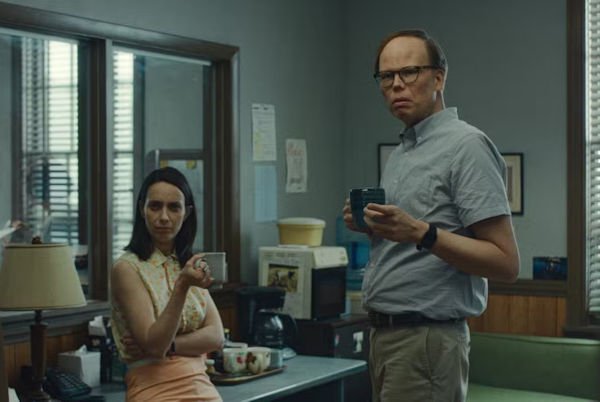
- Kate O’Flynn (Patricia): Playing Tom’s assistant, O’Flynn is a standout. Her character is a survivor of past island terrors, and she provides the perfect foil to Tom’s skepticism. Her delivery is stoic yet hilariously blunt, highlighting the absurdity of their situation.
- The Supporting Ensemble: Stephen Root (Barry) portrays Wyck, the town drunk and keeper of legends, while Dale Dickey (Winter’s Bone) delivers a masterclass in passive-aggressive antagonism as the local gossip, Rosemary. Their performances elevate the town from a backdrop to a character in its own right.
The Creative Vision
The partnership between Katie Dippold and Hiro Murai is the secret sauce of the production. Dippold, known for her sharp work on Parks and Recreation, brings a nuanced understanding of character dynamics. She avoids the trap of making the islanders mere caricatures; instead, she gives them a grounded, lived-in complexity.
Murai, whose work on The Bear, Atlanta, and Barry has redefined modern television, brings a cinematic weight to the production. His direction ensures that the humor never undermines the horror. He utilizes negative space, silence, and minor character interactions to create a sense of inevitable dread that lingers long after the credits roll.
Official Responses and Critical Reception
While the series is still in its infancy, early critical sentiment has been overwhelmingly positive. Industry analysts have praised the show for its "lived-in" aesthetic—the salt-stained docks, the peeling paint of the local Salty Whale tavern, and the pervasive, damp chill of the North Atlantic.
In a statement regarding the show’s tone, the production team noted: "We wanted to create a space that felt like a place you could actually visit, which makes the intrusion of the supernatural all the more jarring." Audiences have responded to this realism, noting that the terror feels earned rather than cheap, with jump scares being used sparingly to punctuating moments of psychological tension.
Implications: The Future of Genre-Blending
Widow’s Bay represents a shift in how streamers approach horror-comedy. It is not interested in the campy, self-referential irony of early 2000s slashers. Instead, it leans into the "uncanny"—the feeling that something is fundamentally wrong with the world, even when the sun is shining.
The "Stephen King Effect"
The show’s success suggests a renewed appetite for "coastal gothic" horror. By positioning itself alongside titles like Picket Fences and Santa Clarita Diet, Widow’s Bay is signaling that viewers are looking for stories that do not force them to choose between a laugh and a scream.
The Market Impact
For Apple TV+, Widow’s Bay serves as a critical addition to their genre library. By betting on a shorter, ten-episode arc, the network is prioritizing quality over quantity, a strategy that often pays off in the competitive streaming market. If the show maintains its current momentum, it could set a new benchmark for how television series handle the intersection of local folklore and psychological thriller elements.
A Warning to the Viewer
As the series progresses, the implications for our protagonist, Tom Loftis, are dire. The audience, acting as a spectator to the inevitable, is acutely aware that the island is a "Bad Place." From the mysterious, self-ringing church bell to the chair in the basement facing an ominous door, the clues are mounting. The question is not whether the truth will be revealed, but what will be left of the town—and its Mayor—when it finally surfaces.
For those ready to embark on the journey, the ferry to Widow’s Bay is waiting. Just ensure you are prepared for the sea hags, the local gossip, and the undeniable sense that, on this island, the past is never truly in the past.
Quick Reference: Why Watch?
- Genre: Supernatural Horror-Comedy.
- Key Talent: Directed by Hiro Murai; Written by Katie Dippold.
- Starring: Matthew Rhys, Kate O’Flynn, Stephen Root, Dale Dickey.
- Vibe: Jaws meets Northern Exposure with a dash of The X-Files.
- Where to Watch: Streaming now on Apple TV+.
For those seeking to delve deeper into the mysteries of the coast, the official teaser trailer is currently available for viewing, offering a glimpse into the fog that awaits.

 Basiran
 Lina Irawan