Nana
Nana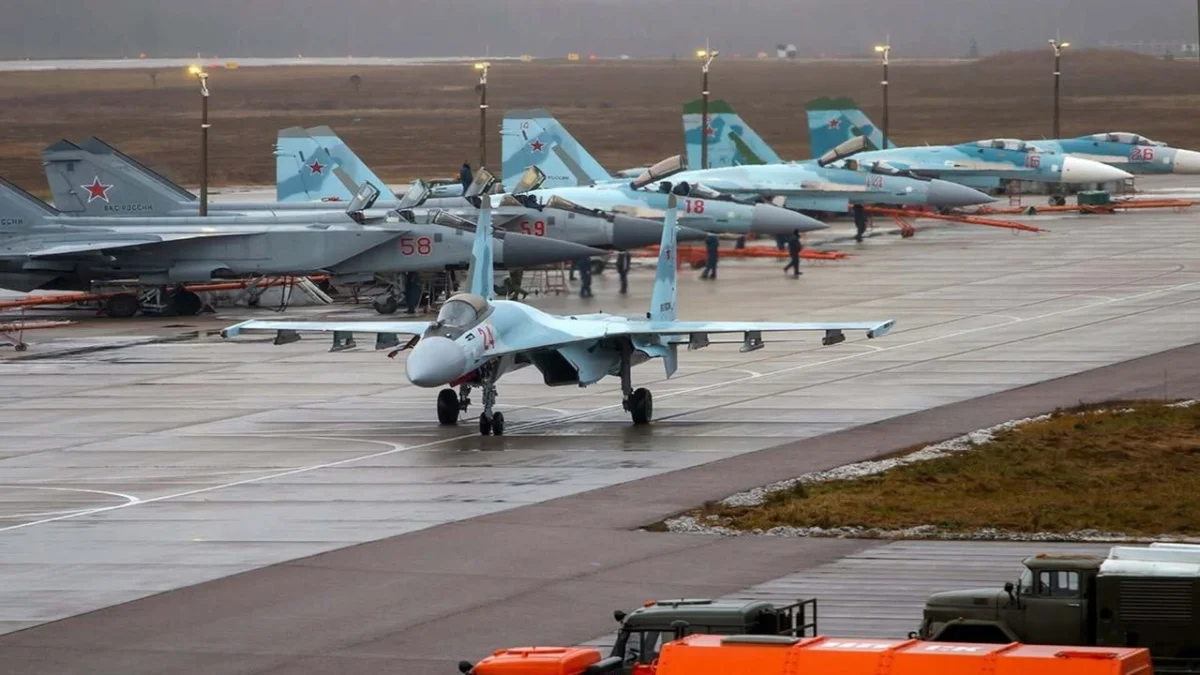
In a strategic pivot aimed at altering the trajectory of the ongoing conflict, NATO Allied Command Transformation, in collaboration with the NATO-Ukraine Joint Analysis, Training and Education Centre (JATEC), has officially launched a €250,000 (~$287,000) innovation challenge. This initiative, titled "Persistent Airfield Denial," seeks to crowdsource cutting-edge technological solutions capable of rendering adversary aviation infrastructure unusable for extended periods.
The initiative marks a significant escalation in the technological competition between Kyiv and Moscow, focusing on the critical nodes of Russian air superiority: the airfields from which aerial sorties are launched against Ukrainian territory.
Main Facts: The Scope of the "Persistent Airfield Denial" Challenge
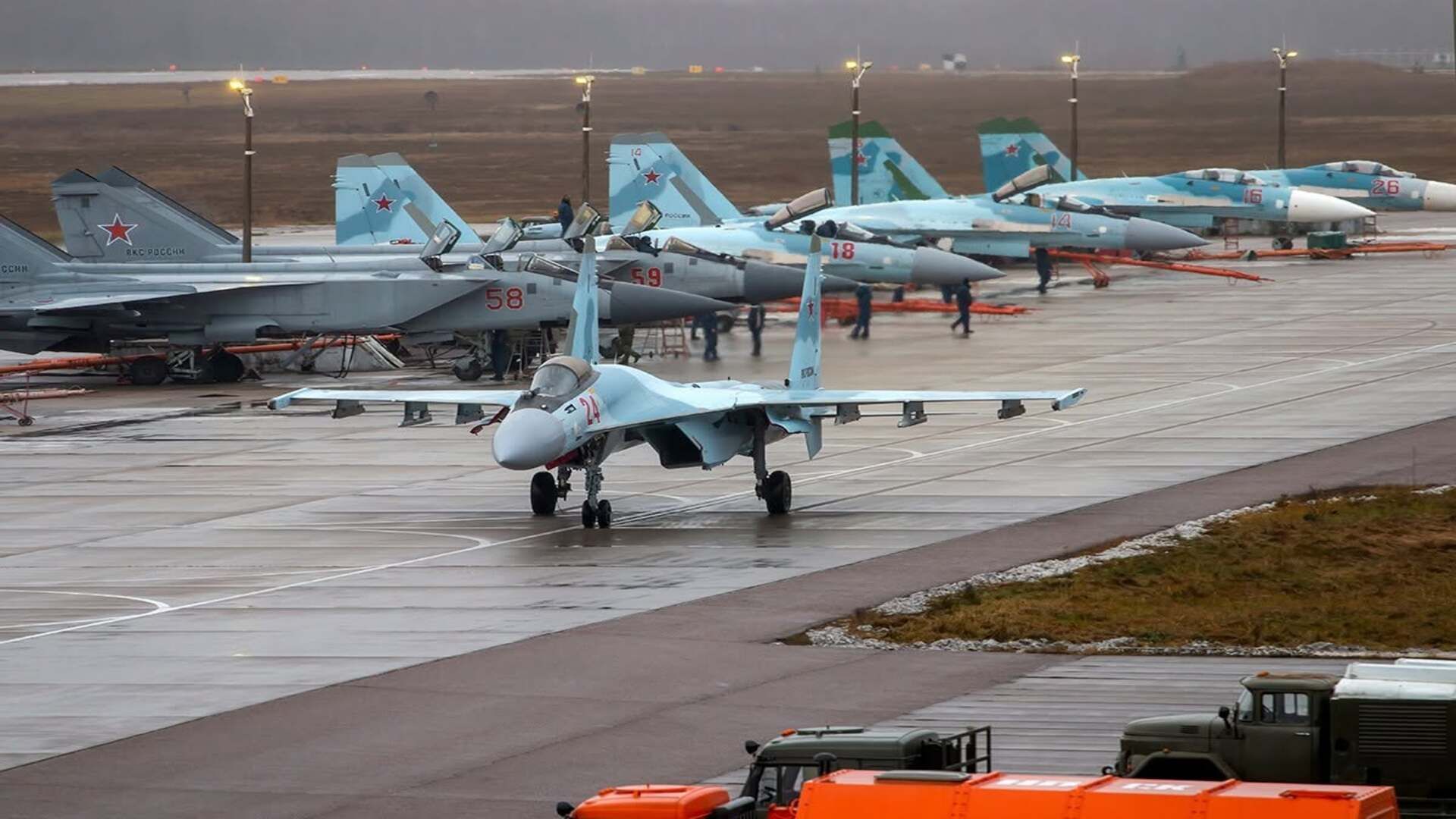
The core objective of the challenge is to move beyond the traditional "hit-and-run" philosophy of missile or drone strikes. Instead, NATO and Ukrainian officials are seeking systems designed for persistent disruption. The Ministry of Defense of Ukraine has been explicit regarding the strategic necessity of this endeavor, noting that every Russian aviation sortie targeting Ukrainian cities, critical infrastructure, or frontline positions begins on a runway. By denying the enemy the ability to utilize these facilities, the coalition aims to fundamentally degrade Russia’s aerial projection capabilities.
Key Requirements for Entrants:
- Operational Persistence: The proposed solutions must be capable of exerting sustained pressure rather than delivering singular, ephemeral impacts.
- Resilience in Contested Environments: Systems must operate effectively in environments saturated with high-intensity electronic warfare (EW) and signal jamming.
- Navigation Autonomy: Due to the prevalence of GPS-spoofing and satellite signal denial in modern conflict zones, all proposed systems must function without reliance on traditional satellite navigation.
- Environmental Versatility: The technologies must be capable of operating year-round, regardless of extreme weather conditions, without significant performance degradation.
- Technological Readiness: The organizers are targeting a Technology Readiness Level (TRL) of 5 to 7, meaning they are looking for functional prototypes rather than theoretical concepts.
Chronology: From Kinetic Warfare to Systematic Innovation
The current challenge is the latest in a series of NATO-backed efforts to modernize the Ukrainian defense industrial base. Over the past two years, NATO has facilitated several innovation challenges aimed at addressing specific tactical bottlenecks, such as the proliferation of guided aerial bombs and the increasing use of fiber-optic-linked drones, which are immune to traditional jamming.
The "Persistent Airfield Denial" project builds directly upon the success of "Operation Spiderweb," a complex and highly coordinated strike campaign conducted by the Security Service of Ukraine (SBU) last year. In that operation, long-range autonomous systems targeted five Russian airfields, resulting in significant damage to dozens of combat aircraft and millions of dollars in infrastructure loss.
While the exact figures remain a point of contention—with Kyiv claiming 41 aircraft destroyed or damaged and Moscow reporting significantly lower numbers—the operation served as a proof-of-concept for the viability of deep-strike autonomous systems. The current challenge seeks to institutionalize these efforts, scaling up the technological sophistication of the tools available to Ukrainian forces.
Supporting Data: The Economics and Logistics of Airfield Denial
The strategic logic underpinning this challenge is rooted in the high cost of modern aviation. A single Russian fighter jet can cost tens of millions of dollars; the runways, hardened ammunition bunkers, and sophisticated fuel storage facilities that support them are equally expensive and difficult to replace.
- Financial Impact: As demonstrated by the estimates surrounding Operation Spiderweb, the damage to Russian assets during such campaigns runs into the billions. Even if the conservative estimates are used, the return on investment for the attacker—using low-cost, mass-produced drones—is exponentially higher than the cost of the defender’s infrastructure loss.
- The "Hornet" Model: Ukraine has already seen success with low-cost platforms like the "Hornet," which can carry a 5kg payload over 200km. However, the current initiative seeks to evolve this capability. The organizers are looking for "Spiderweb-type" systems that can combine the range and payload of these drones with the intelligence required to operate in denied environments.
- Timeline and Milestones: The competition is structured for rapid deployment. The submission window remains open until July 20, 2026, with the announcement of finalists scheduled for August 11. Participants are required to provide a minimally functional prototype within six weeks of selection, emphasizing the urgency of the conflict.
Official Responses and Strategic Perspectives
NATO officials have emphasized that this competition is not merely a funding exercise, but a method of accelerating the "innovation pipeline." By bridging the gap between small startups and the massive bureaucratic machinery of defense procurement, the Allied Command Transformation aims to cut through years of standard development time.
"Every Russian aviation sortie to strike Ukraine begins at an airfield," the Ukrainian Ministry of Defense stated in a press briefing. "By systematically denying the enemy access to these facilities, we are not just damaging aircraft; we are attacking the very logistics of the invasion."
Independent defense analysts have noted that the success of this program hinges on the integration of artificial intelligence. In the absence of operator control or satellite signals, these systems must utilize machine vision, edge computing, and AI-driven navigation to identify and engage targets autonomously. This represents a fundamental shift in the "kill chain," moving from human-in-the-loop systems to fully autonomous, mission-adaptive platforms.
Implications: The Future of Aerial Warfare
The implications of this challenge extend far beyond the current theater of war in Eastern Europe. The development of persistent, autonomous airfield denial systems is set to redefine how air superiority is contested in the 21st century.
1. The Death of the "Safe Rear"
Historically, airfields were considered relatively safe zones, protected by layered air defense systems. The move toward low-cost, long-range, autonomous swarm technologies threatens to make the entire depth of a country’s territory a potential combat zone. If an adversary can continuously degrade an airfield, the cost of keeping aircraft operational becomes prohibitive.
2. The Rise of AI-Driven Electronic Warfare Defense
The requirement for systems to function in environments without GPS or communication signals effectively mandates the development of "dark" navigation—systems that rely on visual terrain mapping or inertial guidance combined with AI. This creates a feedback loop: as these technologies improve, they force militaries to invest more heavily in electronic protection, potentially leading to a new arms race in signal processing and sensor fusion.
3. Democratization of Deep Strike
Historically, only superpowers possessed the ability to conduct deep strikes against high-value aviation infrastructure. By incentivizing startups and smaller engineering teams, NATO is essentially "democratizing" the ability to conduct high-level strategic operations. This shift could drastically alter the power balance in future regional conflicts, where a relatively small nation—equipped with the right autonomous technology—could neutralize the air power of a much larger adversary.
4. Integration into the Defense Industrial Base
The requirement for a TRL of 5-7 signifies that this is not a research project, but an acquisition strategy. By encouraging Ukrainian miltech startups to participate, NATO is effectively integrating these companies into the broader Western defense supply chain. This collaboration could lead to a permanent, decentralized, and highly agile defense industrial complex capable of rapid prototyping and deployment, providing a blueprint for future coalition warfare.
Conclusion
The €250,000 "Persistent Airfield Denial" challenge is a clear signal that the nature of the conflict is transitioning toward a war of technological attrition. As the window for submissions approaches, the international defense community is watching closely. The technologies that emerge from this initiative may well determine the future of air superiority in modern warfare, shifting the focus from the skies themselves to the fragile, essential ground infrastructure that supports them.
For the startups, engineering teams, and defense contractors participating, the goal is clear: build a system that can see in the dark, think for itself, and remain a constant, unyielding threat to the enemy’s most precious aerial assets. In the high-stakes environment of modern conflict, this challenge may prove that the most potent weapon is not the one with the most firepower, but the one that refuses to be silenced or stopped.


 Muslim
 Evan Lee Salim