Azzam Bilal Chamdy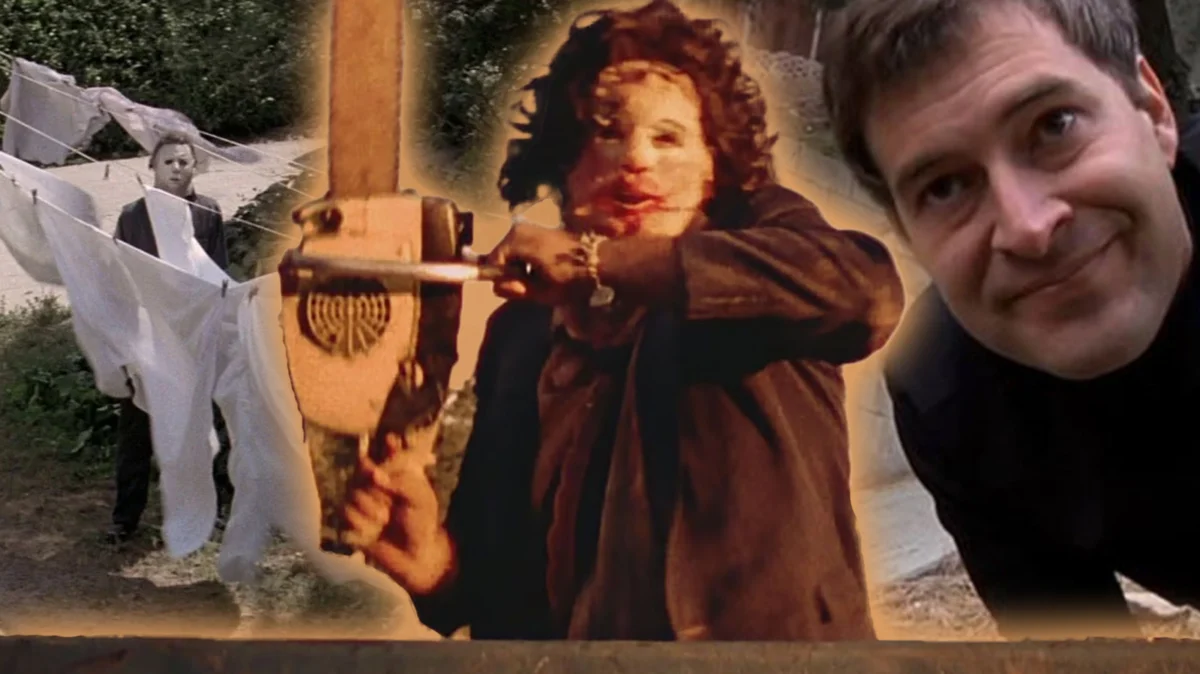
Horror has long been the most resilient genre in cinema, possessing a unique, almost alchemical ability to transform budgetary constraints into artistic assets. While major studio blockbusters rely on massive CGI budgets and A-list star power to manufacture spectacle, the greatest horror films often find their power in the dark corners, the silence between screams, and the raw, unvarnished aesthetic of "shooting cheap."
In the world of horror, a limited budget is not a hindrance—it is a creative crucible. The grimy textures, claustrophobic framing, and the palpable desperation of a lean production can elevate a film from mere entertainment to a transgressive, visceral experience. As we look back at the history of the genre, it becomes clear that some of the most influential and enduring masterpieces were born from nothing more than a camera, a vision, and a shoestring budget.
The Economics of Fear: Why Low-Budget Horror Dominates
The low barrier to entry in horror makes it the perfect training ground for burgeoning auteurs. Filmmakers like Sam Raimi, John Carpenter, and David Lynch began their careers by proving they could wring maximum tension out of minimum capital. This tradition remains vibrant today; the massive financial success of recent hits like Obsession proves that audiences crave the innovation that only comes when a director is forced to prioritize ingenuity over excess. When you strip away the safety net of high-end production design, you are left with the fundamental elements of the medium: character, pacing, and the primal manipulation of the viewer’s pulse.
A Chronological Odyssey of Fright
10. Creep (2014)
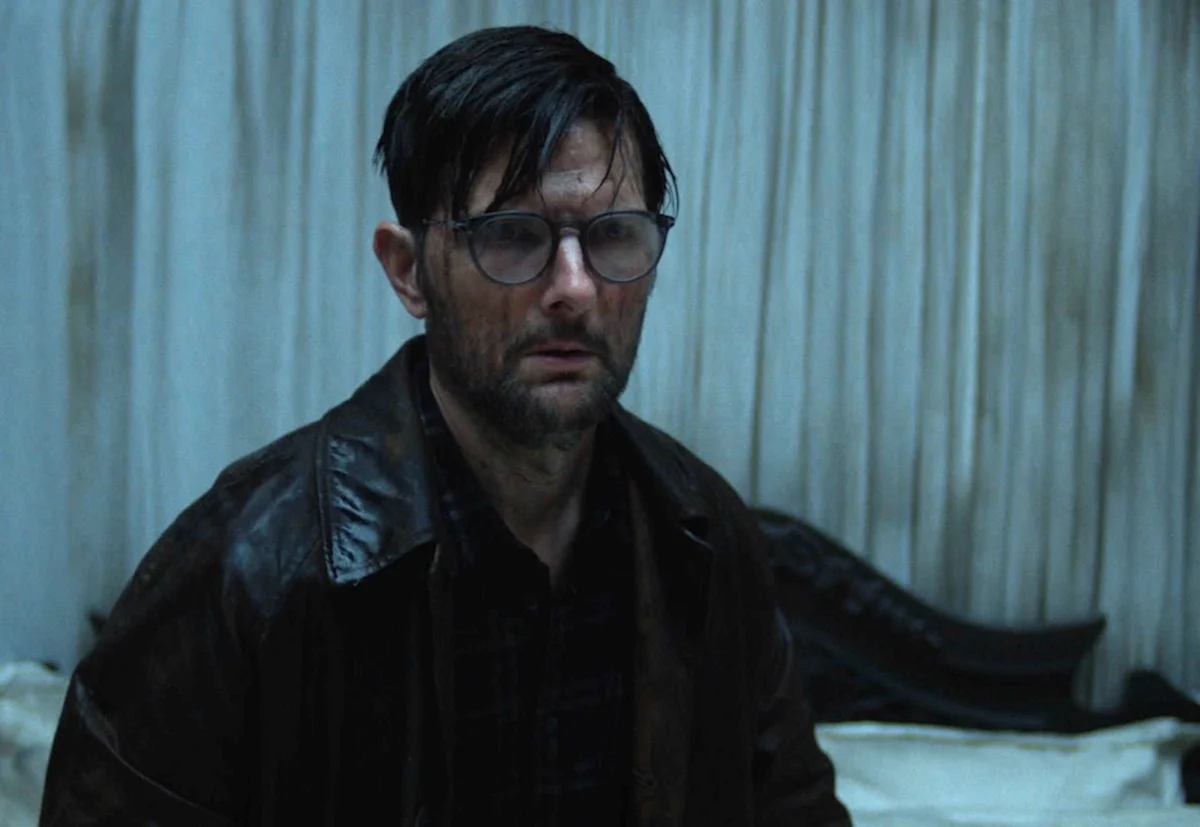
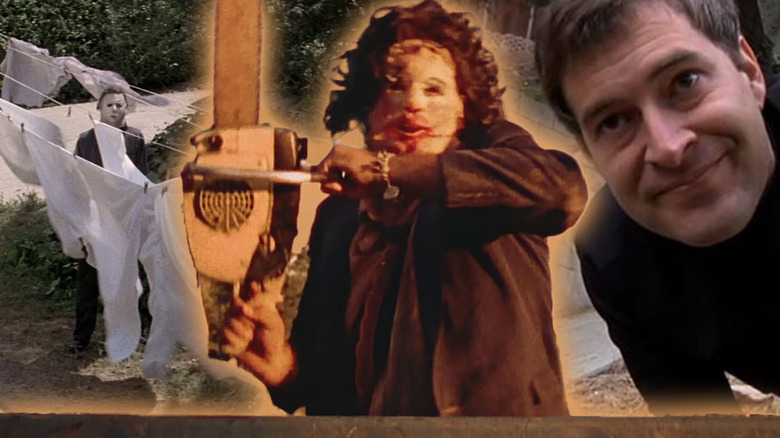
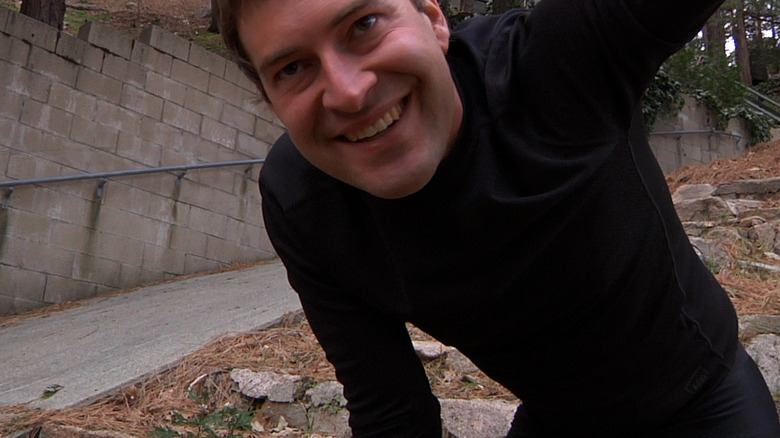
Mark Duplass and director Patrick Brice managed to craft an unnerving masterpiece for a reported production cost of under $500. By leaning into the mumblecore sensibilities of Duplass, Creep feels intensely personal and uncomfortably human. As a videographer trapped in the California mountains with a man whose motives shift from tragic to predatory, the audience is forced into a vulnerable, intimate space. It is a masterclass in psychological manipulation that spawned a franchise, proving that a single camera and a committed performance are all one needs to terrorize an audience.
9. Basket Case (1982)
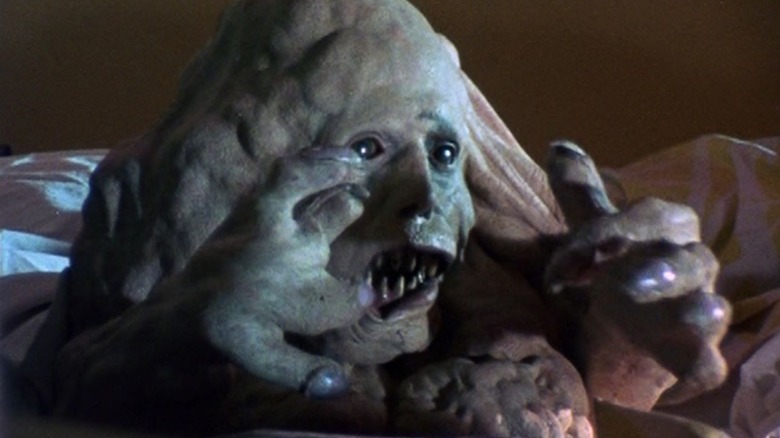
Frank Henenlotter’s debut is a love letter to the sleazy, pre-sanitized Times Square of the early 1980s. Shot on 16mm for roughly $35,000, often without permits, the film utilizes the city’s inherent decay as its backdrop. The story of a man and his surgically separated, monstrous twin, Belial, is more than just a creature feature; it is a surprisingly poignant exploration of codependency. The "homespun" DIY effects only add to the film’s sincerity, cementing its status as a cult-classic artifact.
8. Paranormal Activity (2007)
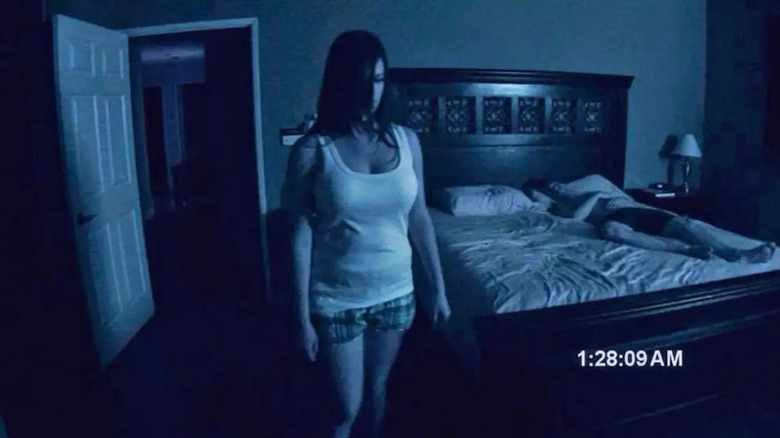
Oren Peli’s $15,000 debut redefined the found-footage genre for the 21st century. By utilizing his own home and a single camera setup, Peli tapped into a universal fear: the violation of one’s own sanctuary. The film’s success—becoming the most profitable horror movie in history—was fueled by the realization that demonic entities are scarier when they are suggested rather than explicitly shown.
7. Saw (2004)
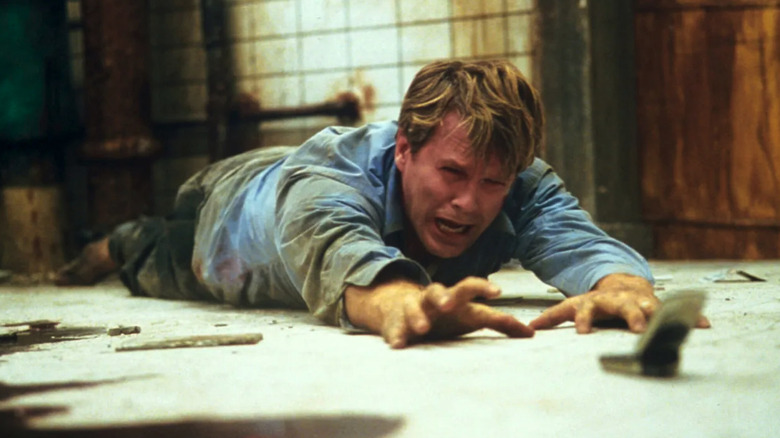
James Wan and Leigh Whannell’s Saw was produced for $1.2 million, a relative pittance compared to the massive franchise it birthed. While the series eventually became known for its complex traps and gore, the original remains a masterclass in restraint. By focusing on atmospheric tension and a tight, claustrophobic setting, Wan turned a simple premise into a visceral exploration of moral decay.
6. Eraserhead (1977)
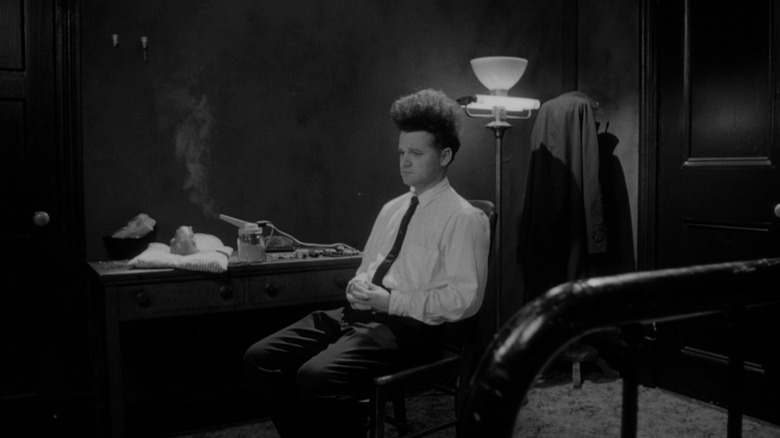
David Lynch’s debut feature was a five-year labor of love, shot piecemeal with an eventual budget of around $100,000. Lynch famously slept on the set to guard his equipment, and that dedication to his singular, nightmarish vision permeates every frame. Eraserhead is less a horror movie in the traditional sense and more an immersive, dream-logic descent into the anxieties of fatherhood and industrial malaise.
5. The Evil Dead (1981)
Sam Raimi’s The Evil Dead is the ultimate "passion project." Funded by local dentists and family friends, the $375,000 production is a testament to the power of pure, unadulterated grit. Raimi, Bruce Campbell, and their team turned a cabin in the woods into a laboratory of practical effects and frenzied camera work, creating one of the most abrasive and influential horror films ever made.
4. Night of the Living Dead (1968)
George Romero’s $114,000 masterpiece did more than just introduce the modern zombie; it acted as a mirror for the social turbulence of the late 1960s. The grainy, black-and-white aesthetic provided a naturalistic quality that heightened the film’s commentary on racial tension and collective paranoia. It remains a potent reminder that horror, at its best, is a radical act of social critique.
3. The Blair Witch Project (1999)
With a production budget of $60,000, The Blair Witch Project changed the landscape of marketing and audience immersion. By leaving their actors in the woods with minimal guidance, directors Daniel Myrick and Eduardo Sánchez generated a sense of genuine, escalating panic. The film’s brilliance lies in its refusal to show the monster, forcing the audience to fill the void with their own darkest fears.
2. Halloween (1978)
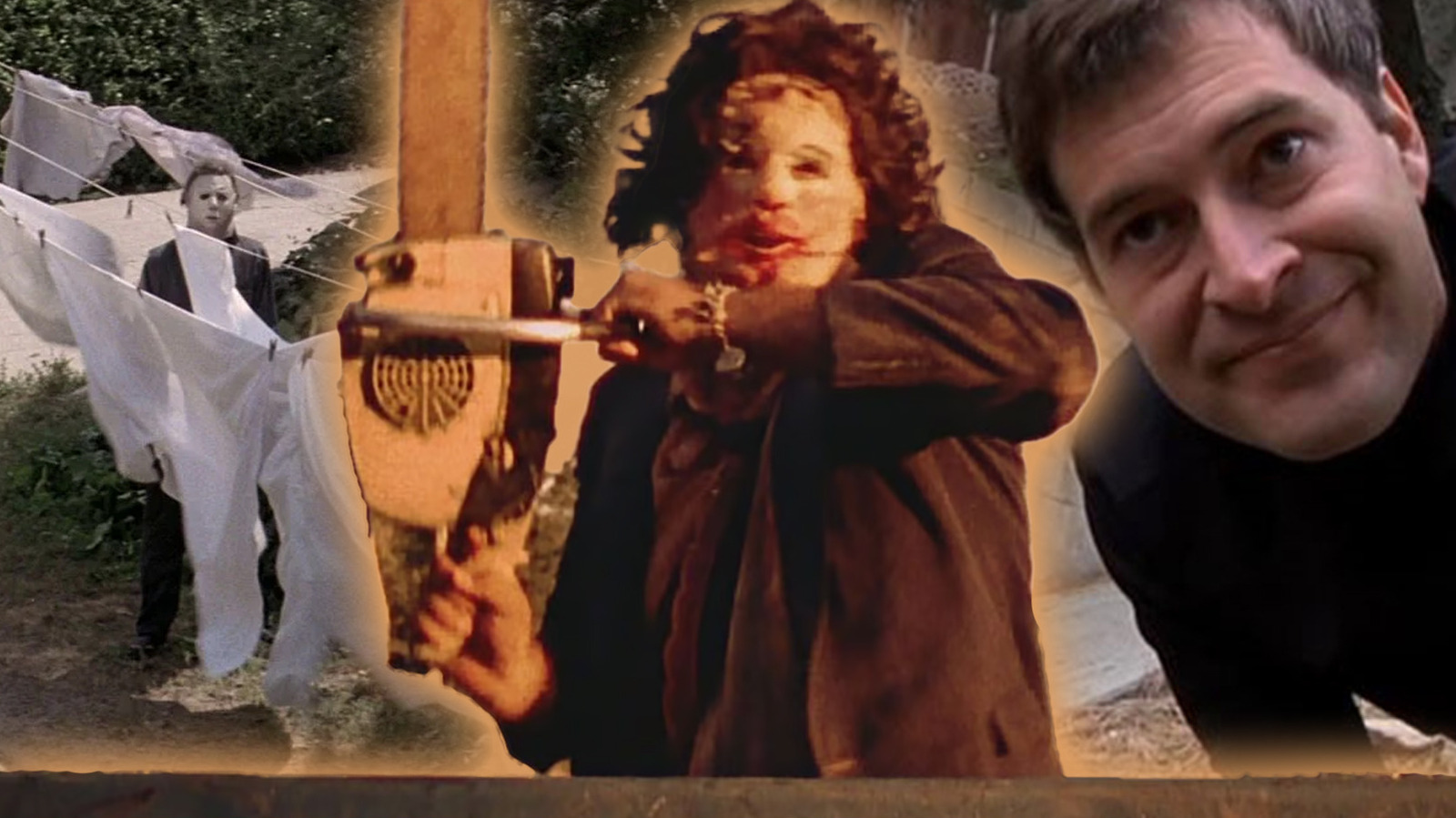
John Carpenter’s Halloween is the gold standard of the slasher genre. Made for $325,000 over 20 days, the film’s iconic status comes from its elegant simplicity. From the repurposed Captain Kirk mask to the haunting, minimalist synth score, every decision was driven by necessity. Carpenter’s widescreen compositions, which allow the killer to linger in the background, established a visual language that every horror film since has sought to emulate.
1. The Texas Chain Saw Massacre (1974)
Tobe Hooper’s The Texas Chain Saw Massacre remains the pinnacle of the low-budget horror experience. Produced for roughly $140,000 under grueling, heat-soaked conditions, the film possesses a tactile sense of misery that is impossible to replicate. It is a barbaric, raw, and relentlessly intense experience that transformed rural Texas into a landscape of pure nightmare. Its influence on the genre is immeasurable, serving as both a financial success story and an artistic landmark.
Supporting Data: The Profitability Factor
The economic implications of these films are staggering. When compared to the average $100M+ budget of a major superhero film, these low-budget horror titles represent the highest return on investment (ROI) in the industry. Paranormal Activity, for instance, turned a $15,000 investment into over $193 million globally. This "micro-budget" model allows studios to take significant creative risks that would be impossible with larger, risk-averse budgets.
Implications for the Future of Filmmaking
The continued success of these films serves as a reminder that the democratization of technology—better cameras, accessible editing software, and global distribution platforms—is empowering a new generation of filmmakers. However, as the cast of The Blair Witch Project recently highlighted, there remains an ongoing conversation regarding the fair compensation of actors in films that generate astronomical profits from humble beginnings.
The legacy of these ten films is clear: the essence of horror is not found in the size of the bank account, but in the strength of the director’s voice. As long as there are filmmakers willing to embrace the "penny-pinching" aesthetic, the genre will continue to thrive, proving that you don’t need millions to leave an audience trembling in the dark.


 Ali Ikhwan
 Suro Senen