Raul Delapena Setiawan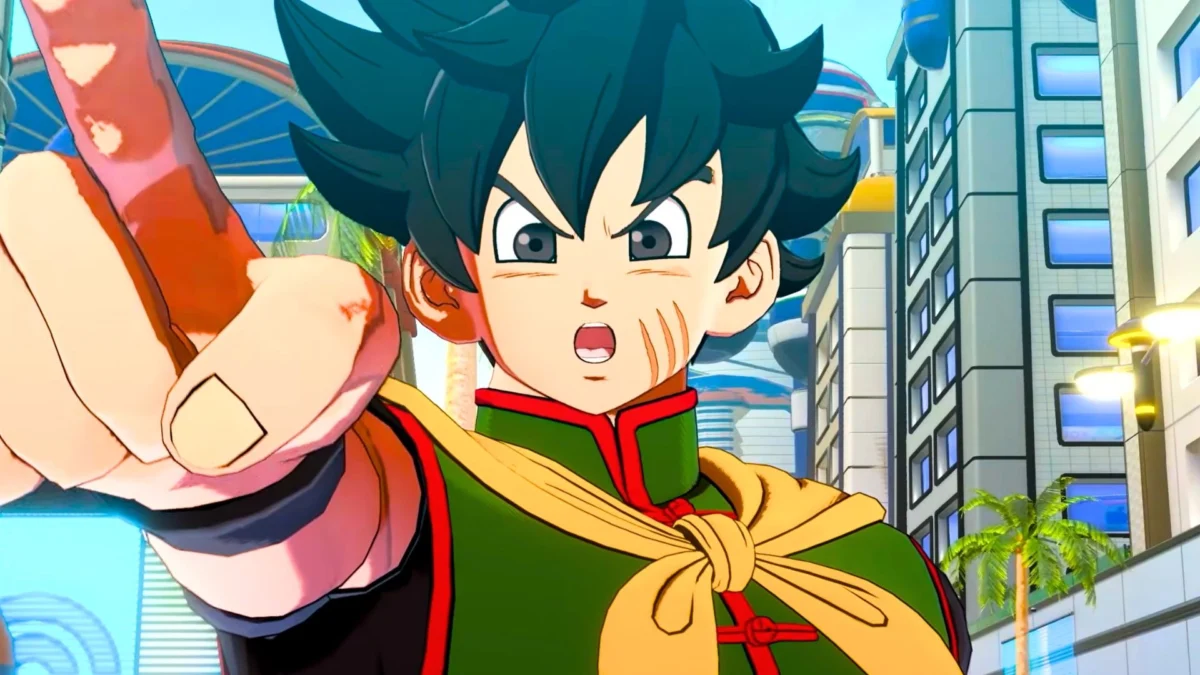
The Dragon Ball gaming landscape has undergone a seismic shift over the last decade. For ten years, Dragon Ball Xenoverse 2 stood as an anomaly in the industry—a game that refused to die, sustained by a relentless stream of DLC and an unwavering, passionate player base. However, the shadow of a sequel has loomed large over the franchise, often feeling like a distant dream. At this year’s Summer Game Fest, that dream finally materialized. With a formal presentation of Dragon Ball Xenoverse 3, developer Dimps has signaled that the long wait was not merely for technical polish, but for a fundamental rethink of what the Xenoverse series is meant to be.
The Dawn of Age 1000: A New Narrative Horizon
The core premise of Xenoverse 3 represents a thematic departure from its predecessors. In the previous installments, players acted as Time Patrollers, essentially cosplaying as historical tourists while "reliving" Goku’s most iconic battles to fix temporal anomalies.
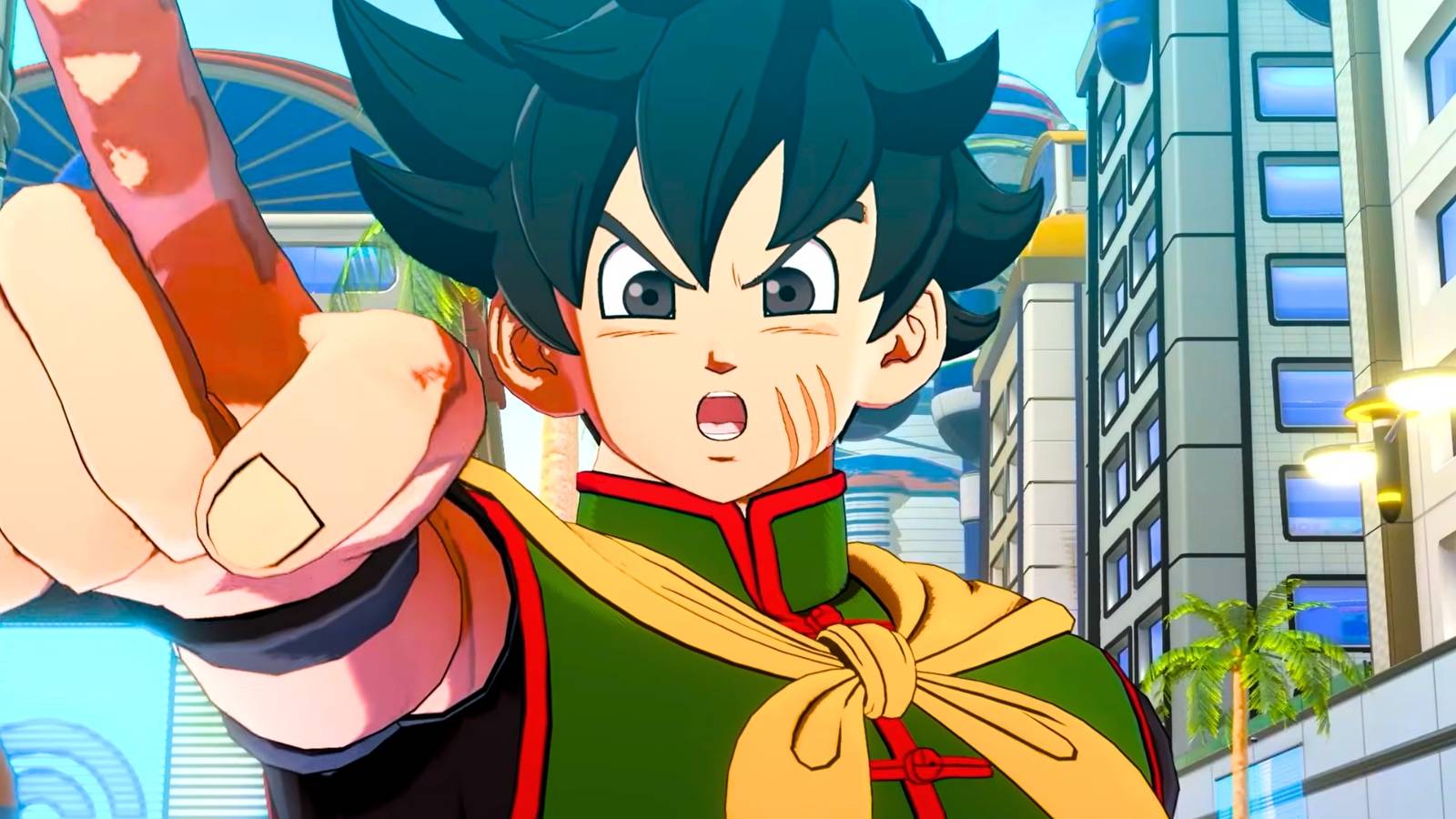
Xenoverse 3 pivots away from this nostalgia-heavy loop. The game is set in Age 1000—a future era meticulously crafted by the late Akira Toriyama before his passing. In this timeline, the legendary heroes of the Z-Fighters are long gone, leaving a power vacuum in the universe. The player is no longer just an observer or a cleaner of history; they are the primary protagonist in an era that needs new legends to fill the void. This narrative shift moves the series from a retrospective anthology to an original expansion of the Dragon Ball universe, providing the developers with the creative freedom to introduce new stakes and consequences.
Character Creation: More Than Just Cosmetics
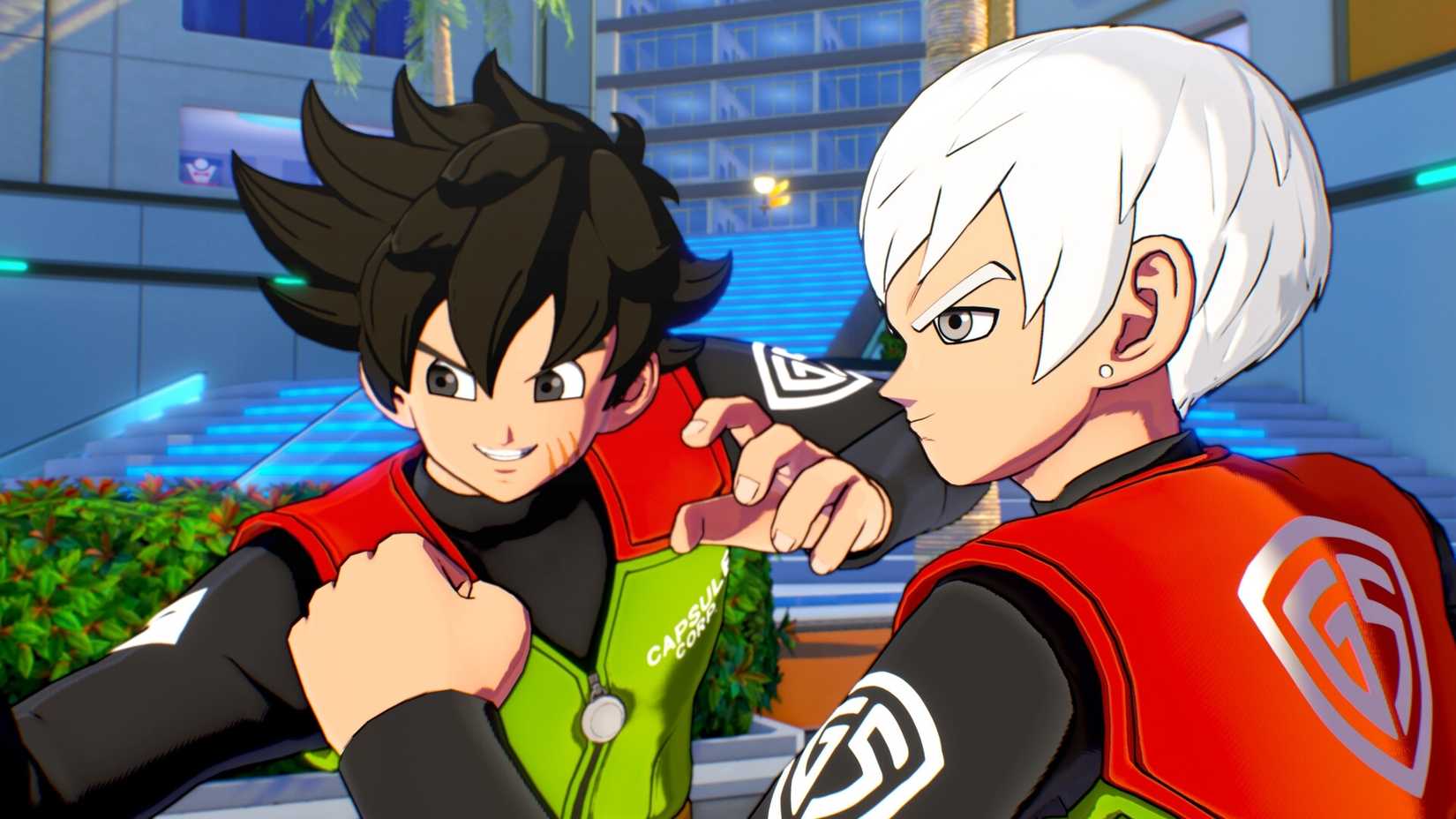
During the hands-on demonstration, it became clear that character customization is no longer a surface-level feature. The demo showcased two distinct builds: Sen, an Earthling, and Age, a Saiyan. While these are just two of the expected races, the UI made it immediately apparent that race is now a defining mechanical pillar.

Unlike previous titles where race differences felt marginal, Xenoverse 3 ties specific stat distributions directly to the chosen lineage. These choices ripple outward, affecting base abilities, growth potential, and the specific playstyle a user adopts while navigating the hub world of West City. The team emphasized that while they are keeping the full scope of race options under wraps, the goal is to make every player’s character feel mechanically unique from the moment they finalize their build.
West City: From Menu Hub to Living Ecosystem
Perhaps the most ambitious change is the overhaul of the hub world. In previous Xenoverse games, hubs served as little more than glorified, static lobbies—places to stand idle while waiting for matchmaking or to visit a shop.
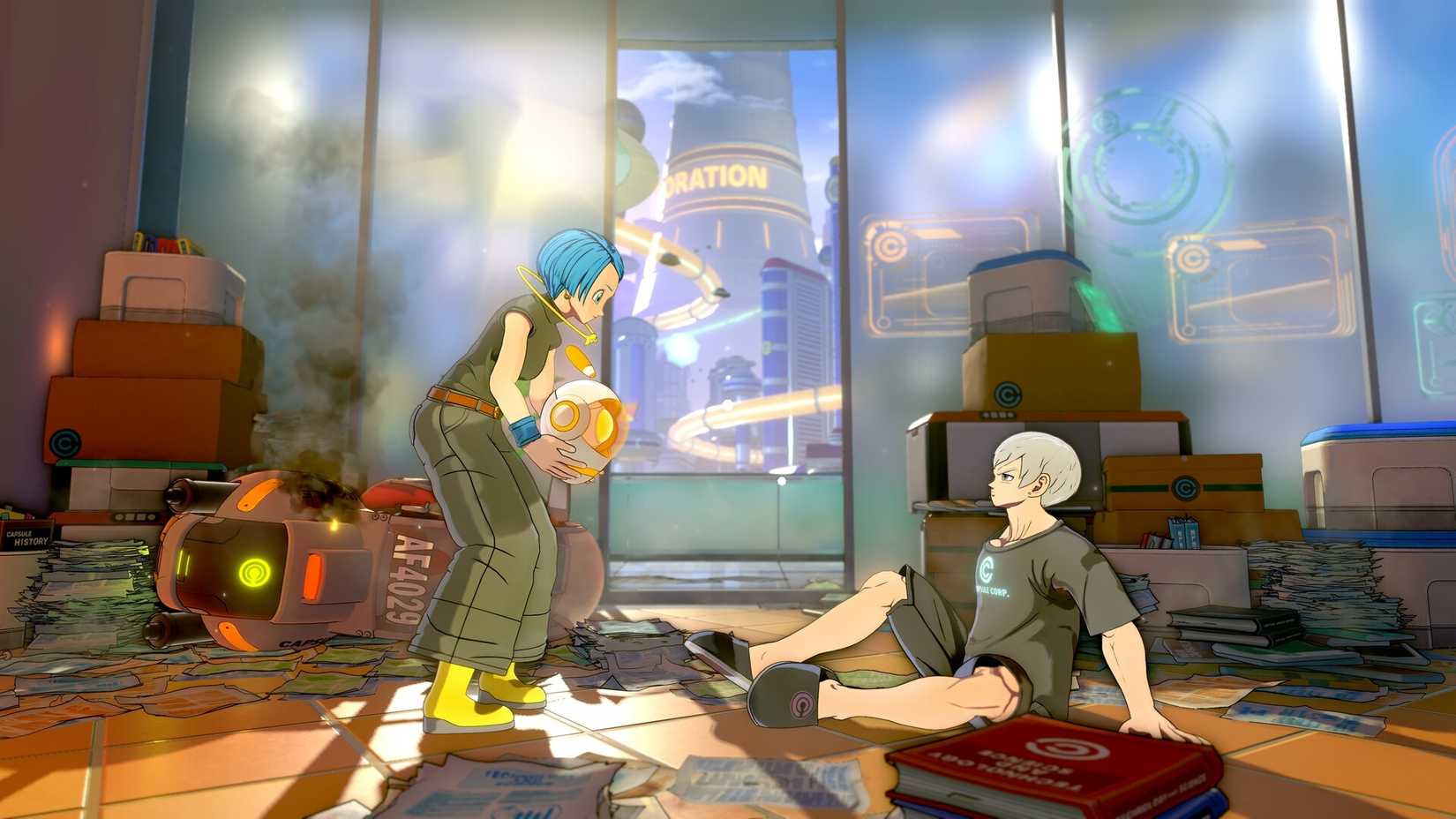
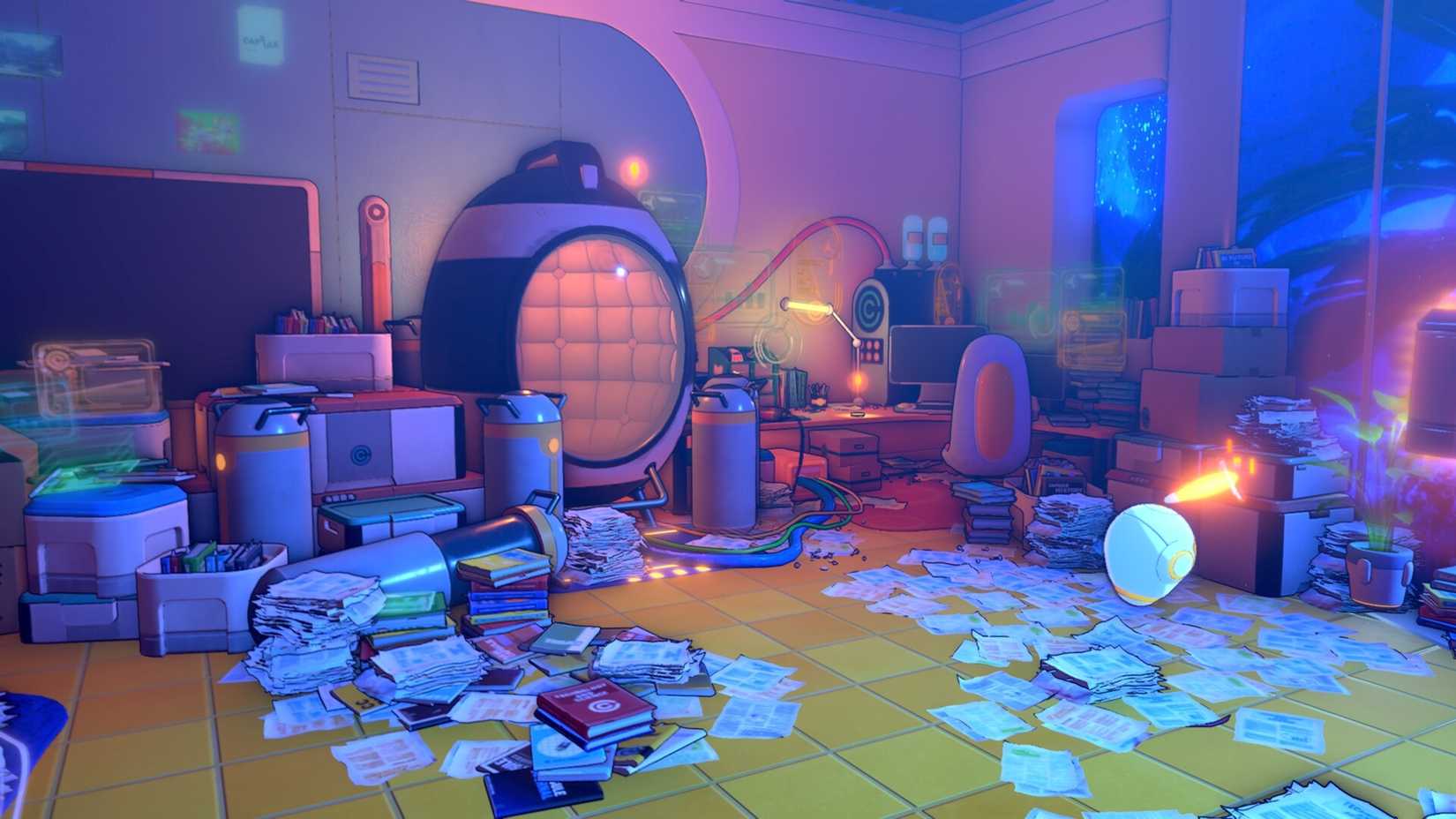
In Xenoverse 3, West City has been rebuilt as a dense, sprawling, and reactive environment. It functions as the emotional center of the game. During the demo, the developers illustrated how this space is meant to be "lived in." Players can customize their own apartments, managing the layout and even tidying up to reflect their progress.
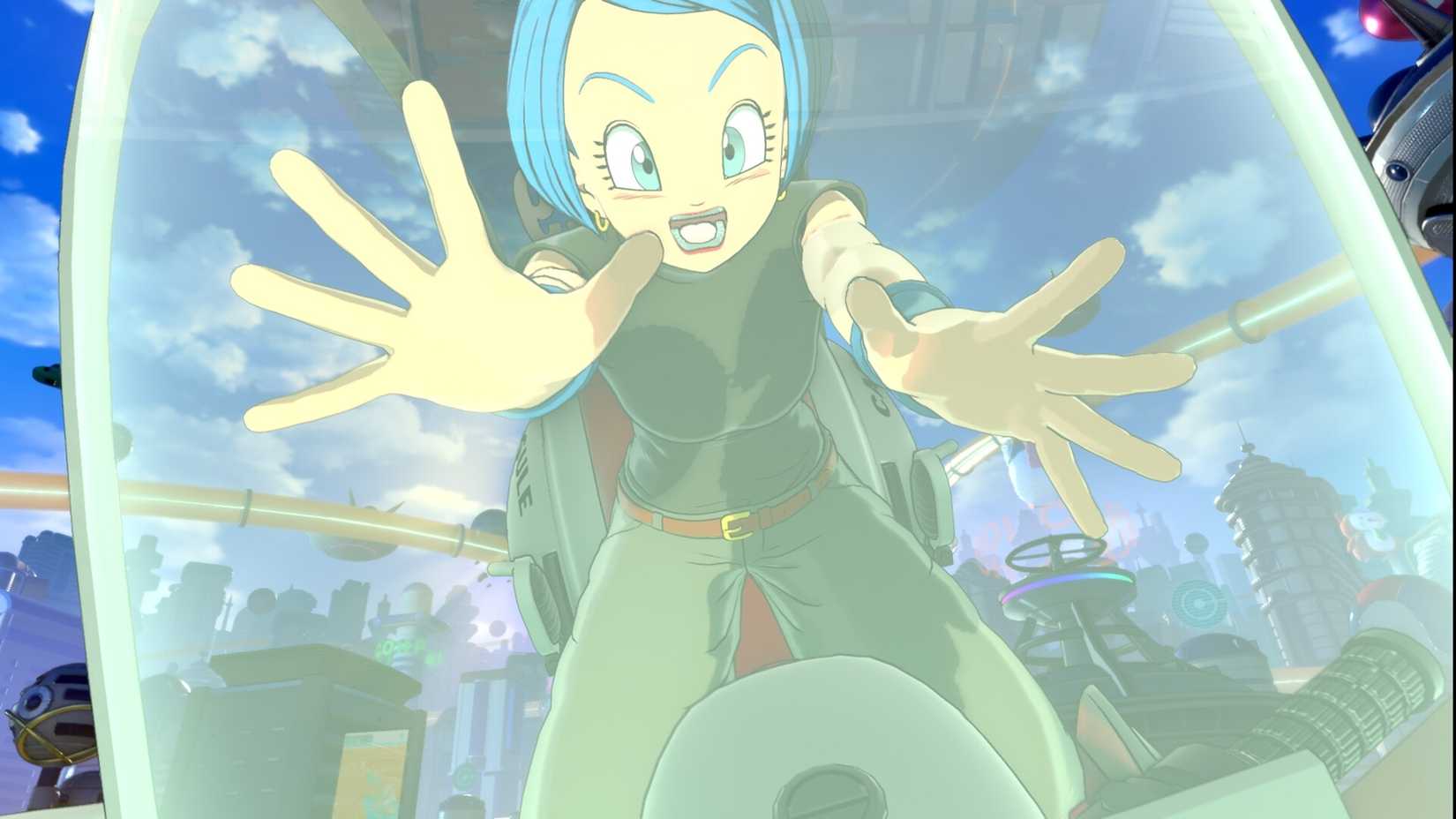
Crucially, the mission structure has been integrated into the world itself. Rather than navigating cold, disconnected menus to find the next fight, players encounter narrative beats and mission-givers—such as Gamma-1—directly within the streets of West City. Future Trunks’ presence as a neighborly figure hanging outside the apartment complex serves as a constant reminder of the game’s temporal theme, transforming the hub from set dressing into a vital component of the game’s world-building.
The Tactical Revolution: Squad Combat and Synergy
For veterans of the series, the mission structure of Xenoverse 3—moving from the hub to a series of encounters culminating in a boss—will feel familiar. However, the moment-to-moment combat has undergone a significant tactical evolution, particularly regarding squad dynamics.
In previous iterations, companions were largely autonomous and often felt like visual clutter. In Xenoverse 3, the three-person squad acts as a cohesive unit. During a high-stakes boss battle against Broly, the importance of these team dynamics was put to the test. The demo showcased:
- Active Revivals: Downed teammates require manual intervention rather than respawning, forcing players to manage their positioning.
- Defensive Synergy: A squad member’s ability to deploy a physical energy barrier can shield the entire team from heavy ki-blast barrages, allowing others to recover or reposition.
This shift transforms the squad from a "flavor" element into a strategic necessity. The fight against Broly demanded that the player treat their team as a resource, utilizing each member’s specific skillset to overcome overwhelming force.
Soul Switch: The Game-Changing Mechanic
The most innovative additions to the combat loop are undoubtedly "Soul Assist" and "Soul Switch." These mechanics effectively bridge the gap between custom characters and the established Dragon Ball pantheon.
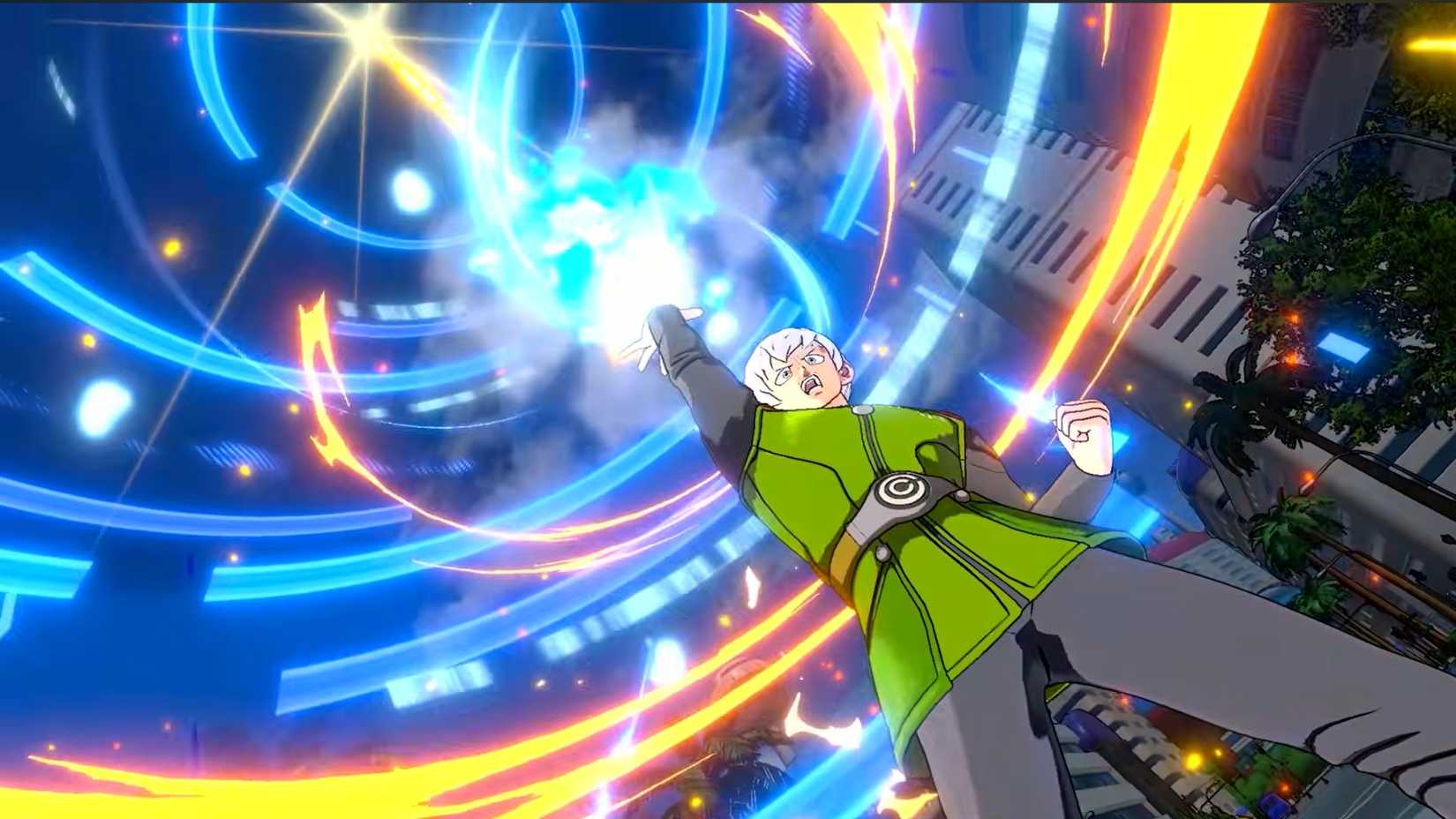
- Soul Assist: This allows the player to call upon a classic Dragon Ball character for a targeted guest attack. The demo featured Vegeta executing a devastating Galick Gun on command, providing a high-impact way to break an opponent’s defense.
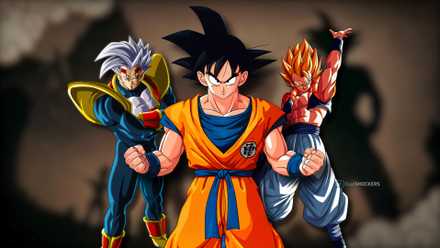
- Soul Switch: This is the showstopper. It allows the player to temporarily morph their custom character into a legendary fighter—such as Future Trunks—borrowing their entire moveset, ultimate attacks, and combat style.
The genius of Soul Switch lies in its resource management. The transformation consumes a meter that, when empty, reverts the player to their base form. Crucially, activating the switch refills the player’s attack meter, creating a high-risk, high-reward decision-making process. Players must decide if it is better to "switch" to survive a flurry of incoming damage or to save the meter for an opening to maximize offensive output. It effectively allows players to embody the legends they grew up with without sacrificing the identity of their original character.
Combat Refinement and The "Key" System
Under the hood, Xenoverse 3 maintains the traditional Dragon Ball fighting DNA: high-speed flight, intricate combos, and screen-filling energy blasts. However, the underlying systems have been tightened.
The introduction of the "Key" system adds a new layer to offensive pressure. By breaking an opponent’s key, the player opens them up for massive, combo-ending damage. Conversely, losing one’s own key forces a defensive retreat. Perfect Guard timing, which rewards precise blocking by recharging the key, ensures that even the defensive side of combat feels active and rewarding.
Super attacks are also more specialized. The demo emphasized that players must select the right loadout for the right encounter. For instance, the "Super Kamehameha" shown was clearly tuned for area-of-effect damage, intended to clear swarms or end long boss fights, rather than being a "catch-all" solution. The progression path for these abilities—such as a Saiyan’s ability to progress through Super Saiyan tiers mid-battle compared to an Earthling’s utility-focused support abilities—adds a layer of RPG depth that was previously missing.
Implications: A Decade of Patience
Dimps is playing a long game. The decade-long support for Xenoverse 2 created a unique relationship between the developer and the community—a level of loyalty that is rarely seen in the fast-paced world of annual sports or fighting game releases.
Xenoverse 3 appears to be a direct response to that loyalty. It is not trying to reinvent the Dragon Ball genre from scratch; rather, it is refining the formula that millions of players have spent years mastering. By introducing mechanical depth, a living world, and systems like Soul Switch, the developers are betting that the Xenoverse community is ready for a more sophisticated, tactical experience.
While the demo was a tightly controlled slice and the visuals were not yet finalized, the ambition on display is undeniable. The transition to Age 1000 and the focus on "filling the gap" left by the original heroes suggests that Dimps is not just looking back at what made the series successful, but looking forward to how it can evolve. Whether this new direction will satisfy the decade-long anticipation remains to be seen, but for the first time in years, the future of Dragon Ball gaming feels like it is moving toward a bold, new frontier.


 Asro
Asro
 Muslim