Ali Ikhwan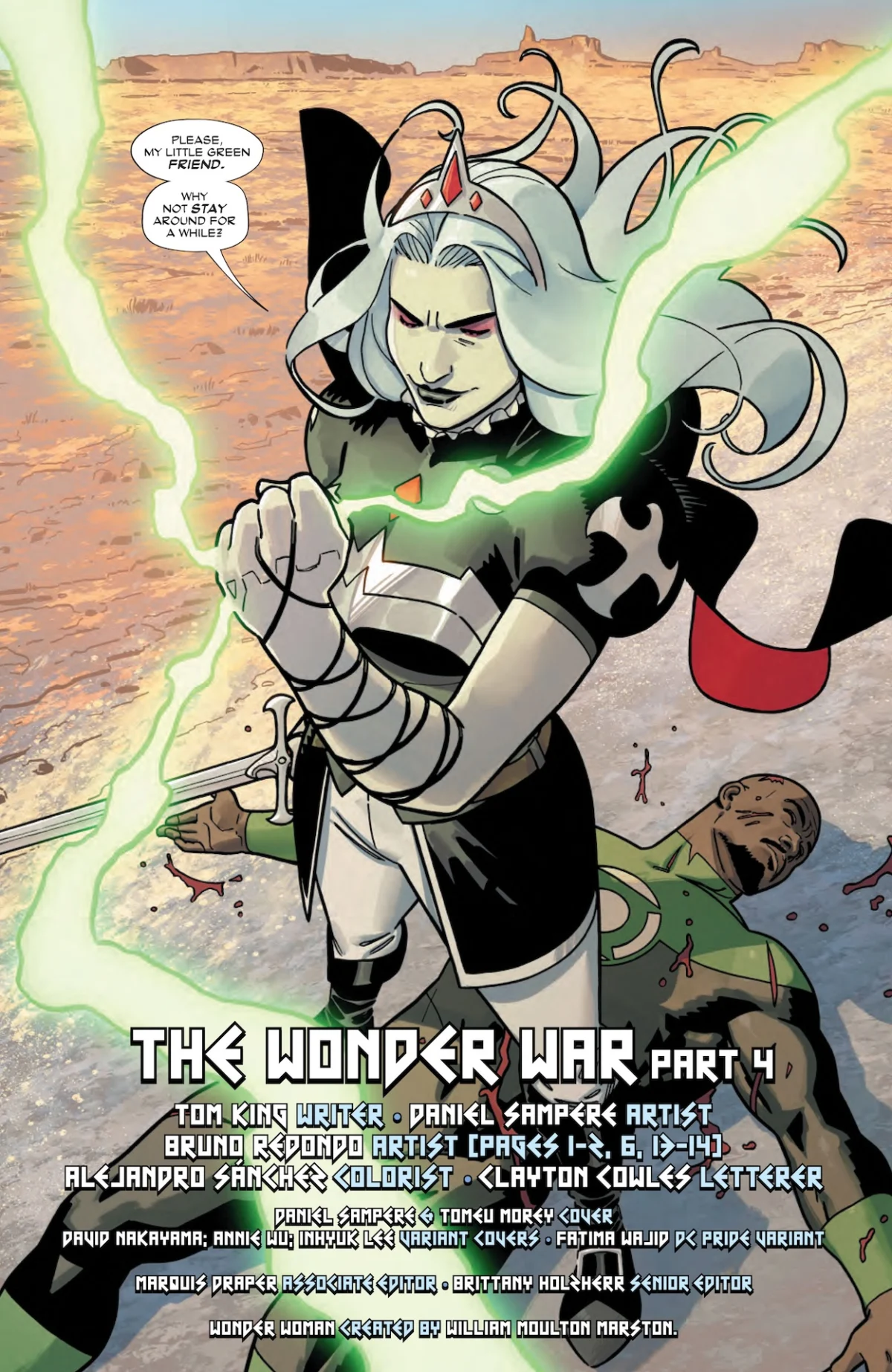
The landscape of the DC Universe has been irrevocably altered by the “Wonder War,” a sprawling conflict that has pushed Diana of Themyscira to her absolute limits. In the recently released Wonder Woman #34, writer Tom King and artists Daniel Sampere and Bruno Redondo deliver a high-stakes chapter that functions as both a visual spectacle and a narrative conundrum. As the dust settles on this latest installment, fans are left grappling with a story that achieves breathtaking highs while simultaneously stumbling into frustratingly opaque territory.
Main Facts: The Clash of Titans
Wonder Woman #34 is, at its core, a clash of ideology and raw power. The central conflict of the issue is the long-awaited confrontation between Wonder Woman and the Matriarch. This battle is framed not merely as a physical fight, but as a struggle for the soul and fate of the Earth itself.
The issue wastes little time on pleasantries. Within just a few pages, the two titans are locked in a visceral, high-octane duel. For readers who have been following the “Wonder War” arc, this encounter represents the climax of months of narrative tension. However, the pacing—specifically the rapid-fire nature of the initial conflict—has become a significant point of contention. Where some readers appreciate the urgency of the storytelling, others feel that the gravity of the "fate of the world" was undercut by how quickly the initial engagement shifted.

Chronology: Unpacking the Matriarch’s Brutal Rise
The issue makes effective, albeit jarring, use of non-linear storytelling to flesh out the Matriarch’s terrifying capabilities. Through a series of flashbacks, we learn the harrowing circumstances surrounding her acquisition of a Green Lantern power ring.
The sequence is undeniably brutal. The narrative reveals that the Matriarch did not simply stumble upon the artifact; she orchestrated the death of John Stewart, one of the most stalwart members of the Green Lantern Corps. By sheer force of will, she subverted the ring’s programming, turning it into a tool of her own design. The subsequent arrival of the Guardians of Oa—typically portrayed as nearly omnipotent figures—only serves to highlight the Matriarch’s threat level. Their defeat at her hands is swift, sadistic, and serves as a chilling testament to the power gap currently existing in the Wonder War landscape.
Supporting Data: Artistic Dissonance and Narrative Weight
The visual presentation of Wonder Woman #34 is a complex affair, relying on the collaboration of two distinct artistic voices: series mainstay Daniel Sampere and guest artist Bruno Redondo.
The Sampere-Redondo Dynamic
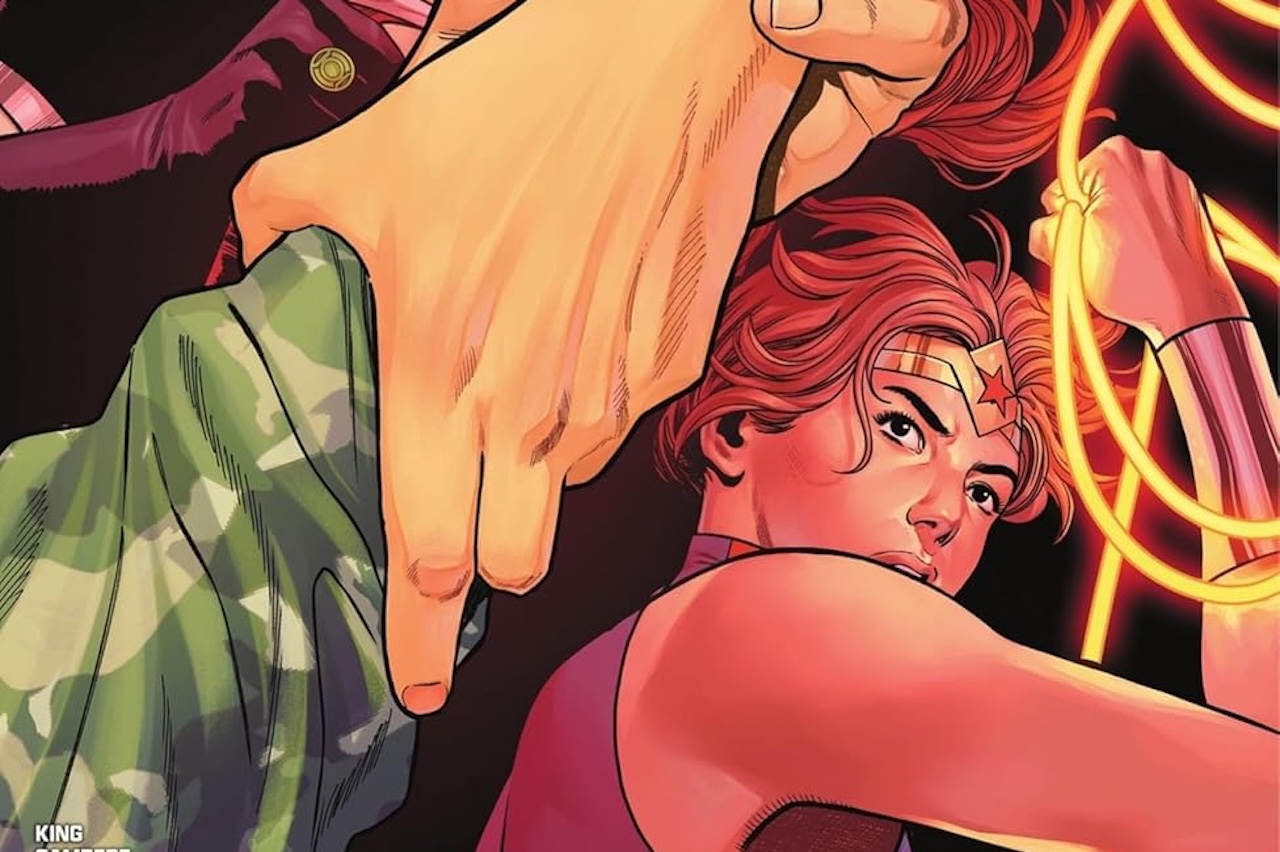
Daniel Sampere continues to prove why he is the definitive artist for this run. His ability to convey the "weight" of a fight is unparalleled. In one particular panel, Wonder Woman delivers a strike to the Matriarch that is rendered with such visceral intensity that it arguably stands as one of the most impactful illustrations in recent DC history. The pain, the kinetic energy, and the sheer physical toll are palpable, grounding the fantastical battle in a reality that demands the reader’s full attention.
However, the inclusion of Bruno Redondo for the flashback sequences creates an interesting, if occasionally distracting, stylistic contrast. Redondo’s work is undeniably master-class, yet his slightly more cartoonish, fluid aesthetic clashes with the heavier, more grounded, and highly detailed style of Sampere. While neither artist delivers a sub-par page, the tonal shift between the past and the present is noticeable, occasionally pulling the reader out of the immersion of the war.
The Philosophy of Myth
One of the issue’s strongest narrative anchors is the role of the Three Fates. Serving as the story’s narrators, the Fates engage in a profound, albeit brief, discussion on the nature of myth. By appearing as women in different stages of life—the maiden, the mother, and the crone—they offer three distinct interpretations of what a hero represents. Crucially, the comic demonstrates that Diana sits at the intersection of all three, effectively cementing her status as the definitive archetype of a hero in a world that has seen the ranks of the Justice League thinned out.

Official Responses and Fan Reception
The ending of Wonder Woman #34 has proven to be the most divisive element of the entire run to date. Without delving into spoilers, the conclusion is ambiguous—a choice that has already ignited intense debate across social media platforms and forum communities.
The editorial and creative team have opted for a "to be continued" approach that prioritizes long-term mystery over immediate resolution. While some critics argue that the ending feels incomplete or anticlimactic given the buildup of the Wonder War, others suggest that it serves as a necessary bridge to the next act. For the vocal contingent of fans, the Reddit threads are currently operating at a heightened state of alert, with many expressing that the ambiguity is more frustrating than rewarding. However, the core of the criticism remains focused on the "in-a-vacuum" experience of this specific issue, which leaves several major plot threads dangling without sufficient emotional payoff.
Implications for the Future of the DC Universe
The implications of this issue extend far beyond the immediate battle. By effectively removing many of the traditional "big guns" of the DC Universe—Batman, Superman, and others—from the board, Tom King is forcing the reader to view Diana through a more isolated, yet more powerful lens.

The Weight of the Wonder War
The "Wonder War" is not just a skirmish; it is a fundamental shift in the power hierarchy of the DC landscape. If the Matriarch can defeat a Green Lantern and withstand the forces of Oa, the question remains: who, if anyone, is left to stop her?
The narrative choice to have the Three Fates describe the current events as "ancient history" suggests that this war is a fixed point in time. It creates an unsettling atmosphere where the reader feels as though they are reading a tragedy that has already been written. While this adds a layer of mythic grandeur to the proceedings, it also risks creating a sense of detachment. If the outcome is already fated, do the choices made by the characters in the heat of battle truly hold weight?
A Path Forward
Despite the frustration surrounding the issue’s conclusion, Wonder Woman #34 succeeds in one critical area: it maintains high reader interest. The promise of the upcoming installments, combined with the sheer visual quality provided by Sampere, ensures that the audience remains tethered to the series.

The "To be continued" tag at the end of the issue is a promise of more meat on the bone. The series has consistently posed interesting questions about the nature of power, the necessity of conflict, and the burdens of heroism. While issue #34 may have left some readers feeling that they were handed a puzzle with missing pieces, it is a testament to the quality of the series that those same readers are still eager to see how the final image is completed.
Final Analysis
Wonder Woman #34 is a paradoxical comic. It is a work of high art that occasionally trips over its own narrative ambition. The action is top-tier, the characterization of Diana remains poignant, and the exploration of myth is intellectually stimulating. Yet, the clash of art styles and the decision to lean into an ambiguous, potentially underwhelming finale creates a friction that cannot be ignored.
As the Wonder War continues, the creative team faces the challenge of reconciling these disparate elements. If the next issue can provide the clarity that this one lacked, Wonder Woman #34 may eventually be remembered as a necessary, if difficult, chapter in a larger, masterful story. For now, it stands as a reminder that even in the world of gods and monsters, the most difficult battles are often the ones fought with the expectations of the audience.

For fans of Diana, the wait for the next issue will be long, but the intrigue—and the frustration—will surely persist until the final word of the Wonder War is written.

 Sagoh
Sagoh
 Ammar Sabilarrohman