Raul Delapena Setiawan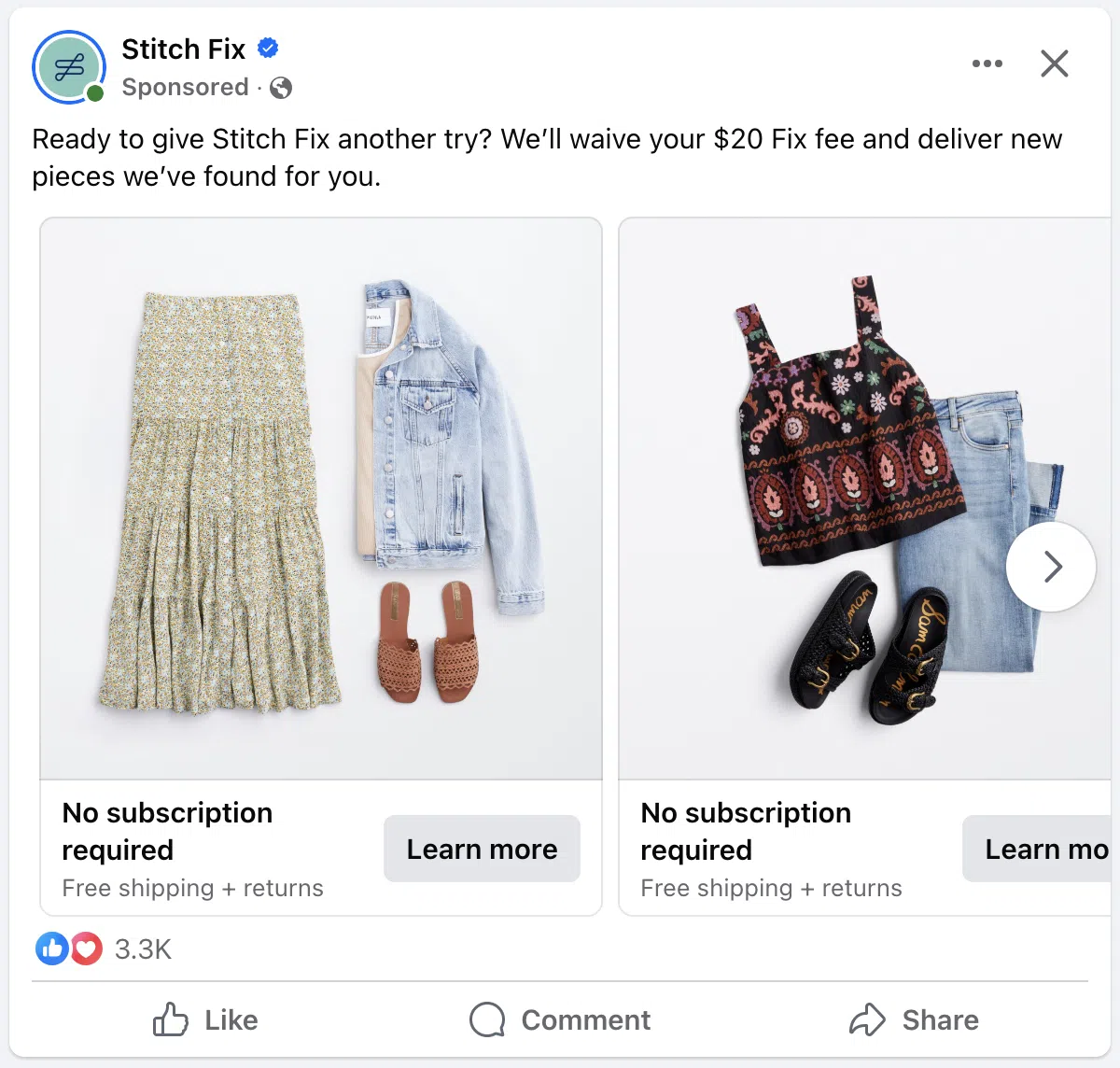
In the rapidly evolving landscape of digital marketing, the debate between organic and paid social media has shifted from an "either-or" ultimatum to a nuanced discussion about strategic integration. As social media platforms continue to mature, the divide between content that builds community and content that drives conversion has become increasingly porous. To succeed in 2026, brands must stop treating these as siloed channels and start viewing them as two halves of a singular, symbiotic engine.
The Foundations: Defining the Digital Ecosystem
At its core, organic social media represents the free content—Reels, Stories, TikToks, and community-driven updates—that a brand publishes to foster genuine connections. It is the digital equivalent of a brand’s personality. It is where values are communicated, where voice is established, and where long-term trust is nurtured.
Conversely, paid social media encompasses all promotional efforts where capital is exchanged for reach. This includes boosted posts, sponsored influencer partnerships, and highly targeted feed advertisements. While organic reach is at the mercy of shifting algorithms, paid reach is bought directly, allowing marketers to control their audience, frequency, and placement with surgical precision.
The Current Market Landscape
Data from industry projections indicates that social media ad spending is expected to grow by 15.6% in 2026, reaching a staggering $124.88 billion. This influx of capital creates a "noisy" environment, making organic engagement more difficult to achieve, yet more valuable when attained. Because users are being bombarded by advertisements, the authenticity of organic content acts as a necessary counterweight to prevent "ad fatigue."
Chronology of Strategy: How to Build a Hybrid Model
Successful marketing teams follow a distinct chronological process when managing their social media presence. By aligning content lifecycles with the strengths of both paid and organic channels, brands can maximize their return on investment (ROI).
Phase 1: The Organic Testing Ground
Before committing budget, use organic channels as a sandbox. By posting consistently, you gather data on what resonates with your audience. Does your audience prefer short-form video over static carousels? Do they engage more with behind-the-scenes content or educational "how-to" guides? Organic posting is the lowest-risk way to identify high-performing themes and hooks.

Phase 2: The Paid Acceleration
Once a piece of organic content proves its worth through natural engagement, it becomes a candidate for "boosting." By applying a paid budget to a proven organic winner, you aren’t guessing—you are doubling down on success. This tactic reduces the risk of ad failure because the creative has already been validated by your existing community.
Phase 3: Long-term Community Nurturing
After an ad campaign has driven traffic and conversions, the goal shifts back to retention. Use organic content to welcome these new followers, engage them in conversations, and provide value that isn’t transactional. This cycle of acquisition (paid) and retention (organic) forms the bedrock of a sustainable digital strategy.
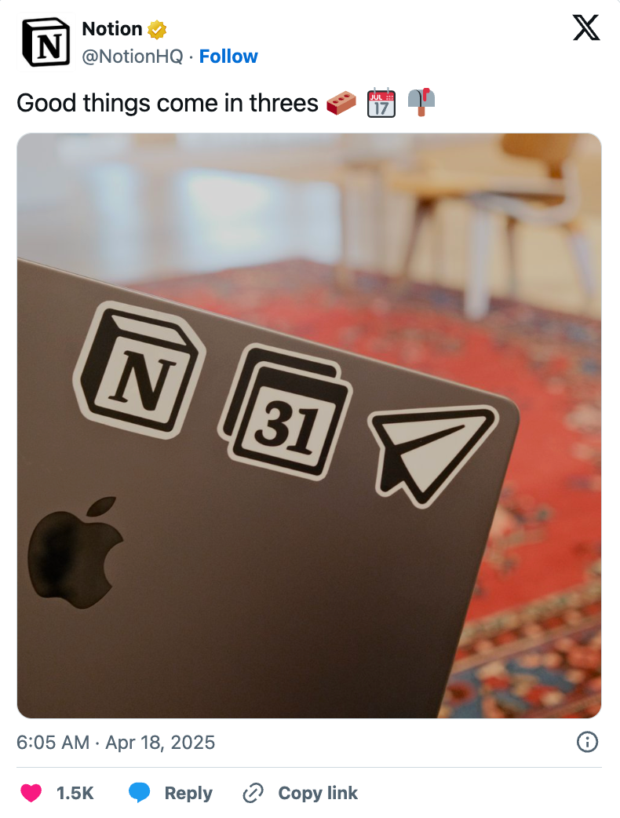
Supporting Data: Why the Hybrid Approach Wins
Industry experts agree that the most successful campaigns are those that blur the lines between paid and organic.
- Trust as a Currency: According to Peter Murphy Lewis, Fractional CMO at Strategic Pete, "Organic is where your voice, values, and vibe come through. It’s where your audience says, ‘I like how this brand thinks.’ It creates that layer of trust."
- The "Sticky" Factor: Brian Futral of The Marketing Heaven notes that while paid is easier to measure, organic creates "emotional residue." He argues that organic social isn’t just cheap—it’s "sticky." It keeps the brand top-of-mind long after the ad budget has been exhausted.
- Precision Targeting: Shanté Gorman, Founder of Sugarpunch Marketing, highlights the necessity of paid targeting, noting that the ability to reach specific demographics—such as "35-year-old dog owners in Seattle who like camping"—is an essential tool for avoiding wasted spend.
Expert Perspectives: Balancing the Scales
The tension between organic and paid is often characterized by the trade-off between speed and depth.
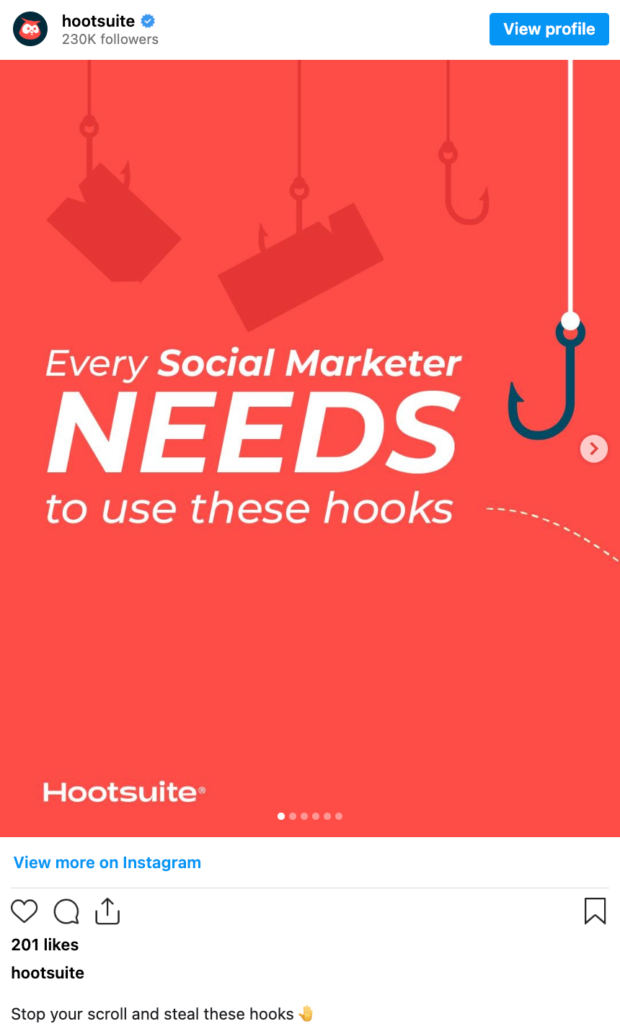
The Case for Organic
Organic social media is the slow-burn approach. It is a grind that requires consistency and patience. However, the payoff is significant: brand advocacy. When a customer interacts with your organic content, they are participating in a relationship, not just a transaction. This leads to higher lifetime value (LTV) and organic word-of-mouth growth.
The Case for Paid
Paid social media provides the "fuel" for the fire. It is essential for short-term goals, such as product launches, flash sales, or breaking into new markets. It provides immediate, measurable feedback loops (CPC, CPM, CTR) that allow for rapid optimization.

Implications for Modern Marketing Teams
The primary implication of this dual-strategy is a change in organizational structure. Marketing teams can no longer afford to have a "Social Media Team" that is separate from a "Performance Marketing Team."
Integrating Workflows
When organic and paid operations are siloed, data is lost. By utilizing unified management platforms like Hootsuite, teams can manage their content calendar and ad campaigns from a single dashboard. This integration allows for:
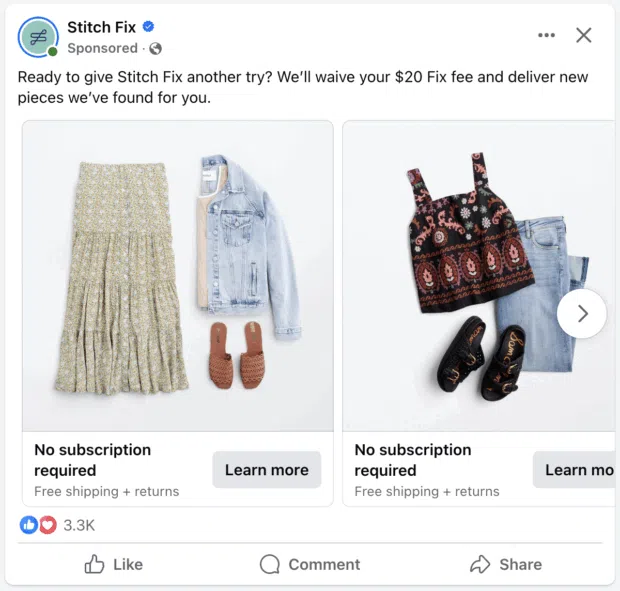
- Side-by-Side Analytics: Seeing how an organic post’s engagement metrics correlate with the performance of a paid ad.
- Cross-Channel Consistency: Ensuring that the brand voice remains coherent across both free and paid touchpoints.
- Automated Optimization: Utilizing tools that automatically boost posts when they hit specific engagement milestones, ensuring no high-potential content goes under-promoted.
Overcoming Ad Fatigue
The biggest challenge for any brand today is ad fatigue. As users become more savvy, they develop "banner blindness" toward sponsored content. The most effective way to combat this is to ensure your ads don’t look like ads. By using user-generated content (UGC) or native-style organic content as your ad creative, you lower the barrier to entry for the user.
Strategic Takeaways for the Future
To navigate the remainder of 2026 and beyond, businesses must adopt a mindset of "integrated agility."
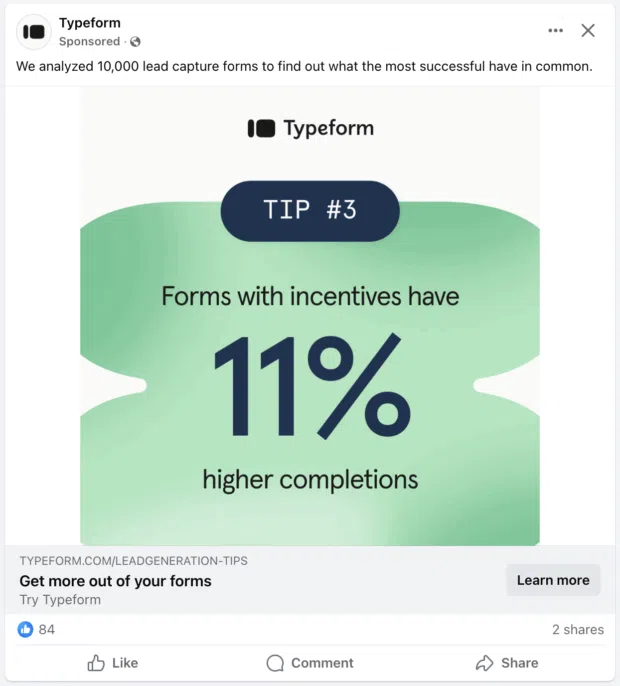
- Audit Your Goals: Are you looking for immediate conversions? Lean into paid. Are you trying to humanize your brand and build a community of advocates? Prioritize organic.
- Use Data to Inform Spend: Never pay to promote content that hasn’t already been vetted by your audience organically.
- Measure Holistically: Do not just measure the ROI of a single ad; measure the increase in brand sentiment and organic follower growth that accompanies your paid campaigns.
Ultimately, the goal is to create a seamless experience for the consumer. They should not be able to tell where your "ad" ends and your "content" begins. When a brand achieves this, they aren’t just buying space in a feed; they are earning a place in the customer’s life.
By leveraging the reach of paid media to amplify the trust earned through organic media, businesses can ensure that their marketing efforts are not just seen, but felt. This is the hallmark of the modern digital enterprise: a cohesive, data-backed, and human-centric approach that turns every social interaction into a growth opportunity.

 Ali Ikhwan