Nila Kartika Wati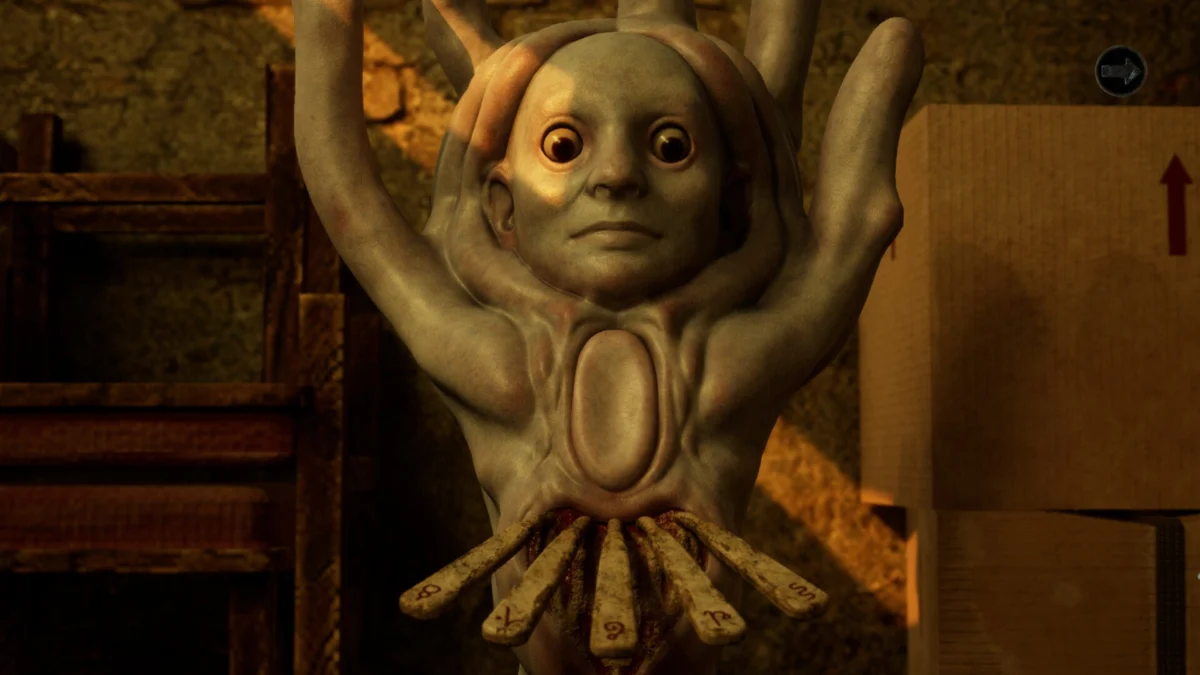
In the vast, often predictable landscape of modern indie gaming, few titles manage to capture the elusive "cursed artifact" aesthetic quite like Something Beautiful. Developed by the multidisciplinary artist and musician Murlo, the game presents itself not merely as a piece of software, but as a digital fever dream—a point-and-click adventure that feels less like a product of the 2020s and more like a mysterious, long-lost CD-ROM unearthed from the depths of a forgotten storage unit.
With its fleshy, anthropomorphic puzzles and an atmosphere steeped in industrial decay, Something Beautiful defies traditional genre categorization. It is a synthesis of sonic experimentation and visual dread, promising an experience that is as intellectually challenging as it is visually repulsive.
Main Facts: A Descent into the Fleshy Unknown
At its core, Something Beautiful is a "music-driven" point-and-click adventure. However, to describe it in such mechanical terms is to ignore the visceral reality of its presentation. The game places players in the shoes of an unassuming protagonist who wakes up within a "socially fractured industrial estate."
The setting is characterized by a haunting, liminal familiarity. While the player character appears to be a "regular-looking guy," the world they inhabit is populated by entities that defy biological logic. These humanoid creatures—often described as appearing like "God’s initial attempt at making us"—serve as the primary obstacles. They are not merely NPCs; they are the puzzles themselves.
Key features identified in early previews and the game’s nascent Steam presence include:
- Integrated Discography: The game environment serves as a vessel for Murlo’s musical catalog, with books and environmental storytelling directly referencing his previous auditory works.
- Flesh-Based Puzzles: Mechanics involve rhythmic interaction with organic matter, such as stamping down glowing protrusions on humanoid limbs or engaging with "Flesh Disk" jukeboxes.
- Surrealist Narrative: The game lacks a traditional exposition, favoring a Lynchian approach where the environment tells a story of alienation and industrial rot.
Chronology: From Sonic Landscapes to Digital Realities
The transition of Murlo—a musician celebrated for his unique brand of "alien bar lounge" and nostalgic PS1-era electronic sounds—into the realm of game development is a significant trajectory in the indie scene.
The Genesis
For years, Murlo has been a prominent figure in electronic music, known for building immersive worlds around his albums. Something Beautiful represents the logical, albeit extreme, conclusion of this world-building. Rather than simply releasing a visualizer or a music video, Murlo has chosen the interactive medium to bridge the gap between his discography and his audience.
The Reveal
The announcement of the project caught the gaming community off-guard in 2026. With a trailer that emphasized disorienting, low-poly aesthetics and body-horror elements, the game immediately drew comparisons to classic "weird" adventure games of the late 90s, such as LSD: Dream Emulator or the more disturbing corners of the Myst series.
The Current State
As of late 2024 and early 2025, Something Beautiful remains in an active state of development. There is no official release date, a choice that aligns with the game’s enigmatic marketing strategy. The developers have opted to keep concrete details scarce, preferring to let the unsettling visuals and the promise of an "embedded album" speak for themselves.
Supporting Data: The Convergence of Audio and Play
To understand the weight of Something Beautiful, one must look at the synergy between its sound design and its mechanics. In most games, music is a backdrop. In Murlo’s vision, music is the engine.
The Mechanics of "Flesh Disks"
The puzzles are fundamentally musical. In one sequence, players must interact with a humanoid creature to trigger a rhythmic sequence, effectively turning the act of puzzle-solving into a collaborative performance between the player and the game’s unsettling denizens.
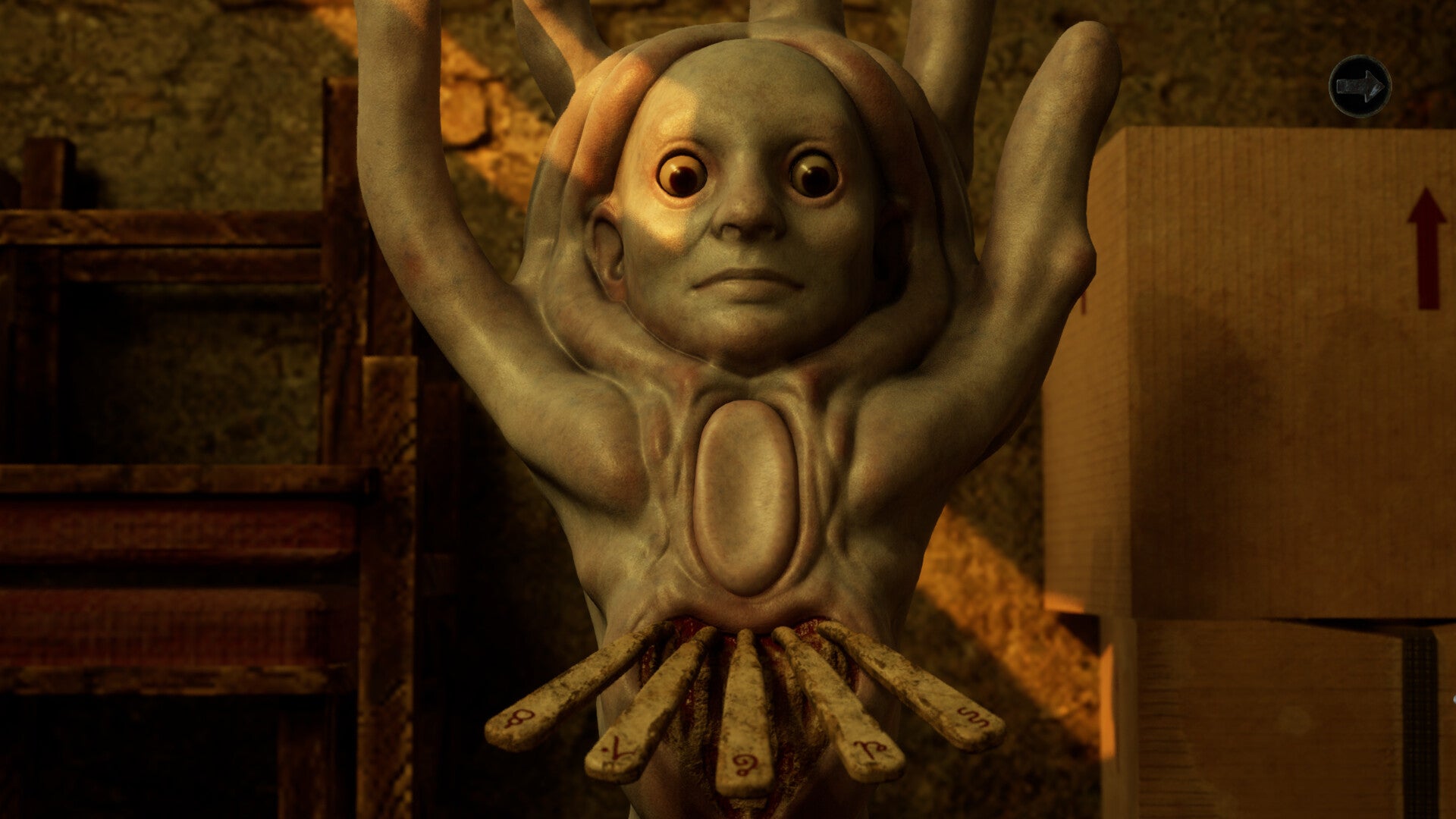
The integration of "Flesh Disk" jukeboxes suggests that the soundtrack is not just a loop, but an object within the game world. Players must physically navigate the space to "find" the music. This creates a tactile relationship with the audio, where the player is not just listening, but participating in the creation of the soundscape.
Visual Design Philosophy
The aesthetic choice of "fleshy" geometry is a deliberate departure from the hyper-realism of modern AAA titles. By utilizing a low-fidelity, potentially "cursed" visual language, the game invokes a sense of nostalgia for a past that never existed. This is a common trope in "New Weird" digital art, where the limitations of early 3D engines are used to create a sense of uncanny valley horror.
Official Responses and Creator Vision
While Murlo has been sparing with interviews, the messaging surrounding the game emphasizes a desire for total immersion. The project is described as an interactive exploration of the "fractured" nature of society, mirrored through the lens of industrial alienation.
In discussions surrounding the project, it has been noted that the game is intended to be "disorienting." This is not a failure of design, but a primary objective. Murlo’s approach is to provide the player with the tools to navigate the world without providing a roadmap, forcing the player to confront the "beauty" within the horror.
The lack of concrete details on the Steam page is widely viewed by fans as a tactical move. In an era where trailers often spoil the entire narrative of a game, Something Beautiful maintains a "black box" marketing strategy—keeping the player in the dark so that the eventual discovery of its mechanics and lore feels earned and, perhaps, slightly intrusive.
Implications: A New Wave of Auteur Gaming?
Something Beautiful sits at the intersection of several growing trends in the video game industry.
The Rise of the "Auteur" Indie
The project is a testament to the power of the individual creator. As game development tools become more accessible, musicians, painters, and writers are increasingly bypassing traditional studio structures to create highly personal, niche experiences. Something Beautiful is not designed for the mass market; it is designed for those who appreciate the specific, weird sensibilities of its creator.
The Return of the "Cursed" Aesthetic
There is a growing subculture of gamers who seek out "hauntological" media—games that feel as though they were salvaged from the scrap heap of the 1990s. This aesthetic movement, often associated with the rise of indie horror, uses low-poly graphics and glitch art to provoke a deep sense of unease. Something Beautiful is likely to become a benchmark for this style, proving that "ugliness" and "discomfort" are powerful tools for artistic expression.
The Future of Interactive Music
If Something Beautiful succeeds in its promise to embed an entire album within its gameplay, it could signal a shift in how music is distributed. If a game can successfully act as an "interactive album," we may see more artists following Murlo’s lead, turning the album release cycle into a game development project.
Conclusion: A Beauty in the Bizarre
Something Beautiful is a reminder that video games are a medium of infinite potential, capable of being far more than just "entertainment." It is a piece of art that demands the player sit with their discomfort, look at the fleshy, distorted figures, and find the rhythm within the rot.
Whether it will ultimately satisfy the curiosity of those who have wishlisted it remains to be seen. However, in its current state, it has already succeeded in its primary goal: it has captured the attention of a digital audience hungry for something that feels truly, deeply, and unnervingly different. As we await further news on a release date, the mystery of the "industrial estate" only deepens, ensuring that when we finally do step into that world, it will be an experience that lingers in the memory long after the screen fades to black.


 Asro
Asro
 Muslim