Raul Delapena Setiawan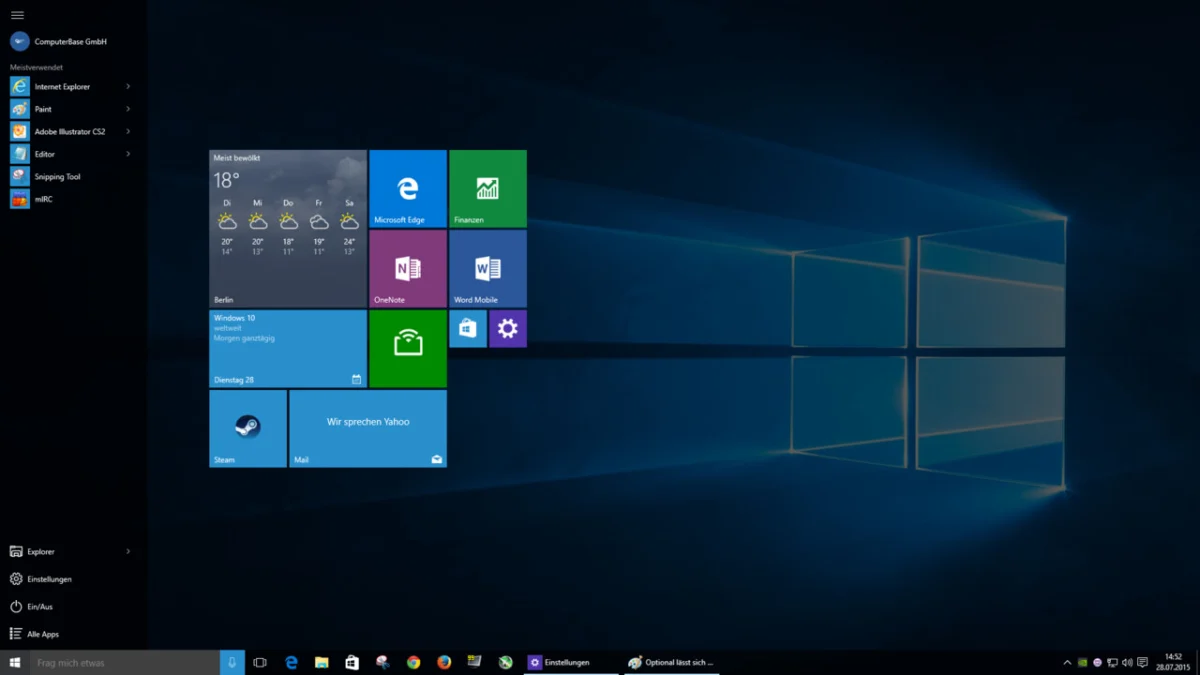
In a surprise development that will bring relief to millions of users worldwide, Microsoft has officially extended its Extended Security Updates (ESU) program for Windows 10. Originally slated to conclude in October 2026, the deadline for critical security patches has been moved to October 12, 2027. This decision marks a significant shift in Microsoft’s lifecycle management strategy, reflecting the enduring popularity of an operating system that continues to anchor a substantial portion of the global computing infrastructure nearly a decade after its initial release.
Main Facts: What the Extension Means for Users
The extension of the ESU program essentially grants Windows 10 users an additional twelve months of security coverage. For the average consumer, this means that the risk of leaving systems vulnerable to exploits, malware, and ransomware is mitigated for longer than previously anticipated.
For those already enrolled in the ESU program, the transition is seamless. Microsoft has confirmed that no additional action or payment is required to benefit from this extra year of support. The subscription will automatically roll over, providing peace of mind to users who have invested in the program to keep their older hardware secure. For new participants or those operating without a formal Microsoft account, the cost remains set at $30 USD—a relatively modest fee considering the critical nature of the updates provided.
It is important to note that the ESU program does not provide feature updates, performance enhancements, or UI changes. It is strictly a security-focused initiative, designed to patch vulnerabilities that could be exploited by bad actors. By continuing to provide these "Critical" and "Important" security updates, Microsoft is acknowledging the reality that millions of PCs are currently running hardware that may not be compatible with the stringent system requirements—specifically the TPM 2.0 and modern processor mandates—imposed by Windows 11.
A Chronology of the Windows 10 Lifecycle
To understand the gravity of this decision, one must look at the timeline of Windows 10’s trajectory:
- July 2015: Windows 10 is launched, heralded as the "last version of Windows" by some industry analysts, focusing on a "Windows as a Service" model.
- October 14, 2025: The date that marked the end of the "regular" support cycle. After this point, the standard free security updates for the general public ceased, forcing a critical choice between upgrading to Windows 11 or risking security exposure.
- 2025–2026: Recognizing the massive install base, Microsoft introduced the ESU program to individual consumers for the first time, breaking from its traditional enterprise-only policy.
- May 2026: Market data highlights that despite the end of regular support, Windows 10 maintained a global desktop market share of approximately 26%, proving that migration to Windows 11 was not occurring at the speed Microsoft initially anticipated.
- June 2026 (The Announcement): Microsoft confirms an additional year of ESU, pushing the final support date to October 12, 2027.
Supporting Data: The Persistence of Windows 10
The decision to extend support is not born of altruism, but of cold, hard data. According to metrics from Statcounter, Windows 11 has indeed captured the majority of the market, sitting at approximately 72% of the global desktop share as of mid-2026. However, a 26% share for an "end-of-life" operating system is an anomaly in the history of software.
This 26% represents hundreds of millions of active devices. These are not merely abandoned machines; they are workstations in small businesses, family computers, and legacy systems in educational and public sector environments. The "digital divide" created by Windows 11’s hardware requirements has left a significant portion of the user base in a precarious position. When a quarter of the global market is still utilizing a platform that is technically "unsupported," the risk of a widespread security incident becomes a systemic issue that even Microsoft cannot ignore.
The Enterprise Perspective: A Three-Year Roadmap
While the consumer extension is limited to one additional year, the situation for corporate and government entities is more structured and significantly more expensive. Microsoft has offered an even longer runway for these organizations, with support extending until October 2028.
However, this luxury comes with a steep "legacy tax." The pricing model for enterprise ESU is designed to incentivize migration rather than long-term maintenance. The costs double annually:
- Year 1: $61 USD per device.
- Year 2: $122 USD per device.
- Year 3: $244 USD per device.
This aggressive pricing structure forces IT departments to conduct a cost-benefit analysis. For many, the cost of the subscription will quickly surpass the cost of refreshing their hardware fleet. By the third year, the expense of supporting a single Windows 10 machine is high enough that it serves as a clear financial nudge toward Windows 11 or a transition to cloud-based desktop solutions.
Implications: Why This Matters for Security and Sustainability
The Security Dilemma
The primary implication of this extension is the reduction of the "attack surface" of the internet. If Microsoft had allowed Windows 10 support to vanish entirely, millions of users would have continued to use the OS without patches. This would have created a massive, unpatchable botnet potential, making the global digital landscape significantly more dangerous. By providing a pathway for security, even for a fee, Microsoft is protecting the broader ecosystem.
The Sustainability Argument
Beyond security, there is an environmental dimension. Forcing an upgrade to Windows 11 often necessitates the disposal of perfectly functional, albeit older, hardware. The "Windows 11 compatibility" requirement has been a point of contention for environmental groups and budget-conscious consumers alike. By extending the life of Windows 10, Microsoft is effectively delaying the forced retirement of millions of devices, which has a positive impact on e-waste reduction.
The "Windows 12" Factor
Speculation is already mounting regarding what happens after October 2027. With Windows 11 having been on the market for several years and rumors of a "Windows 12" (or a future iteration of the OS) looming on the horizon, this extension allows Microsoft to focus its development efforts on the next generation without the immediate pressure of an unpatched, massive legacy user base.
Official Responses and Industry Outlook
Microsoft has maintained a relatively low profile regarding the reasoning behind this specific extension, framing it within the context of supporting their customers’ "diverse needs." However, industry analysts suggest that the company’s hand was forced by the sluggish adoption of Windows 11 among enterprise users who prioritize stability over the newer, more resource-intensive features of the current OS.
For the user, the message is clear: You have gained another year, but the clock is still ticking. The $30 fee, while minor, serves as a reminder that the era of "free" indefinite support is a thing of the past. Users should use this 16-month window (until October 2027) to evaluate their hardware, consider potential upgrades, or explore alternatives such as Linux or transition-based cloud computing.
Ultimately, the extension of the Windows 10 ESU program is a pragmatic maneuver. It balances the need for security in an aging ecosystem with the commercial drive to move users toward newer software architectures. For the average person, it is a reprieve—a chance to keep their digital life secure while deciding on their next steps in an increasingly fast-paced technological world. As we approach the final 2027 deadline, the focus will undoubtedly shift toward how Microsoft plans to handle the final "Sunset" of the Windows 10 era once and for all.


 Sagoh
Sagoh
 Basiran