Dwi Wanna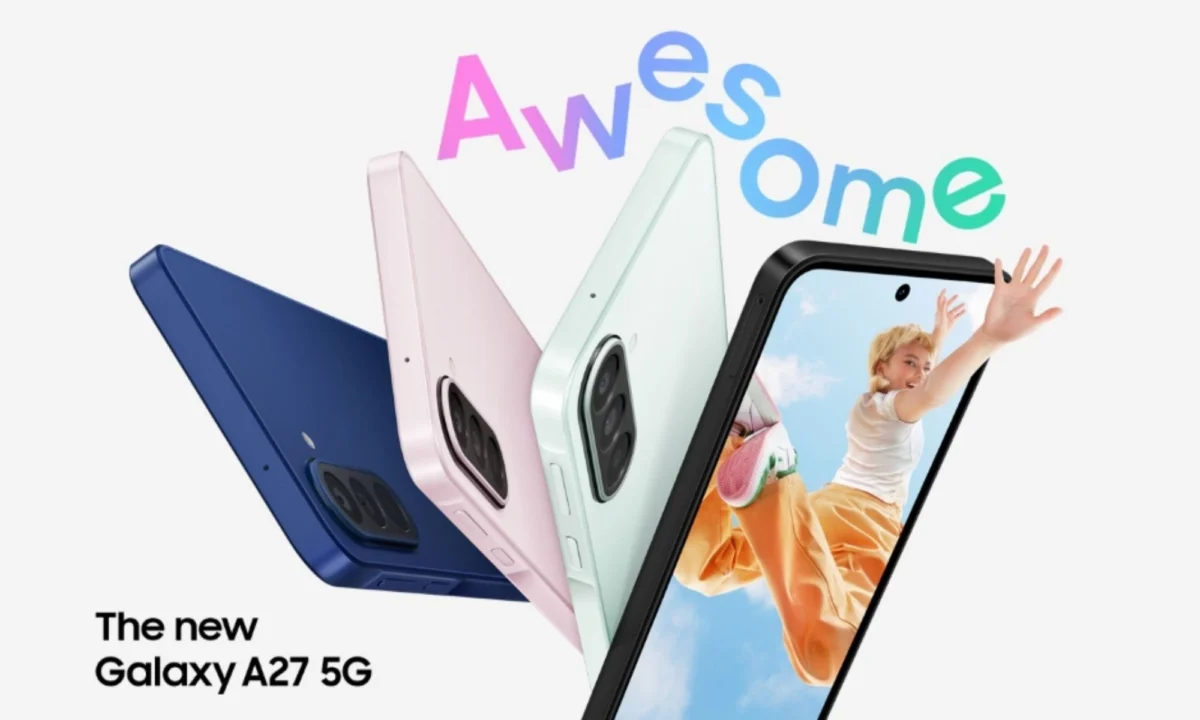
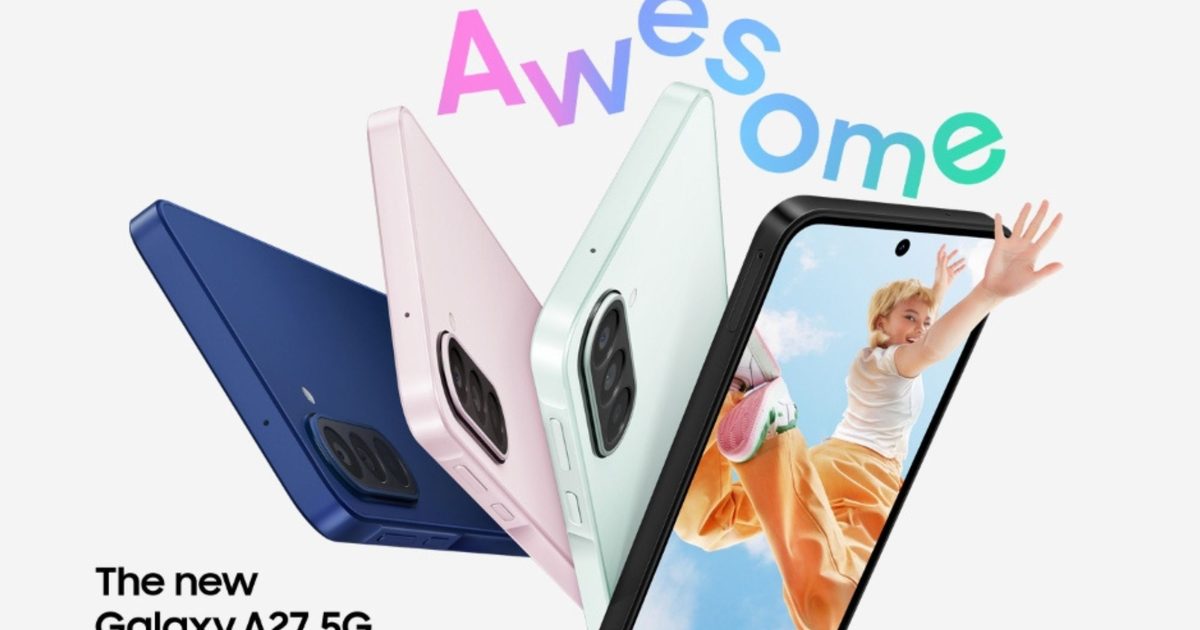
Samsung has long held the crown in the budget smartphone segment, primarily by offering features that feel "borrowed" from its flagship Galaxy S-series. However, the unveiling of the new Galaxy A27 5G marks a potential turning point in the company’s strategy. Priced at $349—a $50 premium over its predecessor, the Galaxy A26—the device arrives with a confusing mix of performance-focused upgrades and puzzling hardware regressions. For consumers looking for value, the A27 5G presents a classic dilemma: is a faster processor worth the sacrifice of key durability and camera specifications?
The Main Facts: A Shift in Strategy
The Galaxy A27 5G, announced this week, is positioned as a mid-range contender that prioritizes processing power over the "all-rounder" philosophy that defined the A-series for years. While the $349 entry price point is certainly accessible, it pushes the device into a more competitive bracket where consumers expect a higher baseline of quality.
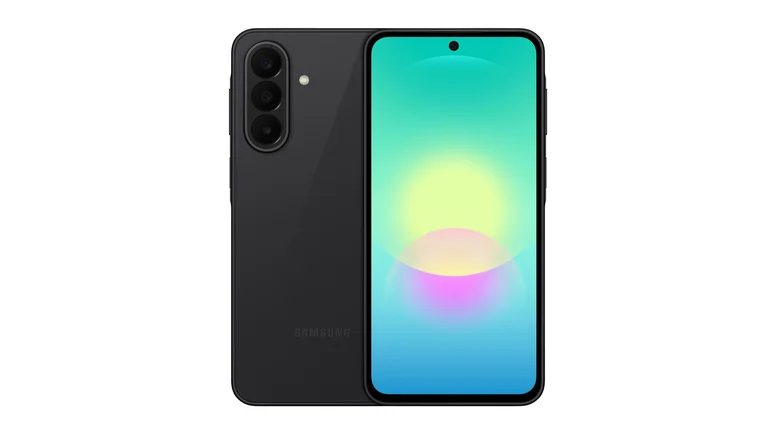
The most significant change is under the hood. Samsung has abandoned its in-house Exynos silicon in favor of the Qualcomm Snapdragon 6 Gen 3 processor. This transition promises a 10% to 20% performance uplift, providing a tangible benefit for users who engage in mobile gaming or multitasking. However, the excitement surrounding this speed boost is tempered by the reality of the hardware trade-offs. The device maintains a 6.7-inch Super AMOLED display with a smooth 120Hz refresh rate, now featuring a more modern punch-hole cutout rather than the dated teardrop notch seen on the A26. Yet, beneath this polished exterior, the device has seen a thinning of its utility—quite literally, as the device has increased in thickness to 7.8mm, a minor but symbolic regression in industrial design.
Chronology: The Evolution of the A-Series
To understand why the A27 5G is causing a stir, one must look at the trajectory of Samsung’s budget offerings.
- The A26 Era: The Galaxy A26 was celebrated for its aggressive value proposition. It was the first device in its price tier to feature an IP67 water and dust resistance rating, a feature usually reserved for flagship phones. It established the "A-series" as the gold standard for budget durability.
- The Announcement: Following weeks of industry speculation, Samsung officially unveiled the A27 5G in June 2026. The shift to a more powerful Snapdragon chip was framed by the company as a response to user demand for better gaming performance.
- The Rollout: Samsung has confirmed an international launch date of July 3, 2026, with the United States market set to receive the device shortly after on July 14.
The timeline highlights a pivot from the A26’s focus on environmental resilience to the A27’s focus on raw compute power. Whether this resonates with the average budget-conscious consumer remains the central question of this product cycle.
Supporting Data: The Specs Breakdown
When dissecting the hardware, the "give and take" of the A27 5G becomes clear. The device is available in three configurations: 6GB/128GB, 8GB/128GB, and 8GB/256GB. This provides users with welcome flexibility in storage, especially given the rising size of modern applications.
Performance vs. Durability
The Snapdragon 6 Gen 3 chipset is a competent piece of hardware. Coupled with the 120Hz AMOLED panel, the user interface remains snappy. AI integration has also been expanded; the A27 now supports multi-object recognition within the "Circle to Search" feature, alongside improved Object Eraser capabilities and real-time translation in the Voice Recorder app.
However, the drop in IP rating from IP67 to IP64 is difficult to overlook. An IP67 rating ensures the device can withstand submersion in up to one meter of water for 30 minutes. An IP64 rating, conversely, only protects against splashes and dust ingress. For a phone that is often marketed toward younger users or those working in variable environments, this is a significant downgrade in peace of mind.
The Camera Compromise
Perhaps most surprising is the reduction in camera specifications.

- Ultrawide Lens: Reduced from 8MP on the A26 to 5MP on the A27.
- Selfie Camera: Reduced from 13MP on the A26 to 12MP on the A27.
While the 50MP primary shooter with Optical Image Stabilization (OIS) remains intact, the degradation of the secondary lenses suggests that Samsung is looking for ways to offset the higher cost of the Snapdragon chipset.
Official Perspectives and Software Longevity
Despite the hardware regressions, Samsung remains committed to its industry-leading software support policy. The Galaxy A27 5G comes with a guarantee of six years of OS upgrades and security patches. This commitment is a major selling point, effectively future-proofing the device for a segment of the market that typically holds onto their phones for several years.
In official statements, Samsung representatives have emphasized the "modernized" aesthetic of the device, pointing to the thinner bezels and the transition to the punch-hole camera as evidence of the A27’s maturity. They argue that the performance gains offered by the new processor will provide a better user experience over the long term than the marginal utility of a higher-spec ultrawide camera.
The Broader Implications: A Market in Flux
The launch of the Galaxy A27 5G occurs during a volatile time for the smartphone industry. As global inflation and rising component costs—particularly for memory and semiconductors—continue to squeeze margins, manufacturers are being forced to make difficult choices.
The "Flagship-Lite" Trap
The A27 5G is a case study in the "flagship-lite" dilemma. By attempting to pack in more powerful processors and AI-driven software features, Samsung has had to trim costs elsewhere to keep the price from ballooning beyond the reach of its target demographic. This results in a device that is faster and more "intelligent," but less physically capable than the model it replaces.
Consumer Choices
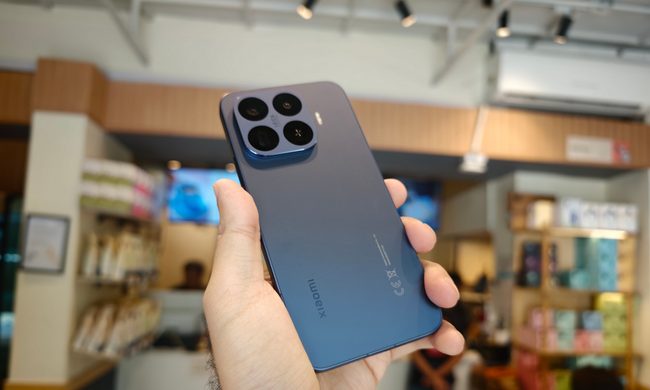
The market is currently flooded with alternatives. From the feature-rich, Leica-tuned offerings of companies like Xiaomi, which cater to those wanting premium photography at a mid-range price, to the reliable software-first experience of Google’s "a-series" Pixels, the competition has never been fiercer. For a consumer, the choice is no longer simple. If one prioritizes performance, the A27 is a clear winner. If one prioritizes ruggedness and camera versatility, the used or remaining stock of the A26—or even a move to a different brand—may prove more appealing.

Conclusion: Is the A27 5G for You?
The Samsung Galaxy A27 5G is a device defined by its trade-offs. It is an undeniably faster, more aesthetically refined smartphone that benefits from Samsung’s excellent long-term software support. However, by sacrificing the IP67 rating and downgrading the secondary camera optics, Samsung has moved the goalposts for what a budget phone should be.
For the power user on a budget, the Snapdragon 6 Gen 3 is a compelling reason to upgrade. But for the average user who valued the "flagship-grade" durability that the A-series once championed, the A27 5G may feel like a step in the wrong direction. As the July release dates approach, the success of the A27 will ultimately depend on whether the average consumer values raw speed over the reliable, go-anywhere durability that made its predecessor a market favorite.
Ultimately, the A27 5G is a reminder that in the world of mobile technology, progress is rarely a straight line. It is a series of compromises, and with this latest iteration, Samsung has signaled that it is willing to trade a little bit of rugged utility for a significant bump in processing potential. Whether that is a fair trade is a decision each buyer must weigh for themselves.


 Azzam Bilal Chamdy
 Jia Lissa