Reynand Wu
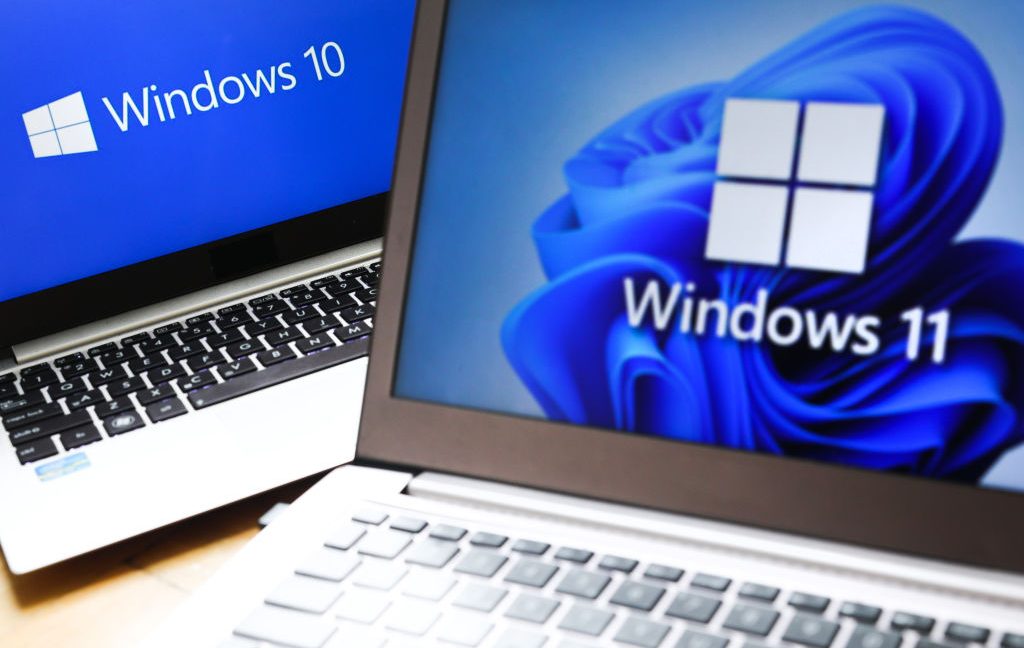
As the computing landscape shifts toward an AI-integrated future, a significant portion of the global PC user base remains tethered to the past. Despite Microsoft’s aggressive push toward Windows 11 and its heavily touted "Copilot+" ecosystem, Windows 10 refuses to fade into obsolescence. With millions of systems still running the aging OS, Microsoft has been forced to extend its support lifecycle, offering a lifeline to users who either cannot—or will not—upgrade their hardware.
The Extended Security Update (ESU) program, now a focal point of Microsoft’s strategy, highlights a growing divide between the company’s vision for the future of personal computing and the practical realities faced by consumers in 2026.
The Hardware Barrier: Why Windows 11 Left Users Behind
The transition from Windows 10 to Windows 11 was marked by a fundamental shift in Microsoft’s hardware requirements. Unlike previous OS transitions, which generally supported a wide breadth of legacy hardware, Windows 11 introduced a "non-negotiable" requirement for Trusted Platform Module (TPM) 2.0 and specific CPU architectures.
For millions of users, this meant that their "perfectly serviceable" PCs—machines capable of handling modern web browsing, productivity suites, and creative workflows—were suddenly rendered incompatible with the latest operating system. Microsoft’s justification centered on security, arguing that a modern, zero-trust architecture required the hardware-level protections provided by TPM 2.0. However, the industry reaction was swift and critical, with many accusing the company of orchestrating a forced obsolescence cycle to drive OEM sales.
The 2026 Economic Headwinds
The hardware compatibility issue has been compounded by current economic pressures. The year 2026 has been defined by a significant, AI-driven surge in the demand for high-performance memory (RAM) and high-speed storage. As manufacturers scramble to supply the hardware necessary to run local AI models, the cost of consumer-grade system upgrades has ballooned.
For the average consumer, the choice is no longer simply about upgrading an OS; it is about paying a premium for hardware that meets the stringent requirements of Windows 11. Consequently, many users have opted to maintain their existing Windows 10 rigs, viewing the cost of a new machine as prohibitive when their current hardware remains functional for daily tasks.
Chronology of a Support Dilemma
The story of Windows 10’s staying power is a multi-year saga of shifting deadlines and changing strategies.
- 2021: Microsoft announces Windows 11 with strict TPM 2.0 and CPU generation requirements, sparking immediate backlash from the enthusiast and enterprise communities.
- 2023: Microsoft begins the countdown to the official end-of-support date for Windows 10, initially set for October 2025.
- 2024–2025: As market share for Windows 10 remains stubbornly high, industry analysts begin to project a "support gap," noting that a massive segment of the user base is at risk of being left with unpatched, vulnerable machines.
- 2026: Recognizing the scale of the remaining user base, Microsoft formalizes the ESU program for individual consumers, allowing them to purchase extended security patches. This effectively extends the life of Windows 10 well beyond the original 2025 cutoff.
Supporting Data: The Market Share Standoff
Data from StatCounter reveals a landscape that complicates Microsoft’s narrative of a "seamless transition." While Windows 11 has achieved a majority share of approximately 72 percent, the remaining 26 percent of the desktop market represents a massive, entrenched user base.
When translated into raw numbers, that 26 percent represents hundreds of millions of active, internet-connected devices. In the world of cybersecurity, this is a significant surface area. The persistence of Windows 10 suggests that Microsoft’s "AI-first" marketing—which emphasizes Copilot integration, advanced neural processing, and cloud-heavy features—has failed to resonate with a segment of the population that prioritizes stability, compatibility, and privacy over AI-driven automation.
The ESU Program: A Lifeline or a Tax?
The Extended Security Update (ESU) program is Microsoft’s response to the refusal of the market to abandon Windows 10. The program is designed to provide critical security patches to devices that would otherwise be left vulnerable.
Access and Pricing
Accessing these updates is relatively straightforward but comes with caveats.
- The European Exception: Due to unique regulatory environments, users in the European Union receive these updates for free, a rare instance of regional policy influencing global software support.
- The Global Model: For users outside the EU, the program is tiered. A nominal fee of $30 is required for access, though Microsoft has introduced a mechanism to pay using 1,000 Microsoft Rewards points. This is an attempt to soften the blow for the consumer, turning a "security tax" into a loyalty-based reward system.
- Authentication Requirements: To qualify for free updates in non-EU regions, users must sign in with a Microsoft account and sync their system settings. This requirement is viewed by privacy advocates as a data-collection strategy, as it forces users to tether their local, offline-capable OS to a cloud-based identity profile.
Scope of the License
The ESU license is surprisingly flexible for personal users, covering up to 10 devices per household. This is a clear acknowledgement that many households rely on multiple, older machines. However, the distinction for businesses is stark: commercial entities must pay on a per-device, per-year basis, creating a significant revenue stream for Microsoft as companies struggle to replace their legacy fleets.
Implications: The Future of OS Lifecycle Management
The fact that Microsoft is actively discussing support for Windows 10 through 2028—with rumors suggesting it could continue even longer—has profound implications for the software industry.
1. The Death of the "Big Upgrade"
The era of the "big bang" operating system upgrade appears to be over. As hardware requirements become more specialized and the cost of entry for new PCs rises, consumers are choosing to extend the lifecycles of their devices. Microsoft is effectively pivoting from a company that sells "new versions of Windows" to a company that manages a "service lifecycle," where the OS version is less important than the security status of the machine.
2. AI as a Market Segmenter
The aggressive focus on AI has created a binary market. On one side are the "AI-ready" PCs, which require high-end NPUs (Neural Processing Units) and massive memory overhead. On the other side are the "utility" PCs, which remain perfectly adequate for non-AI tasks. By forcing the Windows 11 upgrade, Microsoft has inadvertently pushed a large portion of its user base toward the ESU program, effectively creating a secondary market for legacy software support.
3. Security Concerns
The long-term danger of the ESU program is that it encourages the continued use of an operating system whose underlying architecture lacks the modern, firmware-based security protections found in Windows 11. While the ESU program provides patches for known vulnerabilities, it cannot fix the fundamental hardware limitations of a 2018-era processor. As exploit techniques evolve to target hardware-level weaknesses, these ESU-supported machines will become increasingly vulnerable, regardless of the software patches applied.
Official Responses and Strategic Positioning
Microsoft’s public-facing stance remains one of encouragement toward Windows 11. The company consistently highlights the productivity gains, gaming enhancements, and security improvements of the latest OS. However, behind closed doors, the ESU program is a tacit admission that the "forced migration" strategy had its limits.
By offering the ESU program, Microsoft is attempting to maintain control over its user base. Without these updates, users might be tempted to move to alternative operating systems, such as Linux distributions, which are increasingly capable of replacing the core functionalities of Windows for average users. By providing a low-cost or points-based path to continued support, Microsoft keeps these users within the Windows ecosystem, ensuring they remain in the company’s telemetry and service orbit.
Conclusion: The Road Ahead
As we look toward the end of the decade, the "Windows 10 problem" will likely evolve into a new norm. The line between "current" and "legacy" software is blurring. For the millions of users holding onto their Windows 10 PCs, the ESU program provides a necessary, albeit imperfect, solution.
The primary lesson of 2026 is that software adoption is not merely a matter of features or marketing—it is deeply tied to the economic realities of the hardware cycle. Microsoft’s challenge will be to balance its vision of an AI-powered future with the reality that a significant percentage of its user base is either unwilling or unable to pay the price of admission. Until the cost of modern, AI-capable hardware drops significantly, or until the benefits of such hardware become indispensable for the average user, Windows 10 will likely remain a fixture of the computing world, a stubborn monument to a time before the AI revolution changed the rules of the game.


 Raul Delapena Setiawan
 Azzam Bilal Chamdy