Asep Darmawan
In the high-stakes world of consumer electronics, the relationship between hardware manufacturers and component suppliers is often characterized by a delicate balance of power. This week, that balance has been brought into sharp focus following a series of blockbuster earnings reports and a subsequent, industry-wide surge in consumer pricing.
As Apple implements significant price hikes across its MacBook and iPad lineups, the narrative surrounding the current global RAM shortage has shifted. While Apple CEO Tim Cook has publicly blamed memory suppliers for aggressive pricing, a top executive at Micron Technology has offered a striking rebuttal, suggesting that Apple’s own historical procurement strategies have played a pivotal role in creating the very supply crunch the company now laments.
The Main Facts: A Convergence of Crises
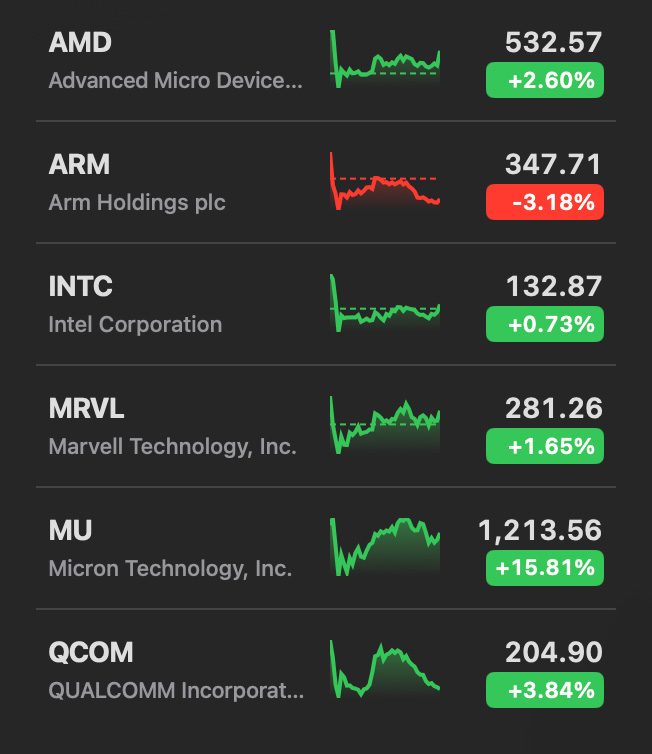
The semiconductor industry is currently navigating a period of intense volatility. On Wednesday, Micron Technology reported a fiscal third-quarter performance that stunned market analysts: revenue surged 346% year-over-year, and gross margins climbed toward an impressive 85%. These results, which sent Micron shares soaring by 15% in after-hours trading, underscore the massive profitability of memory manufacturers in an era of constrained supply.
Simultaneously, the end-consumer is feeling the downstream effects. Apple recently confirmed that its latest hardware refreshes will carry higher price tags—a decision Tim Cook explicitly linked to the skyrocketing cost of DRAM. This "memory crunch" has created a rare public tension between one of the world’s largest technology companies and its critical component partners. The core of the dispute rests on whether the current shortage is a result of industry-wide mismanagement or the inevitable consequence of aggressive, cost-cutting procurement tactics practiced by industry titans.

Chronology of the Conflict
The seeds of the current impasse were sown in 2023, a year characterized by a significant downturn in the memory market.
- 2023: The Downturn. As global demand for consumer electronics cooled, memory prices plummeted. During this period, major manufacturers like Micron saw their gross profits dip into negative territory.
- Late 2023 to Early 2024: According to Micron, certain high-volume customers leveraged this market weakness to force suppliers into extremely unfavorable, long-term pricing contracts.
- June 17, 2026: Apple CEO Tim Cook confirmed in an interview with The Wall Street Journal that the company was facing a severe memory shortage and that this, coupled with rising costs, would force price increases across its product ecosystem.
- June 24, 2026: Micron released its fiscal Q3 earnings, showcasing record margins and a bullish forecast for the remainder of the year.
- June 25, 2026: Apple officially rolled out price increases for MacBooks and iPads, signaling a new, more expensive era for the company’s flagship devices.
Supporting Data: The Economics of Scarcity
The memory market operates on a cycle of "boom and bust," but the 2023 trough was particularly severe. Micron CBO Sumit Sadana’s recent remarks provide a window into the strategic thinking of suppliers during that time. When margins are razor-thin or negative, manufacturers are forced to halt capital expenditure—the funding required to build new fabrication plants (fabs) and upgrade existing machinery.
By maintaining "rock-bottom" prices, buyers like Apple—who are renowned for their ability to dictate terms due to their massive purchasing volume—effectively drained the capital reserves of their suppliers. The data suggests that when Apple locked in these low-price, long-term agreements, they were essentially disincentivizing the very investment in capacity that would have been necessary to meet the current demand surge.
When demand returned in 2026, the industry found itself without the required "headroom" in supply. The resulting gap between available memory and the voracious appetite of modern computing devices (driven by AI and high-performance workflows) has led to the current price spike, which the market is now passing on to the consumer.

Official Responses: A War of Words
The divergence in rhetoric between Apple and its suppliers highlights the systemic strain within the supply chain.
The Apple Perspective
Tim Cook’s stance remains focused on the impact to the end-user. In his Wall Street Journal interview, Cook stated: "There’s less supply at a time when consumers want devices and the memory guys are passing along huge price increases. We definitely need memory pricing and supply to return to reasonable levels for consumer products. That’s the bottom line."
Cook’s framing suggests that Apple is an innocent bystander forced to mitigate the greed of component manufacturers who are capitalizing on a constrained market.
The Supplier Perspective
Micron, however, has pushed back against this narrative of supplier-led exploitation. Sumit Sadana’s comments, though careful to avoid naming Apple directly, were clearly directed at the company’s procurement strategy.
"We told a couple of the customers who were being very aggressive with pricing at that time that this is not constructive," Sadana noted. He explained that when customers force suppliers into unsustainable margins during a downturn, they are ultimately sabotaging their own future supply chains. "A lot of the industry investments got shut down in 2023 because of really poor pricing and really poor margins."
Implications for the Future
The implications of this standoff extend far beyond the price of a new MacBook.
1. The End of the "Hard Bargain" Era
Apple’s reputation for driving hard bargains has served it well for decades, allowing the company to maintain high margins even as hardware becomes commoditized. However, the 2026 memory crisis may mark the limit of this strategy. Suppliers are now realizing that their collective influence is stronger than any single buyer, especially when demand for AI-ready hardware is surging.
2. Market Volatility
Investors should anticipate continued volatility in the chip sector. While companies like Micron are currently reaping the rewards of high prices, the long-term health of the industry depends on sustainable capital expenditure. If the current price hikes drive down consumer demand, the cycle could potentially swing back toward a crash, creating yet another period of instability.

3. Supply Chain Verticality
This crisis may push tech giants to reconsider their reliance on external memory suppliers. We may see an increase in "co-investment" models, where companies like Apple provide direct funding to build out manufacturing capacity in exchange for guaranteed long-term supply, effectively ending the adversarial relationship between buyer and supplier.
4. Consumer Impact
For the average user, the takeaway is sobering: the era of flat pricing for high-performance hardware is likely over. As the components required for advanced computing become more expensive and their supply chains more fragile, consumers will continue to see these costs reflected in the sticker prices of their favorite devices.
Conclusion
The tension between Apple and its memory suppliers is a microcosm of the broader challenges facing the global technology economy. It serves as a reminder that the sleek, powerful devices consumers take for granted are the result of a fragile, interconnected web of capital and logistics.
While Apple continues to defend its pricing as a necessary reaction to market realities, the industry at large—led by voices like Micron’s—is pointing to a more complex reality: the short-term gains of aggressive procurement may have created long-term losses for the entire ecosystem. Whether this leads to a new era of collaborative supply chain management or continued, fractious competition remains to be seen. For now, both the tech giants and their suppliers remain locked in a high-stakes game of economic chicken, with the consumer caught squarely in the middle.


 Raul Delapena Setiawan
 Azzam Bilal Chamdy