Suro Senen
HP is a titan of the personal computing industry, consistently ranked among the top manufacturers for customer satisfaction, affordability, and hardware versatility. From the ultra-portable Envy series to the robust ZBook workstations and the mainstream Pavilion line, HP machines are the backbone of offices and classrooms worldwide. However, even the most refined engineering can encounter friction.
Whether you are a professional relying on your machine for daily output or a student managing a heavy academic workload, experiencing a technical glitch can be a significant setback. By understanding the common pain points reported across the HP ecosystem—ranging from thermal management issues to mechanical hinge fatigue—users can better diagnose, troubleshoot, and potentially resolve these issues without needing to visit a service center.
1. Thermal Management: Overheating and Thermal Throttling
Thermal performance is a constant battle in modern laptop design, where manufacturers aim to pack high-performance components into increasingly slim chassis. HP’s Pavilion and Pavilion Gaming lineups are particularly susceptible to heat buildup.
The Mechanism of Throttling
When a laptop’s internal temperature exceeds a safe threshold, the CPU and GPU automatically lower their clock speeds to generate less heat. This process, known as "thermal throttling," manifests as a sudden, sharp decline in system responsiveness. Users may notice frame rate drops during gaming, sluggish multitasking, or delayed input latency.
Diagnostic and Remediation Steps
- Monitoring: Use diagnostic utilities like Open Hardware Monitor or HWMonitor to track core temperatures under load. Compare these readings against the specifications provided by Intel or AMD for your specific processor.
- Environmental Factors: Ensure that the laptop is placed on a hard, flat surface. Using a laptop on a bed or carpeted floor is a primary cause of restricted airflow.
- Software Optimization: Open the Task Manager (Ctrl + Shift + Esc). Sort by CPU usage to identify "runaway" processes. Background applications, such as unoptimized startup programs or hidden bloatware, often consume cycles that generate unnecessary heat.
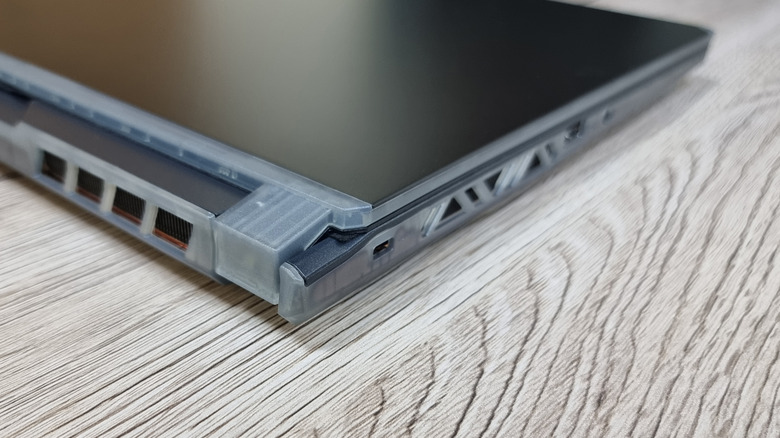
- Maintenance: Over time, dust accumulation in heat sinks and fan blades acts as an insulator, trapping heat inside the chassis. If the device is out of warranty, using a can of compressed air to gently clear the vents can often restore optimal airflow.
2. Performance Degradation and Startup Latency
A laptop that was once lightning-fast can feel sluggish after a year of use. While operating system updates are often the culprit, the primary driver of performance decay is frequently "bloatware"—pre-installed software that consumes system resources from the moment you press the power button.
The Bloatware Burden
Many HP laptops come bundled with proprietary support utilities, promotional software, and trial versions of third-party tools. While some are useful, many run as background services that consume RAM and CPU cycles.
Streamlining Your System
- Pruning Applications: Navigate to Settings > Apps > Installed Apps. Look for software you do not recognize or use. Exercise caution: verify unknown processes via an online search to ensure they aren’t essential Windows components (like the Windows Desktop Runtime).
- Managing Startup: The Startup Apps menu in Windows Settings is your most powerful tool. Disable any non-essential services that trigger at boot. This single action is often enough to cut boot times by 30% or more.
- System Integrity: If performance remains poor after cleaning, consider a clean installation of Windows to remove residual configuration files that may be slowing down the registry.
3. Power Management: Charging Anomalies
The "Plugged in, not charging" error is a frequent topic on HP support forums. While it can signal a failing battery, it is often a feature rather than a bug.
Intelligent Charging Features
HP’s Battery Health Manager and Intelligent Charging technologies are designed to extend the lifespan of Lithium-ion cells. By capping the maximum charge at 80%, these systems prevent the chemical stress caused by keeping a battery at 100% capacity for extended periods. If you notice your laptop stops charging at 80%, check your BIOS or the HP Support Assistant app to see if these power-saving modes are active.

Troubleshooting Power Hardware
- The Power Cycle: Disconnect the charger, shut down the laptop, and hold the power button for 15 seconds. This clears the Embedded Controller (EC) of any static charge or temporary logic errors.
- Physical Inspection: Use a flashlight to inspect the DC-in port. Look for bent pins or debris. If the power cable feels "loose," the internal mounting of the port may have failed.
- Diagnostics: Utilize HP PC Hardware Diagnostics for Windows. This pre-installed tool performs a deep scan of the battery’s health, identifying whether the cells have reached the end of their lifecycle and require replacement.
4. Mechanical Integrity: The Hinge Failure Phenomenon
Perhaps the most hardware-specific issue reported by HP users involves the hinge mechanism in the Pavilion and Envy series. Users often report a "clicking" or "cracking" sound when opening the lid, followed by a stiffening of the display movement and eventual separation of the screen bezel.
The Anatomy of the Failure
In many instances, the hinge itself is not the part that fails; rather, it is the plastic mounting bracket inside the chassis that secures the hinge. Because the screen acts as a lever, repetitive opening and closing puts significant torque on these plastic anchors. Over time, the plastic fatigues and cracks, causing the hinge to detach from the base.
Mitigation Strategies
- Gentle Handling: Always open your laptop from the center of the lid, not the corners. Opening from the corner creates asymmetrical stress that accelerates bracket failure.
- Proactive Repair: If you hear a faint "click" while moving the lid, take the device to a technician immediately. Tightening the hinge tension or reinforcing the mounting points before the plastic fully breaks is significantly cheaper than replacing the entire back cover and palm rest assembly.
5. Audio Disruptions: The B&O and Realtek Conflict
HP partners with Bang & Olufsen to provide enhanced audio drivers for many of its premium models, including the Spectre x360 and the Omen gaming lineup. However, these drivers occasionally clash with Windows Update, resulting in crackling, popping, or total audio loss.
The Driver Conflict
The issue often stems from a mismatch between the Realtek hardware drivers and the Bang & Olufsen signal processing software. When Windows updates the generic Realtek driver, it can inadvertently break the proprietary B&O enhancements.
Restoration Procedures
- Device Manager: Open Device Manager, expand "Sound, video and game controllers," and select your audio device.
- Driver Rollback/Update: Attempt to update the driver automatically. If that fails, visit the official HP support website, enter your serial number, and download the specific audio driver package provided by HP, which is often more stable than the generic Windows version.
- Disable Enhancements: If issues persist, right-click the speaker icon in the taskbar, go to Sound Settings > More Sound Settings, and under the "Enhancements" tab, select "Disable all enhancements." This often resolves crackling caused by digital signal processing (DSP) errors.
Conclusion: Empowerment Through Knowledge
The commonality of these issues does not necessarily reflect a decline in HP’s build quality; rather, it is a byproduct of the vast number of devices in circulation and the complexity of modern hardware-software integration.
By systematically addressing thermal management through maintenance, optimizing system resources to combat bloatware, understanding battery preservation logic, treating hinges with care, and managing audio drivers, users can significantly extend the lifespan of their HP laptops. When software-based troubleshooting fails, HP’s robust diagnostic ecosystem—coupled with their extensive documentation—remains one of the strongest support networks in the industry. Should you find yourself facing an issue that exceeds these steps, HP’s official repair channels are equipped to handle the more complex mechanical failures, ensuring your investment remains operational for years to come.

 Layla Zulfa
 Nana Muazin