Suro Senen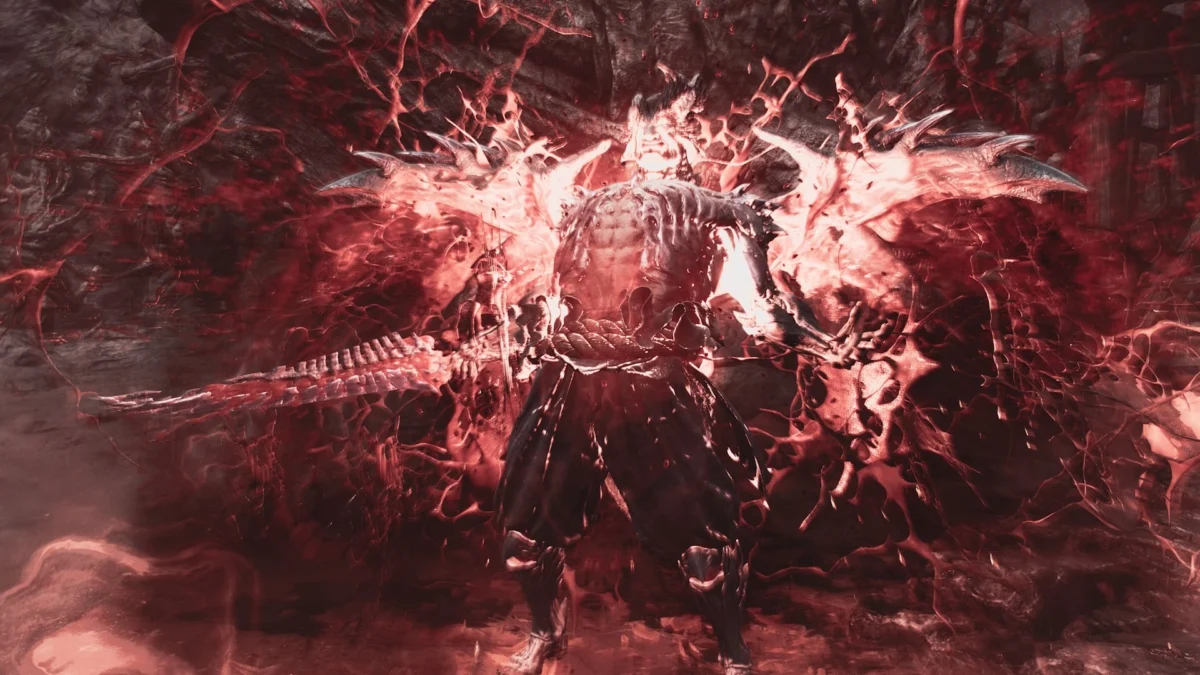
TOKYO, Japan – June 25, 2026 – Capcom, a titan in the video game industry, has ignited the anticipation of fans worldwide with a comprehensive new look at its forthcoming swordplay action title, Onimusha: Way of the Sword. The publisher today released a five-minute "Game Overview" trailer alongside a fresh batch of screenshots, offering the most in-depth preview yet of the highly anticipated samurai saga. Central to this unveiling is the dramatic reveal of a fearsome new adversary, Dohatsu-ten, setting the stage for protagonist Miyamoto Musashi’s most challenging battle yet.
This latest presentation reaffirms Capcom’s commitment to revitalizing one of its most cherished franchises, promising a blend of historical Japanese settings with its signature supernatural horror elements. With a release date slated for September 25 across multiple platforms, Onimusha: Way of the Sword is poised to deliver a deep, engaging narrative coupled with the intense, precise sword combat that defines the series. Pre-orders are already live, enticing early adopters with exclusive in-game bonuses, while a playable demo provides an immediate taste of the action for most prospective players.
Main Facts: A Resurgence for the Samurai Action Saga
Capcom’s latest media drop for Onimusha: Way of the Sword serves as a critical milestone in the game’s pre-launch campaign, offering fans and newcomers alike a compelling insight into the title’s narrative and gameplay mechanics. The "Game Overview" trailer, presented in both English and Japanese, provides a dynamic montage of cinematic sequences, intense combat encounters, and environmental exploration, all underscored by a deep dive into the game’s core premise. The accompanying screenshots further illuminate the intricate character designs and breathtaking backdrops players will encounter.
At the heart of today’s announcement is the dramatic reveal of Dohatsu-ten, a name that will undoubtedly echo through the ranks of Onimusha lore. Described as a terrifyingly fast and bloodthirsty Genma, this winged warrior represents a significant threat to protagonist Miyamoto Musashi. The footage showcases an intense boss battle against this demonic entity, highlighting the intricate combat system and the sheer scale of the challenges Musashi will face. Director Satoru Nihei personally introduced this formidable foe, underscoring its importance to the game’s narrative and gameplay progression.
Onimusha: Way of the Sword is scheduled for a multi-platform release on September 25, making it accessible to a broad audience. The game will launch on PlayStation 5, Xbox Series X|S, and PC via Steam, Epic Games Store, and Microsoft Store. Additionally, a version for the upcoming Switch 2 console is confirmed, though its demo availability differs. To further sweeten the deal for eager players, Capcom has launched pre-orders, which include exclusive digital bonuses: the "Sealed Curse" sword skin and the "Lion Dog" charm. These incentives are designed to enhance the player’s initial experience, offering both cosmetic customization and potential in-game advantages. A playable demo is currently available across all platforms except for Switch 2, allowing players to immediately immerse themselves in the game’s "satisfying action."
Chronology: The Journey of a Legendary Franchise
The release of Onimusha: Way of the Sword marks a significant moment for a franchise that has captivated players for over two decades. Understanding its historical context is crucial to appreciating the magnitude of this revival.
The Onimusha Legacy: From PS2 Icon to Modern Revival
The Onimusha series first burst onto the scene in 2001 with Onimusha: Warlords for the PlayStation 2. Starring the likeness of actor Takeshi Kaneshiro, the game blended fixed camera angles and pre-rendered backgrounds, reminiscent of early Resident Evil titles, with fast-paced, visceral samurai combat. Its unique fusion of historical Japanese figures and demonic Genma invaders quickly garnered critical acclaim and commercial success, establishing it as a flagship title for Capcom during the PS2 era. The series continued its stride with Onimusha 2: Samurai’s Destiny (2002), featuring the likeness of Yusaku Matsuda, and Onimusha 3: Demon Siege (2004), which famously starred Jean Reno and introduced time-traveling elements. The final main installment, Onimusha: Dawn of Dreams (2006), broke from the previous fixed camera perspective, opting for a more dynamic 3D camera and expanding on the combat mechanics.
Following Dawn of Dreams, the Onimusha franchise entered a period of dormancy, much to the disappointment of its dedicated fanbase. While spin-offs and pachinko machines occasionally surfaced, a new mainline entry remained elusive for over a decade. The clamor for a revival grew louder over the years, culminating in Capcom’s decision to remaster Onimusha: Warlords in 2019 for modern platforms. This remaster, which introduced updated graphics, widescreen support, and new control options, was met with enthusiastic reception, signaling to Capcom the enduring appeal and strong market demand for the series. It was a clear indicator that the time was ripe for a full-fledged new installment.
The Road to Way of the Sword: A Development Retrospective
The journey towards Onimusha: Way of the Sword has been one filled with anticipation and speculation. Rumors of a new Onimusha game began circulating within industry circles shortly after the successful Warlords remaster, fueled by Capcom’s broader strategy of revisiting and revitalizing its beloved classic IPs. While specific development timelines are often shrouded in secrecy, industry observers noted a gradual increase in job postings related to a "historical action title" within Capcom’s R&D divisions over the past few years.
The official announcement of Onimusha: Way of the Sword likely came during a major industry event, such as an E3 equivalent or a dedicated Capcom showcase, sometime in late 2024 or early 2025. Initial trailers would have focused on re-establishing the series’ signature aesthetic – the juxtaposition of feudal Japan with grotesque demonic forces – and hinting at the return of challenging, precise combat. Over the subsequent months, Capcom would have released developer diaries, interviews with key creative staff like director Satoru Nihei, and periodic gameplay snippets, gradually building hype and revealing more details about the game’s narrative and playable characters. The current "Game Overview" trailer and screenshots represent a significant penultimate push in this marketing cycle, providing a comprehensive look just months before the September 25 launch, indicating that development is largely complete and the game is entering its final polish phase. This methodical approach has allowed Capcom to nurture fan excitement while meticulously refining the game experience.
Supporting Data: Deconstructing the Game’s Core Elements
The information unveiled today provides a fertile ground for dissecting the intricate components that will define Onimusha: Way of the Sword, from its demonic adversaries to its protagonist and technical underpinnings.
The Enigmatic Dohatsu-ten: Lore, Design, and Combat Implications
The introduction of Dohatsu-ten is arguably the most impactful revelation from the "Game Overview" trailer. As a "terrifyingly fast and bloodthirsty Genma," this winged warrior slots perfectly into the established lore of the Onimusha universe. The Genma are the primary antagonists of the series, an ancient race of demons often associated with supernatural powers and a desire to conquer the mortal realm. They frequently manipulate human history, using dark magic and demonic armies to achieve their goals. Dohatsu-ten’s description suggests a high-ranking or particularly potent Genma, possibly a general or a unique creation of the Genma Lord, further raising the stakes for Musashi.
From a design perspective, Dohatsu-ten appears to embody the grotesque yet often elegant aesthetic common to the Genma. Its winged form implies aerial combat elements, demanding players to adapt their strategies beyond ground-based engagements. The "terrifyingly fast" descriptor suggests a boss battle characterized by high mobility, rapid strikes, and perhaps unpredictable attack patterns, requiring players to master defensive maneuvers like parrying and dodging in addition to offensive combos. Its "bloodthirsty" nature could translate into aggressive AI, relentlessly pursuing Musashi and punishing any hesitation. This type of encounter typically forces players to learn intricate attack sequences, identify brief windows for counter-attacks, and manage resources like magic or special abilities effectively. The visual spectacle of a legendary samurai dueling a winged demon from hell is a core promise of the Onimusha series, and Dohatsu-ten looks set to deliver on that front with aplomb.
Miyamoto Musashi: Blending History with Supernatural Conflict
The choice of Miyamoto Musashi as the protagonist for Onimusha: Way of the Sword is a masterstroke, grounding the supernatural conflict in a rich tapestry of historical legend. Musashi (c. 1584 – 1645) is arguably the most famous and revered swordsman in Japanese history. A masterless samurai (rōnin), he was renowned for his undefeated record in duels, his distinctive dual-wielding sword style (Niten Ichi-ryū), and his philosophical treatise on strategy, The Book of Five Rings. His life story is synonymous with the pursuit of martial perfection and spiritual enlightenment.
Capcom has a history of incorporating famous historical figures into the Onimusha narrative, often casting them in the role of heroes imbued with the power of the Oni (ogres) to fight the Genma. By placing Musashi at the forefront, Way of the Sword taps into an already established reverence for the character, allowing for a narrative that explores themes of honor, duty, and the human spirit’s resilience against insurmountable odds. Gameplay implications are significant: Musashi’s iconic dual-wielding style could translate into unique combat mechanics, offering a broader range of offensive and defensive options compared to single-sword wielders. Players might be able to switch between different stances, combine attacks from both swords, or even utilize the historical techniques described in Musashi’s writings, albeit adapted for the fantastical setting. This fusion of historical authenticity with demonic fantasy is a cornerstone of the Onimusha appeal and a key selling point for Musashi’s iteration.
Masterful Swordplay and Technical Prowess
The core appeal of Onimusha: Way of the Sword lies in its "swordplay action game" designation, promising a deep and rewarding combat experience. The series has always been celebrated for its challenging yet fair combat, requiring precision, timing, and strategic thinking. This typically involves a robust parry system, where deflecting enemy attacks can open them up for devastating counter-attacks; a diverse move set that includes light and heavy attacks, special techniques, and elemental magic; and a system for absorbing enemy souls to replenish health, magic, or upgrade weapons. The "satisfying action" mentioned by Capcom likely refers to the tactile feedback of combat – impactful hits, responsive controls, and fluid animations that make every sword swing feel weighty and decisive.
Beyond combat, the game’s presentation on next-generation hardware is critical. On PlayStation 5, Xbox Series X|S, and PC, players can expect stunning visual fidelity, including detailed character models, elaborate environmental textures, and advanced lighting effects that bring feudal Japan and its demonic invaders to life. High frame rates (likely targeting 60fps) will ensure smooth, responsive gameplay crucial for a precise action title. The PS5 version may also leverage the DualSense controller’s haptic feedback and adaptive triggers to enhance immersion, allowing players to feel the clang of steel or the strain of a powerful attack. PC players will benefit from customizable graphics settings, potentially supporting higher resolutions and frame rates beyond console capabilities.
Strategic Platform Rollout and Demo Experience
The multi-platform launch strategy for Onimusha: Way of the Sword ensures maximum reach. However, the absence of a demo for the Switch 2 at launch is noteworthy. While the Switch 2 is confirmed for a full release, the delayed demo could imply ongoing optimization efforts to ensure the game runs optimally on Nintendo’s new hardware. It’s common for graphically intensive titles to require more development time to scale effectively for handheld or less powerful console hardware, especially when aiming for a comparable experience. This staggered demo release suggests Capcom is prioritizing the immediate availability of the demo on the most powerful platforms while continuing to fine-tune the Switch 2 version.
The availability of a demo across other platforms is a shrewd move. It allows players to "experience the game’s satisfying action today," generating early buzz and converting hesitant potential buyers into pre-order customers. Demos are crucial for action games, as they allow players to gauge the feel of combat, the responsiveness of controls, and the overall graphical quality before making a purchase commitment. For a revival of a beloved franchise, a demo serves as a powerful reassurance to long-time fans that Capcom is delivering a product worthy of the Onimusha name.
Official Responses: Capcom’s Vision and Strategic Direction
The re-emergence of Onimusha with Way of the Sword is not merely a nostalgic revisit but a calculated strategic move by Capcom, underpinned by the creative vision of its development leadership.
Director Satoru Nihei’s Creative Leadership
The mention of Satoru Nihei as the director of Onimusha: Way of the Sword provides insight into the creative direction of the project. While specific statements from Nihei regarding his overarching vision for this particular title are not detailed in the initial announcement, his role as director implies a guiding hand in balancing faithfulness to the series’ roots with contemporary gameplay design. Directors in such high-profile revivals typically articulate a clear philosophy: to respect the core tenets that made the original games beloved – challenging combat, a unique blend of historical and supernatural elements, and memorable characters – while simultaneously innovating and modernizing the experience for today’s audience.
Nihei’s vision likely encompasses delivering a narrative that is both epic and personal for Musashi, ensuring the Genma threat feels truly formidable, and refining the swordplay to be both accessible and deeply rewarding. Given Capcom’s recent track record with successful remakes and revivals (such as Resident Evil 2, 3, and 4 remakes, and Monster Hunter World), it’s probable that Nihei and his team have conducted extensive research into fan feedback and modern action game design principles to craft an Onimusha that resonates deeply. His leadership suggests a meticulous approach to detail, from the environmental design to the nuanced combat animations and the terrifying presence of new foes like Dohatsu-ten.
Capcom’s Renewed Commitment to Classic IPs
Onimusha: Way of the Sword is a testament to Capcom’s broader and highly successful strategy of leveraging its extensive catalog of intellectual properties. For years, fans speculated about the return of dormant franchises, and Capcom has systematically delivered, bringing back classics like Mega Man, Street Fighter, and Resident Evil with critical and commercial success. This strategy is driven by several factors: a desire to capitalize on existing brand recognition, a response to sustained fan demand, and the economic viability of modernizing beloved games for new generations of hardware and players.
The success of the Onimusha: Warlords remaster clearly demonstrated the market’s appetite for the series. Way of the Sword represents the next logical step: a full-fledged new entry designed from the ground up to meet contemporary standards while retaining the soul of its predecessors. This commitment is not just about nostalgia; it’s about expanding Capcom’s diverse portfolio, which spans horror, fighting games, and action-adventure, reinforcing its position as a powerhouse publisher. By investing in Onimusha, Capcom signals its confidence in the franchise’s ability to attract both its veteran fanbase and a new wave of players drawn to its unique blend of samurai legend and demonic fantasy.
Implications: Shaping the Future of Samurai Action
The impending release of Onimusha: Way of the Sword carries significant implications, not only for the future of the franchise but also for the broader landscape of action-adventure gaming and Capcom’s strategic direction.
The Potential for a New Onimusha Era
After a long hiatus for new mainline entries, Onimusha: Way of the Sword stands as a pivotal moment for the series. Its success or failure could dictate whether this is a one-off revival or the beginning of a new, sustained era for Onimusha. If the game delivers on its promises of engaging gameplay, a compelling story, and high production values, it could re-establish Onimusha as a premier action franchise, potentially paving the way for sequels, spin-offs, and further explorations of its rich historical-supernatural universe. The choice of Miyamoto Musashi as a protagonist, a figure with such deep historical and cultural resonance, also suggests a long-term vision, as his life story offers ample material for future narratives. A successful launch would firmly place Onimusha back in the conversation of Capcom’s core pillars, alongside Resident Evil and Monster Hunter.
Impact on the Action-Adventure Genre and Capcom’s Portfolio
In a crowded market filled with various action-adventure titles, Onimusha: Way of the Sword aims to carve out its niche through its distinctive identity. Its unique blend of authentic Japanese history, intricate sword combat, and grotesque demonic horror sets it apart from more conventional fantasy or sci-fi action games. If the game’s "satisfying action" truly shines, it could influence future titles in the genre, demonstrating the enduring appeal of precise, skill-based melee combat.
For Capcom’s portfolio, Way of the Sword reinforces the company’s commitment to genre diversity and its ability to successfully manage multiple high-profile projects. It showcases Capcom’s strength in taking established IPs, understanding their core appeal, and modernizing them for a contemporary audience. This success could further embolden Capcom to explore other dormant franchises within its vast catalog, potentially leading to a new wave of revivals that delight long-time fans and attract new players.
Long-Term Outlook and Community Engagement
The strategic release of a demo prior to launch is a key element of community engagement. By allowing players to experience the game firsthand, Capcom is fostering a direct connection, gathering early feedback, and building organic hype. The pre-order bonuses, while standard, also encourage early adoption and loyalty. Looking ahead, the game’s performance post-launch, including critical reviews and player reception, will be crucial. A strong reception could lead to post-launch content, such as additional missions, new weapons, or even narrative DLC that expands on the world of Onimusha: Way of the Sword. The long-term outlook for the series will largely depend on its ability to sustain player interest and demonstrate its relevance in the ever-evolving landscape of video game entertainment.
With the release date of September 25 fast approaching, all eyes are on Capcom to deliver a fitting return for one of its most iconic samurai sagas. The stage is set for Miyamoto Musashi to once again draw his blades against the forces of hell, and for players to experience the thrill of the hunt against terrifying new foes like Dohatsu-ten.


 Lina Irawan
 Sagoh
Sagoh