Raul Delapena Setiawan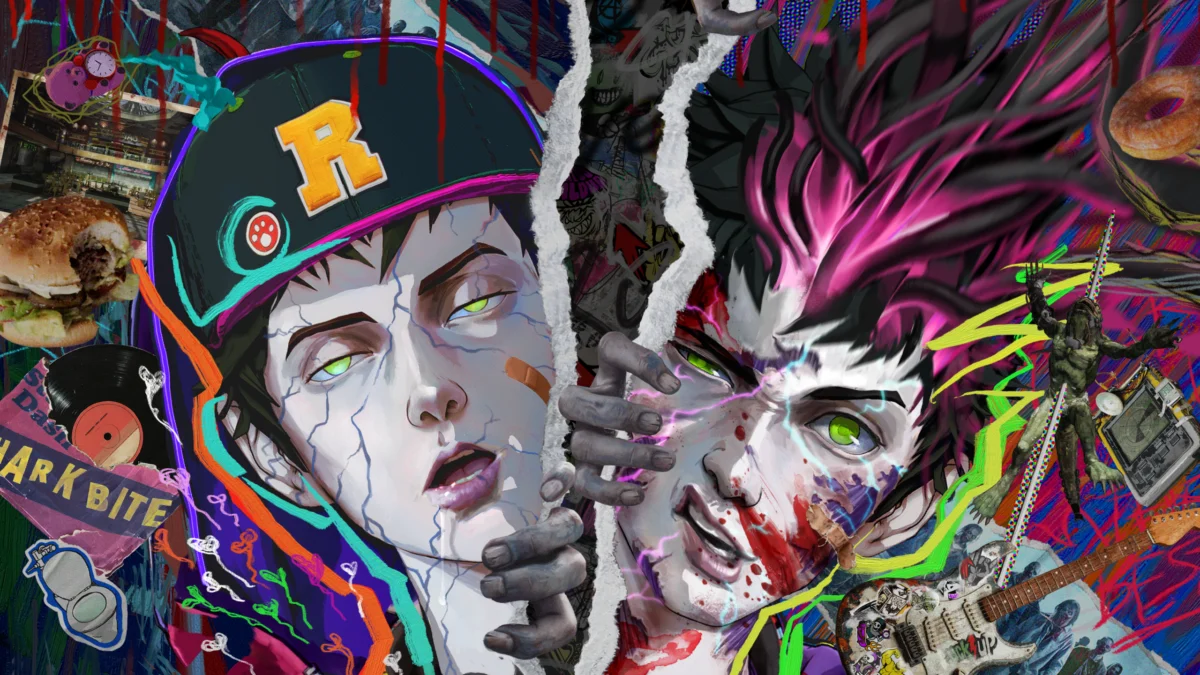
In an industry currently dominated by “soulslike” titles that pride themselves on punishing mechanical mastery and relentless difficulty spikes, a refreshing counter-narrative has emerged from a new player on the global stage. GPTRACK50, a studio spearheaded by legendary Capcom producer Hiroyuki Kobayashi, has officially pulled the curtain back on its inaugural project: Stupid Never Dies.
A self-described “blazing fast” action game, Stupid Never Dies represents more than just a new IP; it serves as a mission statement for a team of industry veterans who helped define the action genre through seminal works like Resident Evil, Devil May Cry, and Dragon’s Dogma. By blending the high-octane spectacle of classic character-action games with the strategic depth of modern RPG progression, GPTRACK50 is aiming to redefine how players engage with fast-paced combat.
The Genesis of a New Studio: Who is GPTRACK50?
The pedigree behind Stupid Never Dies is formidable. GPTRACK50 operates under the umbrella of NetEase Games, but its heartbeat belongs to Hiroyuki Kobayashi, a figure whose name is synonymous with the golden age of Japanese action gaming. After decades at Capcom, where he oversaw the production of some of the most influential franchises in video game history, Kobayashi’s transition to a new studio signals a desire to iterate on the lessons learned during his time in the industry.
The studio is not a collection of newcomers; it is a powerhouse of veteran talent. By pooling developers with deep experience in survival horror and high-speed hack-and-slash mechanics, the team has set out to solve a specific problem: how to create a high-stakes, adrenaline-fueled experience that respects the player’s time while maintaining a deep, satisfying feedback loop.
The Premise: A Zombie’s Quest Through Hell
At the center of this narrative whirlwind is Davy, a recently resurrected zombie whose existence is defined by a singular, desperate goal. Davy must descend into the labyrinthine dungeons of hell to recover "Over-Technology"—a powerful, otherworldly resource—to save the human race and rescue the love of his life.

While the premise leans into the macabre, the tone is decidedly distinct. Rather than leaning into the grim dread typically associated with the undead, Stupid Never Dies opts for a "fun with a slightly spooky edge" aesthetic. The world is populated by a gallery of monsters—reimagined versions of classic gothic archetypes—and the visual language of the game is one of vibrant, kinetic energy rather than stifling horror.
A New Philosophy on Difficulty and Progression
Perhaps the most significant revelation from the game’s first trailer and subsequent developer insights is the studio’s stance on difficulty. In an era where “difficulty as a virtue” has become the default for many action titles, Kobayashi and his team are pushing back.
Challenging the “Hardcore” Meta
“There have been many ‘high-difficulty’ games in recent years,” Kobayashi noted in an interview. “We wanted to differentiate ourselves from that trend. Rather than creating an action game where players overcome difficulty purely through technical skill, we felt it would be more accessible as a new title if players could tackle challenging situations through strategy and character progression.”
This design philosophy shifts the burden of success away from frame-perfect inputs and toward intelligent build-crafting. By positioning the game as an action RPG, GPTRACK50 ensures that even players who may struggle with the mechanical intensity of a Devil May Cry can still thrive by engaging with the game’s deeper strategic systems.
Gameplay Mechanics: The Art of “Blazing Fast” Combat
The combat system in Stupid Never Dies is built around two pillars: fluid "Style" switching and the innovative use of Over-Technology. Davy’s body is a canvas for biological and mechanical modification, allowing players to attach monstrous weapons to his arms, legs, and head.

The 11 Combat Styles
The game features 11 distinct combat styles, each inspired by classic monsters but twisted through a mechanical lens. Players can chain these styles together to perform devastating combos:
- The Golem: A tank-focused style that emphasizes durability and heavy impact.
- The Lich: A magic-wielding archetype that allows for crowd control and ranged pressure.
- The Harpy: Focused on aerial maneuvers and verticality.
- The Werewolf: A feral, fast-paced style focused on close-quarters savagery.
- The Demon: A tactical powerhouse that utilizes whips and gravity traps to zone enemies.
The brilliance of the system lies in the ability to swap between these styles in real-time. A player might launch an enemy into the air as the Creature from the Black Lagoon, swap to a Vampire style to drain health mid-juggle, and then finish the sequence with a bone-crunching slam as a Skeleton. This "mash-up" approach ensures that combat remains fresh and highly customizable.
The Roguelike Loop: Time-Limited Tension
Beyond the combat, the structure of the game is built for the modern, busy player. Stupid Never Dies incorporates elements of the roguelike genre, focusing on rapid, time-limited runs.
Kobayashi explains the rationale behind this design: “We chose to design the game as a time-limited action experience because players today often have busy schedules. We wanted to create a format that can be enjoyed in short, well-defined play sessions. At the same time, we wanted players to experience the thrill and tension of enjoying action gameplay within a time limit.”
This “Blazing Fast Growth” loop means that every run allows the player to gather equipment and upgrade their combat styles, making Davy exponentially stronger. The progression is designed to be explosive, turning early-game struggles into late-game power fantasies within the span of a single play session.

Implications for the Industry
The announcement of Stupid Never Dies carries several implications for the current gaming landscape:
- The Rise of “Strategic Action”: If Stupid Never Dies succeeds, it could trigger a trend toward more accessible, RPG-heavy action games that value player choice over raw mechanical gatekeeping.
- The NetEase Factor: As NetEase continues to invest in high-profile studios like GPTRACK50, we are likely to see a shift in the global distribution of Japanese development talent. The ability for veteran producers like Kobayashi to maintain creative control while backed by global resources is a significant development for the industry.
- Cross-Platform Considerations: Currently targeting PlayStation and PC, with potential for Steam Deck optimization, the game’s focus on hardware performance suggests a high-fidelity experience. The studio’s cautious approach to Switch and Xbox support highlights the realities of modern development, where platform optimization is a major hurdle for high-action titles.
Looking Toward 2026
With a release window set for 2026, Stupid Never Dies has plenty of time to refine its ambitious systems. The initial trailer has already garnered significant attention for its distinct art style, which bridges the gap between classic monster cinema and high-tech, futuristic aesthetics.
For fans of Kobayashi’s previous work, the DNA of Devil May Cry is undeniable in the flashy, high-scoring combat system. However, by marrying that intensity with a roguelike structure and a more forgiving, strategy-based progression, GPTRACK50 is positioning itself to reach a broader audience than the traditional "hardcore" action market.
As we look toward the next few years, the success of Stupid Never Dies will likely hinge on whether the studio can balance its "blazing fast" combat with enough strategic depth to keep players engaged over multiple runs. If they can capture that elusive feeling of constant, tangible growth, GPTRACK50 may well find itself at the forefront of a new wave of action gaming—one that proves that even in the face of certain death, the fun never has to stop.
For now, the industry watches with anticipation. The monsters are ready, the weapons are modular, and Davy is waiting to dive into the abyss. Whether or not he—and this ambitious new studio—can survive the leap into the competitive action market remains to be seen, but the initial signs are as promising as they are chaotic.


 Asro
Asro
 Muslim