Laily UPN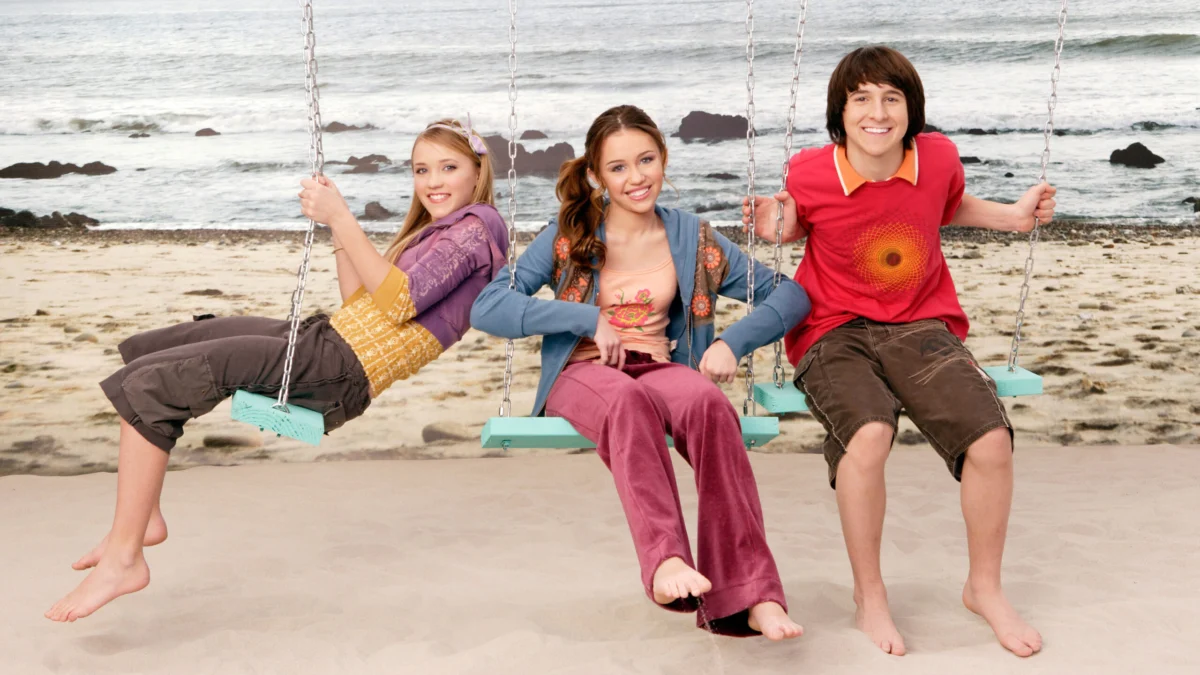
The recent 20th-anniversary celebration of Hannah Montana served as a poignant trip down memory lane for millions of fans who grew up watching the dual life of Miley Stewart. While the March 2026 special successfully reunited many of the show’s beloved cast members to toast two decades of Disney Channel history, the conspicuous absence of two core stars—Mitchel Musso and Emily Osment—has sparked a broader conversation about the nature of television reunions, the evolution of the actors who defined a generation, and the complexities of scheduling in the modern Hollywood landscape.
For fans, the reunion was a bittersweet event. While the sight of Miley Cyrus stepping back into the orbit of her iconic alter ego brought a wave of nostalgia, the gaps in the lineup left many wondering what could have been. Mitchel Musso, who played the spirited and loyal Oliver Oken, has finally broken his silence, offering a candid perspective on why he chose to pass on the project—and what he believes the reunion should have been.
Main Facts: The Anatomy of a Missed Reunion
The Hannah Montana 20th Anniversary Special, which aired earlier this spring, aimed to honor the legacy of the show that ran from 2006 to 2011. The program featured various cast members, including Jason Earles and Moisés Arias, reflecting on the show’s massive cultural footprint. However, the absence of Mitchel Musso and Emily Osment created a noticeable void.
Musso’s decision was rooted in a combination of logistical hurdles and creative disagreement. In a recent appearance on the Joe Vulpis Podcast, Musso confirmed that he had been invited to participate but declined due to a combination of scheduling conflicts and a fundamental misalignment with the format of the special. For Musso, a celebratory retrospective did not carry the same weight as a narrative-driven project—such as a new episode or a feature-length film—which he argued would have been a more respectful homage to the source material.
A Chronological Look at the "Hannah Montana" Phenomenon
To understand the weight of these absences, one must look at the timeline of the franchise. Debuting in 2006, Hannah Montana became an instant global juggernaut. It propelled Miley Cyrus to superstardom and established the careers of its supporting cast, who were tasked with maintaining the show’s core message of friendship and identity.
- 2006–2011: The original run of the series, which consisted of four seasons and a feature film, Hannah Montana: The Movie (2009).
- 2011: The series finale aired, marking the end of an era for Disney Channel.
- 2016–2021: The decade following the show’s conclusion saw the cast drift into various solo careers, with varying levels of contact.
- March 2026: The official 20th-anniversary milestone. Fans held out hope for a reboot or a scripted reunion, but the event took the form of a retrospective special.
- Post-Special Period: The fallout, during which cast members have begun addressing their reasons for participating—or, in the cases of Musso and Osment, their reasons for staying away.
Supporting Data: The Value of Narrative vs. Retrospective
Musso’s critique centers on the difference between "reminiscing" and "recreating." His sentiment—that the show’s original sets were either still available or easily recreatable—speaks to a desire among legacy actors to provide audiences with something "new" rather than simply re-hashing old footage.
"The kid in me was banking on it," Musso shared during his podcast interview. "I couldn’t wait for us to all be on set again. And it just didn’t work out that way." He emphasized that he would have "dropped everything" had the project been a narrative continuation of the story.
This highlights a common tension in modern television reunions. While studios often favor cost-effective talk-show formats or documentary-style specials to celebrate anniversaries, the talent involved often feels that the intellectual property deserves a more substantive, creative send-off. For Musso, a decade-long wait for a reunion—or 20 years in the eyes of the public—warranted a production that honored the craft of the original series rather than just the branding.
Official Responses and Professional Realities
Emily Osment, who portrayed the fan-favorite character Lilly Truscott, echoed a similar, albeit more diplomatic, sentiment regarding her absence. Osment, currently a fixture on the hit series Georgie & Mandy’s First Marriage, cited strict production schedules as the primary barrier.

Despite her inability to attend, Osment has been vocal about her pride regarding the show’s legacy. She referred to Hannah Montana as a "once-in-a-generation goliath," acknowledging the immense privilege of being part of a series that defined the cultural zeitgeist of the late 2000s. Her response serves as a reminder that for many of these actors, the absence from a specific reunion event does not equate to a lack of appreciation for the work itself.
The production companies and the network behind the special have remained relatively quiet regarding the specific negotiations with the cast, typically citing the standard "busy schedules" narrative. However, the industry-wide consensus is that coordinating the calendars of actors who have moved on to successful adult careers is an increasingly difficult task for production planners.
Implications: The Future of Nostalgia Television
The discourse surrounding the Hannah Montana special has significant implications for how networks approach future anniversaries of beloved IP. As the generation that grew up with the show enters their late 20s and early 30s, the demand for high-quality, scripted returns will only grow.
1. The "Reunion Fatigue" Factor
Audiences are becoming increasingly sophisticated. The success of scripted reunions—like those seen with Friends or The Fresh Prince of Bel-Air—has set a high bar. When a reunion is perceived as a "low-effort" retrospective, it risks alienating both the fans and the original actors who may feel that the brand’s value is being diluted.
2. The Power of the "Original" Cast
Musso’s comments underscore that for a show to feel "real" again, the core cast must be in sync. When key players like Musso and Osment are missing, the narrative impact of a reunion is diminished. This puts pressure on future production teams to work closer with talent representatives to secure participation well in advance, even if it requires adjusting schedules or budgets to accommodate creative, scripted content.
3. Professional Evolution
It is important to acknowledge that the actors from Hannah Montana have evolved significantly. Miley Cyrus has become a global music icon, while her co-stars have built diverse careers in film, television, and beyond. Expecting them to step back into characters they played as teenagers is a request that requires more than just a paycheck; it requires a compelling creative vision that respects the time and growth of the actors involved.
Conclusion: A Legacy Beyond the Special
While the 20th-anniversary special may not have hit every mark that fans or Mitchel Musso had hoped for, it succeeded in its primary goal: reminding the world of the massive cultural impact of Hannah Montana. The series remains a benchmark for the Disney Channel era, a touchstone for millions, and a springboard for a talented ensemble of actors.
Mitchel Musso’s candidness regarding his absence provides a valuable look behind the curtain. It highlights the friction between corporate-led anniversaries and the artistic desires of the performers who built the world of Miley Stewart and Oliver Oken. Ultimately, the fact that fans are still clamoring for a scripted return—and that the actors themselves still feel a deep, personal connection to the characters—is perhaps the greatest testament to the show’s enduring power. Whether or not the cast ever reunites for a "real" episode or film remains to be seen, but as the discourse proves, the appetite for the Hannah Montana world is far from satisfied.

 Ali Ikhwan
 Suro Senen