

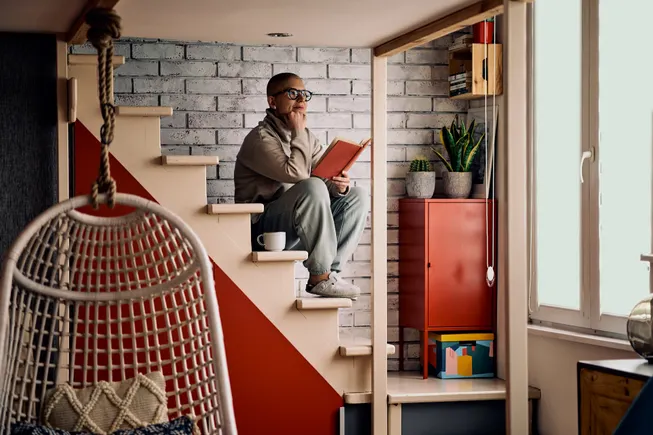
For generations, the "American Dream" was a static, almost architectural blueprint: a picket fence, a mortgage, a steady career trajectory, and a golden-years retirement. It was a shared national narrative that suggested if you followed the steps, success was the inevitable destination.
As the United States approaches its 250th anniversary, that blueprint is undergoing a radical renovation. According to comprehensive new research from the global consultancy Simon-Kucher, Americans have not abandoned the foundational ideals of opportunity, freedom, and upward mobility. Instead, they are dismantling the traditional script to build a life that prioritizes agility, emotional well-being, and "adaptive value" in the face of a volatile economic landscape.
The Evolution of Ambition: Main Facts
The primary takeaway from the study of 5,000 Americans is that the American Dream is not dying; it is migrating. While the concept of "making it" once centered on the accumulation of assets, today’s definition of success is internal and experiential.
Modern Americans are increasingly decoupling their self-worth from traditional status markers. While older generations—Baby Boomers and Gen X—often viewed homeownership and long-term asset accumulation as the primary evidence of a successful life, younger generations are prioritizing the ability to curate their daily existence. For a Millennial or a member of Gen Z, "success" is increasingly synonymous with autonomy, the reduction of friction in daily life, and the ability to pursue meaningful experiences despite persistent inflationary headwinds.
A Chronology of the Shift
The transition from the "Standard Dream" to the "Adaptive Dream" did not occur overnight. It is the result of a multi-decade collision between cultural shifts and economic realities:
- The Post-War Era (1945–1980): The classic American Dream was bolstered by post-war economic expansion, high union density, and affordable housing. Success was linear and predictable.
- The Great Recession (2008): This period served as a critical inflection point. As housing markets collapsed, younger generations witnessed the instability of "traditional" success, planting the seeds for skepticism regarding long-term, rigid commitments.
- The Pandemic Era (2020–2022): The COVID-19 pandemic acted as an accelerant. Global lockdowns forced a reappraisal of what was essential. As work moved remote and professional boundaries blurred, the desire for "quality of life" overtook the desire for "status signaling."
- The Inflationary Present (2023–Present): Facing the highest cost-of-living increases in four decades, Americans have moved from "aspirational consumption" to "intentional consumption." The focus has shifted from what one owns to how one feels on a day-to-day basis.
Supporting Data: By the Numbers
The research conducted by Simon-Kucher provides a clear, quantitative look at this generational divide. The data suggests that younger cohorts are not just holding onto the American Dream—they are more invested in it than their elders, albeit with a different set of definitions:
- Generational Buy-in: 62% of Millennials and 55% of Gen Z strongly or somewhat associate with the American Dream, compared to only 46% of Boomers. This indicates that the dream is a living, breathing concept for the young, rather than a nostalgic relic.
- The Trade-off: Approximately 50% of Millennials and Gen Z admit to reducing their savings or incurring debt to maintain a lifestyle that aligns with their current goals and identity. This suggests that for many, "living now" is a conscious strategic choice rather than a lack of financial literacy.
- The Flexibility Premium: Nearly 50% of Millennials and over 40% of Gen Z prioritize flexibility—specifically regarding work-life balance and schedule control—over higher income. This marks a fundamental departure from the 20th-century model where salary was the primary determinant of career success.
- Inflationary Impact: Nearly nine in ten Americans report changing their purchasing behaviors due to inflation, opting for lower-cost alternatives, delaying non-essential purchases, and seeking discounts.
Official Perspectives: The Consultant’s Lens
The experts at Simon-Kucher argue that this shift represents a "redefinition of value." In the past, companies could rely on brand heritage or status to drive loyalty. Today, those factors are secondary to "adaptive value."
"Value is no longer just about the price tag," the study implies. "It is about the ability to offer a consumer a sense of control." When brands fail to understand that consumers are choosing between a luxury item and the emotional security of a comfortable weekend, they lose their relevance. The research emphasizes that brands that successfully navigate this era are those that position themselves as partners in the consumer’s pursuit of a balanced, flexible life rather than just vendors of material goods.
Implications for the Future
The ripple effects of this shift are profound, impacting everything from labor markets to corporate branding strategies.
The Death of "One-Size-Fits-All" Marketing
For decades, advertising was built on the premise that everyone wanted the same life. That is no longer the case. Marketers who continue to lean on tired tropes of "keeping up with the Joneses" are finding their messages fall flat. Today’s consumers are looking for products that solve the friction of modern life. They want convenience, transparency, and products that offer emotional utility. If a brand cannot prove that its offering helps the consumer maintain their chosen lifestyle amidst economic uncertainty, the product will be the first to be cut from the budget.
The Financial Compromise
The data reveals a concerning undercurrent: the "Adaptive Dream" is being fueled by financial sacrifice. By sacrificing long-term savings for immediate quality-of-life improvements, younger generations are operating on a high-stakes tightrope. The implication here is that the next generation’s financial stability is increasingly tied to the "experience economy." If an economic downturn deepens, the inability to tap into these short-term "quality of life" buffers could lead to significant social and political friction.
Redefining the Workplace
The shift in values has effectively turned the traditional labor model on its head. Employers who demand rigid, in-office, 9-to-5 structures are facing a talent crisis. The modern American worker values time as a currency as much as, if not more than, the dollar. Companies that fail to offer autonomy are effectively signaling that they do not respect the "new American Dream," leading to higher turnover and decreased engagement.
Conclusion: A New Chapter
As we look toward the 250th anniversary of the United States, it is clear that the American Dream has not been lost; it has been recalibrated. It is no longer a fixed milestone on a horizon, but a daily practice of balancing financial necessity with the pursuit of personal freedom.
Americans are telling us that their aspirations are personal, not public. They are not looking to signal their success to their neighbors through the cars they drive or the houses they own; they are looking for the stability to enjoy a family meal, the flexibility to manage their own schedules, and the peace of mind that comes with living a life that feels authentic.
For policymakers, corporate leaders, and society at large, the challenge is clear: we must stop measuring the health of the American Dream by 20th-century metrics. We must instead listen to what the data is telling us—that the new dream is built on the foundation of resilience, intentionality, and the quiet, persistent pursuit of a life that is, above all else, worth living today.











