Basiran
In an era where true crime podcasts and streaming documentaries have become a cultural obsession, the line between historical atrocity and fictional entertainment has never been thinner. While audiences often flock to biographical depictions of infamous serial killers for a "true-to-life" experience, some of the most enduring icons of the horror genre exist in a different space. They are not direct retellings, but rather psychological distillations of real-world monsters. By stripping away the names and specific legal records of notorious criminals, filmmakers have been able to tap into the raw, primal fear that these figures inspire, repackaging them within the safe—yet terrifying—confines of fiction.
This phenomenon—the "inspired by" horror movie—allows directors to explore the darkest corners of the human psyche without the limitations of courtroom accuracy. It transforms historical tragedy into a universal, mythic nightmare.
The Architect of the Archetype: Ed Gein
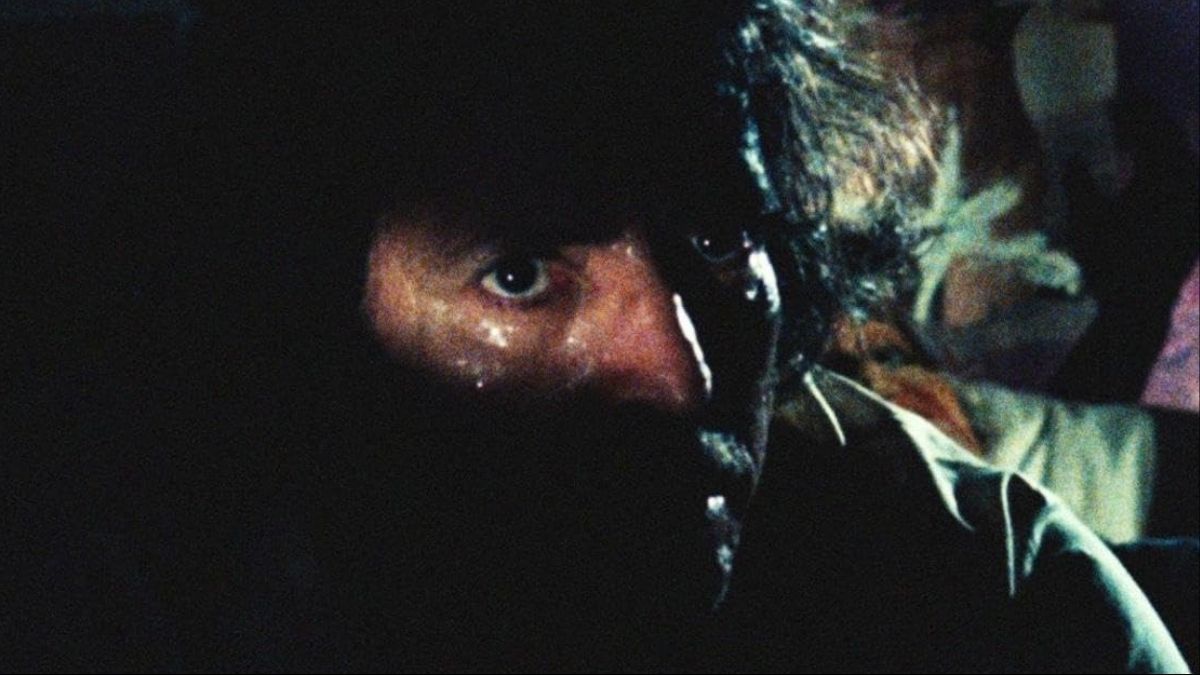
Perhaps no single figure has cast a longer shadow over the horror genre than Ed Gein. Though his tenure as a criminal in Plainfield, Wisconsin, was relatively short-lived upon his arrest in 1957, his crimes—specifically his penchant for exhuming graves and crafting macabre trophies from human remains—became the blueprint for the 20th century’s most famous fictional villains.
Psycho and the Mother Fixation
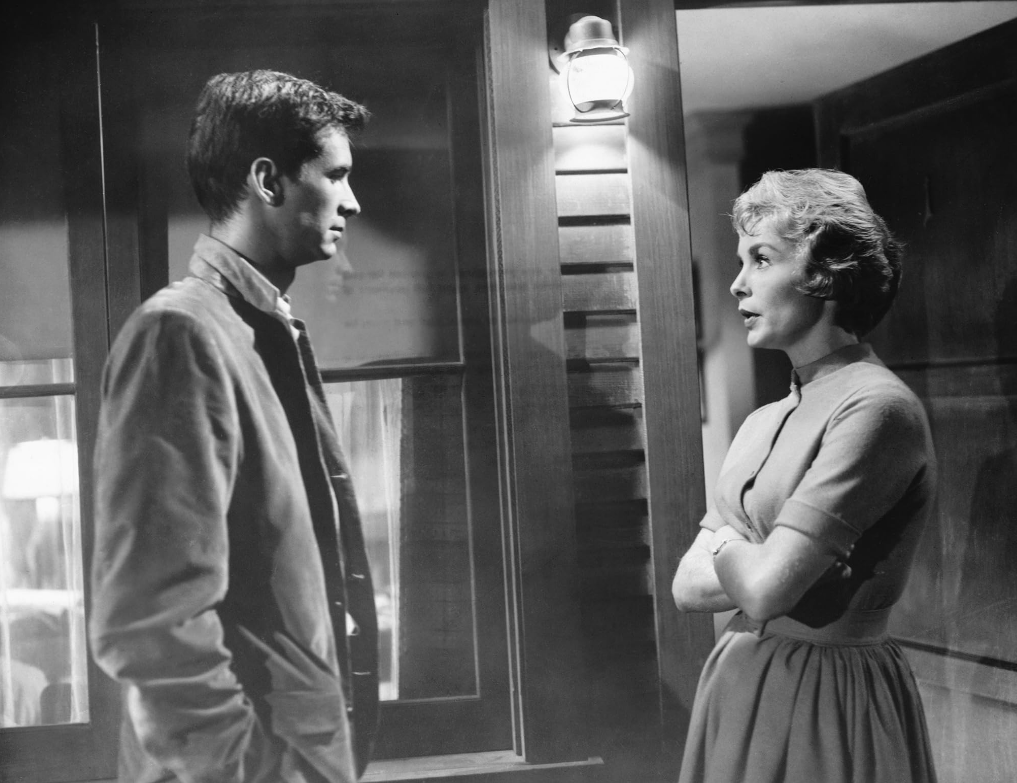
Alfred Hitchcock’s 1960 masterpiece, Psycho, serves as the foundational text for the "slasher" genre. While the film is a loose adaptation of Robert Bloch’s novel, the character of Norman Bates is an undeniable reflection of Gein’s deeply dysfunctional relationship with his deceased mother. Hitchcock didn’t need to portray the literal skin-suits or grave robbing to capture the essence of Gein; instead, he isolated the pathology of the "isolated mama’s boy," creating a character who felt disturbingly real to a post-war American audience.

The Texas Chain Saw Massacre and the Macabre Aesthetic
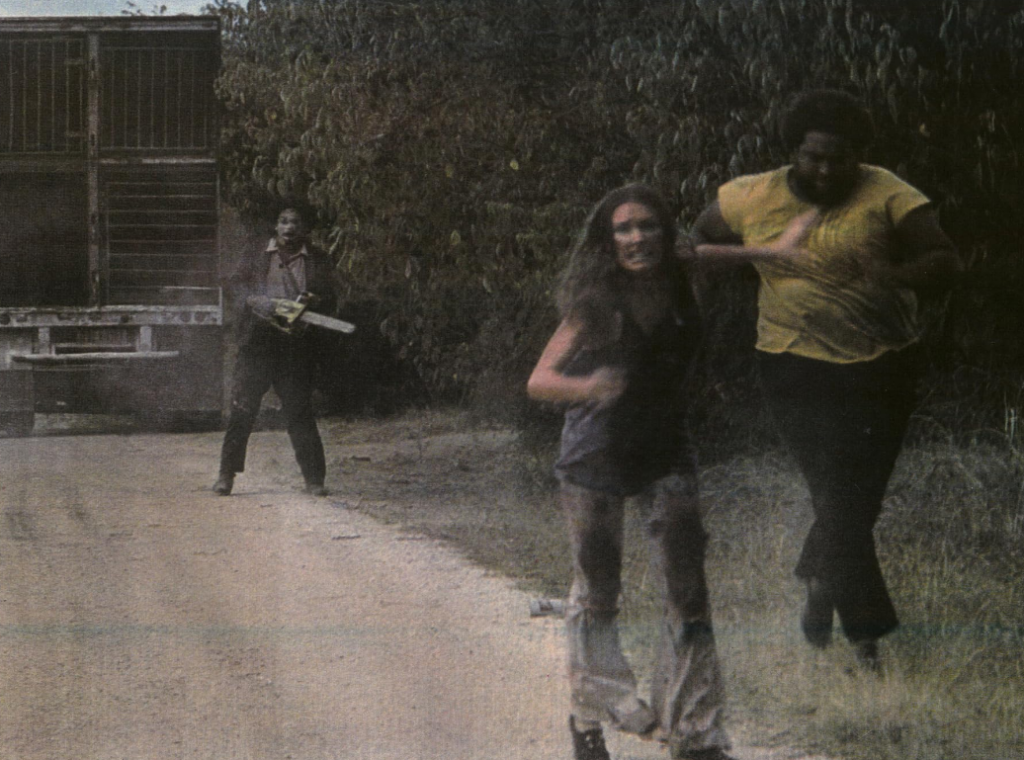
Fifteen years later, Tobe Hooper took a more visceral approach with The Texas Chain Saw Massacre. While the story of Leatherface and his cannibalistic family is entirely original, the aesthetic—masks fashioned from human skin, furniture built from bone—was pulled directly from the police reports of the Gein farm. Hooper wasn’t interested in the biography of a killer; he was interested in the atmosphere of the crime scene. By transposing those elements into a gritty, sun-drenched Texas landscape, Hooper proved that the most frightening horrors are those that feel like they could be happening just beyond the next dirt road.
A Chronology of Cinematic Fear
The history of horror is a map of human depravity. Filmmakers often look to the headlines of their time to ground their stories in a sense of "it could happen here."
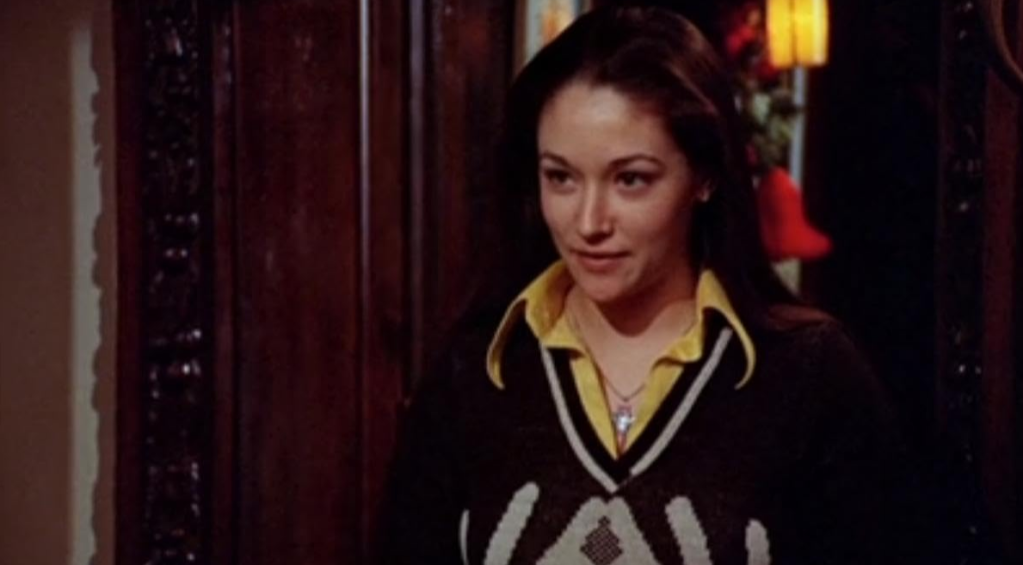
- The 1970s and the Rise of the Slasher: Films like Black Christmas (1974) tapped into the collective anxiety surrounding unsolved crimes, such as the elusive "Babysitter Killer." By leaving the antagonist faceless and the motive unclear, the film channeled the same public terror that gripped real neighborhoods.
- The 1980s and Psychological Realism: Maniac (1980) utilized the paranoia surrounding David Berkowitz (the "Son of Sam") to create an intimate, claustrophobic experience. It wasn’t about the media circus; it was about the fragmented mental state of an urban predator.
- The 1990s and Self-Awareness: Scream (1996) and Natural Born Killers (1994) moved toward a postmodern critique. Scream utilized the notoriety of Danny Rolling (the Gainesville Ripper) to frame a meta-narrative about the copycat nature of violence, while Natural Born Killers used the media-saturated frenzy of the Starkweather-Fugate spree to hold a mirror up to society’s hunger for sensationalism.
Supporting Data: Why Fiction Outlives Fact
Why do audiences prefer these fictionalized versions over documentaries? According to film historians, the "fictional buffer" provides a necessary psychological distance. When a movie like The Girl Next Door fictionalizes the horrific torture of Sylvia Likens, it allows the audience to confront the "banality of evil" without the invasive guilt of voyeuristically consuming a real victim’s suffering.
Furthermore, the "legend" factor plays a significant role. The Hills Have Eyes (1977) draws from the 16th-century Scottish legend of Sawney Bean. By grounding the horror in a folk-tale structure, the film taps into an ancient fear of the "outsider" or the "savage," a trope that has existed in human storytelling for centuries.
The Industry Perspective: Creative License
When asked about the ethics of drawing from real tragedies, many directors argue that the intent is to analyze the nature of evil rather than exploit it. Screenwriter Kevin Williamson, for instance, has noted that the Scream franchise was designed to highlight the absurdity of the "true crime" obsession that took hold in the 90s.
However, this creates an ongoing tension. Families of victims often decry these films as insensitive, yet the legal reality is that real-life crimes exist in the public domain. Once a crime becomes a part of the cultural zeitgeist, it becomes "fair game" for the storyteller. The implication for the industry is clear: horror that is "ripped from the headlines" will always be more profitable and more effective than purely supernatural tales, because it speaks to the fundamental truth that humans are the most dangerous animals on the planet.
Implications: The Moral Compass of Horror
The transition from the "monster under the bed" to the "monster in the neighborhood" has fundamentally changed the genre. We no longer fear vampires and werewolves as much as we fear the neighbor with the strange basement or the drifter with a hollow stare.
The Ethical Burden
The primary implication of this trend is the risk of desensitization. When real-life atrocities are used as "inspiration" for a popcorn flick, there is a risk that the gravity of the real event is diminished. Deranged (1974), which closely mirrors the Ed Gein case, is often criticized not for its lack of quality, but for its cold, clinical depiction of grave desecration.
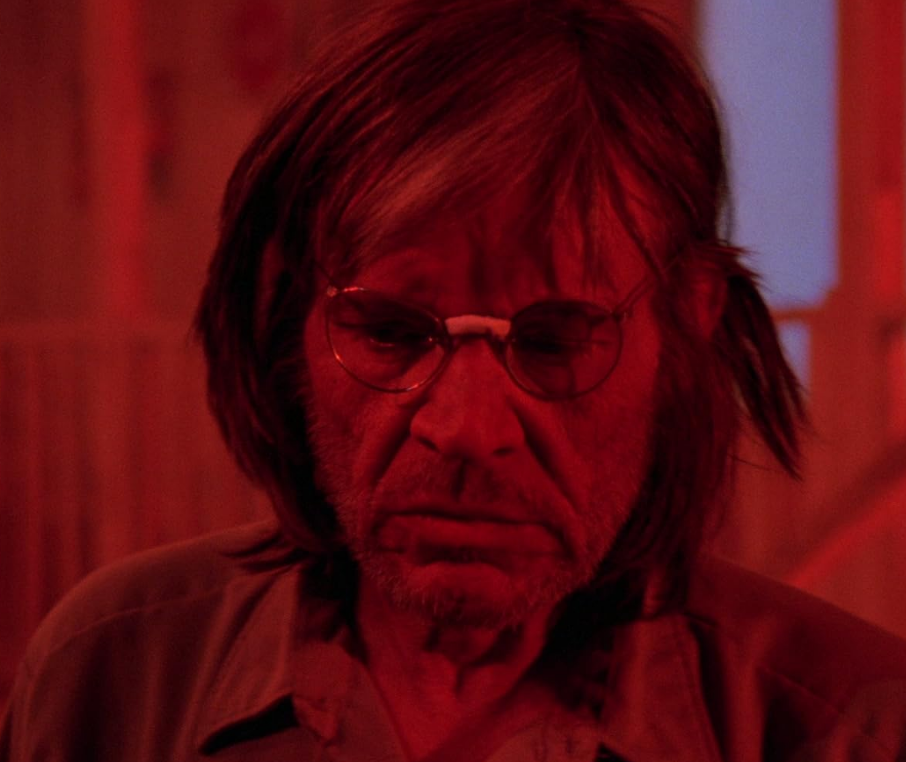
Conversely, films like Angst (1983) use the real-life crimes of Werner Kniesek to provide a harrowing, high-art psychological study. In this case, the goal isn’t to shock, but to challenge the viewer to occupy the mind of a monster—an exercise that is deeply uncomfortable but arguably necessary to understand the reality of violent crime.
Conclusion: The Mirror Reflects Back
Whether it is the desert cannibals of The Hills Have Eyes or the suburban terror of The Town That Dreaded Sundown, horror cinema will continue to look to the real world for its most effective scares. These films remind us that the monsters we fear in the dark are rarely creatures of folklore. They are us—our neighbors, our quiet acquaintances, our own darkest impulses given form.
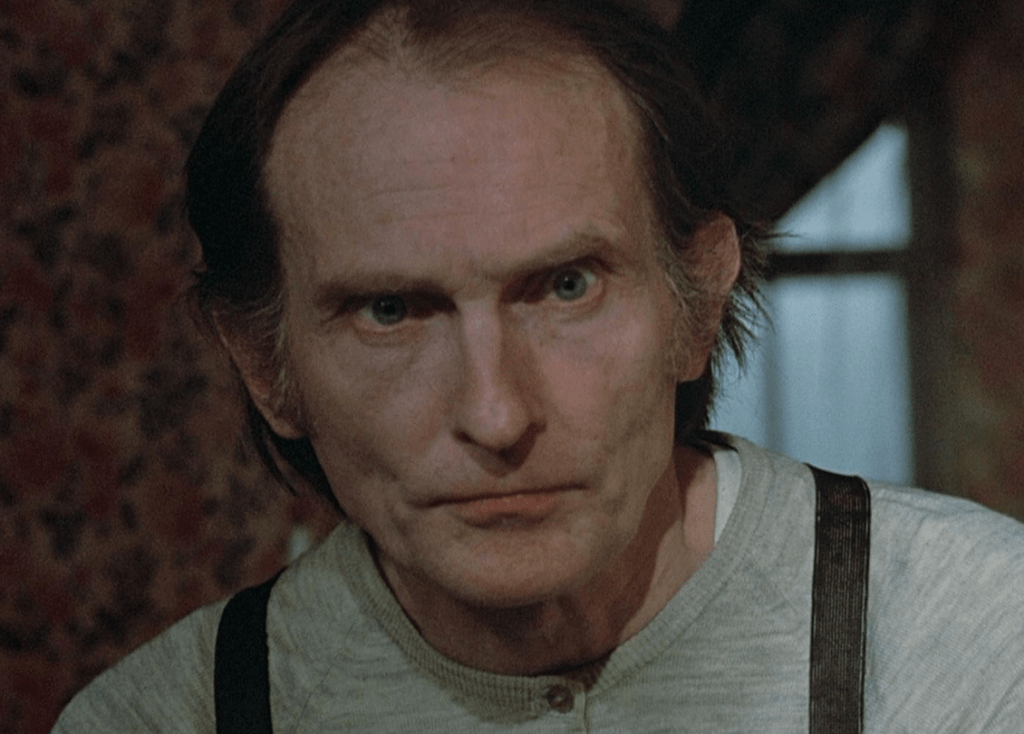
By blending reality with the craft of fiction, these filmmakers do more than just scare us; they provide a space to process the inexplicable nature of human violence. As long as there are stories of cruelty in the morning news, there will be a director looking to turn that shadow into a feature-length nightmare. The horror genre, in this sense, acts as the subconscious of our society, processing the traumas we are otherwise unable to name.

 Asep Darmawan
 Layla Zulfa