Nana Wu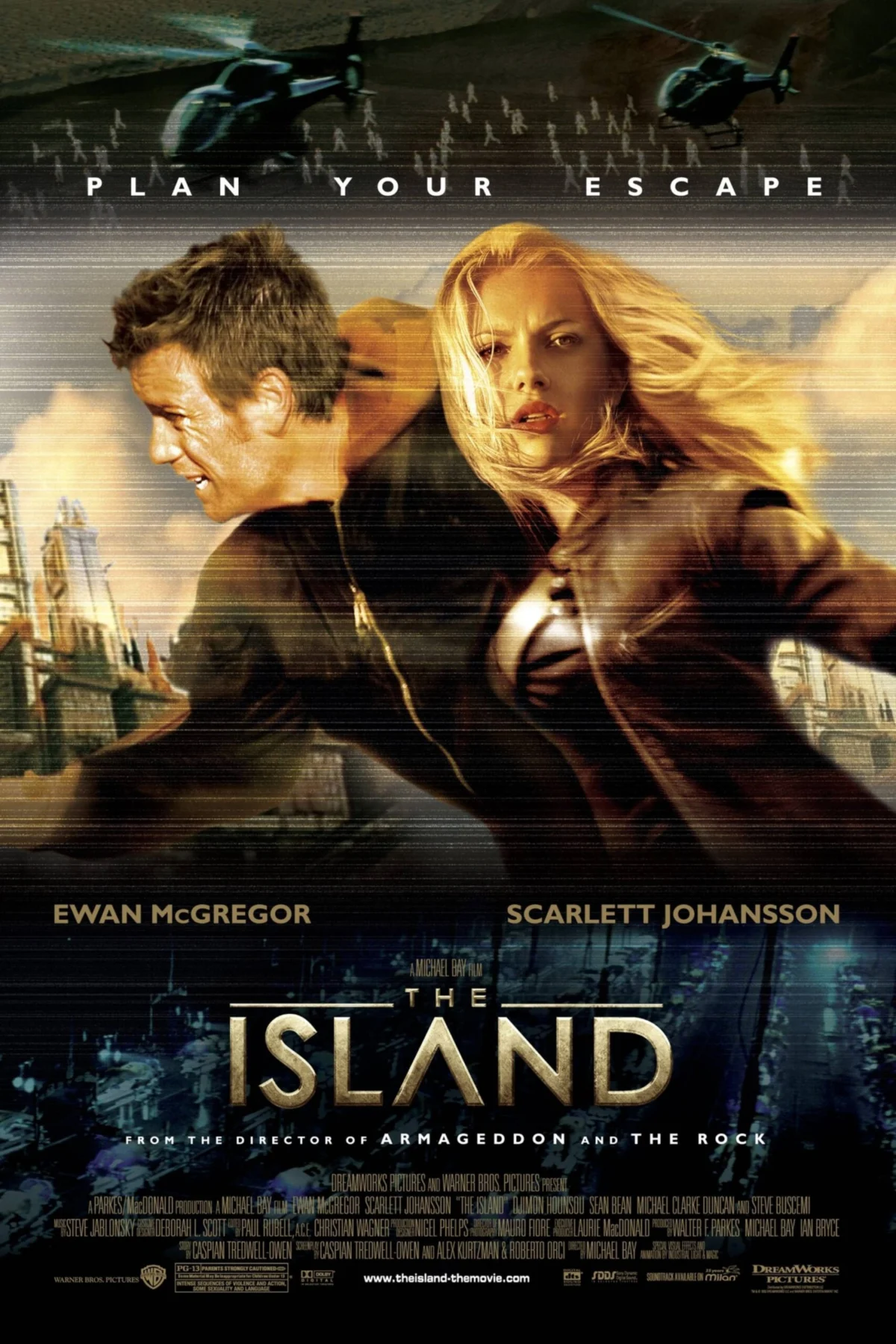
When film historians look back at the career of Michael Bay, the conversation almost inevitably gravitates toward the kinetic, explosive spectacle of the Transformers franchise or the adrenaline-fueled bravado of The Rock and Bad Boys. Bay has cultivated a reputation as the architect of the modern blockbuster, a master of "Bayhem" who prioritizes visual impact and high-octane pacing above all else. Yet, buried in the middle of his filmography—sandwiched between his early career successes and his decade-long devotion to giant robots—lies a project that defies the traditional "Bay" mold: 2005’s The Island.
At the time of its release, The Island was treated as a box-office disappointment, a rare misstep in a career defined by massive commercial returns. However, two decades later, the film warrants a rigorous re-examination. It stands as a chilling, thought-provoking piece of science fiction that proves Bay is capable of crafting deeply human, ethical inquiries even within the framework of a high-budget studio picture.
The Financial Paradox: A Blockbuster That Failed to Launch
To understand why The Island remains such a fascinating anomaly, one must look at the climate of the summer of 2005. It was a year of monumental cinematic titans. Just weeks before The Island hit theaters, audiences were still reeling from the cultural phenomenon of Star Wars: Episode III – Revenge of the Sith, the gritty reimagining of Batman Begins, and Steven Spielberg’s War of the Worlds.

Against this backdrop of established franchises and legendary directors, The Island struggled to find its footing. Produced on a substantial budget of $126 million, the film yielded a meager $35 million at the U.S. box office. While it found more success in international markets, the domestic performance was undeniably a "flop" by the standards of the time.
For a director whose brand was synonymous with guaranteed gold, the financial outcome was a shock. Bay himself has been candid about the frustration surrounding the film’s release, noting that it was an ambitious, original concept competing against an unprecedented wave of blockbusters. It was a high-concept gamble that, despite its polish and star power, failed to capture the zeitgeist of 2005.
The Narrative Architecture: A Dystopian Illusion
The brilliance of The Island—and perhaps why it didn’t fully resonate with mass audiences at the time—lies in its slow-burn, psychological setup. The film follows Lincoln Six Echo (Ewan McGregor) and Jordan Two Delta (Scarlett Johansson), inhabitants of a high-tech, hermetically sealed facility in the year 2019.

In this world, the planet has been rendered toxic by a global environmental catastrophe. The residents of the facility live in a controlled, sterile, and utopian existence, awaiting their turn to be selected for "The Island"—the last remaining habitable patch of Earth. It is a premise ripe with mystery, and Bay treats it with surprising patience. For the first act of the film, the audience is essentially trapped alongside the characters. We see the world through their limited perspective, questioning the nature of their existence just as they do.
When the curtain is pulled back, the revelation is genuinely haunting. The facility is not a sanctuary; it is an organ farm. The "residents" are clones of wealthy individuals, grown and kept in captivity so that their sponsors can harvest their organs in the event of illness or injury. The "lottery" to go to The Island is, in reality, a death sentence.
Ethical Complexity and the Question of the Soul
What elevates The Island above the standard "escape" action flick is its refusal to treat the moral quandaries as mere set dressing. The film engages in a sophisticated debate regarding the nature of the soul and the value of human life.
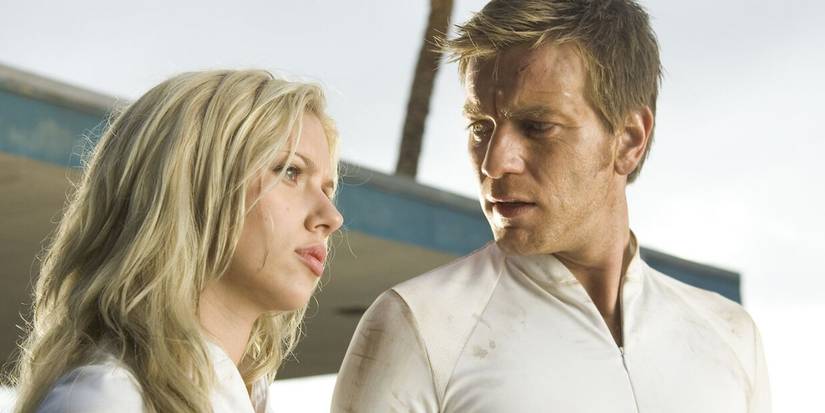
Dr. Merrick (Sean Bean), the architect of the cloning facility, presents a chilling utilitarian argument. He views the clones as "products"—meat without consciousness, designed to save the lives of "real" people. He points to the medical miracles he has performed, saving the lives of the wealthy and powerful. However, the film subverts this by forcing the audience to sympathize with the "products." When Jordan Two Delta discovers that her sponsor has a young son, the moral calculus becomes agonizing. Is the life of a clone worth less than the life of a person who has already lived, loved, and contributed to society?
The script, written by a team including Roberto Orci and Alex Kurtzman, leans into these existential questions. It forces characters to confront their own humanity in a world that denies it. When Lincoln Six Echo begins to dream, it is not just a plot point; it is a profound declaration of self-awareness. The film argues that consciousness, memory, and the capacity for hope are what define a human, regardless of how one is brought into the world.
The Aesthetic of Control: Michael Bay’s Visual Direction
Visually, The Island is a masterclass in contrasts. The facility is shot with cold, clinical whites and blues, emphasizing the sterile, artificial nature of the clones’ existence. When Lincoln and Jordan finally escape to the outside world, the palette shifts to the vibrant, chaotic, and sun-drenched colors of the real Earth.
Bay utilizes his signature camera techniques—the sweeping pans, the low-angle shots that frame characters as heroic, and the aggressive editing—to heighten the tension. However, in The Island, these techniques serve a narrative purpose: they highlight the transition from a world of total order to a world of absolute, unmitigated chaos.
Critics often dismiss Bay’s action sequences as "mindless," yet in The Island, the action is tethered to the characters’ desperate need to survive. The high-speed chase through the streets of Los Angeles, involving magnetic car-carriers and debris, is not just spectacle; it is a desperate attempt by two individuals to claim their place in a world that wants to delete them.
Implications for Modern Sci-Fi
Two decades after its release, The Island feels more relevant than ever. In an age of rapid advancements in biotechnology, CRISPR, and the ongoing debates surrounding artificial intelligence, the film’s central question—what constitutes a person?—is no longer the stuff of speculative fiction.
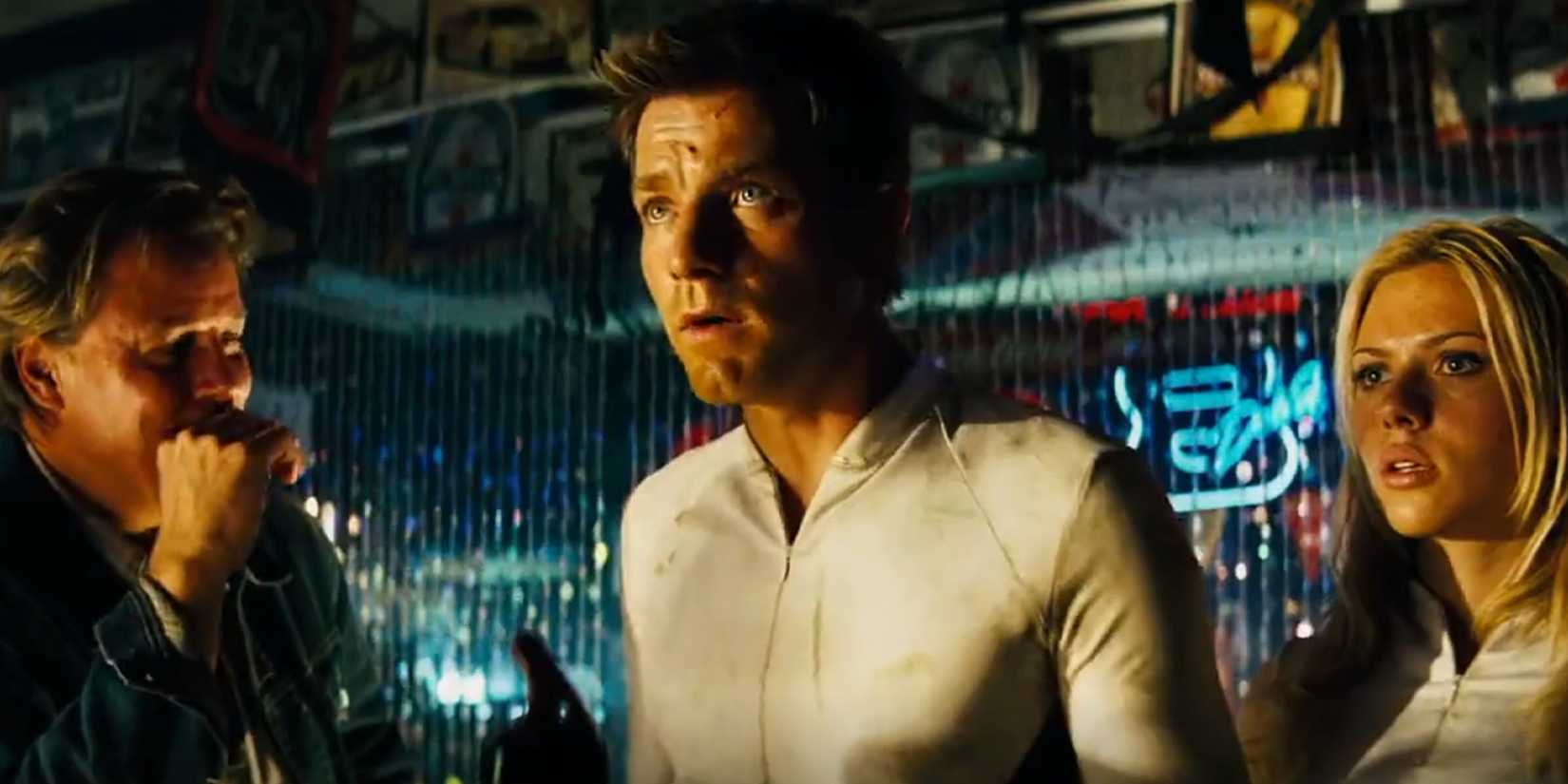
The film serves as a reminder that science fiction at its best is a mirror held up to society. It asks us to consider the cost of our comforts and the lengths to which we might go to extend our own lives. While it may have been overshadowed by its summer competition in 2005, its legacy is one of intellectual ambition.
Conclusion: A Legacy Reclaimed
It is time to shed the stigma that The Island is merely a "failed" Michael Bay film. While it may have underperformed at the box office, its failure was one of timing, not of quality. It remains a rare example of a director known for maximalist action taking the time to explore the minimalist, terrifying implications of high-concept science fiction.
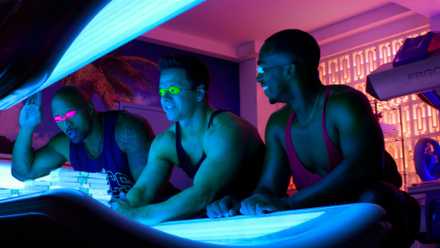
For those who view Michael Bay purely through the lens of Transformers or Pain & Gain, The Island offers a different perspective. It showcases a filmmaker who is capable of blending his trademark intensity with a genuine, heartfelt exploration of the human experience. As we look back, it is clear that The Island was a visionary piece of work—a story about the right to exist, the nature of consciousness, and the persistent, unyielding drive to find one’s place in the world. It is, perhaps, the most human film Michael Bay ever made.

 Asep Darmawan
 Layla Zulfa