Ali Ikhwan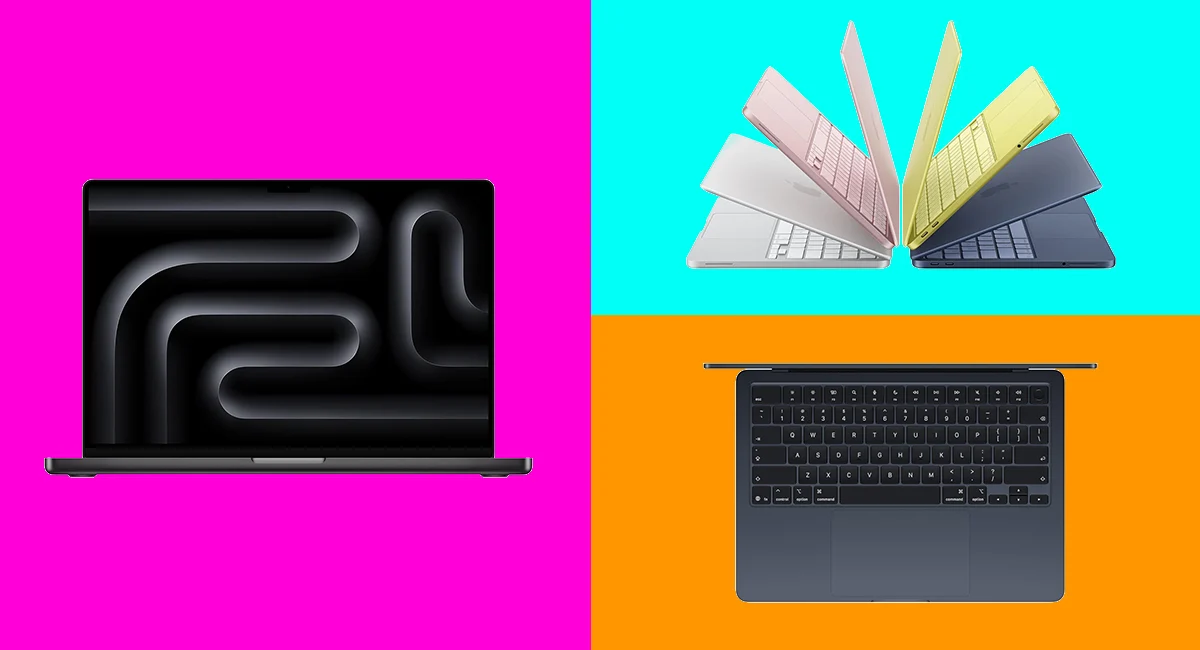
In a move that has sent shockwaves through the consumer electronics industry, Apple has officially implemented a sweeping price increase across its primary hardware portfolio. Effective immediately, consumers can expect to pay between 15% and 20% more for popular MacBooks, iPads, and smart-home devices.
This unexpected shift in pricing strategy follows mounting pressure on the global supply chain, specifically regarding the skyrocketing costs of Random Access Memory (RAM) chips. As geopolitical instability and shifting market demands continue to disrupt the manufacturing landscape, Apple has finally conceded that it can no longer absorb the escalating overhead costs associated with these essential components.
The Anatomy of the Crisis: Why Prices Are Rising
The core of the issue lies in the volatile market for high-performance memory modules. Over the past several months, semiconductor manufacturers have faced a "perfect storm" of challenges. These include raw material shortages, energy cost fluctuations, and supply chain bottlenecks exacerbated by ongoing geopolitical tensions in key manufacturing hubs.
For a company like Apple, which prides itself on integrating high-specification hardware with its proprietary silicon, the cost of RAM is not merely a line item—it is a critical pillar of their product architecture. When the cost of these components rises, the margins on high-end creative tools, such as the MacBook Pro or the iPad Pro, shrink significantly.
Industry analysts suggest that Apple’s decision to pass these costs onto the consumer is a defensive maneuver designed to protect their historically high profit margins. While the company has historically shielded customers from minor fluctuations, the current 15-20% hike signals that the market disruption is expected to be long-term rather than a temporary anomaly.
Chronology of the Shift
The lead-up to this announcement has been marked by speculation within the tech community. For weeks, supply chain insiders hinted at a potential "price correction" as memory spot prices reached their highest levels in over three years.
- Early Q1 2026: Reports from major semiconductor foundries indicated a tightening supply of DRAM and NAND flash memory, signaling potential trouble for electronics manufacturers.
- Mid-Q2 2026: Industry analysts noted a gradual increase in production costs for hardware manufacturers, with Apple reportedly in negotiations with suppliers to stabilize pricing.
- Early July 2026: Retailers and third-party distributors began observing a decrease in available promotional pricing for Apple products, suggesting an internal shift in Apple’s retail policy.
- Current Date: Apple officially updated its storefront prices, effectively ending the previous pricing tier and establishing the new, higher baseline for consumers.
Comparative Data: The New Cost of Entry
The following table highlights the disparity between the previous 2026 pricing model and the new, adjusted costs. The impact is felt most acutely in the entry-level professional segment, where price jumps of up to $200 are becoming common.
| Product | Former Price | Updated Price |
|---|---|---|
| MacBook Neo (256 GB) | $599 | $699 |
| MacBook Air (512GB) | $1,099 | $1,299 |
| MacBook Pro (1TB) | $1,699 | $1,999 |
| iPad Air 128GB (11") | $599 | $749 |
| iPad Pro 256GB (11") | $999 | $1,199 |
| HomePod | $299 | $349 |
| HomePod Mini | $99 | $129 |
| Apple TV | $129 | $199 |
Official Responses and Corporate Strategy
In a brief, carefully worded statement, an Apple representative acknowledged the difficulty of the decision, citing "unprecedented volatility in the global component market." The company emphasized that its commitment to hardware performance and quality remains unchanged, implying that they would rather increase the price of their devices than compromise on the technical specifications that users have come to expect.
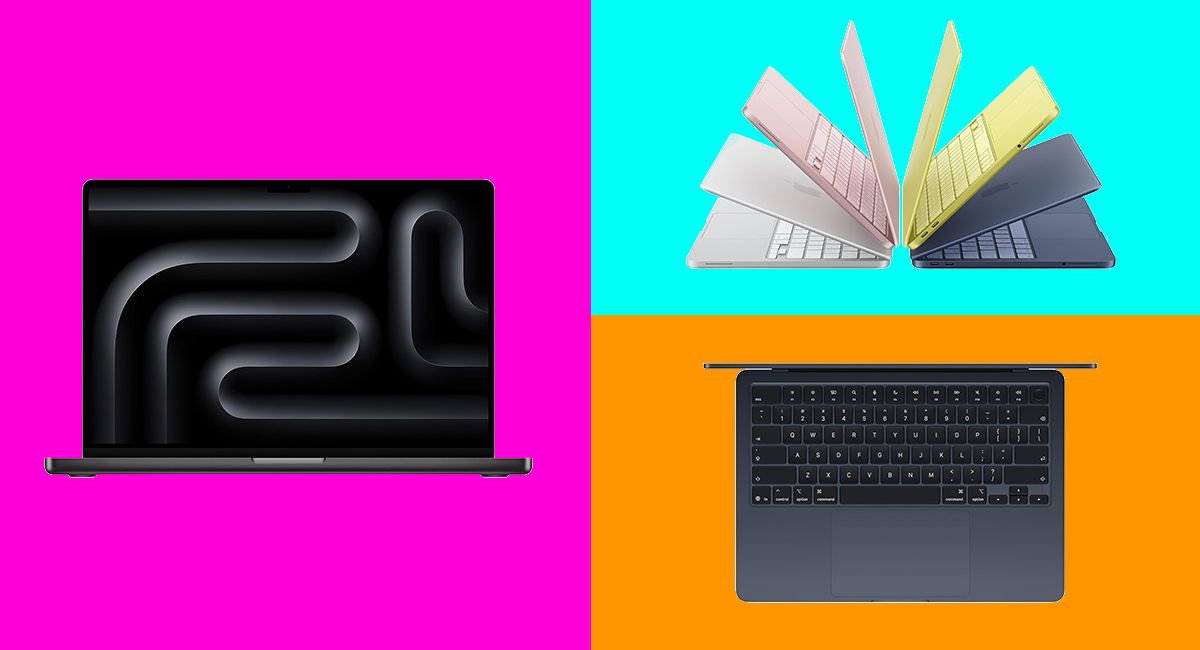
However, the tone from the Cupertino-based giant suggests a pivot toward a more conservative fiscal strategy. By raising prices, Apple is effectively testing the price elasticity of its dedicated customer base. The primary question remains: will the brand loyalty that defines Apple’s ecosystem be enough to withstand such a significant financial hurdle for the average student, creative professional, or casual user?
The Implications for Creative Professionals
For designers, video editors, and CAD engineers, this news carries profound implications. These professionals rely on specific memory-intensive configurations to perform their daily tasks. With the cost of a high-performance MacBook Pro rising by several hundred dollars, many freelancers and small studios may find themselves priced out of necessary hardware upgrades.
Our ongoing guides for the "best laptops for graphic design" and "video editing" are currently under intensive review. We are evaluating whether the performance-to-price ratio still holds up under the new valuation. While Apple devices remain industry standards for color accuracy and OS stability, the value proposition is undeniably being challenged by competitors who may be more effectively managing their supply chain overheads.
Navigating the Aftermath: Is There Still Value?
With the official Apple store now reflecting these higher prices, the era of "hidden" or "legacy" pricing has effectively ended. For those looking to upgrade their hardware, the search for value has shifted to the secondary market and remaining promotional inventory.
Retailers like Amazon, which may still hold stock purchased at previous price points, are currently seeing a surge in traffic as savvy consumers scramble to find lingering deals. However, inventory is rapidly depleting. As these final, older-priced units are sold, the market will likely reset to the new, higher standard, making deals increasingly rare.
Strategic Advice for Consumers
- Monitor Remaining Stock: Check third-party retailers for any units that have not yet been repriced. These are likely the last opportunities to purchase hardware at the 2026 introductory rates.
- Re-evaluate Needs: Consider if the "base" configuration of a device, even at a higher price, still meets your professional requirements, or if it is time to pivot toward refurbished options.
- Prioritize Longevity: Given the price increases, focus on machines that offer long-term support and hardware longevity to maximize the return on your investment.
Looking Ahead: What Does This Mean for the Future?
The ripple effects of this pricing adjustment will likely extend far beyond just Apple. When a market leader increases prices, it often provides a "price ceiling" that allows other manufacturers to follow suit, potentially leading to a broader industry-wide inflation of tech prices.
If the memory crisis persists, we may see a shift in consumer behavior. The "upgrade cycle"—where users replace their devices every two to three years—may extend to four or five years as the cost of entry becomes prohibitive. Furthermore, this could drive increased demand for the certified refurbished market, as consumers look for ways to circumvent the new retail prices while maintaining access to the ecosystem they prefer.
As we move forward, the tech industry will be watching closely to see if this move by Apple is a temporary correction or the beginning of a new, more expensive reality for digital tools. One thing is certain: the era of accessible, high-performance computing is currently navigating its most significant fiscal challenge in recent history. We will continue to track these developments and provide updates on how these changes affect the creative workflows that depend on these machines.

 Nana
Nana
 Siti Muinah