Nana Wu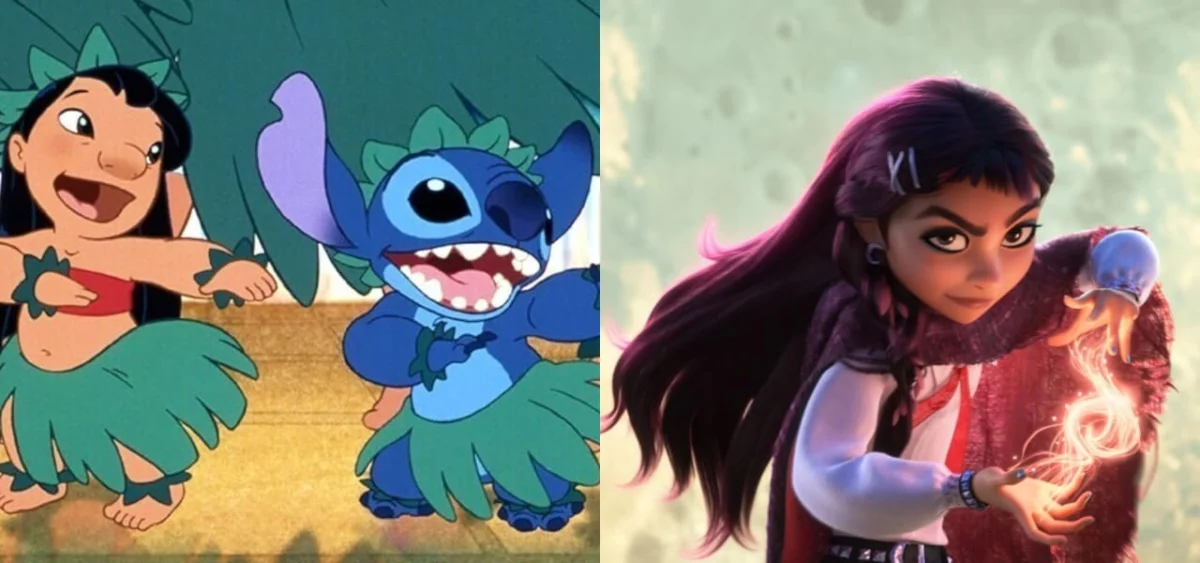
By Editorial Staff
June 26, 2026
The Annecy International Animation Film Festival, the world’s premier gathering for animation professionals, became the stage for a significant moment in Walt Disney Animation Studios’ history this week. During their highly anticipated annual presentation, Disney executives and creative leads peeled back the curtain on two distinct projects: the studio’s upcoming feature film Hexed and an unexpected, nostalgia-fueled surprise titled Lilo & Scratch.
For an industry often fixated on the relentless march of technological advancement, the presentation served as a poignant reminder of the enduring power of hand-drawn aesthetics, even when rendered through the sophisticated prism of modern digital production.
The Main Event: Bridging Generations with Lilo & Scratch
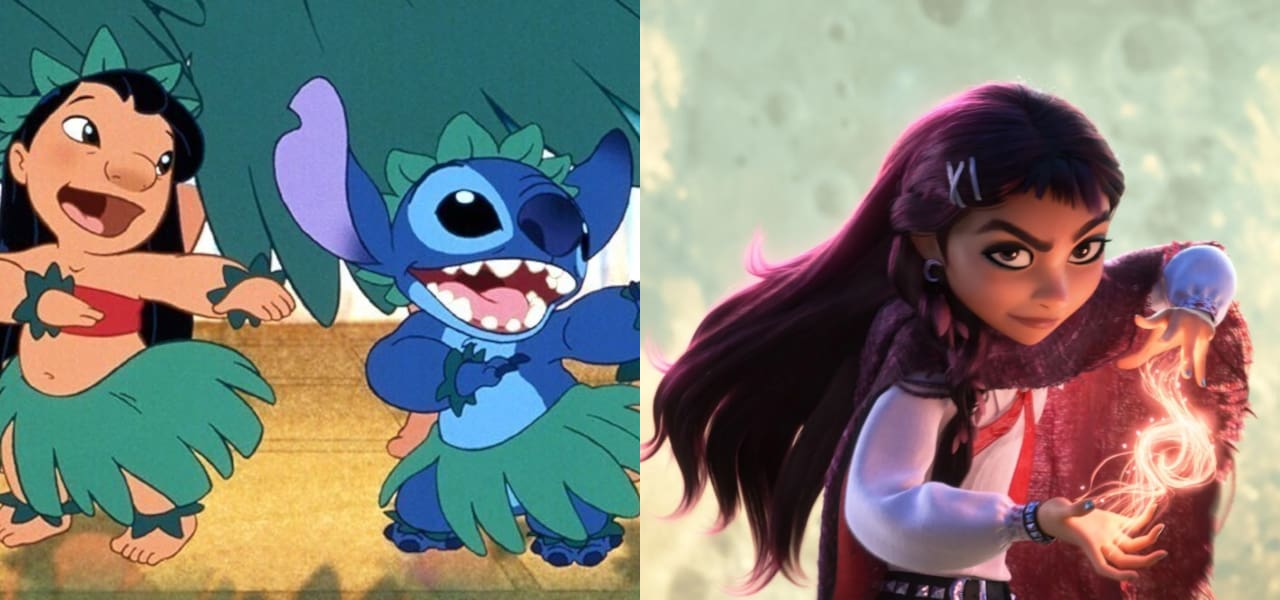
The highlight of the presentation—and the project that elicited the most visceral reaction from the Annecy crowd—was the unveiling of Lilo & Scratch. Directed by Fawn Veerasunthorn and Malcon Pierce, this short film acts as a direct narrative successor to the 2002 cult classic Lilo & Stitch.
The Narrative Hook
Set shortly after the events of the original feature, the short explores the domestic tranquility of Lilo and Stitch, which is abruptly shattered by the arrival of a chaotic rescue cat named Scratch. The footage debuted at the festival depicted a slapstick-heavy opening sequence, featuring Stitch lounging while watching classic comedy, only to find himself engaged in a high-octane, frenetic battle with his new feline housemate.
Honoring the Craft
The production team made a conscious effort to preserve the visual identity of the original film, which was renowned for its distinct watercolor backgrounds and character-driven animation. In a move that will undoubtedly thrill animation purists, Disney brought back original supervising animator Alex Cooper Schmidt to animate scenes on paper.
"He was always reminding us to push the animation very, very far," said director Fawn Veerasunthorn. "He would ask us, ‘What are you afraid of?’" This ethos of fearlessness in movement, combined with the return of Chris Sanders as the voice of Stitch and Maia Kealoha reprising her role as Lilo, anchors the short in an authentic emotional landscape.
Chronology of Production: A Hybrid Methodology
The development of Lilo & Scratch represents a masterclass in modern studio hybridity. The filmmakers explained that the project was designed to be inclusive of the entire studio’s artistic talent, regardless of their preferred medium.
- Early Development: The team began by analyzing the visual language of the 2002 original, specifically the iconic, hand-painted backgrounds.
- The Hybrid Integration: Utilizing a sophisticated pipeline, the team blended 3D character models with 2D traditional hand-painted elements. A standout demonstration during the panel showed a CG version of Stitch interacting with a hand-drawn Scratch. In a moment of technical wizardry, a laser gun held by Stitch shifts from a 3D asset to a 2D drawing mid-action—a seamless transition that highlights the studio’s technical prowess.
- The "Artist-First" Mandate: As Malcon Pierce noted, "Everything in this short was crafted by artists." This statement carried weight during a festival where the industry is grappling with the ethical and creative implications of Artificial Intelligence. While the team did not explicitly name AI, their emphasis on the "human touch" and "Cintiq pen" served as a clear philosophical stance against automated production.
Supporting Data: The Hexed Vision
Following the emotional high of the Lilo & Scratch reveal, the presentation shifted focus to Disney’s upcoming feature, Hexed. Directed by the same creative duo, the film is designed to fit squarely within the studio’s long-standing tradition of exploring the nature of magic.
Story and Scope
Hexed follows a teenager named Billie and her mother, Alice. Both are portrayed as feeling trapped by the mundanity of their daily lives—school and work—until Billie discovers latent magical powers. This discovery serves as the catalyst for a grand adventure.
Visual Identity and Influence
The character design team looked to the "Milt Kahl era" of Disney history, drawing heavy inspiration from the legendary animator’s work on characters like Shere Khan and Robin Hood. Kahl was known for "pushed" proportions—exaggerated shapes that allow for greater physical elasticity and expressive humor.
While online skeptics had previously theorized that Hexed might be framed in a vertical aspect ratio (mimicking mobile social media formats), the footage screened at Annecy proved otherwise. The film displayed varied, ambitious visual staging, confirming that the studio remains committed to the cinematic experience.
Official Responses and Creative Intent
The directors were candid about the pressures of creating original stories in a market saturated with sequels and established IP. Regarding Hexed, Veerasunthorn noted, "Across every era of Disney, there is one subject that has inspired so many films. From the Walt Disney era to the Renaissance to today, we’ve always loved exploring magic."
When addressed about the inevitable comparisons to other magical coming-of-age stories—such as DreamWorks’ Forgotten Island—the team remained optimistic. They argued that the "mother-daughter" dynamic at the heart of Hexed provides a unique emotional anchor that separates it from generic fantasy tropes. The filmmakers acknowledged that while the clips shown were unfinished, the polish and "Disney feel" remain the studio’s primary objectives.
.png)
Industry Implications: Where Disney Goes From Here
The Annecy presentation was not merely a showcase of upcoming assets; it was a strategic statement regarding the future of Walt Disney Animation Studios.
1. The 2D Renaissance
The overwhelmingly positive response to Lilo & Scratch proves that the demand for 2D animation is not merely a nostalgic niche but a vibrant, commercially viable interest. By utilizing a hybrid pipeline, Disney is signaling that they can deliver the "traditional" aesthetic while maintaining the efficiency of modern CG production.
2. The Human Element
In an era of rapid AI adoption, the explicit mention of "artists working in multiple disciplines" serves as a defensive bulwark. By highlighting the work of animators like Alex Cooper Schmidt, Disney is attempting to reaffirm its identity as a studio of master craftsmen, a narrative that is essential for maintaining brand loyalty among creative professionals.
3. Balancing Originality and Familiarity
Hexed sits at a precarious crossroads. While the studio clearly wants to innovate with its "Milt Kahl-inspired" designs, the narrative themes of teenage girls and magical portals are currently trending across the medium. Whether Hexed can transcend these familiar tropes will depend on the strength of the emotional core—the relationship between mother and daughter.
Conclusion
As the industry looks toward the late-year release of Hexed and the theatrical debut of Lilo & Scratch, the message from Disney is clear: the studio is looking backward to move forward. By reclaiming the stylistic hallmarks of its past—the watercolor backgrounds, the pushed character designs, and the hand-drawn ethos—Disney is attempting to bridge the gap between its storied legacy and the technical requirements of the next generation of animation.
Whether these projects will succeed in capturing the "Disney magic" that the audience expects remains to be seen, but for the attendees at Annecy, the glimpse provided was a reminder that when the artistry is front and center, the medium—be it 2D or 3D—matters far less than the soul behind the screen.

 Nana
Nana
 Siti Muinah