Basiran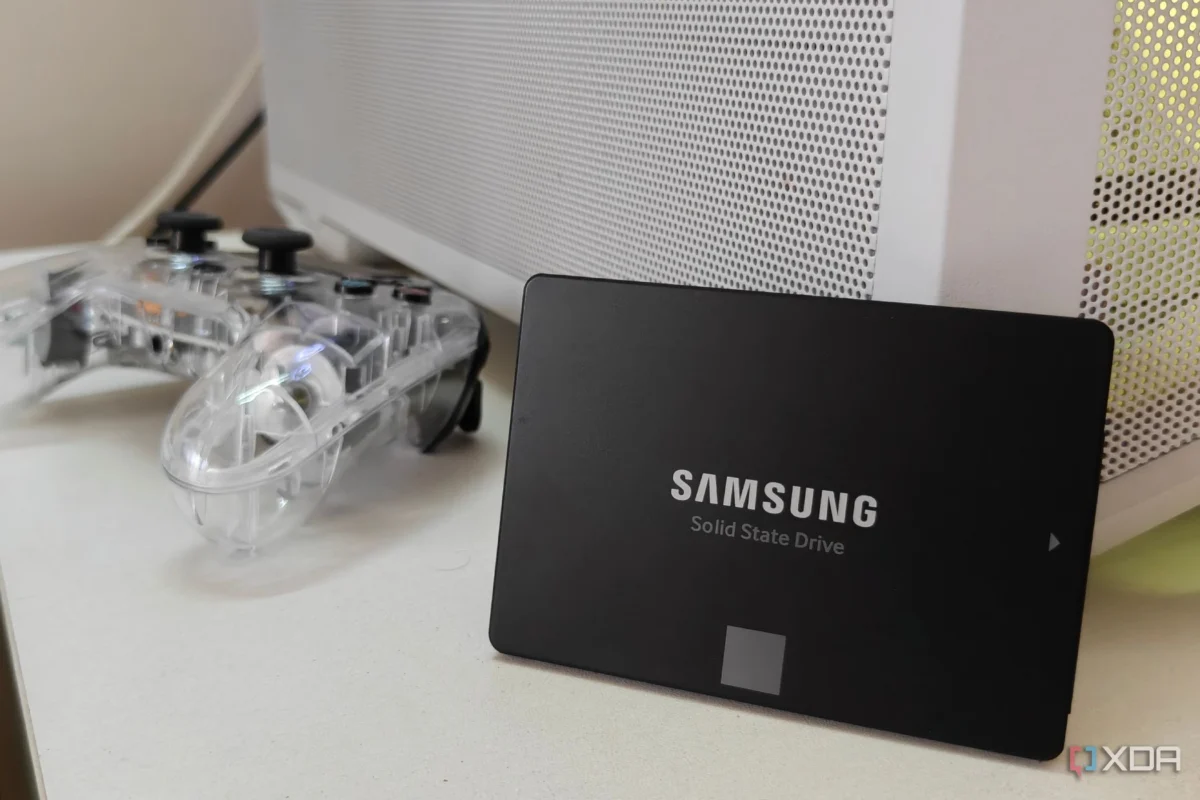
For the better part of a decade, the narrative surrounding PC building has been one of relentless pursuit: faster clock speeds, more cores, and, most importantly, higher storage bandwidth. We moved from mechanical hard drives (HDDs) to SATA SSDs, then leapt to NVMe, and eventually pushed into the blistering speeds of PCIe Gen4 and Gen5.
However, in mid-2026, the industry has reached an inflection point. As memory prices fluctuate and the cost of high-capacity NVMe drives reaches prohibitive levels for the average consumer, a growing segment of the PC gaming community is hitting the "pause" button. We are witnessing a surprising shift: the return of the SATA SSD as a viable, practical, and highly recommended storage solution.
Main Facts: The Price-to-Capacity Crisis
The fundamental issue facing modern PC enthusiasts is not technology, but economics. While NVMe drives—particularly those utilizing PCIe 5.0—offer theoretical throughput speeds that dwarf their predecessors, the "real-world" benefit has plateaued for the average gamer.
The primary fact remains: high-capacity storage (2TB and above) has become a luxury item. As manufacturers prioritize the development of enterprise-grade, high-speed NVMe modules, the consumer market for budget-friendly, large-capacity storage has been neglected. For the user who wants to house a massive Steam library, a collection of retro-emulation ROMs, and a growing archive of media, the cost-per-gigabyte of premium NVMe drives is becoming unsustainable. Conversely, SATA SSDs, while technically "slower," have maintained a stable price point, offering a much more accessible path to bulk storage.

Chronology: From Innovation to Stagnation
To understand this pivot, we must look at the trajectory of storage evolution:
- 2015–2018: The transition era. SATA SSDs were the gold standard for mainstream users, while early NVMe drives were reserved for professionals and enthusiasts.
- 2019–2022: The "NVMe for All" movement. Prices plummeted as manufacturing matured, making NVMe the default choice for almost every build.
- 2023–2025: The Gen5 Hype Cycle. Manufacturers pushed for PCIe 5.0, resulting in drives that were blisteringly fast but also prone to heat management issues and high prices.
- 2026: The Correction. With modern titles exceeding 100GB and the diminishing returns of raw bandwidth becoming apparent, builders are reconsidering the necessity of having every single byte of data on a Gen5 or even Gen4 NVMe drive.
Supporting Data: Benchmarks vs. The "Loading Screen" Reality
The marketing departments of major storage manufacturers love to highlight sequential read speeds. A Gen5 drive hitting 10,000 MB/s looks incredible on a spec sheet compared to a SATA drive’s 550 MB/s. However, empirical data from game loading tests reveals a different story.
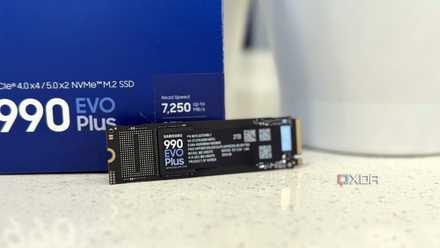
In most modern gaming scenarios—including titles that claim to support advanced features like DirectStorage—the difference between a top-tier NVMe and a standard SATA SSD is often measured in milliseconds, not seconds. While high-speed NVMe drives excel in massive file transfers and professional video editing, the "random 4K read" performance required for launching games is a bottleneck determined by the game engine, CPU, and shader compilation process.
Simply put, once you have migrated your Operating System and your "current play" titles onto a fast NVMe drive, the performance gap between storage mediums during actual gameplay is negligible. Data suggests that for 90% of a typical gaming session, the storage drive is effectively idling.
The Practical Implications of Hardware Real Estate
Beyond the cost and the performance metrics, there is the often-overlooked issue of physical space.
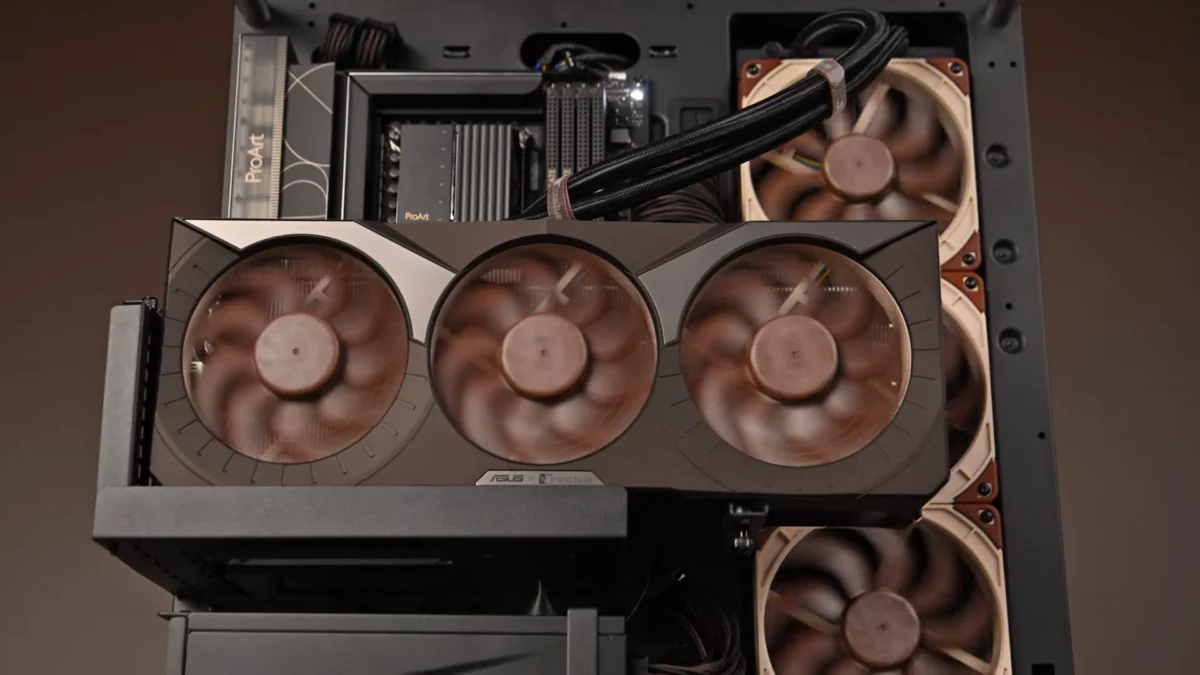
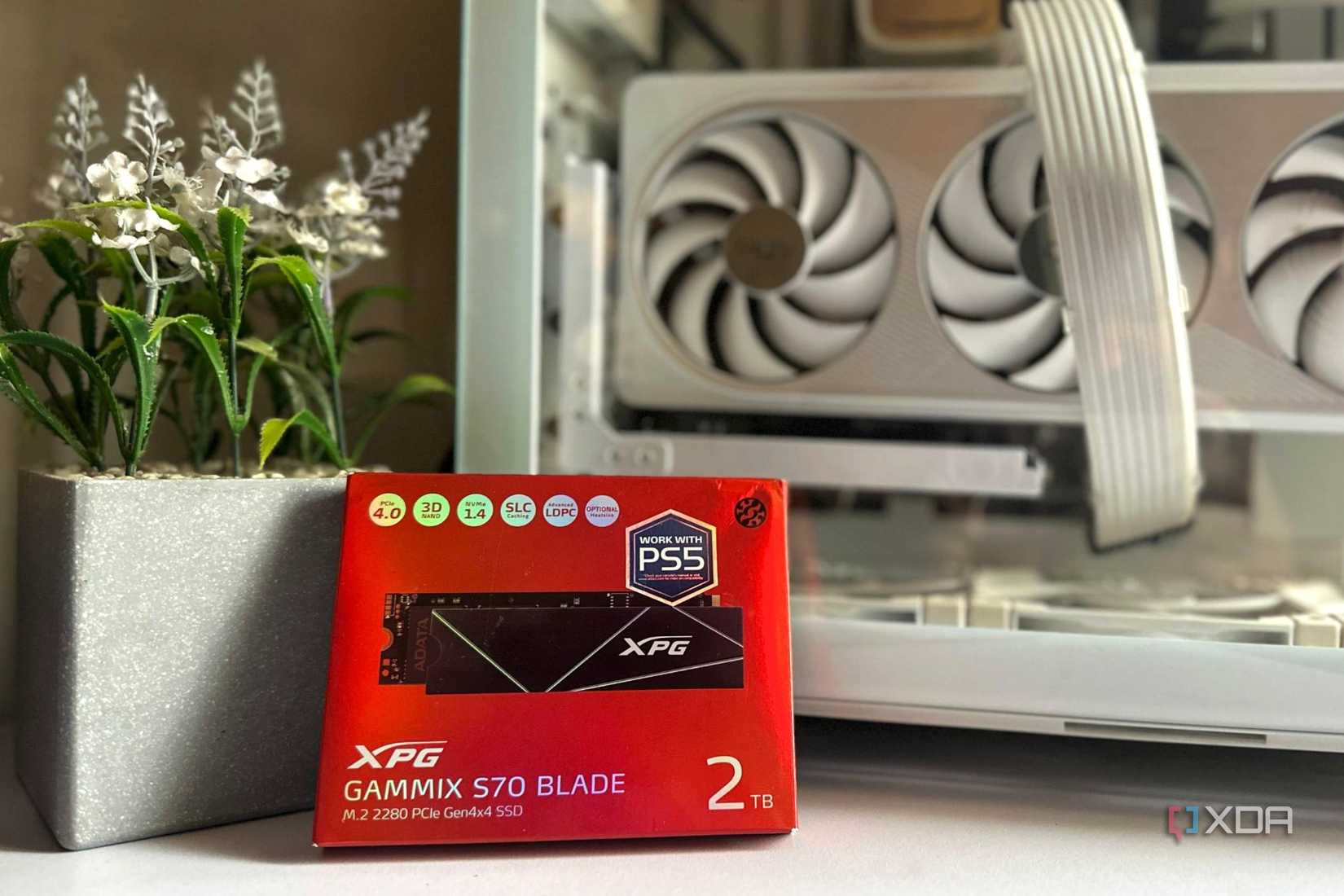
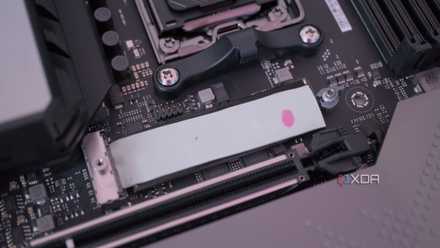
Modern motherboards are increasingly crowded. With large, triple-fan GPUs obscuring the area around the CPU socket, accessing an M.2 slot has become a chore. It often requires removing the graphics card, unscrewing a tiny, easily lost M.2 screw, and navigating around oversized motherboard heatsinks.
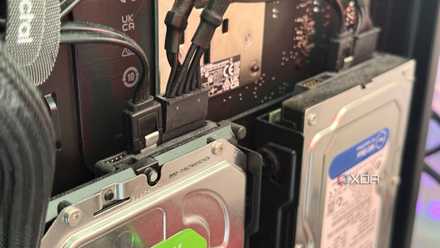
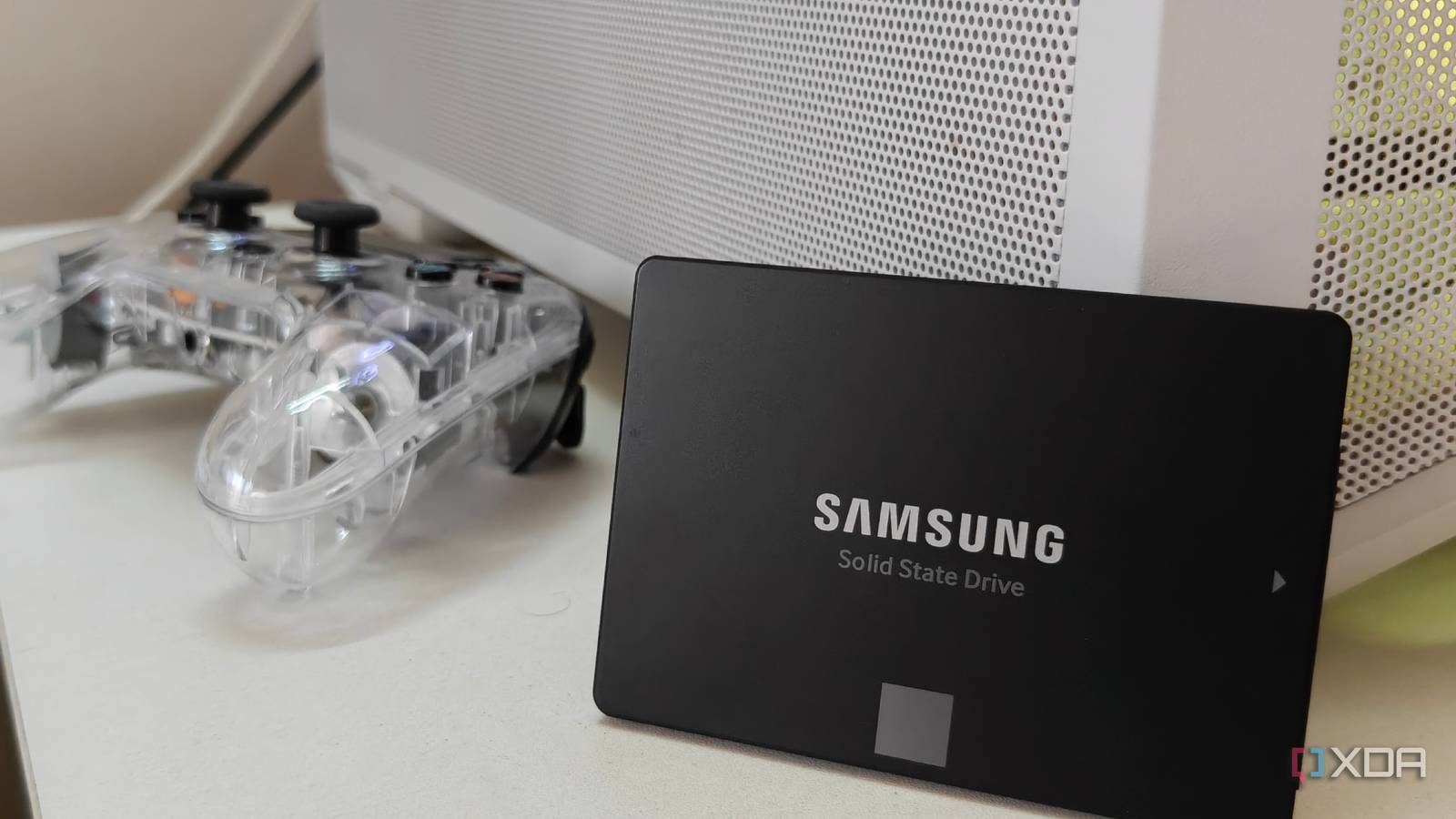
SATA SSDs solve this "real estate" problem. They rely on standardized cables that can be routed behind the motherboard tray, allowing for clean, non-intrusive upgrades. Most modern PC cases still include multiple 2.5-inch drive bays, and most power supply units (even the newest ATX 3.1 models) ship with a surplus of SATA power connectors. For the user, this means upgrading storage becomes a "plug-and-play" experience rather than an afternoon of cable management and thermal pad realignment.
Official Industry Perspectives
While manufacturers continue to push Gen5 and beyond, there is a quiet acknowledgement within the industry that the "prosumer" market is not the only market.
Industry analysts have noted that the "Storage Gap"—the divide between the ultra-fast, expensive NVMe drives and the reliable, affordable SATA drives—is widening. Representatives from major storage firms have suggested that while they are committed to the future of high-speed protocols, the "legacy" SATA interface remains one of the most profitable and high-volume segments of their business. They recognize that the "enthusiast" who demands 10GB/s is a minority compared to the "gamer" who simply needs another 2TB of space to install the latest AAA title without deleting three others.
Why the "Old Way" is the New Smart Way
The return to SATA is not about rejecting innovation; it is about embracing common sense. For years, the PC building community has been obsessed with "future-proofing." We bought faster RAM than our CPUs could handle, Gen5 SSDs that our motherboards barely supported, and power supplies with more wattage than our systems would ever draw.
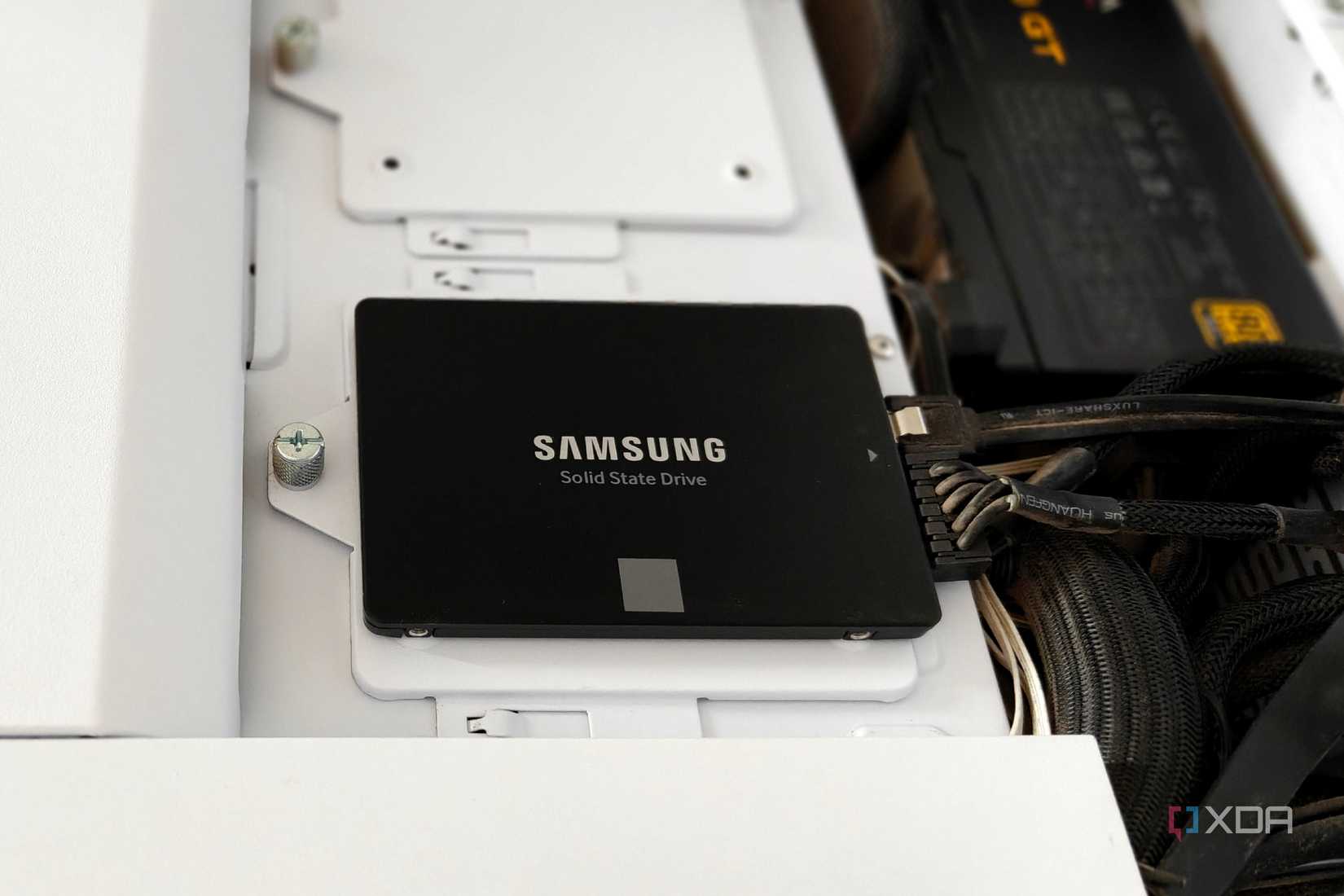
The "SATA Renaissance" represents a return to utility-first building. It is a recognition that our PCs are not just testing rigs for benchmark software, but tools for entertainment.
The Hybrid Strategy: A Blueprint for 2026
If you are planning an upgrade in the latter half of 2026, the most professional recommendation is a hybrid approach:

- The "Primary" Drive: Use a single, high-quality 1TB or 2TB Gen4/Gen5 NVMe drive specifically for your Windows installation, critical system files, and the one or two "main" games you play daily.
- The "Library" Drive: Utilize 2TB or 4TB SATA SSDs to house your backlog, emulation collections, and secondary applications.
By separating your storage into these tiers, you maximize your budget and minimize the physical stress on your system. You stop the cycle of "price-tracker fatigue"—constantly checking for a sale on a drive that is technically faster than what you actually need.
Conclusion: Value Over Vanity
As we move further into 2026, the obsession with the "bleeding edge" is fading in favor of a more pragmatic approach to PC maintenance. While the industry will continue to promote the virtues of high-speed NVMe technology, the consumer holds the power to decide what is truly necessary.
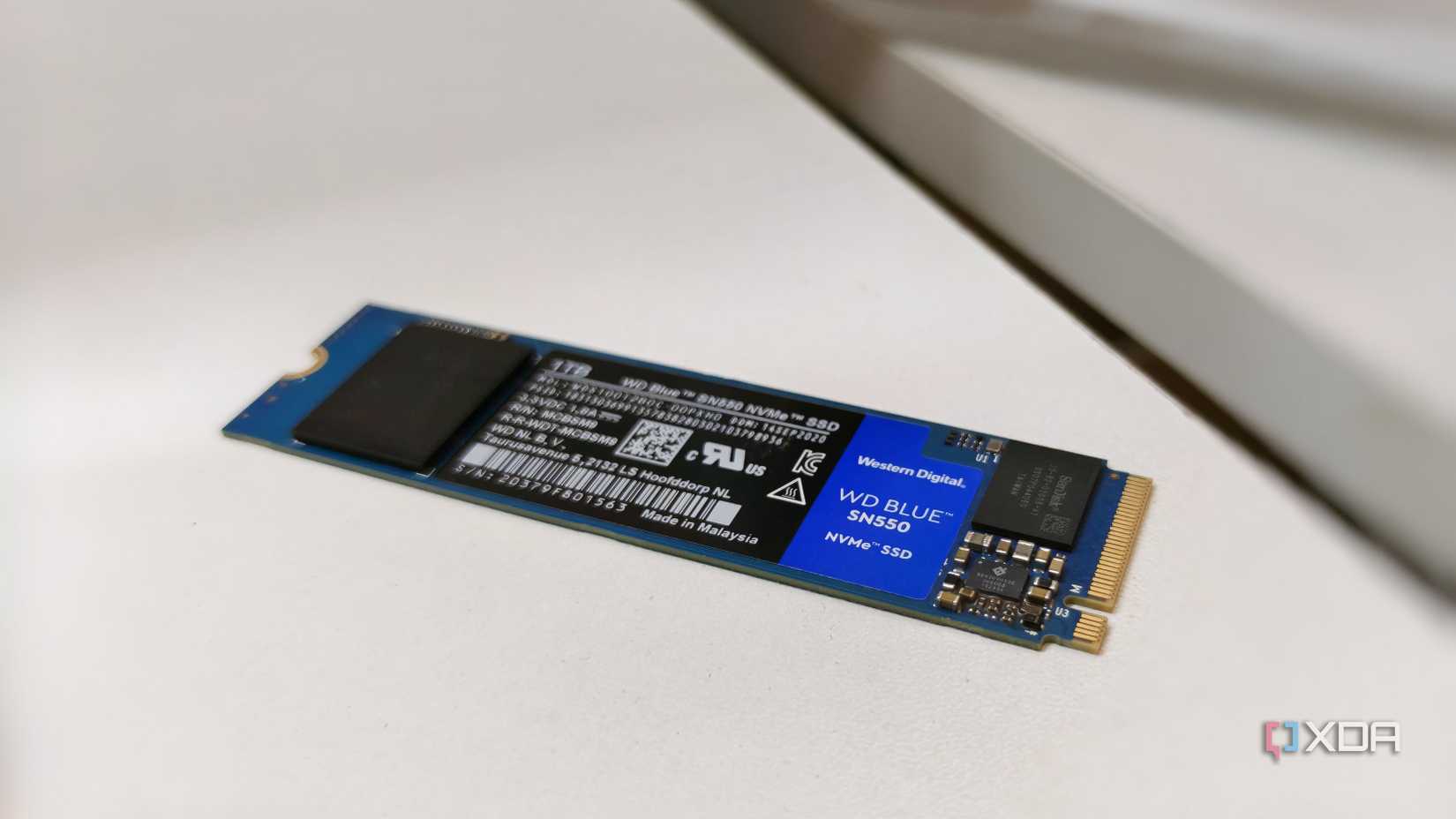
SATA SSDs might not be the most exciting components on the market. They don’t feature in YouTube "fastest build" videos, and they don’t boast massive, complex heatsinks. But they offer something far more valuable: the ability to store more, spend less, and focus on what actually matters—the games themselves. In a world where every dollar counts and game sizes continue to climb, sometimes the most "advanced" move you can make is to look at what worked yesterday and realize it still works perfectly today.


 Ali Ikhwan
 Lina Hope