Suro Senen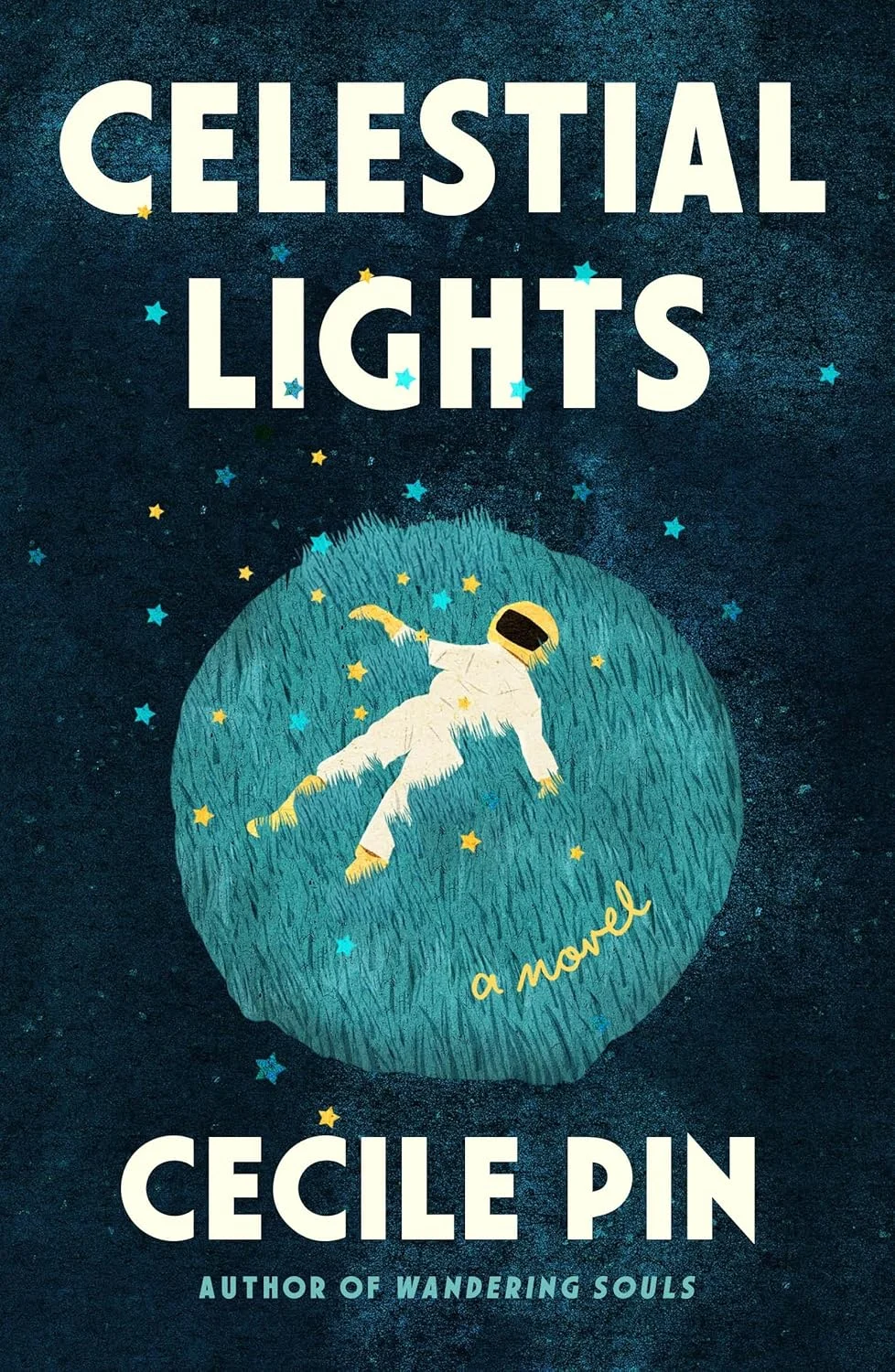
The literary landscape of early 2026 is shaping up to be a transformative period for speculative fiction. As the genre continues to broaden its reach—blending historical inquiry, technological anxiety, and profound explorations of the human condition—readers are presented with a robust catalog of debuts, long-awaited collections, and critical discourse. From the surreal reinterpretations of history to the high-stakes navigation of near-future artificial intelligence, the upcoming slate of releases demonstrates the genre’s unique capacity to mirror contemporary fears while simultaneously providing an escape into the unknown.
The Evolution of the Short Story and Collection
Short fiction has long served as the crucible for the most daring experiments in science fiction and fantasy, and 2026 is no exception. This spring, several luminaries and promising new voices are offering collections that push the boundaries of narrative form.

Senaa Ahmad leads the charge with her debut collection, The Age of Calamities (Holt, January 2026). Comprising nine stories, the collection navigates the intersection of the surreal and the historical. Ahmad’s work is characterized by its playful defiance of linear time and logic—ranging from an immortal Anne Boleyn to a choose-your-own-apocalypse narrative set within the confines of the Manhattan Project. Kelly Link, a titan of the short story form, has lauded the collection as “dazzlingly inventive,” noting that Ahmad’s work highlights the persistence of ancient myths within the mundane framework of contemporary life.
Similarly, Samantha Mills returns with Rabbit Test and Other Stories (Tachyon, April 2026). This 13-story volume serves as a career-spanning retrospective, featuring works published between 2018 and the present, including her Hugo, Nebula, Sturgeon, and Locus Award-winning title story. Mills provides a vital afterword that contextualizes the inspiration behind her work. As critic Abigail Nussbaum observes, “In every story here, there is a twist on the familiar that is entirely unexpected,” cementing Mills’s reputation as a master of the subverted trope.

The season also sees the return of Michael Swanwick with The Universe Box (Tachyon, February 2026). This 19-story collection is an eclectic showcase of Swanwick’s range, bridging the gap between magic and science to forge new, modern mythologies. Gary K. Wolfe, a prominent voice in genre criticism, notes that the collection highlights Swanwick’s ability to pair “narrative adventurousness” with “evocative, graceful prose.”
Finally, Kim Samek’s debut, I Am the Ghost Here (Dial, February 2026), rounds out the short fiction offerings. Her 12-story collection explores the fragile threads of human connection in an increasingly technological age. Blending magical realism with a sharp, witty sensibility, Samek tackles the heavy themes of trauma and grief with a deft hand, marking her as a significant new voice in the genre.

Expanding Worlds: Novels and Series Returns
While short fiction provides a snapshot of the genre’s versatility, the upcoming novel releases offer deep dives into expansive, immersive worlds.
Terry Dowling, a celebrated figure in Australian speculative literature, is set to make a significant impact on the international market. PS Publishing is releasing a dual volume of his work in March 2026: the long-awaited UK publication of his classic collection Wormwood—a series of ten linked stories set on a far-future Earth transformed by alien influence—paired with a new novel, Bedlam Rose. This release invites new readers to experience Dowling’s stylized, complex prose, which Alexandra Pierce describes as a “very good introduction” to his unique, playful world-building.

In the realm of near-future satire, Justin Feinstein makes his debut with Your Behavior Will Be Monitored (Tachyon, April 2026). The novel follows a protagonist tasked with training an AI to master emotionally manipulative advertising, presented through an epistolary format of emails, transcripts, and internal memos. The project serves as a stark reflection of the current AI boom; Feinstein himself admitted in the book’s afterword to constantly revising the manuscript to keep pace with the rapid, often alarming, acceleration of real-world technology.
Cecile Pin’s Celestial Lights (Holt, March 2026) offers a more grounded, yet equally ambitious, look at the human experience. Centered on an astronaut born during the Challenger disaster, the novel tracks his lifelong obsession with space and his eventual mission to Europa. Colleen Mondor characterizes the work as “beautifully written and achingly realistic,” highlighting a shift toward “hard” science fiction that remains deeply invested in the emotional stakes of its characters.

For readers seeking horror, Sara Hashem’s Where No Shadow Stays (Holiday House, March 2026) promises a chilling YA experience. By blending the cultural specificity of an Egyptian-American homecoming queen’s return to her ancestral home with a supernatural, generational curse, Hashem crafts a narrative that spans multiple time periods and perspectives.
Finally, the thriller genre finds representation in Andrew Ludington’s Double Shadow (Minotaur, April 2026). As the second installment in the Splinter Effect series, the novel continues the adventures of time-traveling archaeologist Rabbit Ward. With a plot that takes the protagonist to first-century Jerusalem, the book manages to weave together the disparate threads of historical adventure, romance, and the procedural tension of a serial killer hunt.

The Scholarly Perspective: Conversations on Genre
The health of any literary genre is best measured by the critical discourse surrounding it. Trace Elements: Conversations on the Projects of Science Fiction and Fantasy (Tor, March 2026) by Jo Walton and Ada Palmer is an essential contribution to this conversation. A non-fiction collection featuring 25 essays and five poems, the book examines how speculative fiction functions, how it has evolved, and how it is read by its audience. Gary K. Wolfe describes it as a “lively and sometimes surprisingly personal appreciation of the field,” offering a rare, behind-the-curtain look at the genre from two of its most distinguished practitioner-scholars.
Implications for the Future of Publishing
The diversity of this 2026 release schedule suggests several key trends in the industry:

- The Persistence of the "Speculative Hybrid": There is a clear move away from rigid sub-genre classification. Authors are increasingly comfortable blending high-concept SF with historical fiction, horror, and literary character studies.
- The "AI Anxiety" Narrative: As seen in Feinstein’s work, the rapid advancement of artificial intelligence is no longer just a background element in science fiction—it is the central conflict. Authors are no longer predicting the future; they are documenting the present.
- The Demand for Collections: Despite the market preference for novels, the success of authors like Samantha Mills and Senaa Ahmad highlights a resilient and hungry audience for short-form fiction that can be consumed in distinct, powerful bursts.
- Genre Legitimacy: The inclusion of critical essays (Walton/Palmer) alongside commercial fiction demonstrates that the speculative community continues to value rigorous self-examination, ensuring that the field matures alongside its readership.
As we look toward these releases, it is clear that speculative fiction remains the most vital tool we have for interpreting a world that feels increasingly like science fiction itself. Whether through the lens of a historical reimagining or the cold, calculated code of an advertising AI, these works demand our attention and promise, in return, a better understanding of the human condition.
Locus Magazine continues its mission to track and analyze these developments. As we provide hundreds of reviews and insights throughout the year, we rely on the support of our readers. Please consider donating to our ongoing fundraising campaign to help us sustain this critical discourse.

 Azzam Bilal Chamdy
 Raul Delapena Setiawan