Lina Hope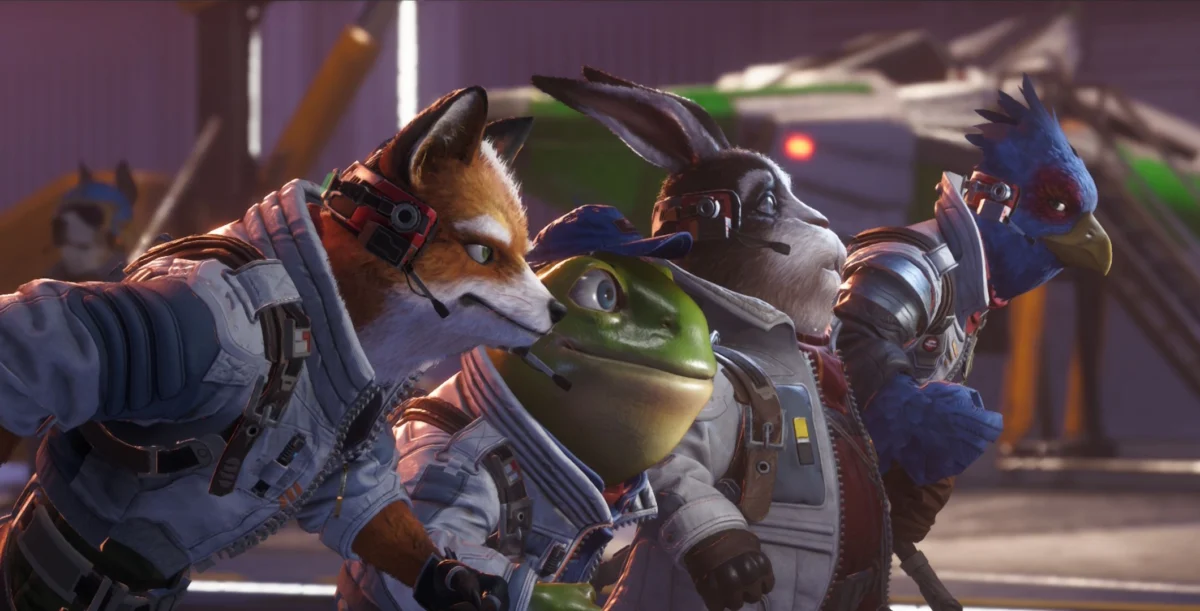
Published: June 26, 2026, 2:31 PM EDT
By: Josh Broadwell
The gaming landscape of 2026 is abuzz with the release of Velan Studios’ Star Fox for the Nintendo Switch 2. While the return of Fox McCloud and his intrepid team has undoubtedly ignited excitement among long-time fans, its identity as a reimagining of the beloved Star Fox 64 has simultaneously sparked a contentious debate. Is this a cynical nostalgia play, or a strategic move to reintroduce a classic to a new generation? For one particular reviewer, the latter rings profoundly true, transforming a decades-old franchise into a compelling new experience.
Main Facts: Revitalizing a Dormant Legend
Velan Studios, in collaboration with Nintendo, launched Star Fox for the Nintendo Switch 2, marking a significant entry for the nascent console. The game, a comprehensive visual and gameplay overhaul of the iconic Star Fox 64, has been met with a bifurcated reception. On one side, veterans of the Lylat System express a yearning for original content, viewing the remake as a safe, albeit polished, retread. Many critics, while acknowledging the game’s technical prowess, echoed this sentiment, wishing for a bolder creative direction beyond the familiar "do a barrel roll."
Yet, a substantial segment of the gaming public, including this author, finds themselves captivated by this new iteration. For those who, by circumstance or choice, missed the Nintendo 64 era and its seminal rail shooter, this Star Fox serves as an immaculate entry point. It is precisely because Star Fox 64 is approaching its 30th anniversary, and Fox McCloud’s cultural footprint pales in comparison to Nintendo’s titans like Mario or Link, that this strategy appears shrewd. A faithful, yet modernized, reboot of the series’ most popular installment offers a golden opportunity to cultivate new fans and restore the franchise’s prominence.
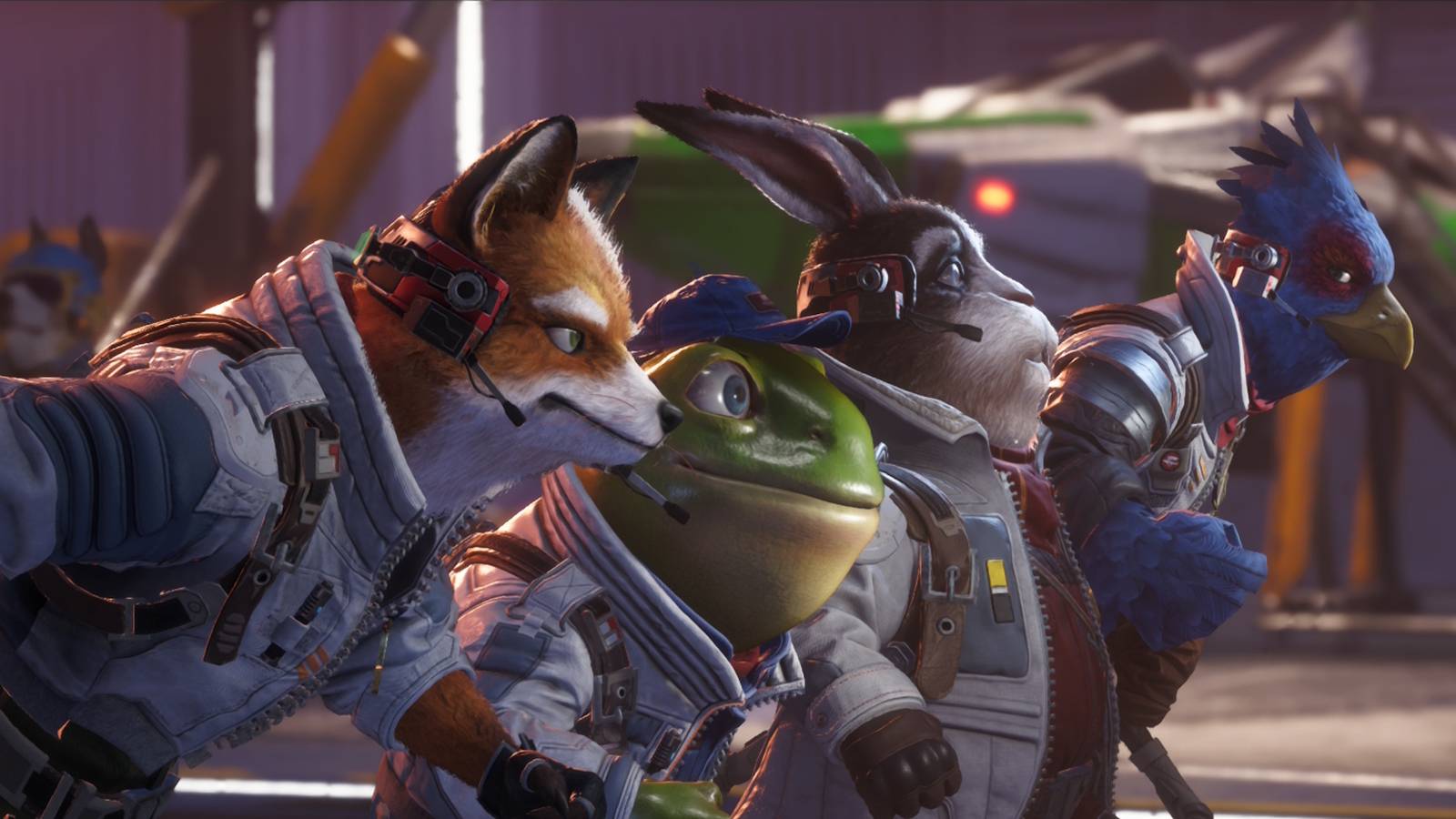
The core of the game remains the thrilling, on-rails aerial combat and vehicular segments that defined its predecessor. Players guide Fox McCloud and his team – Falco, Slippy, and Peppy – through diverse planetary environments, battling the forces of Andross. However, Velan Studios has meticulously enhanced every aspect, from the dazzling 4K visuals leveraging the Switch 2’s capabilities to the exquisitely refined sound design and expanded narrative elements. These additions aim to provide a more immersive and accessible experience for contemporary audiences, proving that sometimes, the best way forward is to expertly revisit the past.
Chronology: From Pixelated Past to Polished Present
The journey of the Star Fox franchise has been a fascinating, if at times uneven, one. Understanding its trajectory is crucial to appreciating the context of Velan Studios’ new release.
The Genesis and Golden Age
The Star Fox saga began in 1993 on the Super Nintendo Entertainment System (SNES), pushing the boundaries of 3D graphics with its innovative use of the Super FX chip. It introduced players to Fox McCloud and the Star Fox team, quickly establishing a reputation for fast-paced, challenging aerial combat. However, it was the 1997 release of Star Fox 64 (known as Lylat Wars in PAL regions) that cemented the franchise’s legendary status. With groundbreaking voice acting, rumble pack support, branching paths, and refined gameplay, Star Fox 64 became a benchmark for the rail shooter genre and remains, to this day, arguably the series’ most revered entry. Its iconic lines and memorable characters ingrained themselves into the minds of a generation.
Diversification and Decline
Following this peak, Nintendo experimented with the franchise, often with mixed results. Star Fox Adventures (2002) on the GameCube ventured into action-adventure territory, swapping Arwing combat for on-foot exploration and a staff-wielding Fox. While visually impressive for its time, it alienated some purists. Star Fox Assault (2005) returned to a more combat-focused approach, incorporating both aerial and ground segments, but struggled to recapture the magic of SF64. Star Fox Command (2006) on the Nintendo DS introduced real-time strategy elements and multiple endings, but its touch-screen controls and fragmented narrative were often criticized. Creators of the series were even on record years ago, suggesting that Star Fox Command felt like "the natural endpoint for the series’ story," hinting at a creative fatigue or a lack of clear direction for its narrative progression.
The Wii U era brought Star Fox Zero (2016), a title designed around the console’s unique GamePad functionality. Its dual-screen control scheme, while innovative, proved divisive and challenging for many players, ultimately hindering its commercial and critical success. By the mid-2020s, Fox McCloud, despite his appearances in Super Smash Bros., had faded significantly from the forefront of Nintendo’s intellectual properties.
The Author’s Personal Trajectory
My own journey through the gaming landscape illustrates this generational gap. As a child of the late 90s, the "Wars of Affection" between my mother’s parents led to a PlayStation, rather than an N64, gracing our living room. This decision, driven by grandparents vying for my favoritism through expensive gifts, inadvertently steered my early gaming preferences towards platformers like Spyro the Dragon and Crash Bandicoot. Consequently, the N64’s library, including Star Fox 64, remained an uncharted territory.
My introduction to the Star Fox universe came later, with Star Fox Adventures on the GameCube. While a departure from the series’ roots, it acquainted me with the charismatic mercenary and his crew. I followed with Star Fox Assault, enjoying its blend of combat, despite the shift in gameplay styles. However, the tactical approach of Star Fox Command on the DS held little appeal when compared to the strategic depth offered by titles like Advance Wars: Dual Strike. I never owned a Wii U, and my 3DS purchase in 2018 was specifically for cherished Dragon Quest remakes, not rail shooters. For over three decades, the foundational experience of Star Fox 64 eluded me. And frankly, the prospect of returning to its original, blocky visuals, while historically significant, was not appealing by contemporary standards. This personal history underscores a critical point: there exists a substantial demographic for whom this new Star Fox is not a retread, but a brand-new adventure.
The Announcement and Release
Anticipation for the Switch 2 had been building for years, fueled by rumors and patent filings. When Nintendo finally unveiled Velan Studios’ Star Fox as a launch window title, the reveal itself was carefully managed, emphasizing the visual fidelity and modern production values. The marketing positioned it not just as a remake, but as "the definitive Star Fox experience," designed to bridge the gap between legacy and innovation. The game’s release in June 2026 was met with immediate, though polarized, critical and fan discussion, setting the stage for its current debate.
Supporting Data: The Modern Makeover and Its Impact
The debate surrounding Star Fox for Switch 2 hinges on its execution and the inherent value of a modern remake. Velan Studios has not simply upscaled the original; they have meticulously rebuilt it, creating an experience that feels both familiar to veterans and fresh to newcomers.
Visual and Auditory Excellence
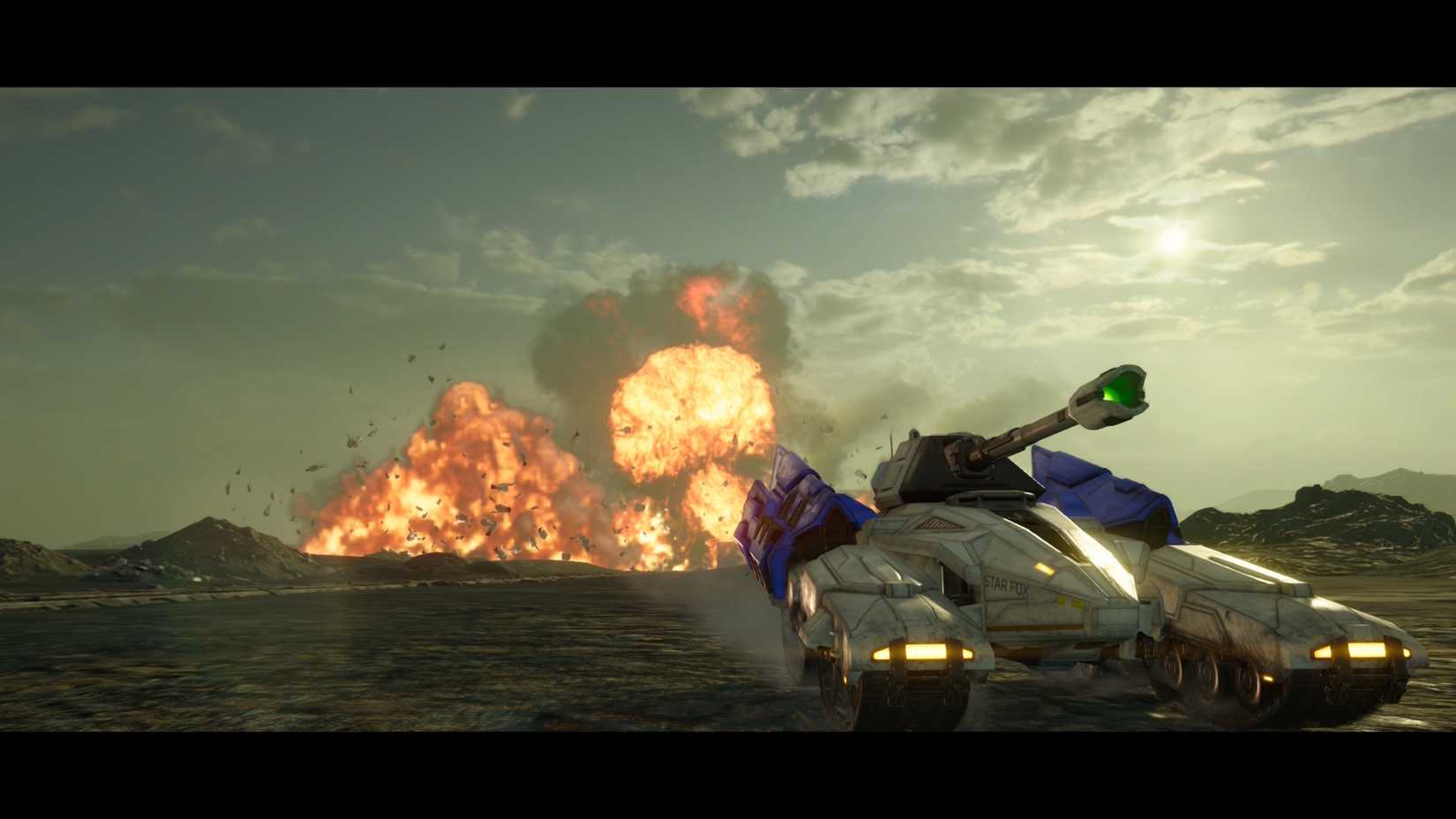
The most immediate and striking improvement is the game’s visual overhaul. Leveraging the Nintendo Switch 2’s enhanced processing power, the Lylat System has never looked more vibrant or detailed. From the shimmering surfaces of Corneria to the volcanic eruptions of Macbeth, environments are rendered with breathtaking fidelity. Textures are sharp, lighting effects are dynamic, and character models for Fox, Falco, Slippy, and Peppy boast significantly more detail and emotive range. The Arwings themselves gleam with realistic reflections, and the explosions are a cacophony of particle effects. This visual fidelity isn’t just cosmetic; it enhances immersion, making the player feel truly part of the high-stakes intergalactic conflict.

Equally impressive is the sound direction. The original Star Fox 64 was lauded for its voice acting, but Velan Studios has taken it a step further. The new voice cast, while honoring the spirit of the originals, delivers performances with greater nuance and emotional depth. Critically, the spatial audio design, optimized for modern sound systems and headphones, places players directly in the cockpit. The roar of engine thrusters, the whine of enemy fighters, and the satisfying thud of successful hits create a visceral auditory experience. Iconic lines like "Do a barrel roll!" resonate with renewed clarity and impact, enhancing the nostalgia for veterans while creating new memorable moments for first-timers.
Accessible Yet Challenging Gameplay
One of the game’s greatest strengths, particularly for a modern audience, lies in its refined gameplay loop. Stages are designed to be challenging without being overly taxing, especially on normal difficulty. The brevity of each mission is a significant advantage in today’s gaming landscape, where players often juggle multiple titles and have limited play sessions. It’s incredibly easy to "slip in for a few flights" without needing to carve out a substantial chunk of time. This design philosophy directly appeals to busy adults and casual players, making the game highly approachable.
Despite its brevity, Star Fox offers substantial replayability. The original’s branching path system, a hallmark of SF64, is beautifully preserved and expanded. Players are encouraged to explore every route, uncover secrets, and achieve higher scores. This quest for completion, coupled with the promise of an "expert mode," ensures that the game, though potentially completable in a mere "two-hour game" on a single run, offers dozens of hours of engaging content. For a player like myself, who rarely pursues 100% completion, this enticing loop has fostered an eager daily return, a testament to its compelling design.
Expanded Narrative and Lore
Perhaps the most significant enrichment for newcomers is the expanded narrative. Velan Studios has introduced a "new prologue and cutscenes" that seamlessly integrate into the familiar Star Fox 64 story. These cinematic additions are not mere fluff; they serve a crucial purpose in establishing character motivations, world-building, and the stakes of the conflict. For players unfamiliar with the universe, these scenes provide essential context, making them "care about the cast and get an idea of their place in this world." Without them, the overall presentation might feel abrupt and less impactful.
Beyond the cutscenes, the game features a comprehensive "lore section" that delves deep into the history and ecology of each planet within the Lylat System. These paragraphs of backstory offer "twice as much text as is in the wiki entries with more depth and variety," transforming what might have been simple backdrops into rich, believable environments. This meticulous attention to detail allows players to immerse themselves more fully in the Star Fox universe, fostering a deeper connection to its characters and conflicts. It’s a subtle yet powerful way to elevate a classic narrative for a modern audience accustomed to rich, expansive lore.
Official Responses: Nintendo’s Strategy and Velan’s Vision
The decision to revisit Star Fox 64 was undoubtedly a calculated move by Nintendo, executed by Velan Studios with a clear vision.
Nintendo’s Rationale: A Strategic Reintroduction
Nintendo’s official stance, often inferred rather than explicitly stated, suggests a multi-pronged strategy behind this Star Fox revival. Firstly, it serves as a powerful demonstration of the Switch 2’s capabilities, showcasing stunning graphics and immersive audio that push the boundaries of portable gaming. Launching with a beloved, yet dormant, IP allows them to highlight hardware advancements while capitalizing on existing brand recognition.
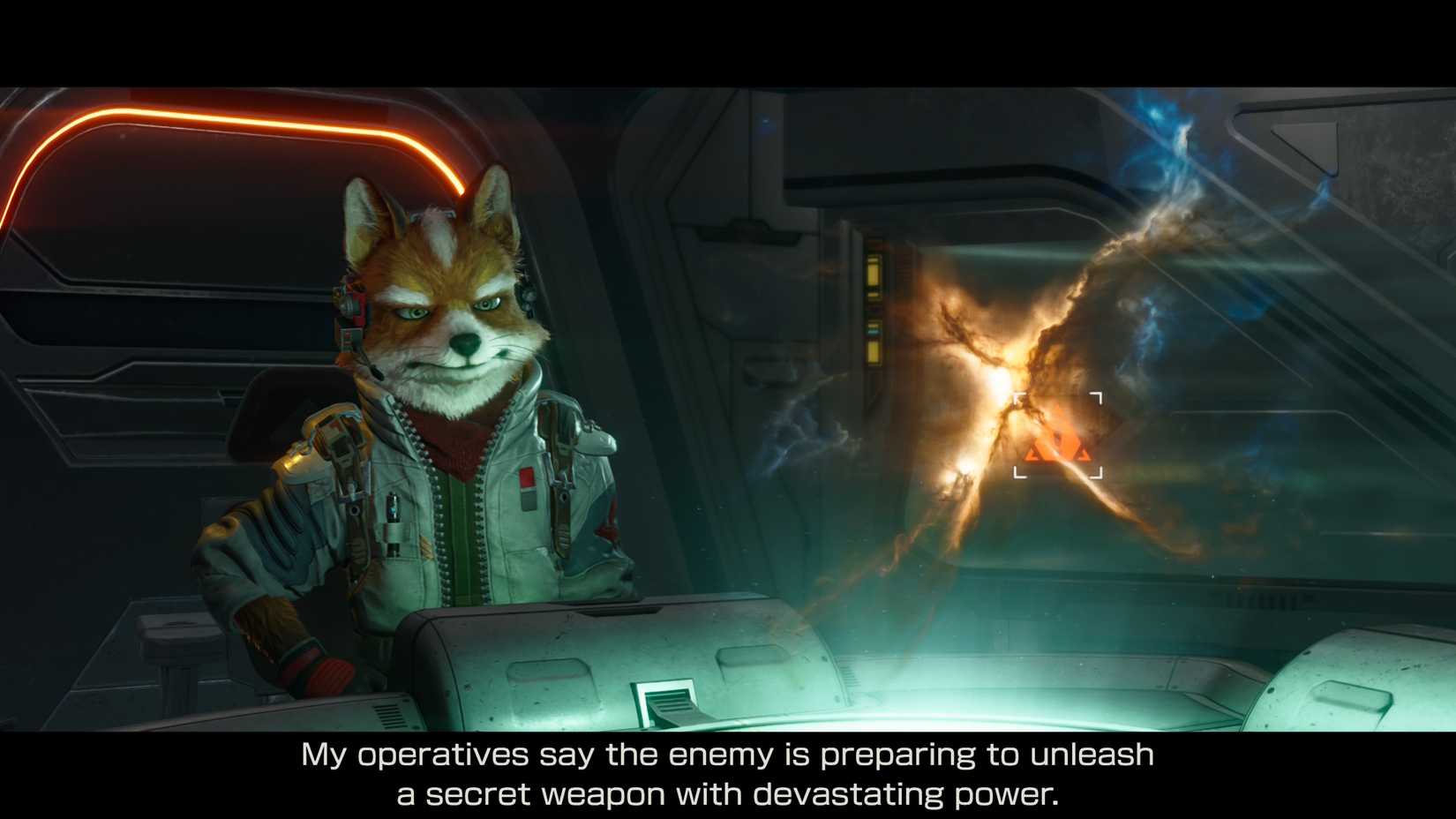
Secondly, and perhaps more importantly, it’s a strategic play to revitalize the Star Fox franchise for a new generation. Fox McCloud lacks the immediate recognition of Mario or Link. By returning to the series’ most critically acclaimed entry and modernizing it, Nintendo aims to create a new baseline experience. This approach mitigates the risk of a wholly new concept potentially failing to resonate, instead offering a proven formula polished to contemporary standards. It’s an invitation to a vast audience who missed the N64 era, offering them the "best version" of Star Fox 64 without requiring them to endure outdated graphics. It’s about expanding the tent, not just preaching to the choir.
Velan Studios’ Vision: Respecting the Past, Building for the Future
Velan Studios, known for its innovative approach to multiplayer gaming with titles like Knockout City, brought a fresh perspective to the Star Fox universe. Their official communications have consistently emphasized a deep respect for the source material while also articulating a commitment to modernization. They aimed to preserve the core gameplay and spirit of Star Fox 64 – its tight controls, memorable characters, and branching narratives – while elevating every other aspect.
Statements from Velan developers highlighted their focus on "rebuilding from the ground up" to ensure the game felt natural on the Switch 2. This involved meticulous work on the control scheme, adapting it for modern controllers while retaining the original’s responsiveness. They also spoke extensively about the importance of the expanded narrative and lore, viewing them as essential tools to deepen player engagement. Their goal wasn’t just to make Star Fox 64 look better, but to make it feel more significant and accessible for a 2026 audience. They see the new prologue and lore entries as crucial elements in establishing a more robust foundation for future narratives, rather than just filling gaps.
Implications: Beyond the Lylat System’s Horizon
The release of Star Fox for Switch 2 carries significant implications, not just for the franchise itself, but for Nintendo’s broader strategy and the gaming industry at large.
The Future of the Star Fox Franchise
The most immediate implication is the potential for a renewed future for Star Fox. The success of this remake is likely to dictate Nintendo’s willingness to invest further in the series. The extensive new lore, the refined characterizations, and the general "setup for something bigger" strongly suggest that this is not a one-off nostalgia trip. Instead, it feels like a carefully constructed foundation for a new era.
Given the series creators’ past remarks about Star Fox Command being a "natural endpoint," this remake offers a crucial reset. Rather than pushing the story forward from a potentially convoluted or creatively exhausted point, it rewinds and re-establishes the core elements with modern sensibilities. This allows for "expanding that story sideways" – exploring new adventures within the established universe, introducing new characters, or delving deeper into existing lore, without being constrained by past narrative cul-de-sacs. It opens the door for a true Star Fox 7 or a new sub-series that builds upon this modernized Star Fox 64 foundation.
Nintendo’s Remake Strategy and IP Management
Star Fox for Switch 2 could also signal a significant shift in Nintendo’s approach to its vast library of dormant or underutilized intellectual properties. Following the massive success of the Super Mario Bros. Movie, Nintendo has shown a clearer separation between its gaming and entertainment divisions, avoiding forced narrative interconnectivity. This suggests that the expanded lore in Star Fox is primarily for game enrichment, not necessarily a direct tie-in to a potential Star Fox animated series or film, though such projects remain plausible.
Instead, this remake aligns with a broader industry trend of revitalizing classics for new hardware. However, Nintendo’s execution here is notable: it’s not just a remaster, but a comprehensive remake designed to appeal broadly. If successful, this could pave the way for similar treatments for other beloved, yet dormant, franchises that could benefit from a fresh coat of paint and modern accessibility – perhaps F-Zero, Kid Icarus, or even earlier Metroid titles. It suggests a willingness to leverage nostalgia not just for existing fans, but as a gateway for entirely new audiences.
Impact on Velan Studios and Industry Trends
For Velan Studios, this high-profile collaboration with Nintendo is a significant feather in their cap. It showcases their ability to handle beloved intellectual property with care and innovation, positioning them as a go-to developer for complex remakes or even future original Nintendo titles. This partnership could elevate their industry standing considerably.
Globally, the gaming industry continues to grapple with the balance between innovation and nostalgia. Star Fox for Switch 2 exemplifies a successful model where a remake serves a dual purpose: honoring the past while actively building a future audience. It demonstrates that a well-executed remake, with thoughtful additions and significant technical improvements, can transcend mere fan service and become a vital entry point for a new generation.
In conclusion, Star Fox for Switch 2 is more than just a beautifully rendered retread of a classic. For a substantial portion of the gaming public, including this reviewer, it is the first true flight into the Lylat System. It’s a meticulously crafted experience that leverages modern technology and thoughtful narrative expansion to make a nearly 30-year-old game feel fresh, relevant, and utterly captivating. Nintendo’s mission, it seems, has been accomplished: to re-engage a beloved franchise and ensure that for many, Star Fox will indeed be a game they’ll be playing for the rest of the year, and perhaps for many years to come.

 Lina Irawan
 Sagoh
Sagoh