In the modern landscape of film distribution, a theatrical release is no longer the final word on a movie’s legacy. Often, a feature that struggles to gain traction in the crowded multiplex environment finds a robust, enthusiastic audience when it finally makes the jump to streaming. Such is the case for The Dutchman, a psychological thriller that has defied its quiet January debut to become one of the most-watched titles on Paramount+ this year.
Starring House of Cards alum Kate Mara and Moonlight standout Andre Holland, the film—a contemporary reimagining of Amiri Baraka’s incendiary 1964 play—is currently enjoying a surge in popularity. According to streaming analytics firm FlixPatrol, the film has climbed to the fourth spot on the Paramount+ charts, signaling that word-of-mouth and a curious digital audience have finally given the film the platform it deserved.
Main Facts: A Psychological Descent
The Dutchman marks the feature directorial debut of Andre Gaines, who sought to translate the raw, claustrophobic intensity of Baraka’s original one-act play into a feature-length cinematic experience. The film follows Clay (Holland), a successful but deeply troubled Black businessman who is attempting to stabilize his life through therapy alongside his wife, Kaya (played by Zazie Beetz).
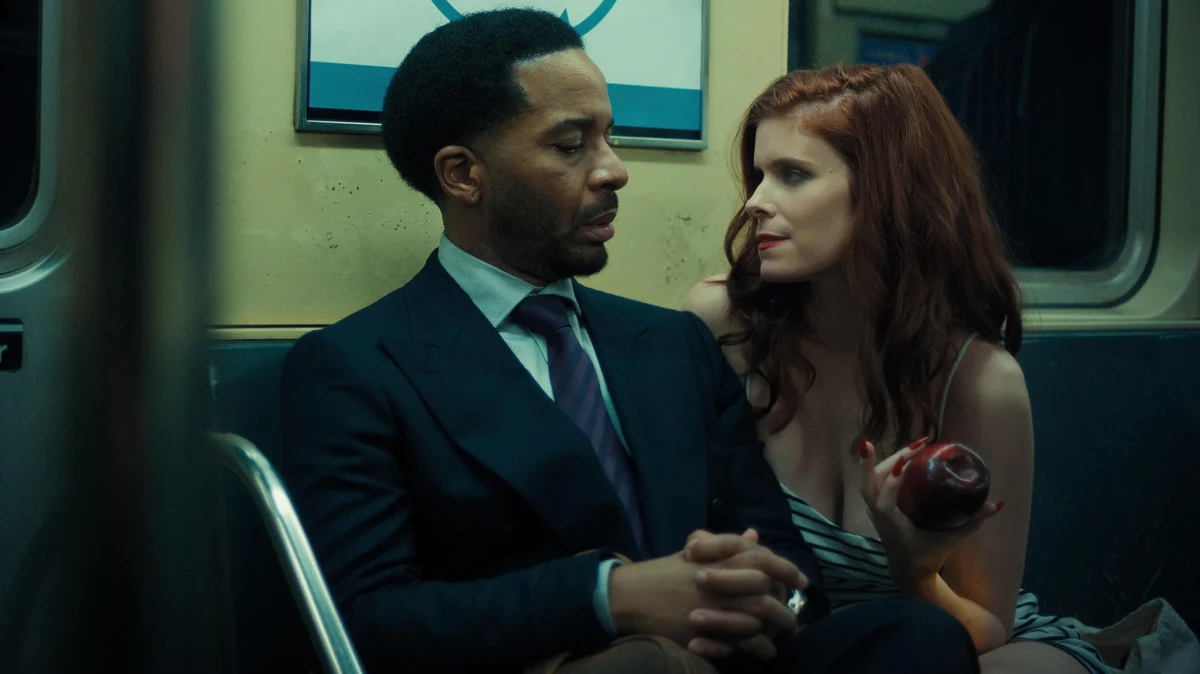
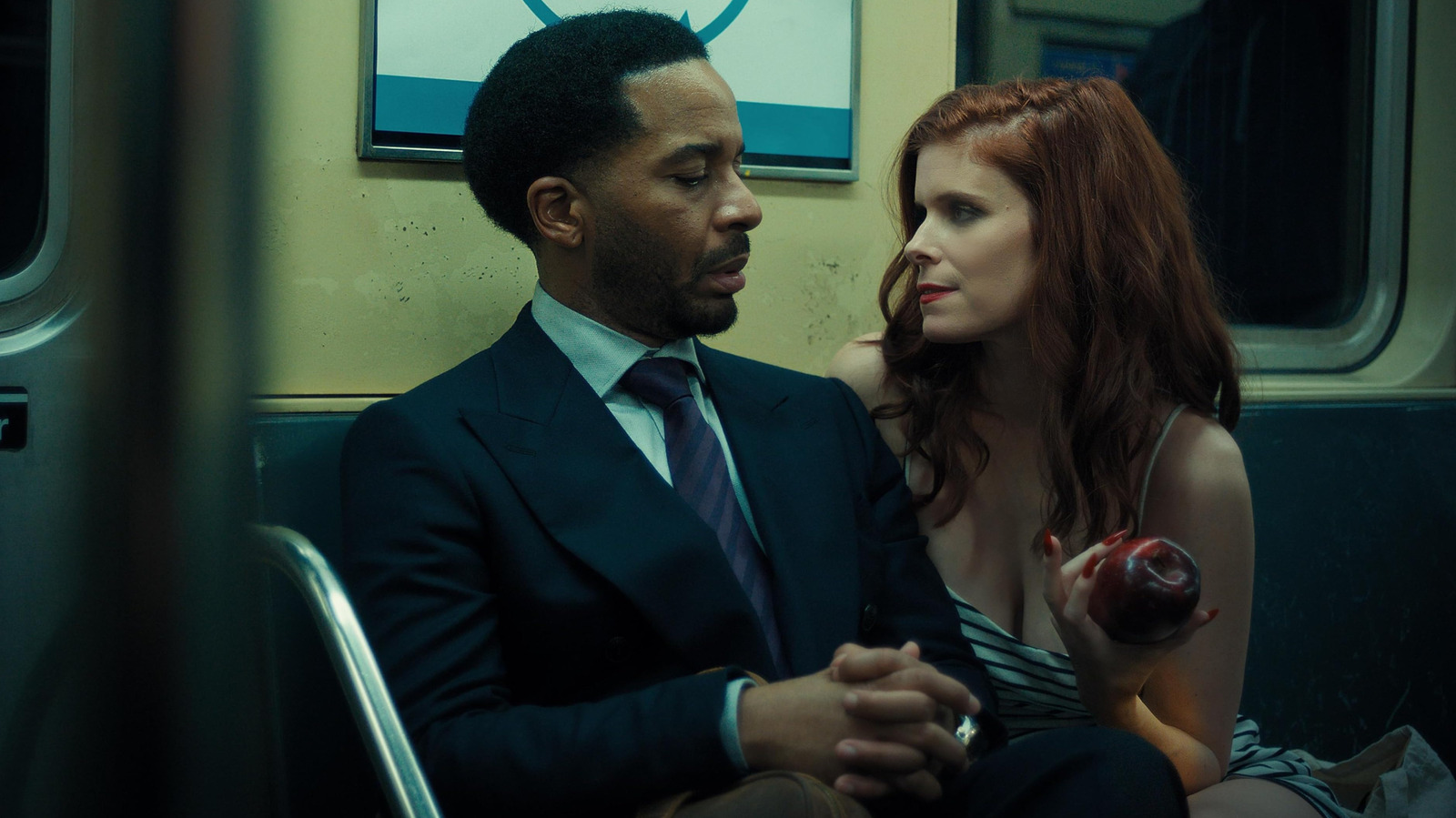
The plot takes a surreal and ominous turn when Clay’s therapist begins appearing in his life outside of their professional sessions, blurring the lines between reality and psychological torment. The central conflict intensifies when Clay encounters Lula (Mara) on a New York City subway car. What begins as a seemingly chance encounter with a seductive stranger descends into a sinister game of cat-and-mouse that threatens to dismantle Clay’s sanity and identity.
While the film received a mixed reception from professional critics—currently sitting at a 67% approval rating on Rotten Tomatoes—the audience response has been overwhelmingly positive. With an 85% audience score, it is clear that the film’s tense atmosphere and high-stakes performances have resonated deeply with viewers, proving that the gap between critical consensus and public interest remains wide.
Chronology: From 1964 to the 2025 Streaming Surge
To understand the significance of The Dutchman, one must look at the historical weight of its source material. Amiri Baraka’s 1964 play was a landmark of Black theater, using the metaphor of a subway ride to explore deep-seated racial tensions, identity, and the performative nature of assimilation in America.
The Challenge of Adaptation
The play was previously adapted into a film in 1967, but that version functioned primarily as a filmed record of the stage production. For director Andre Gaines and co-writer Qasim Basir, the challenge in 2025 was to evolve the narrative into a three-act structure that felt like a modern thriller rather than a stage-bound dialogue.
"I tried to get away with the easy route of taking the play, dropping it into the final draft and seeing what the hell happened, but that just didn’t work," Gaines explained in a 2025 interview with Eye for Film. "A 55-page play to a 55-page screenplay, we were barely halfway there."
The team spent significant time developing the backstory for Clay and his relationship with his wife, Kaya, to provide the necessary emotional stakes that a 55-page script could not sustain. The film was eventually produced and released by Rogue Pictures in January 2025. Despite the pedigree of its cast, the theatrical release was brief and lacked significant marketing, causing the film to slip under the radar of the general public.
The Streaming Renaissance
Following its quiet exit from theaters, The Dutchman was licensed to Paramount+. This move proved to be the film’s salvation. Streaming services have become the modern-day "second-run" theaters, where films that missed their window of opportunity can finally reach their target demographics. By providing easy access to the film, Paramount+ allowed it to bypass the traditional hurdles of theatrical box office competition, finding its audience through algorithm recommendations and trending lists.
Supporting Data and Industry Context
The success of The Dutchman highlights a growing trend in the industry: the "post-theatrical discovery." With the proliferation of streaming services, data from platforms like FlixPatrol shows that audience behavior is shifting. Viewers are increasingly willing to take a chance on mid-budget thrillers that they might not have paid theater prices to see.
Cast Perspectives
The film’s profile is bolstered by the presence of its lead, Kate Mara. Mara, whose career has seen high-profile projects ranging from the critical success of House of Cards to the infamous critical and commercial failure of the 2015 Fantastic Four reboot, brings a specific gravitas to the role of Lula. Her portrayal is noted for its blend of seduction and menace, a necessary component for a character intended to represent the "sinister" catalyst of the film’s conflict.
Andre Holland, meanwhile, continues his streak of nuanced performances. Known for his work in Moonlight and his appearance in the Jurassic World short Battle at Big Rock, Holland plays the beleaguered Clay with a vulnerability that anchors the more surreal elements of the script.
Official Perspectives: The Director’s Vision
Andre Gaines has been vocal about the importance of maintaining the "spirit" of Baraka’s work while ensuring it functions for a contemporary audience. In his discussions regarding the film, he emphasizes the technical difficulty of pacing a story that is essentially confined to the internal struggles of its characters.
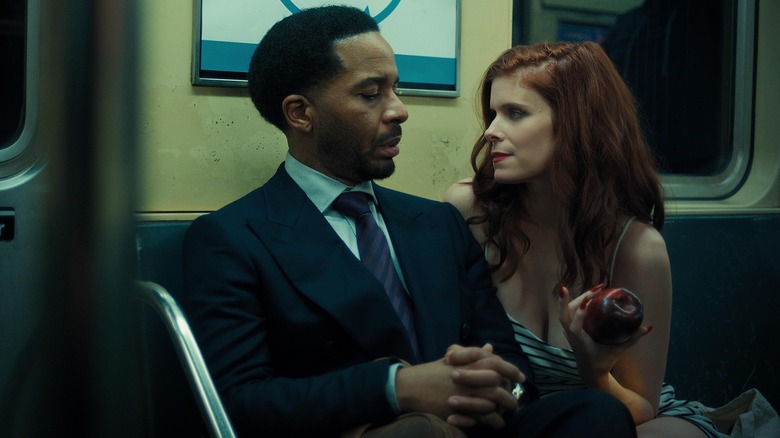
By expanding the scope to include scenes outside of the subway—specifically the scenes involving therapy and the character of Kaya—Gaines successfully created a narrative arc that justifies the film’s runtime. He notes that the transition from a 55-page play to a feature-length script was the most difficult hurdle, requiring a complete reimagining of the character motivations to ensure the audience remained engaged throughout the slower, dialogue-heavy sequences.
Implications for the Future of Mid-Budget Cinema
The resurgence of The Dutchman serves as a case study for the value of mid-budget genre films. In an era dominated by massive superhero tentpoles and blockbuster franchises, smaller, character-driven thrillers often struggle to justify a theatrical footprint.
However, the success of this film proves that:
- The "Wait for Streaming" Mentality is Real: Audiences are increasingly comfortable waiting for films to hit home platforms, which suggests that the theatrical model must adapt to offer more "event" experiences.
- Genre Still Sells: Psychological thrillers that offer a unique, elevated premise remain highly attractive to the streaming audience.
- The Power of Algorithms: Being featured on a major platform like Paramount+ can do more for a film’s visibility than a limited theatrical marketing campaign.
Furthermore, the film’s performance raises questions about the industry’s treatment of actors who have been associated with past controversies. While Kate Mara’s career has remained consistent, she has navigated projects caught in the wake of larger industry scandals, such as the downfall of House of Cards following the allegations against Kevin Spacey. The fact that she is leading a film that is finding success on its own merits shows that talent, when paired with the right material, can successfully transition through turbulent professional periods.
Conclusion: A Lesson in Resilience
The Dutchman is not just a success story for Paramount+; it is a testament to the idea that a film’s life does not end at the box office. By embracing the digital shift, the production team has ensured that their work—a challenging, modern take on a classic piece of American literature—has found the audience it was intended for.
For those who enjoy psychological dramas that prioritize atmosphere and performance over spectacle, The Dutchman stands as a compelling, if unsettling, viewing experience. Whether it is because of the strength of the source material or the allure of its leads, the film has managed to turn a quiet start into a genuine streaming phenomenon, serving as a reminder that sometimes, the best stories are the ones that take a little extra time to find their audience.