Nila Kartika Wati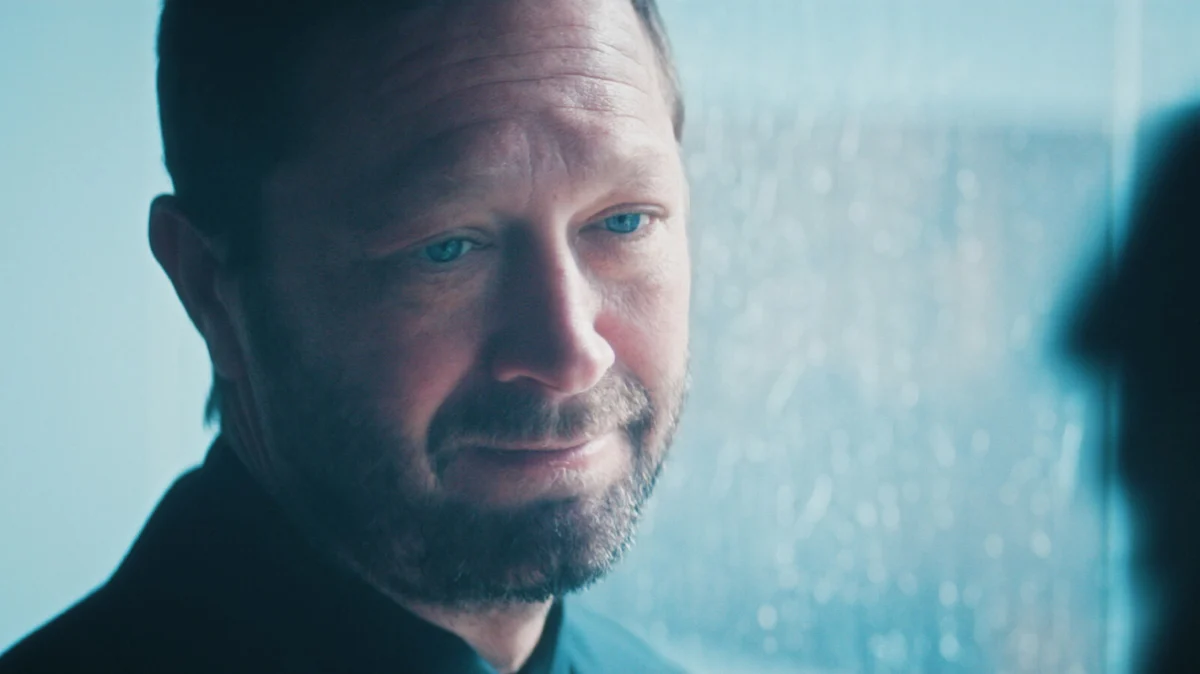
Warning: This article contains comprehensive spoilers for the entirety of FX’s "The Bear," including the series finale.
As the final dinner service concluded on the evening of June 25, the culinary world of FX’s "The Bear" finally dimmed its lights. Christopher Storer’s high-octane exploration of grief, ambition, and the brutal mechanics of the restaurant industry has officially served its last course. While the final season—which garnered a mixed critical reception—occasionally struggled to balance its chaotic pacing with its lofty narrative ambitions, the series finale, "The Original Beef of Chicagoland," provided a poignant, if uneven, conclusion to one of the most significant television dramas of the decade.
Yet, beneath the frantic shouting of "Yes, Chef!" and the clatter of pans, the show’s legacy is anchored by a single, undeniable truth: Ebon Moss-Bacharach’s portrayal of Richard "Richie" Jerimovich was the series’ secret ingredient. As the show bid farewell to the Berzatto legacy, it became clear that while Carmy (Jeremy Allen White) provided the show’s intensity, Richie provided its soul.
The Chronology of a Transformation
To understand the weight of the finale, one must trace the arc of the man once known as "Cousin." When we first met Richie in the cramped, grimy kitchen of The Beef, he was a volatile, stubborn, and deeply insecure man holding onto a fading past. As the best friend of the late Mikey Berzatto, Richie was the anchor to a version of Chicago that no longer existed—a man who viewed the modernization of the restaurant as a personal betrayal.
In the early seasons, Richie was the antagonist of progress. He fought Carmy at every turn, resenting the culinary precision and "fine dining" sensibilities that the young, Michelin-starred chef attempted to inject into a failing sandwich shop. However, the turning point—and arguably the turning point of the entire series—arrived in the Season 2 episode, "Forks."
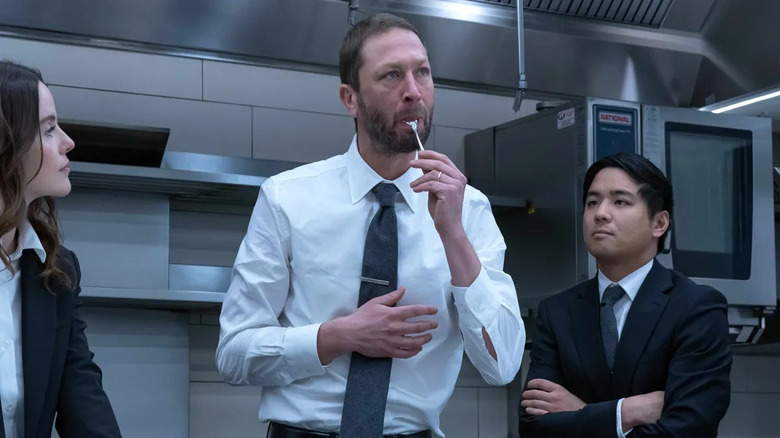
In this masterclass of television, Richie is sent to stage at Ever, a high-end, three-Michelin-star restaurant. What began as a punishment transformed into an epiphany. Watching Richie move from a man who mocked the pretension of polishing silverware to a man who took pride in the meticulousness of service was nothing short of profound. He discovered that hospitality was not about snobbery; it was about the act of service and the dignity found in doing a job well. This trajectory—from a man lost in his own anger to a professional who found purpose in the "hands" of a service team—is the true heartbeat of The Bear.
Supporting Data: The Anatomy of a Character Study
While the show often focused on Carmy’s internal breakdown and Sydney’s (Ayo Edebiri) creative anxieties, Richie’s development was the most consistent and earned arc in the ensemble.
The "Forks" Effect
The critical consensus surrounding "Forks" remains one of the few points of universal agreement in the show’s lifespan. The episode functioned as a microcosm of the series: it took a broken character and allowed him to find "umami"—that elusive, savory depth that balances a dish. By stripping away his defenses, the writers allowed Moss-Bacharach to reveal a man who was deeply lonely and desperately seeking a community that valued his efforts.
The Conflict of Season 5
By the final season, the stakes had shifted. The restaurant was hemorrhaging money, morale was low, and the pressure was mounting to a breaking point. Throughout the harrowing, rain-soaked final service, we see a shift in the hierarchy. While Sydney struggled with the weight of the expectations and Carmy became increasingly detached from his staff, Richie became the calm within the storm. He refused to fold under the pressure of empty pantries and limited resources. His evolution from the man who was once stabbed by Sydney in a chaotic Season 1 service to the man keeping the ship afloat in the finale represents the show’s most significant narrative success.
Official Responses and Creative Direction
Christopher Storer and the creative team behind The Bear have long maintained that the show is as much about the "family you choose" as it is about the culinary arts. In various interviews, Ebon Moss-Bacharach has discussed the necessity of Richie’s vulnerability. He noted that Richie’s journey was never about becoming a better chef in the technical sense, but about becoming a better human.
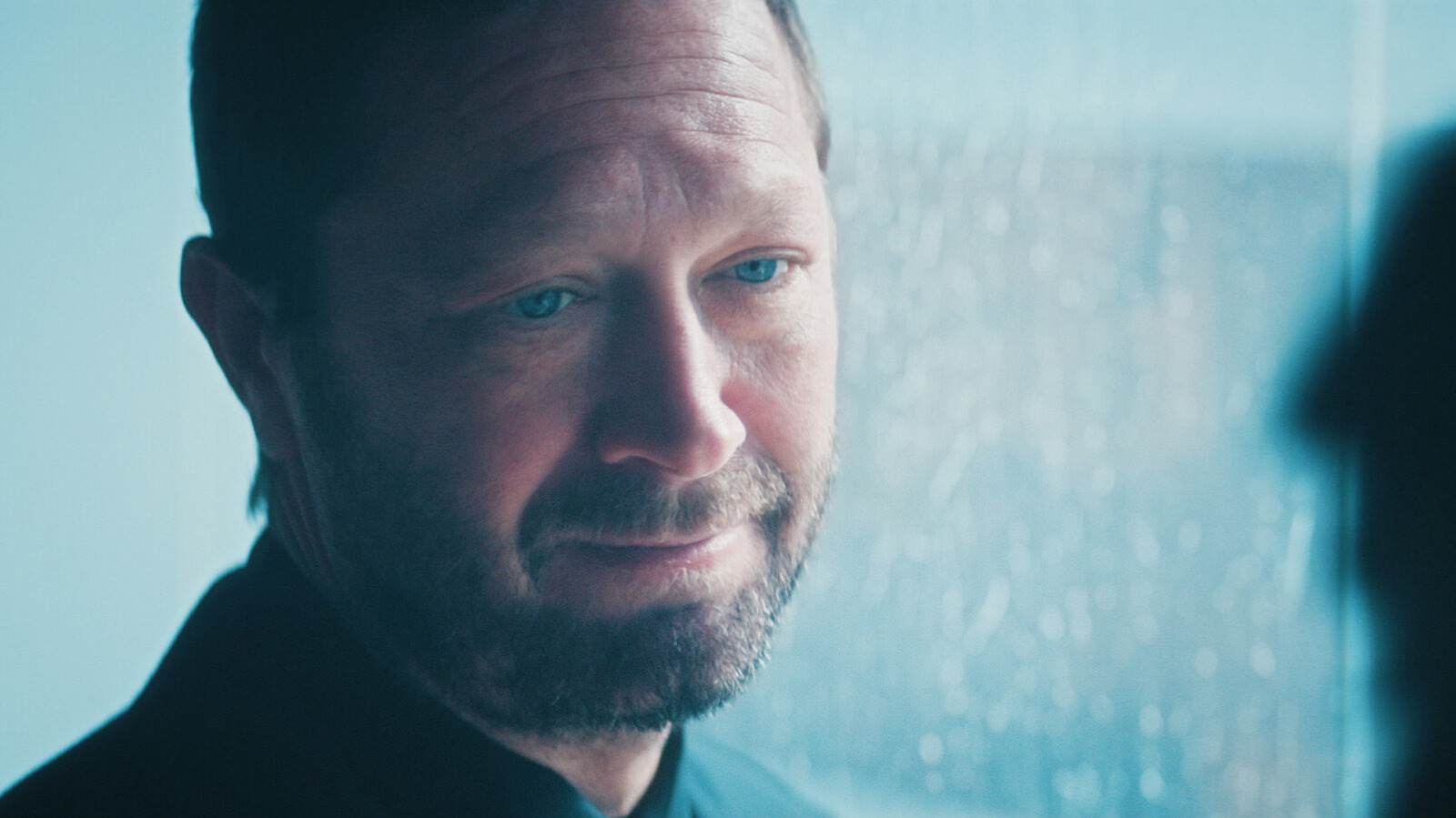
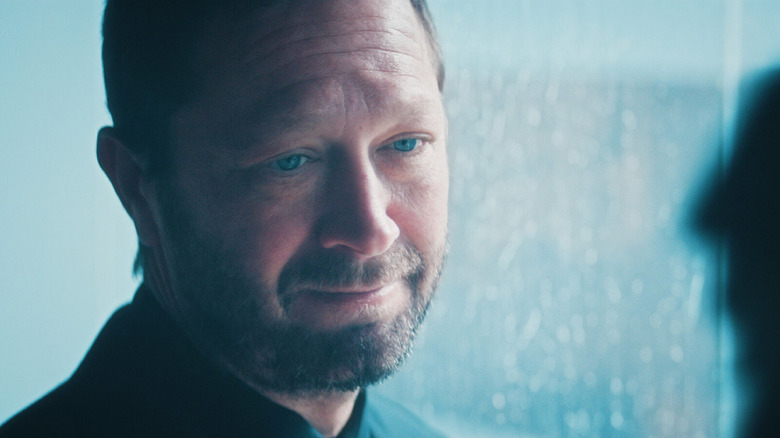
The decision to feature Richie as the focal point of the final shot is a deliberate creative choice. By the time the screen faded to black, Carmy had effectively exited the industry, leaving behind his traumas and his apron. Sydney had finally reached the pinnacle of her craft, winning two Michelin stars. But it was Richie who we saw taking a literal and metaphorical leap of faith. His invitation to a hospitality conference in Japan and the quiet, intimate moment with Jess (Sarah Ramos) signify a future that is finally, mercifully, bright.
Implications: Why the Ending Works
The finale of The Bear is not a tidy package. It is messy, fraught with the tension of a business that is always one mistake away from bankruptcy. However, it works because it understands the emotional payoff of the journey.
The Power of Redemption
Richie’s character serves as the show’s thesis: that it is never too late to reinvent oneself. His relationship with his daughter and the closure regarding his ex-wife, Tiffany, provided the emotional stakes necessary for the audience to root for his growth. By the time he walks toward his future on that airplane, the audience isn’t mourning the loss of the restaurant—they are celebrating the growth of the man.
The Shift in Narrative Focus
The shift in focus from the "Berzatto" trauma (Carmy) to the "found family" growth (Richie) is what gives the finale its resonance. Carmy, for all his talent, remained trapped in his own head, a victim of his brilliance and his baggage. Richie, conversely, learned to look outward. He learned that being "in service" is not just a job description; it is a way of relating to the world.
The Legacy of the "Beef"
While the show ends with the restaurant receiving its accolades, the true success was the human labor that went into it. The "secret ingredient" was not a specific recipe, nor was it a particular cooking technique. It was the resilience of characters like Richie, who learned to turn the heat of their internal fires into something constructive rather than destructive.
In conclusion, The Bear concludes as a testament to the idea that the kitchen is a crucible. While the Michelin stars and the fancy plating are what the world sees, the true value of the institution lies in the people who stand on the line. Richie Jerimovich began the series as a relic of the past and ended it as the architect of his own future. By centering the final moment of the series on his face—nervous, hopeful, and finally, undeniably, at peace—the show confirms that while the food matters, the people matter more. Richie was always the best part of the show, and in the end, he was the only part that truly needed to be saved.

 Asep Darmawan
 Layla Zulfa