Sagoh
Sagoh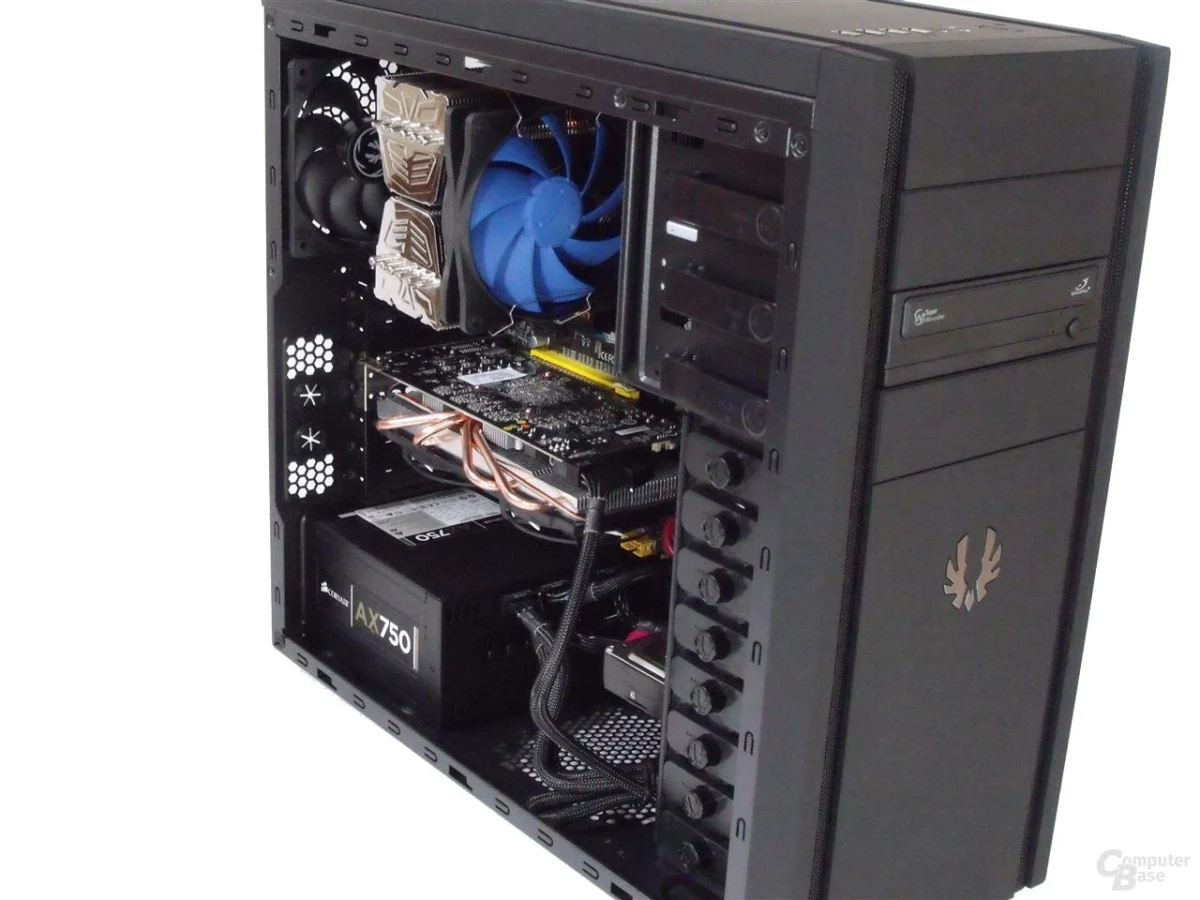
In the landscape of 2011, the PC enthusiast market was undergoing a dramatic shift. While luxury chassis manufacturers were pushing the boundaries of high-end materials, experimental aesthetics, and premium price tags, a gap had widened between "functional boxes" and "premium enclosures." It was during this climate that a newcomer, BitFenix, disrupted the market with the release of the BitFenix Shinobi. By demonstrating that superior craftsmanship, sophisticated design, and high-quality materials did not necessitate a multi-hundred-euro investment, the Shinobi redefined the entry-level enthusiast segment.
Main Facts: A New Benchmark for Accessibility
The BitFenix Shinobi arrived as a mid-tower chassis measuring approximately 460 x 205 x 490 mm (H x W x D). At a time when feature-rich cases were often locked behind prohibitive price barriers, the Shinobi launched at a starting price of roughly 47 Euros for the standard model, with a side-windowed variant retailing for 56 Euros.
The build quality was the defining characteristic that separated the Shinobi from its contemporaries. While the structural skeleton was composed of durable steel, BitFenix integrated high-grade plastic components for the front panel and the top cover. Crucially, these plastic elements were treated with a specialized, thin rubberized coating. This tactile finish, often referred to as "SoftTouch," provided a premium, matte texture that elevated the user experience far beyond the gritty, cheap plastics commonly found in budget hardware at the time.
Beyond the aesthetics, the case offered impressive internal versatility:
- Expansion: Three 5.25-inch drive bays and eight 3.5-inch mounting locations.
- Compatibility: Support for Mini-ITX, Micro-ATX, and standard ATX motherboards.
- Connectivity: A front panel equipped with four USB 2.0 ports and dedicated audio jacks.
- Thermal Management: Out-of-the-box cooling was handled by two 120mm fans—one in the front and one at the rear.
Chronology: The Evolution of the Budget Tier
The trajectory of the Shinobi’s release is emblematic of the "DIY PC" boom of the early 2010s.
Early 2011 (Pre-Launch): The market was saturated with either high-end, aluminum-heavy boutique cases or mass-market enclosures that prioritized cost-cutting to the detriment of structural integrity. BitFenix identified a "middle-class" of builders who were technically savvy but budget-conscious.
Mid-2011 (Launch): Upon its release, the Shinobi faced immediate scrutiny. Reviewers were skeptical that a case retailing for under 50 Euros could maintain structural rigidity. However, the consistent gap measurements (spaltmaße) and the absence of paint defects—such as inclusions or "runs"—quickly silenced critics.
Late 2011 (Consolidation): The Shinobi became a staple of system builds across Europe. The success of the initial launch prompted BitFenix to expand the line with the Shinobi XL, proving that the design language established by the standard model had widespread appeal.
Supporting Data: Technical Performance and Thermal Analysis
While the aesthetics and price point were revolutionary, technical performance provided a more nuanced picture of the Shinobi’s limitations.
Thermal Performance vs. Noise Levels
The BitFenix Shinobi excelled in acoustic dampening. Throughout testing, the chassis maintained impressive "Silent-Quality" metrics. Whether the fans were running at 12V or 5V, the case effectively mitigated mechanical noise. However, this focus on low-decibel operation came at a cost.
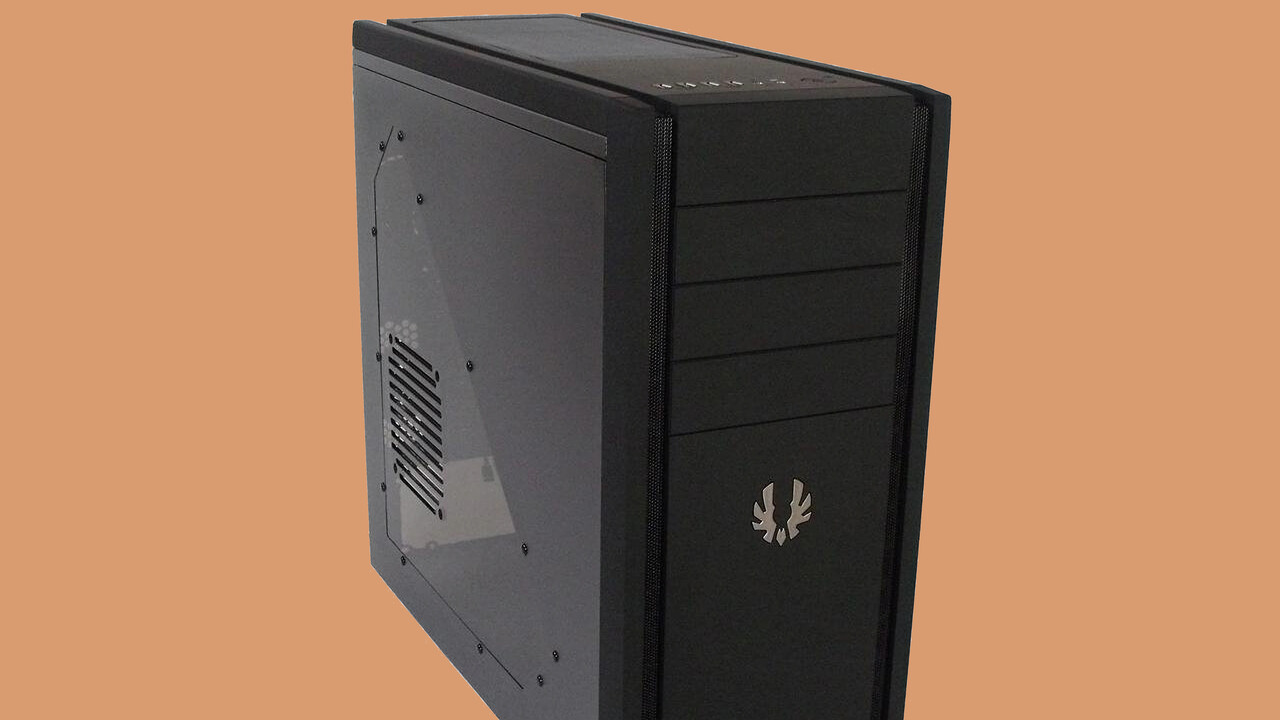
When measured against the broader market, the internal system temperatures tended to trend toward the higher end of the spectrum. The airflow design, while competent, was not aggressive enough to handle high-TDP (Thermal Design Power) hardware without additional intervention. Users seeking to run top-tier gaming rigs or overclocked CPUs were advised to supplement the stock 120mm fan setup with the five additional available mounting points.
Structural Integrity and Ergonomic Flaws
Despite the high-quality paint job and premium finish, the Shinobi was not without its "growing pains." During long-term usage tests, two specific mechanical issues surfaced:
- Front Panel Accessibility: The front cover was notably difficult to remove, complicating maintenance tasks like cleaning the dust filters.
- Drive Bay Stability: The mounting mechanism for 3.5-inch hard drives was the case’s primary weakness. Under operation, drives exhibited significant vibration. Not only did this create an audible "rattle," but it also raised concerns regarding the long-term impact on mechanical hard drive longevity.
Official Responses and Industry Reception
At the time, BitFenix maintained that the Shinobi was designed to offer "the best possible chassis for the price of a mid-range video game." The company positioned the product as a foundation—a high-quality "canvas" that allowed users to invest their saved money into better CPUs or GPUs rather than an expensive enclosure.
The industry response was overwhelmingly positive. The Shinobi was widely regarded as a "ComputerBase Recommendation" winner. Analysts noted that the shift in manufacturing techniques, which allowed for consistent paint application and rubberized coatings on budget hardware, forced competitors like Cooler Master and Fractal Design to re-evaluate their own entry-level offerings. The Shinobi effectively signaled the end of the era where "budget" was synonymous with "unrefined."
Implications: The Legacy of the Shinobi
The legacy of the BitFenix Shinobi extends far beyond its initial sales figures. It served as a catalyst for a paradigm shift in PC hardware design.
1. The Democratization of Aesthetics
The Shinobi proved that "clean, simple, and elegant" was a profitable design philosophy. By moving away from the "gamer-centric" aesthetic (which often involved overly aggressive angles and excessive LEDs) toward a minimalist, matte-black design, BitFenix tapped into a massive, underserved demographic of professionals and adult enthusiasts.
2. The "SoftTouch" Standard
The adoption of rubberized coatings on budget-tier plastic components became an industry trend shortly after the Shinobi’s success. It forced manufacturers to consider the "human factor"—how the chassis felt to the touch during the build process—as a key performance indicator.
3. A Lesson in Balancing Trade-offs
The Shinobi serves as a classic case study for engineers. It demonstrated that if a product is built well in its primary aspects (frame, paint, price), consumers are often willing to overlook secondary flaws (drive vibration, air resistance). It also underscored the importance of user feedback, as later iterations of BitFenix cases focused heavily on improving tool-less drive installation and easier filter access.
4. The Retro Perspective
Today, looking back at the Shinobi from the vantage point of 15 years later, it is clear that the case was a turning point. It bridged the gap between the DIY enthusiasts of the 2000s and the modern PC builder of the 2020s. The Shinobi did not just provide a home for hardware; it provided a blueprint for how a brand could earn consumer loyalty through transparency, value, and a commitment to quality that didn’t break the bank.
For the modern enthusiast, the Shinobi remains a reminder that innovation is not always about adding more features; sometimes, it is about perfecting the essential ones at a price that keeps the hobby accessible to everyone. The "Retro-Ecke" (Retro Corner) of hardware forums continues to serve as a testament to the Shinobi’s enduring popularity, as enthusiasts still debate its design virtues and its role in the evolution of the PC chassis market.

 Raul Delapena Setiawan
 Ali Ikhwan