Lina Irawan
In a significant shift that signals a return to its console-centric roots, Sony Interactive Entertainment (SIE) is reportedly recalibrating its approach to the PC gaming market. After several years of aggressive expansion—bringing marquee titles like God of War, Horizon Zero Dawn, and The Last of Us Part I to Steam and the Epic Games Store—the company appears to be tightening the gates. According to reports emerging from internal discussions and public statements by top leadership, the era of "everything goes to PC" is being replaced by a more selective, bifurcated strategy.
The Core Shift: Protecting the PlayStation Ecosystem
The primary takeaway from recent internal town halls at Sony is a renewed commitment to the exclusivity of its flagship single-player narrative titles. For years, the PlayStation brand has been synonymous with prestige, cinematic single-player experiences—games that not only define the hardware but serve as the primary incentive for consumers to invest in a PS5.
According to Bloomberg’s Jason Schreier, Hermen Hulst, CEO of Sony’s Business Group, addressed staff recently regarding this pivot. The rationale provided to employees was twofold: a desire to keep intellectual property (IP) tightly aligned with the PlayStation platform and a pragmatic acknowledgment that previous PC ports have produced inconsistent financial results.
The Financial Reality of Ports
While the PC market is vast, Sony has found that the conversion rate between its console player base and PC purchasers is not always as lucrative as once hoped. For a company that relies on a "walled garden" ecosystem—where hardware sales are subsidized by software performance and subscription services like PlayStation Plus—releasing a $70 title on PC sometimes cannibalizes potential console sales without generating a proportional offset in high-margin software revenue.
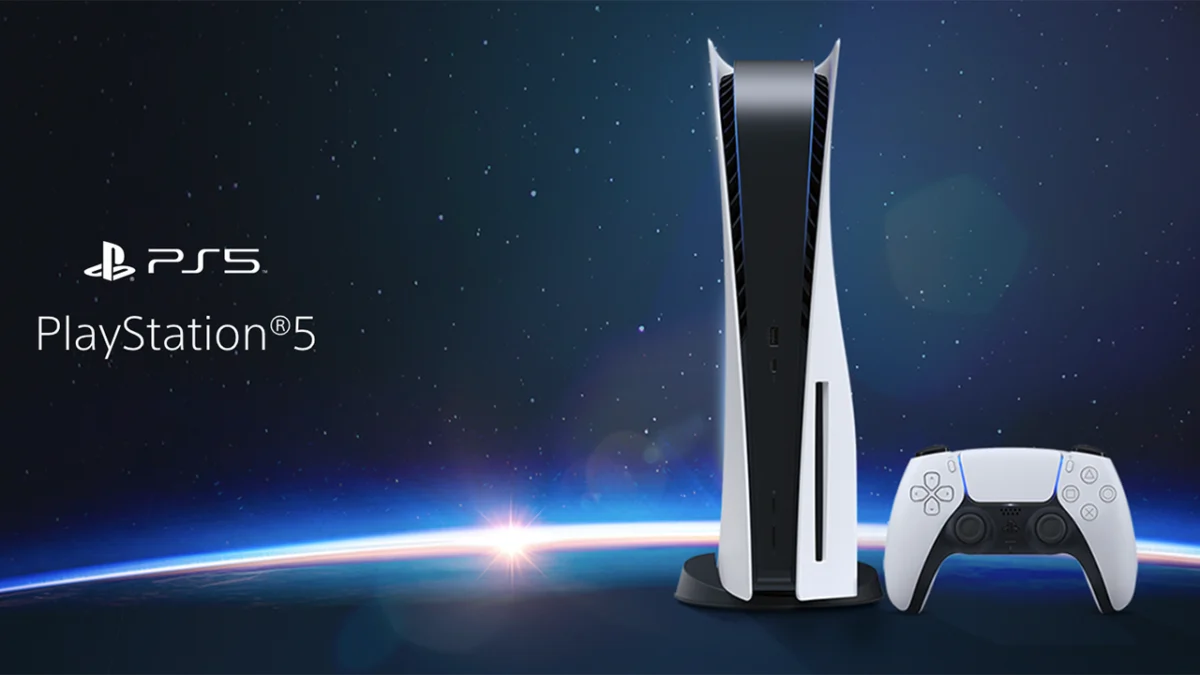
By keeping its tentpole narrative games exclusive to the PlayStation 5, Sony aims to reinforce the value proposition of the hardware. The message is clear: if you want the "PlayStation experience," you need the PlayStation console.
Chronology of the PC Expansion and Retraction
To understand the current pivot, one must look at the timeline of Sony’s tentative steps into the Windows ecosystem.
The "Horizon" Catalyst (2020)
In August 2020, Sony released Horizon Zero Dawn on PC. At the time, it was viewed as a radical departure from tradition. For years, PlayStation was the definitive console for exclusives. The move was initially framed as a "sampling" strategy—a way to introduce PC gamers to PlayStation IP, theoretically turning them into future PS5 owners.
The Golden Era of Ports (2021–2023)
Following the success of Horizon, Sony accelerated its output. Titles like Days Gone, God of War (2018), Marvel’s Spider-Man Remastered, and The Last of Us Part I arrived on PC to critical acclaim. During this period, Sony even acquired Nixxes Software, a studio specializing in high-quality PC porting, signaling a long-term commitment to the platform.
The Strategic Re-evaluation (2024–Present)
By early 2024, internal rumblings suggested that the strategy was under review. Reports began circulating that the pace of ports would slow. The recent confirmation by Hermen Hulst serves as the definitive end to the "blanket porting" era. Sony is now moving into a phase of "curated exclusivity," where the PC will be treated as a secondary market rather than a primary launch destination for its crown jewels.
The Bifurcated Strategy: Live-Service vs. Single-Player
While the doors are closing on narrative-driven blockbusters, they remain wide open for live-service titles. This is the crucial nuance in the comments made by SIE CEO Hideaki Nishino. In an interview with Famitsu, Nishino clarified the logic:
"Our current main policy is that, for single-player games developed in-house, we will further refine the value of the gaming experience that PlayStation can offer. At the same time, we believe it is important for live-service games to reach a wider audience… so we continue to view releases on both PS5 and PC as the standard."
Why Live-Service is Different
Live-service games rely on scale. To be profitable, these titles—such as Helldivers 2 or potential future multiplayer projects—require a massive, persistent player base. Unlike a narrative game that is finished once the credits roll, a live-service game thrives on network effects. By releasing these titles simultaneously on PC and PS5, Sony maximizes the player pool, ensuring that matchmaking queues are short and the social ecosystem remains vibrant.
Industry Context: The Multiplatform Dilemma
Sony is not alone in grappling with this transition. The entire industry is currently experiencing an identity crisis regarding exclusivity.
Microsoft, Sony’s primary competitor, has been navigating a similar, albeit more radical, path. Xbox CCO Matt Booty recently noted that Microsoft evaluates each title on a "case-by-case basis." Unlike Sony, Microsoft is heavily invested in the "Game Pass" ecosystem, which prioritizes subscription volume over hardware sales. However, both companies are arriving at the same conclusion: live-service games are inherently multiplatform creatures.
The industry is moving toward a model where "Exclusivity" is no longer a binary choice but a spectrum:
- The "Prestige" Tier: Massive single-player games designed to sell consoles.
- The "Service" Tier: Multiplayer titles designed to generate recurring revenue through high-volume, cross-platform play.
Implications for the Future of PlayStation
What does this mean for the average gamer?
For the Console Owner
The immediate implication is a strengthening of the PlayStation 5’s identity. If a consumer is debating between a high-end PC and a PS5, the promise of "PlayStation First" titles being exclusive for a significant period (or indefinitely) makes the console a more attractive proposition. It restores the "event" status of a new PlayStation Studios release.
For the PC Gamer
The outlook is more tempered. PC gamers should expect a longer wait—potentially years—before seeing a major Sony narrative title arrive on their platform, if they arrive at all. Furthermore, the focus on live-service titles means that the "Sony games on PC" library will likely lean more toward multiplayer shooters and competitive experiences rather than the deep, single-player narrative experiences that have defined the brand’s reputation.
For Developers and Studios
For internal developers at Naughty Dog, Santa Monica Studio, or Insomniac, this strategy provides clarity. They can focus on optimizing for one piece of hardware—the PS5—without the resource-intensive overhead of managing simultaneous PC development, which often requires a different set of technical constraints and quality assurance standards.
Conclusion: A Return to Fundamentals
Sony’s pivot is a calculated move to protect the "PlayStation" brand equity. In an era where the lines between hardware platforms are increasingly blurred by cloud gaming and cross-play, Sony is choosing to double down on the one thing it does better than almost anyone else: the high-fidelity, cinematic single-player experience.
By walling off these narrative experiences, Sony is betting that the unique, curated experience of a PlayStation console remains a viable business model. Simultaneously, by embracing the multiplatform nature of live-service titles, they are keeping a foothold in the lucrative, high-volume market of modern online gaming.
It is a policy of "controlled expansion." As the gaming industry continues to consolidate, Sony’s ability to balance the allure of its exclusives with the necessity of the live-service market will likely define its success for the remainder of the decade. The PC remains a part of the strategy, but it is no longer the destination—it is merely a secondary port of call for a company that is, above all, committed to the strength of its own ecosystem.


 Ali Ikhwan
 Nana Wu