

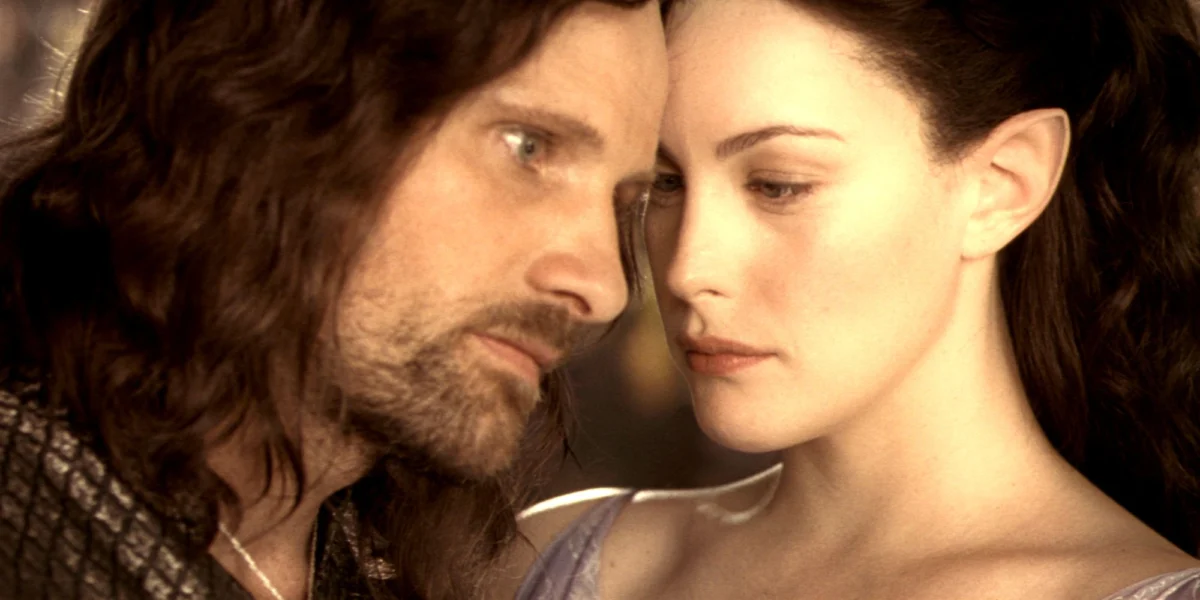
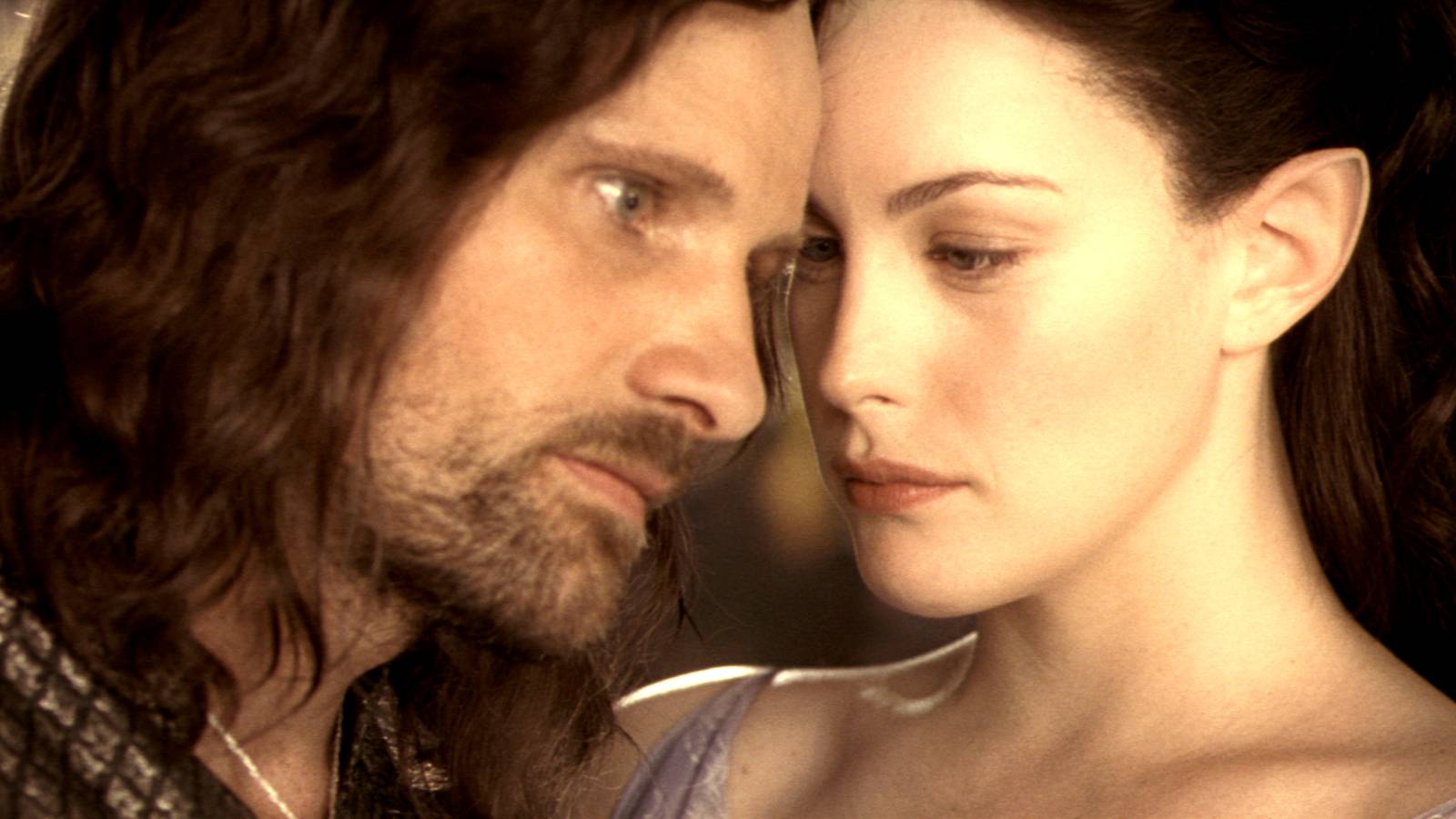
It has been over two decades since Peter Jackson’s The Lord of the Rings trilogy concluded, cementing its place as the definitive epic of modern fantasy cinema. Adapting J.R.R. Tolkien’s monumental literary legacy, Jackson transformed the genre, turning high fantasy into a global cultural phenomenon that bridged the gap between niche fandom and mainstream prestige. Yet, as the dust settles on the cinematic landscape of the 21st century, a provocative question persists: Is The Lord of the Rings truly the apex of the genre, or simply its most successful blockbuster?
While Jackson’s trilogy is a triumph of technical prowess and narrative scale, it leans heavily into the traditions of war epics and action-adventure. To find the "true" essence of fantasy—the surreal, the whimsical, and the transformative—one must look beyond the fields of Pelennor. There are three singular masterpieces that arguably surpass the Lord of the Rings by capturing the raw, undiluted spirit of fantasy: The Wizard of Oz (1939), The Princess Bride (1987), and Spirited Away (2001).
The Foundation of Fantasy: ‘The Wizard of Oz’ (1939)
If The Lord of the Rings is the muscular giant of fantasy, The Wizard of Oz is its beating heart. Directed by Victor Fleming, this technicolor marvel did more than just tell a story; it established the visual and emotional grammar of the modern fairy tale.
The Chronology of a Cultural Icon
Released during the "Golden Year" of Hollywood, The Wizard of Oz was a critical success, yet it took the advent of television in the mid-20th century to elevate it to the status of a permanent fixture in global consciousness. By bringing L. Frank Baum’s 1900 novel to life, the film proved that fantasy was not merely a literary pursuit but a viable, profitable, and profoundly moving medium for the silver screen.
The Blueprint for Modern Myth
Every fantasy film released post-1939 owes a debt to this production. It demonstrated that a film could transport an audience to a fully realized "other world" that felt both dangerous and wondrous. Judy Garland’s performance as Dorothy Gale set the template for the reluctant hero, while Margaret Hamilton’s Wicked Witch remains the definitive archetype of screen villainy. Unlike the battle-hardened soldiers of Middle-earth, Dorothy represents the core of fantasy: the journey of an ordinary person confronting the extraordinary to discover their own worth.
The Quintessential Fairy Tale: ‘The Princess Bride’ (1987)
Where The Lord of the Rings embraces the gravity of high-stakes world-building, Rob Reiner’s The Princess Bride embraces the joy of storytelling itself. Based on William Goldman’s 1973 novel, the film is a masterclass in tone, blending satire, romance, and swashbuckling adventure into a package that feels timeless.
A Meta-Narrative Triumph
The brilliance of The Princess Bride lies in its framing device: a grandfather reading to his grandson. This structure acknowledges that fantasy is fundamentally about the act of storytelling. By breaking the fourth wall and playing with tropes, Reiner creates a film that is simultaneously an homage to fairy tales and a deconstruction of them.
Why It Surpasses the Epic
While Jackson’s films are defined by their sheer scale, The Princess Bride is defined by its intimacy. It is perfectly paced, endlessly quotable, and features a cast of characters—from the vengeful Inigo Montoya to the gentle giant Fezzik—that possess more personality in their pinkies than many modern fantasy protagonists do in their entire arcs. It captures the "pure" fantasy experience: the quest for true love, the battle against impossible odds, and the triumph of wit over brute force. It is the gold standard for how to handle the "fairy tale" sub-genre without ever becoming saccharine.

The Surrealist Masterpiece: ‘Spirited Away’ (2001)
If the West has mastered the structure of the quest, Hayao Miyazaki and Studio Ghibli have mastered the soul of the spirit world. Spirited Away, released the same year as The Fellowship of the Ring, stands as an unrivaled achievement in animation and world-building.
An Immersive Otherworld
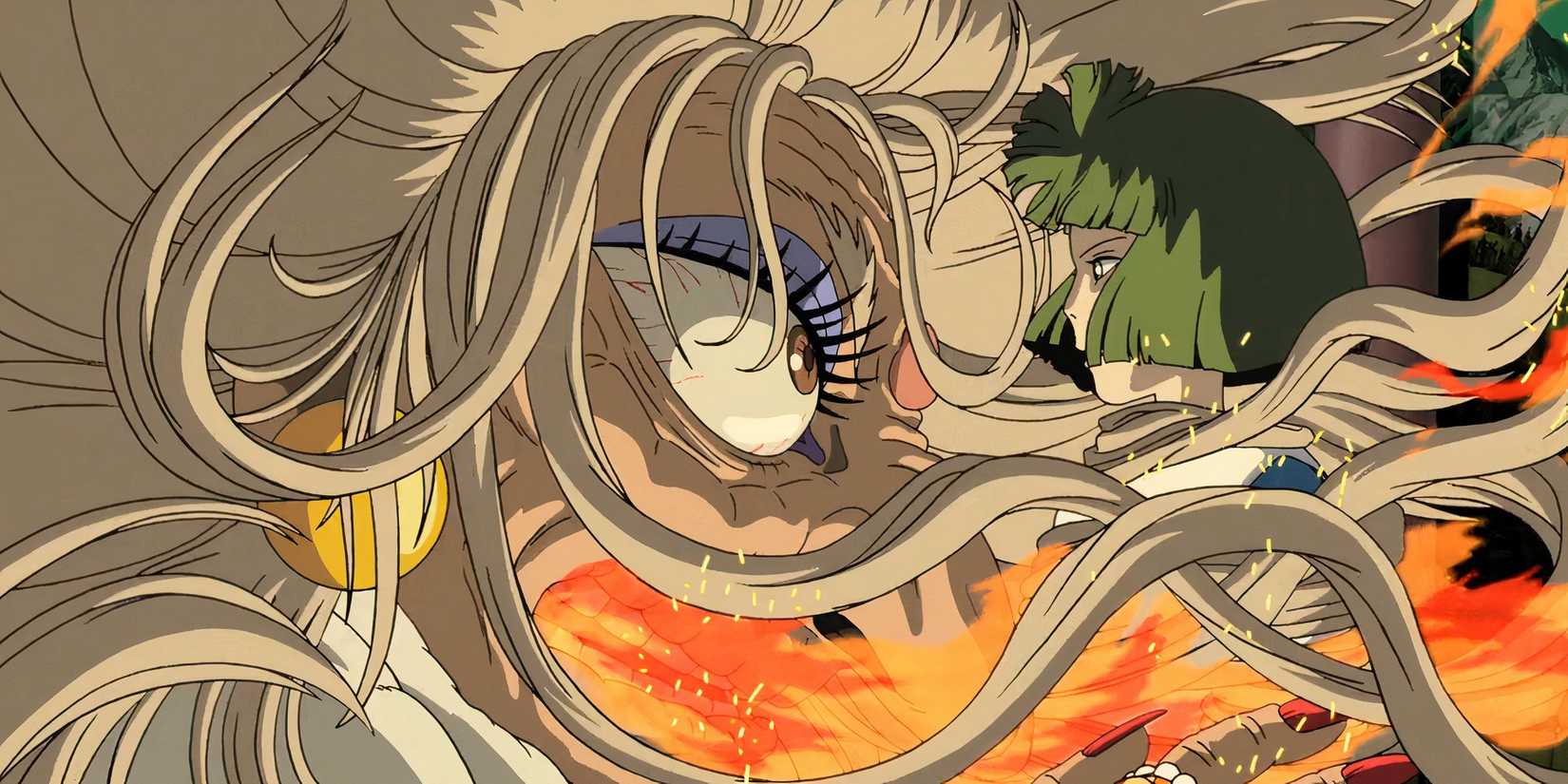
The film follows Chihiro, a young girl who becomes trapped in a supernatural bathhouse for spirits after her parents are transformed into pigs. Unlike the rigid, rules-based magic systems of Tolkien, Miyazaki’s world operates on the logic of dreams and folklore. It is surreal, occasionally terrifying, and deeply rooted in Shinto tradition.
Thematic Depth and Environmental Consciousness
What elevates Spirited Away above conventional fantasy is its profound introspection. It is a coming-of-age story that addresses themes of identity, labor, greed, and environmental stewardship. While The Lord of the Rings is about the external struggle to destroy a singular evil, Spirited Away is about the internal struggle to retain one’s humanity in a world that demands you forget who you are. It is a more complex, nuanced, and visually inventive piece of cinema that continues to resonate with new generations, having aged with a grace that few live-action films can claim.
Supporting Data: Genre Impact and Legacy
The influence of these three films extends far beyond their initial box office receipts.
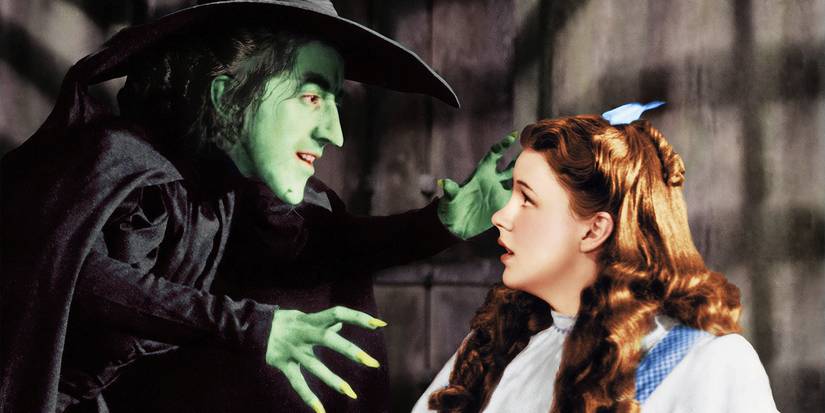
- Cultural Penetration: The Wizard of Oz remains one of the most referenced films in human history. Its imagery—the yellow brick road, the ruby slippers, the emerald city—has been absorbed into the collective global lexicon.
- Narrative Efficiency: The Princess Bride is frequently cited by screenwriters as the "perfect" script. Its ability to balance tone is a benchmark studied in film schools globally, proving that you do not need 10-hour runtimes to create a legacy.
- Artistic Evolution: Spirited Away remains the only hand-drawn, non-English language film to win the Academy Award for Best Animated Feature. It expanded the boundaries of what Western audiences accepted as "fantasy," proving that animation could tackle mature, complex, and dark subject matter.
Official Responses and Critical Consensus
Critics have long debated the hierarchy of fantasy cinema. In retrospectives, while Jackson’s work is praised for its "unprecedented ambition," the films are often critiqued for their reliance on modern action tropes. Conversely, The Wizard of Oz, The Princess Bride, and Spirited Away are frequently cited by scholars as "genre-essential."
In 2026, industry retrospectives continue to highlight that while Jackson built a cathedral of fantasy, Miyazaki and Reiner built homes for the imagination. The consensus among genre historians is that The Lord of the Rings is the best adaptation of a high-fantasy novel, but these three films are the best realizations of the fantasy spirit itself.
Implications for the Future of Fantasy
What does this mean for the future of the genre? As studios scramble to find the next "big franchise" in the vein of Middle-earth, they often prioritize world-building and franchise potential over the whimsical heart that made the genre beloved in the first place.
The success of these three masterpieces suggests that the future of fantasy does not lie in bigger battles or more expansive lore, but in the return to the personal, the surreal, and the magical. To truly surpass The Lord of the Rings, future filmmakers must stop trying to emulate the scale of the war and start trying to capture the wonder of the journey.
In conclusion, while The Lord of the Rings will forever remain the titan of the genre, it is the quiet, the surreal, and the charming—embodied by Dorothy, Westley, and Chihiro—that truly define the boundaries of the fantastic. These three masterpieces remind us that fantasy is at its best not when it is mirroring reality, but when it is transcending it.











No comments yet. Be the first to join the conversation!