Azzam Bilal Chamdy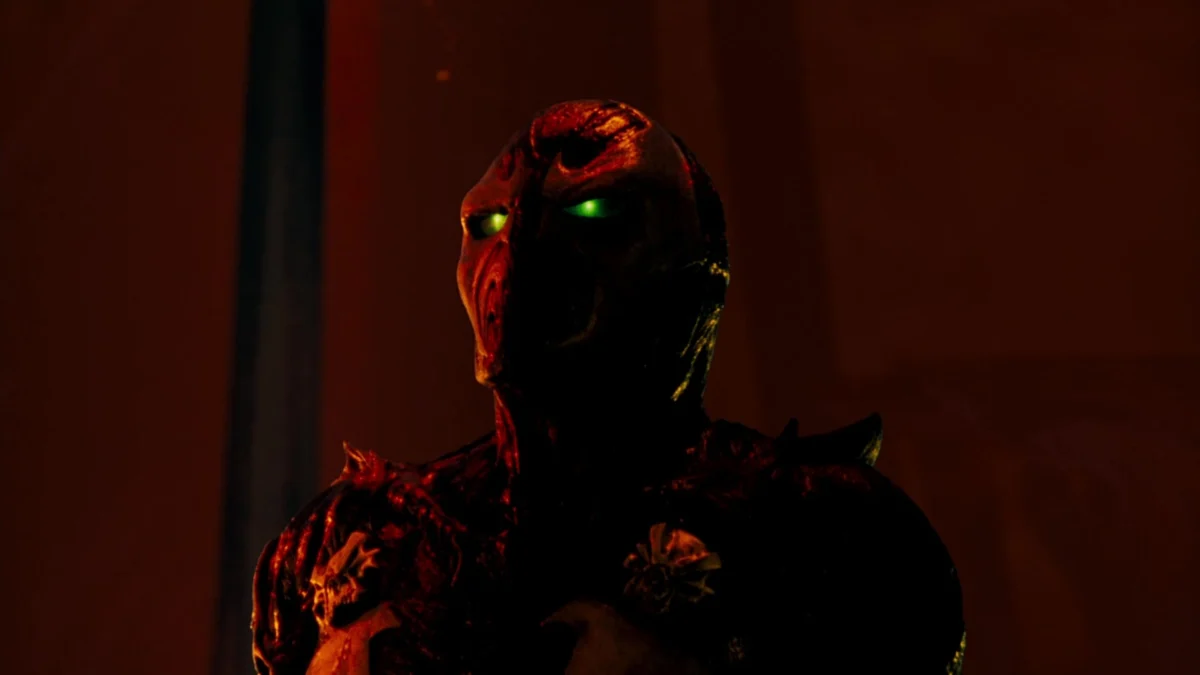
In the pantheon of modern comic book history, few characters have achieved the iconographic status of Spawn. Since his explosive debut in 1992, Al Simmons—the tortured soldier turned hell-bound anti-hero—has been synonymous with flowing crimson capes, jagged gothic armor, and the hyper-detailed, gritty aesthetic that defined the Image Comics revolution. However, the true origin of the character predates the dark, edgy aesthetic of the 90s by over a decade. Todd McFarlane, the visionary architect behind the franchise, is now pulling back the curtain on the character’s true genesis with the upcoming miniseries Spawn 77.
This project represents more than just a new entry in a long-running series; it is a rare opportunity for fans to witness the “missing link” between a teenager’s early creative impulses and the global multimedia powerhouse that Spawn has become today.
A Legacy Decades in the Making
The title Spawn 77 is a literal nod to the year Todd McFarlane, then only 16 years old, first put pen to paper to conceptualize a character that would eventually change the trajectory of his life. At the time, the young McFarlane was an aspiring cartoonist, heavily influenced by the vibrant, classic era of superhero comics.
The original sketches, which remained tucked away in personal archives for nearly half a century, reveal a character far removed from the brooding Al Simmons fans know today. This early prototype was a product of the late 70s—a time when sci-fi aesthetics and space-faring heroics were beginning to dominate the popular imagination. The costume, rather than being the living, necroplasmic shroud of later iterations, featured a sleek, bright blue-and-red color scheme. It was an aesthetic clearly informed by the quintessential "web-slinger" archetypes of the Silver and Bronze Ages, long before McFarlane himself would go on to redefine Spider-Man’s visual language at Marvel Comics.
The Chronology of Evolution: From Teen Dream to Industry Icon
To understand the significance of Spawn 77, one must look at the timeline of McFarlane’s creative journey. In 1977, the "Spawn" concept was a raw, unrefined experiment. It was a space-based concept that lacked the tragic, Faustian backstory that would eventually serve as the emotional anchor for the 1992 debut.
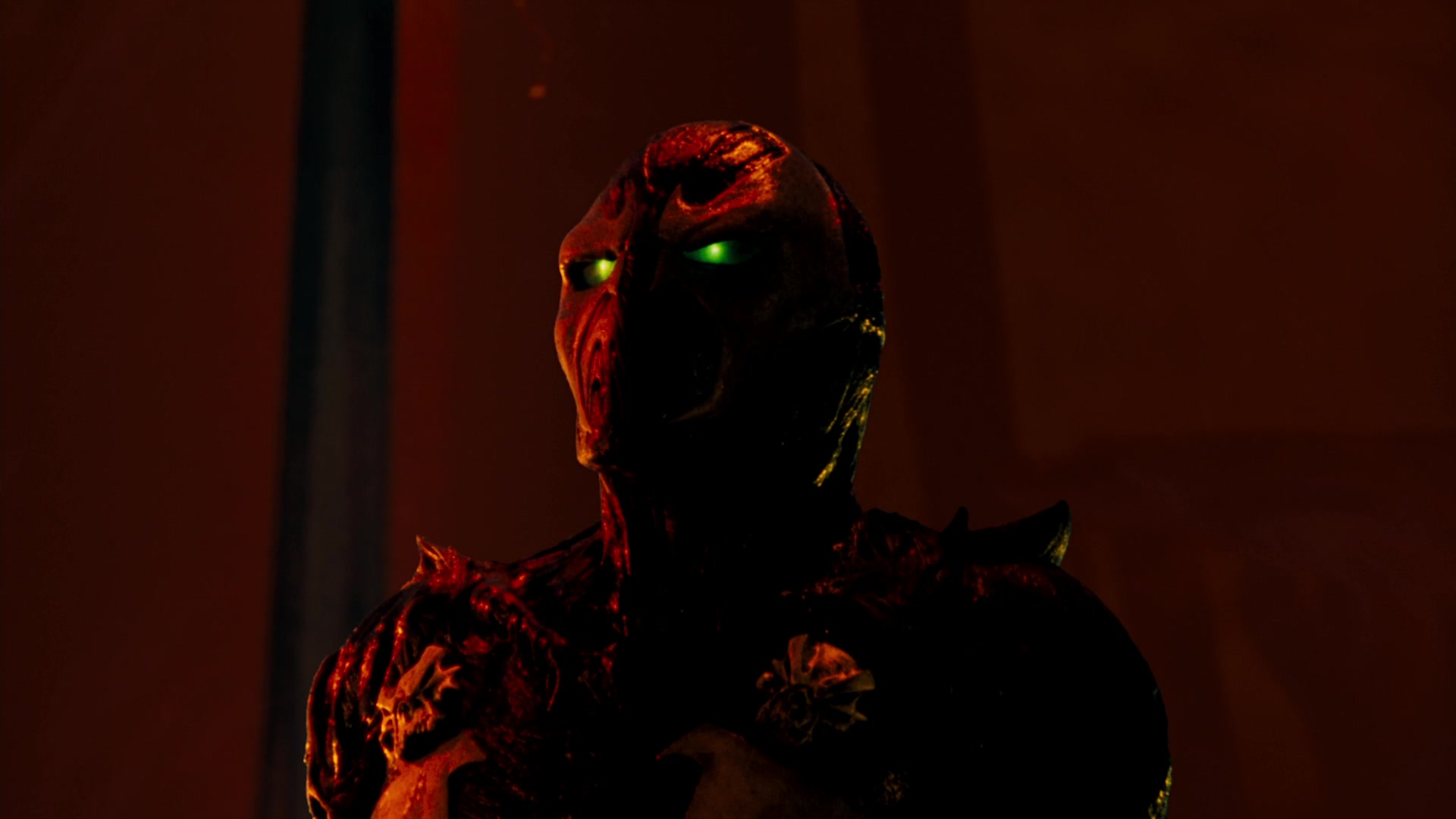
By the time the early 1990s arrived, the comic book industry had undergone a tectonic shift. The optimism of the late 70s had been replaced by a hunger for "grim and gritty" narratives. Deconstructed anti-heroes were the order of the day, and readers were clamoring for characters who operated in moral grey areas. McFarlane, having witnessed the massive, unprecedented success of Venom—a character he co-created—realized that his audience was ready for something darker, heavier, and more visceral.
He stripped away the bright primary colors of his 1977 sketches, replaced the tech-based space armor with a living, breathing organic suit, and added the iconic flowing cape and chains that would become his trademark. The resulting character, Al Simmons, was a perfect synthesis of the era’s zeitgeist and McFarlane’s signature style of exaggerated anatomy and high-contrast, atmospheric shadows. Spawn 77 serves as the bridge between these two distinct worlds, finally reconciling the "Space Spawn" of his youth with the "Hellspawn" of modern lore.
Supporting Data: The Craftsmanship of Spawn 77
The miniseries is being positioned as a prestige project, moving away from standard serial storytelling to provide a fully realized, painted aesthetic. McFarlane has tapped artist Mark Spears to bring this retro vision to life. Spears, known for his sophisticated, painterly approach, has been tasked with translating the rough, adolescent sketches into a cohesive, professional comic book format.
The Creative Team and Technical Specs:
- Format: Three-issue limited series.
- Launch Date: September (current year).
- Physical Specifications: Each issue will be an extra-length, 64-page prestige format comic.
- Retail Pricing: Set at $6.99 per issue.
- Distribution: Available through local comic retailers and major digital platforms, including Amazon Kindle, Apple Books, and Google Play.
The visual fidelity of the project is a major selling point. By utilizing a fully painted style, the creators are aiming to capture the atmosphere of a 1970s sci-fi epic, distinguishing it visually from the standard monthly Spawn issues.
Official Responses and Creative Intent
In recent press statements, Todd McFarlane expressed a deep sense of personal fulfillment regarding the project. "Going back to my roots of when I first developed Spawn as a high school kid, when I was just beginning to feel deeply passionate about collecting comics, and being able to use some of those ideas now 50 years later is really a personal treat for me," McFarlane stated.
He was quick to credit his collaborator, Mark Spears, for the success of the transition. "Mark’s sophisticated artwork is a major draw for fans," McFarlane noted, emphasizing that the project would not have been possible without someone capable of balancing the retro aesthetic with modern storytelling sensibilities. The synergy between the two creators is expected to be a highlight for long-time readers, as it merges the nostalgia of the 70s with the polished technical execution of contemporary comic art.
Integrating the "Lost" Concept into Modern Lore
One of the most intriguing aspects of Spawn 77 is how it retroactively integrates the original 1977 design into the expansive "Spawn Universe." Rather than treating the 1977 suit as a non-canonical "what-if" scenario, the narrative frames it as an early, tech-based iteration of the necroplasmic parasite.
In the current lore, the Spawn mantle is a cosmic legacy—a mantle that has been worn by warriors across dimensions, historical eras, and distant planets. By positioning the 1977 design as an early, space-faring version of this ancient parasitic armor, McFarlane is effectively weaving his teenage dreams into the permanent, ever-growing tapestry of his mythos. It is a brilliant narrative move that transforms an "unused" idea into an essential piece of the character’s history.
Implications for the Industry and the Collector Market
The launch of Spawn 77 is already causing ripples in the collector market. The release is supported by a robust variant cover program designed to appeal to both long-term fans and investment-minded collectors.
The lineup includes:
- Main Cover Art: Provided by Mark Spears.
- Collaborative Variant: A joint effort between Spears and McFarlane.
- The "Heritage" Variant: A special edition showcasing an updated, high-fidelity take on the original 1977 design, rendered by McFarlane.
- Artist Variants: Including contributions from Emma Rios.
- High-Tier Incentives: Including blank sketch editions and rare 1:500 foil-stamped covers, signed by both creators.
The strategy reflects the current state of the comic book industry, where limited-run, artist-driven "prestige" titles have become the primary vehicle for driving engagement and high-end sales. By leveraging the nostalgia of his own origin, McFarlane is not only celebrating the legacy of Image Comics but is also demonstrating the longevity of his character.
Conclusion
Spawn 77 is a testament to the idea that no creative impulse is ever truly wasted. For Todd McFarlane, the project serves as a full-circle moment, allowing him to revisit the wide-eyed ambition of a 16-year-old boy while applying the mastery he has earned over a decades-long career.
As the comic hits shelves this September, it will stand as a unique curiosity—a piece of history brought to life with modern intensity. Whether one is a die-hard fan of the Spawn Universe or simply a student of comic book history, Spawn 77 offers a rare, intimate look at the evolution of an icon. It reminds us that behind every dark, complex anti-hero, there is often a simple, youthful dream, waiting for the right moment to be brought out of the shadows.

 Sagoh
Sagoh
 Ammar Sabilarrohman