Siti Muinah
The digital landscape has shifted beneath our feet. Only a few years ago, Artificial Intelligence was a specialized tool, a behind-the-scenes engine powering search algorithms or recommendation systems. Today, it is the primary interface through which we interact with the digital world. From the moment you wake up and check the weather—now summarized by a generative model—to the moment you draft a work email, AI is an inescapable, ever-present concierge.
However, as the tech industry pivots to an "AI-first" mandate, a growing segment of the user base is expressing a sentiment that tech giants may have underestimated: AI fatigue. What was once heralded as the ultimate productivity booster is increasingly perceived as digital bloatware. As companies like Google, Apple, and Microsoft integrate generative models into every nook and cranny of their ecosystems, a new, ironic market reality is emerging: the most premium "feature" a product can offer may soon be the option to turn the AI off.
The State of the "AI-First" Mandate
To understand the current tension, one need only look at the industry’s most prominent figureheads. Google’s recent trajectories have been defined by a relentless push toward AI. During major presentations like Google I/O, the word "AI" is repeated with such frequency that it has become a subject of parody. This is not merely marketing; it is a fundamental shift in the company’s product philosophy. Google Search, the cornerstone of the modern internet, is being rapidly transformed into an AI-generated answer engine.
This transition has been jarring for long-time users. When a user searches for information, they are no longer met with a list of curated links but rather a "slab" of AI-generated text. While these summaries can be useful for simple queries, they often obscure the source material, prioritize synthetic output over human-authored content, and, occasionally, hallucinate information.

The irony of this situation was highlighted when Google itself, likely as a byproduct of its search-ranking algorithms, inadvertently suggested that a user might prefer the experience offered by DuckDuckGo if they were seeking an AI-free search environment. This admission speaks volumes: the current dominant player in the market recognizes that its own "innovation" is not universally desired.
Chronology of an Overload: From Tools to Constant Presence
The integration of AI into daily workflows has followed a rapid, almost aggressive timeline:
- 2022–2023 (The Discovery Phase): AI enters the public consciousness via standalone tools like ChatGPT. Users opt-in to these services to experiment with creative writing, coding, and basic task automation.
- 2024 (The Integration Phase): AI moves from standalone apps to platform features. Notion introduces AI summarization; Google starts embedding Gemini into Docs; Apple announces Apple Intelligence.
- 2025–2026 (The "Always-On" Phase): AI is no longer a separate utility but a baked-in layer of the operating system. It is present in the context menu of your laptop, the sidebar of your browser, and the notification stack of your smartphone.
This transition from "opt-in" to "always-on" is the catalyst for the current wave of consumer friction. When features are enabled by default and are difficult to disable, they cross the line from being helpful tools to becoming intrusive distractions.
Supporting Data: The Case for User Control
Evidence suggests that when given the choice, users prefer a measured approach to AI. Consider the adoption patterns of privacy-focused alternatives:

- DuckDuckGo: The search engine has seen consistent growth, not just because of its privacy policy, but because it provides a "search" experience that feels traditional and undistracted by synthetic summaries.
- Obsidian: As a competitor to Notion, its "offline-first" and modular approach has resonated with power users. Unlike platforms that force AI into the UI, Obsidian treats AI as an optional, plugin-based enhancement. This allows the user to maintain a clean, distraction-free environment while still having the potential to scale up if they choose.
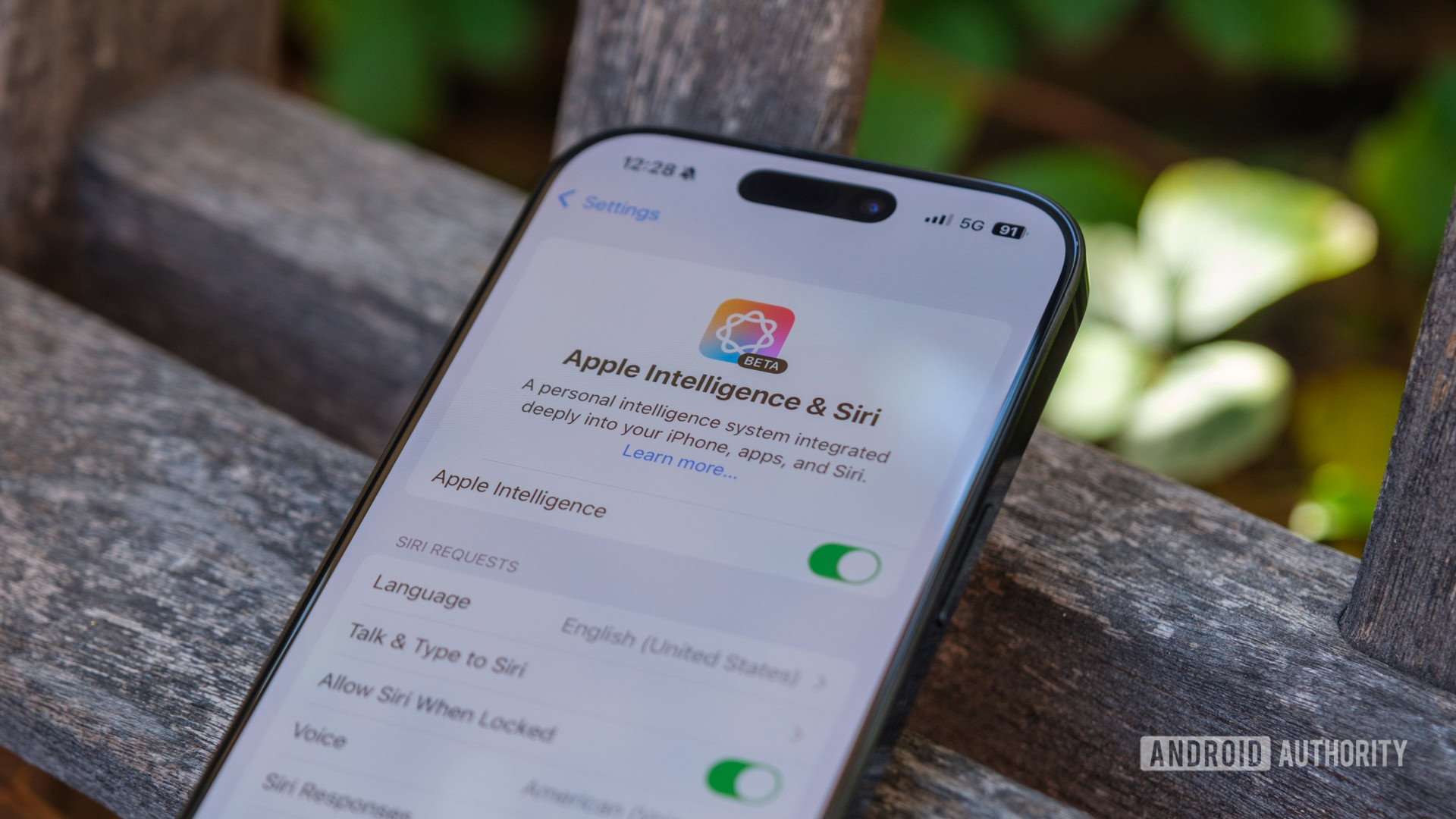
- Apple Intelligence: Apple’s approach, which requires a deliberate toggle to initiate the download of local models, represents a "middle-ground" model. It acknowledges that not every user wants their device performing on-device LLM processing, effectively putting the power of the "on/off" switch back into the hands of the consumer.
The Lessons of History: Why "Less" is a Product Feature
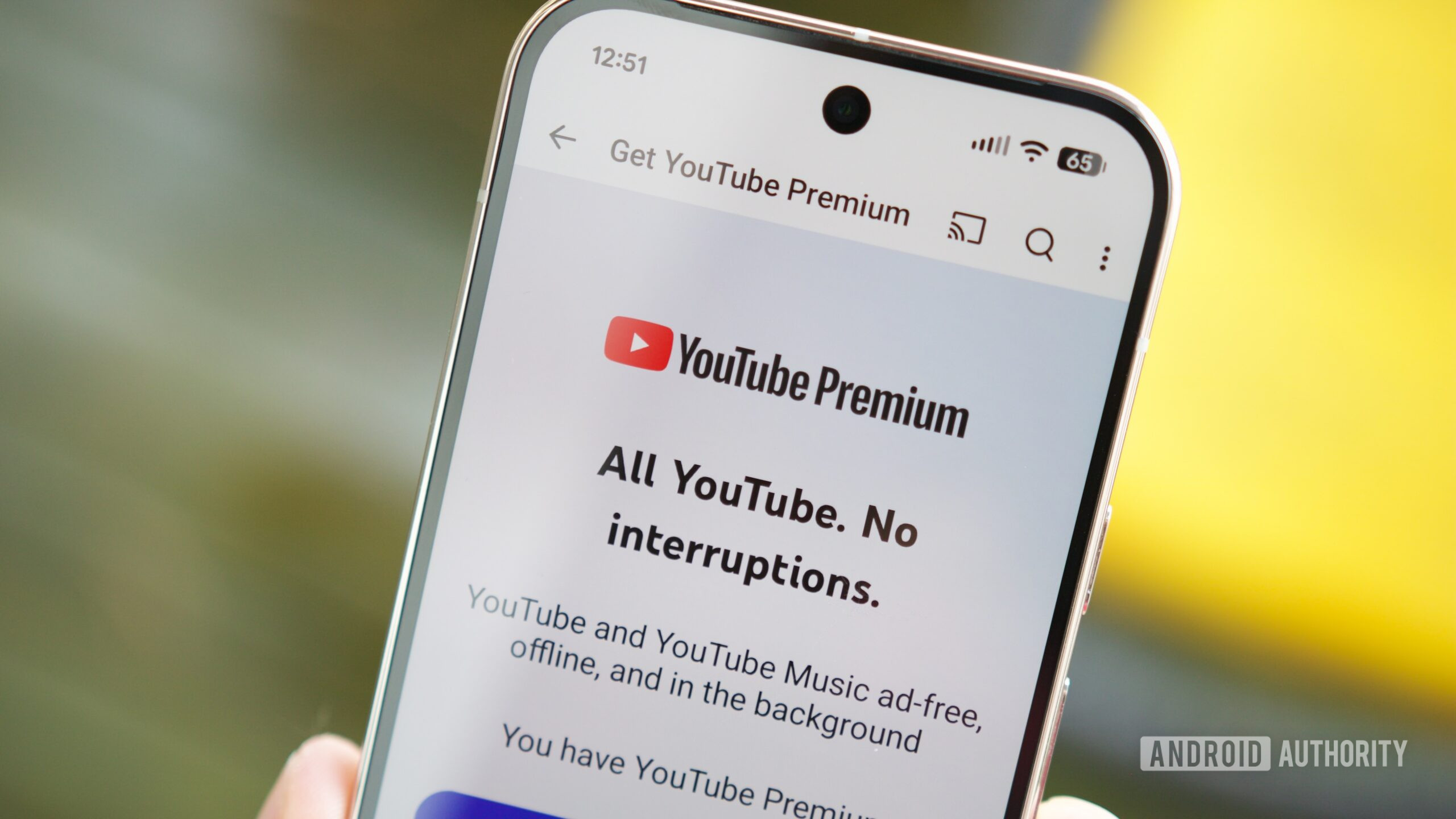
The tech industry has faced similar crossroads before. In the early 2000s, the internet was plagued by invasive pop-ups, auto-playing audio, and intrusive display ads. The market responded with the rise of subscription-based models like Netflix and YouTube Premium, which promised an "ad-free" experience.
Today, we are seeing the emergence of a similar "anti-narrative." Just as users were willing to pay for an ad-free experience, they are now expressing a preference for "AI-free" or "AI-controlled" environments. This is not necessarily an anti-tech stance; it is a pro-user-control stance.
History shows that when a technology becomes overwhelming, a counter-culture of "minimalism" inevitably emerges. We saw this with the rise of the "dumb phone" movement, where users sought out minimalist devices like the Mudita Kompakt to escape the constant notification loops of modern smartphones. The desire for AI-free or AI-optional software is simply the next evolution of this search for digital agency.
Official Responses and Industry Implications
The industry is beginning to recognize this shift, though the response is fragmented. Companies like Proton have navigated this carefully. With the launch of their AI chatbot, Lumo, they maintained their reputation for privacy by ensuring that AI does not have default access to user data. Users must explicitly copy and paste information into the tool, maintaining a clear "firewall" between their private data and the generative model.
Mozilla Firefox has similarly taken a restrained path, offering AI features like smart tab grouping as optional, privacy-first additions. This demonstrates that there is a viable path forward for AI that doesn’t involve "shoving it down the user’s throat."
The core implication for the industry is clear: The next great differentiator will be "Choice."
Companies that continue to force AI on users will likely face increased churn, especially among power users and professionals who prioritize workflow integrity over synthetic convenience. Conversely, companies that provide a "classic" experience with a clear, easy-to-use toggle for AI features will capture a segment of the market that feels increasingly alienated by the current trajectory of Big Tech.
Conclusion: The Path Toward Personalization
AI is not going away. It is a transformative technology that, when applied correctly, can solve incredibly complex problems and handle mundane, time-consuming tasks. However, its value is not universal.
For the professional writer, an AI that tries to "help" with every sentence is a nuisance; for a researcher looking for a specific, obscure phrase in a massive database, it is a godsend. The problem is not the technology itself, but the lack of nuance in its deployment.
The future of digital services will not be a binary choice between "AI" and "No AI." Instead, it will be defined by granular control. The most successful products of the next decade will be those that allow users to curate their digital environment, enabling AI where it provides genuine value and silencing it where it acts as a distraction.
We are moving toward a "Parallel World" of computing. In this world, the default is human-centric, and the AI is a guest—not a gatekeeper. By granting users the power to decide when and where they want to interact with machine intelligence, the industry can bridge the gap between innovation and user sanity. The "AI-first" era may have been the necessary push to get us here, but the "Choice-first" era is what will keep us there.


 Asro
Asro
 Ali Ikhwan