Reynand Wu
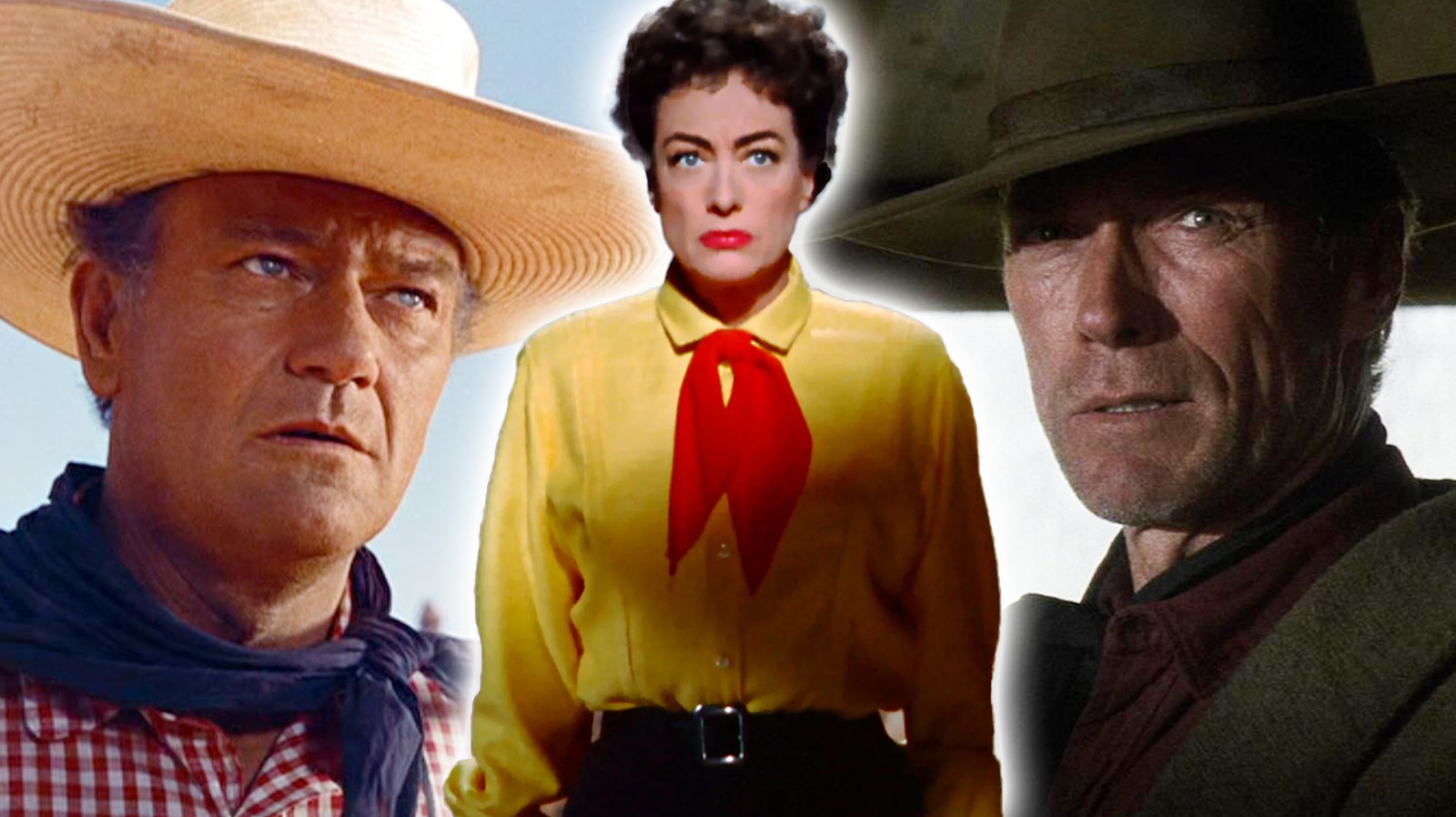
For over a century, the Western has served as the cinematic bedrock of American mythology. It is a genre that has waxed and waned in popularity, reflecting the shifting anxieties and aspirations of the nation itself. While the 1960s—a decade that famously saw the rise of the late, legendary film critic Roger Ebert—marked a period where the genre seemed to be fading into the sunset, it never truly vanished. Instead, it evolved, shifting from the black-and-white morality of the frontier to the gritty, revisionist complexities of the modern era.
Roger Ebert, a critic whose career spanned the evolution of the New Hollywood era, possessed a unique capacity to bridge the gap between traditionalist appreciation and modern analytical rigor. Throughout his prolific tenure, Ebert reviewed hundreds of Westerns. To distill his preferences into a definitive list is to trace the history of the genre itself. By focusing on titles that earned his rare four-out-of-four-star rating and maintaining a focus on the traditional 19th-century frontier setting, we gain a profound insight into what Ebert considered the "best" of the West.
The Architecture of the Genre: A Chronological Journey
The evolution of the Western is best understood through the lens of time, as each decade brought a new interpretation of the pioneer spirit and the violent realities of the American expansion.
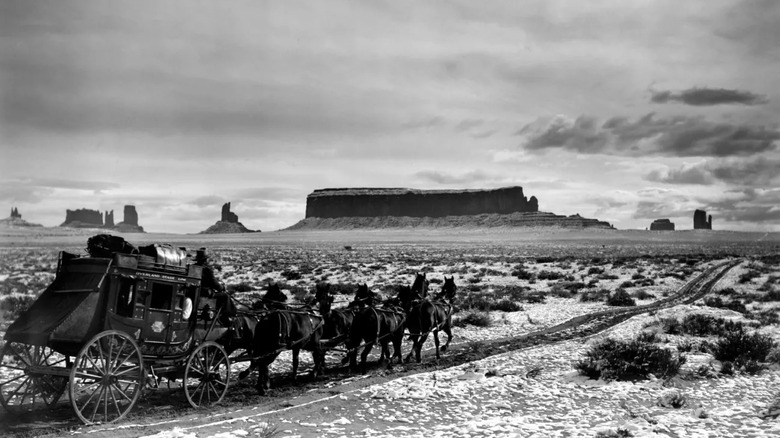
1939: The Symphonic Precision of "Stagecoach"
John Ford’s Stagecoach remains the quintessential template for the Western ensemble drama. Before its release, John Wayne was a B-movie staple, not yet the iconic titan of the screen. Ford’s insistence on casting him—despite studio resistance—proved to be a masterstroke. Ebert famously observed that despite the film’s reliance on archetypes, it "holds our attention effortlessly and is paced with the elegance of a symphony." By confining his characters to the claustrophobic space of a stagecoach, Ford elevated the genre from simple action to a nuanced study of class and human nature.
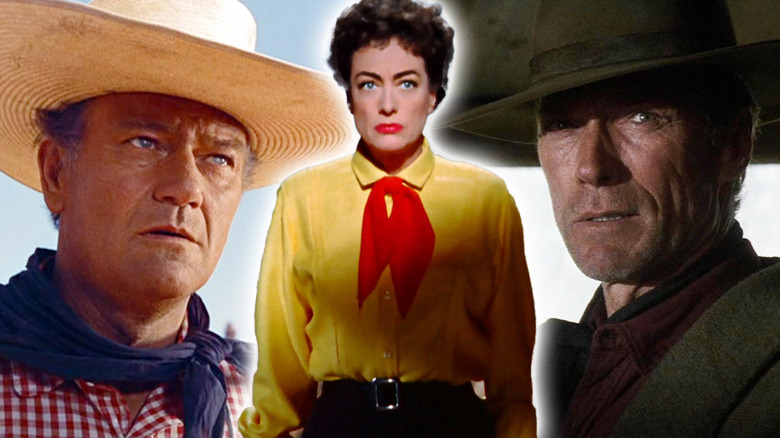
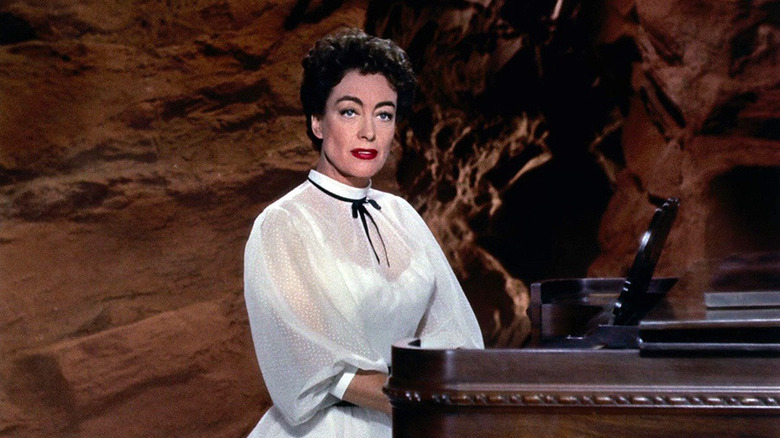
1954: The Gender-Bending Tension of "Johnny Guitar"
Nicholas Ray’s Johnny Guitar stands as a radical outlier. It is a Western defined by its gender politics, featuring two formidable women—Vienna (Joan Crawford) and Emma Small (Mercedes McCambridge)—as the primary antagonists. Ebert’s later assessments of the film leaned into the subtext of the McCarthy-era "Red Scare," noting how the film functioned as a critique of the paranoia and ideological persecution plaguing Hollywood. It remains a fascinating, visually arresting work that defies the masculine tropes of the era.
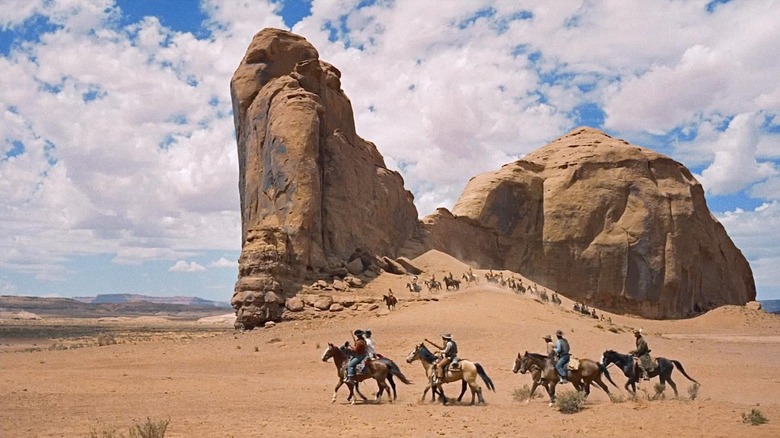
1956: The Moral Abyss of "The Searchers"
John Ford’s The Searchers is frequently cited as the greatest Western ever made. Set against the breathtaking backdrop of Monument Valley, it features John Wayne as Ethan Edwards, a character who is, as Ebert bluntly put it, a "violent racist." The film’s brilliance lies in its refusal to offer easy answers. It forces the audience to confront the darkness of its protagonist, challenging the viewer to sympathize with a man whose motivations are rooted in hatred. It is a masterpiece of psychological depth that continues to demand conversation.
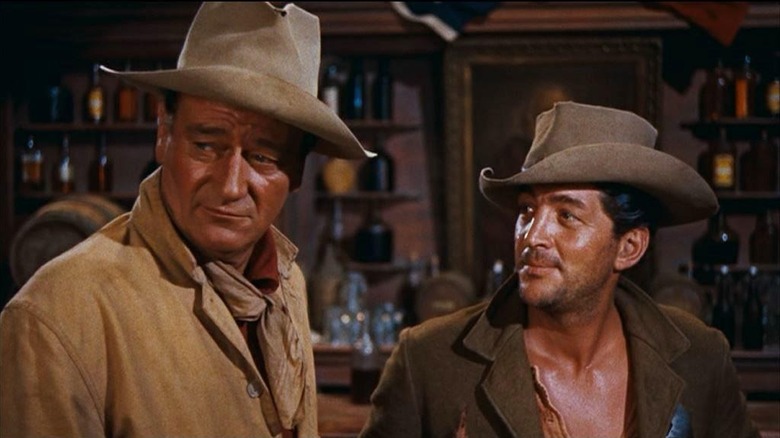
1959: The "Hangout" Masterpiece, "Rio Bravo"
In direct contrast to the brooding intensity of The Searchers, Howard Hawks’ Rio Bravo is an exercise in camaraderie and charm. Often described as a rebuttal to the high-stakes, anxious moralizing of High Noon, Rio Bravo is the ultimate "hangout movie." Ebert noted that the 141-minute runtime "flows past like running water." With a cast including Dean Martin and Angie Dickinson, the film prioritizes character dynamics and professional competence, turning the act of waiting for a villainous assault into a rich, absorbing experience.
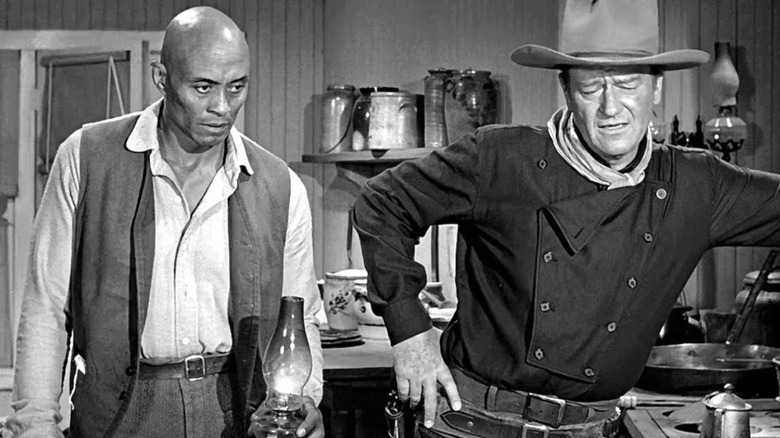
1962: The Elegiac Reflection of "The Man Who Shot Liberty Valance"
The third Ford-Wayne collaboration on this list, The Man Who Shot Liberty Valance, serves as a somber meditation on the transition from myth to history. As the characters look back on the events that shaped their town, the film explores the uncomfortable reality that legends are often built on lies. Ebert called it the "most pensive and thoughtful" of the Ford-Wayne Westerns, highlighting the tragedy of a man (Wayne) who does the right thing, only to be erased by the march of progress.
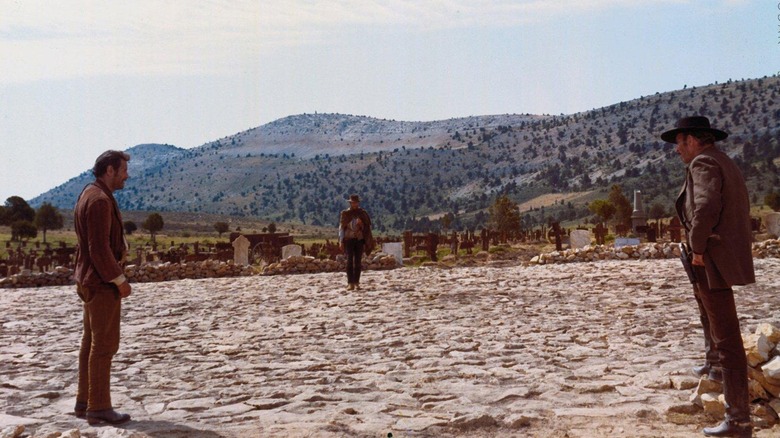
1968: The Stylistic Revolution of "The Good, the Bad and the Ugly"
Sergio Leone’s spaghetti Western masterpiece initially received a lukewarm reception from the young Roger Ebert. However, his later reassessment corrected the record. In a 2003 appreciation, Ebert admitted that his initial three-star review was a mistake—a symptom of the critical bias against the stylistic excess of the Italian Western. Today, it is recognized as a pinnacle of the genre, where Ennio Morricone’s score and Leone’s operatic framing create an experience that transcends the limitations of traditional storytelling.
1969: The Quintessential Entertainment of "True Grit"
Henry Hathaway’s True Grit captures the spirit of the Western as a pure, joyous piece of entertainment. While John Wayne’s performance as the grizzled, one-eyed Rooster Cogburn earned him an Academy Award, the film’s success lies in its blend of humor, heart, and adventure. Ebert noted that it was the "sort of film you call a movie, instead of the kind of movie you call a film," acknowledging its populist appeal and the sheer charisma of its leading man.
1971: The Deconstructionist Vision of "McCabe & Mrs. Miller"
Robert Altman’s McCabe & Mrs. Miller is perhaps the most unconventional entry in this collection. Set at the turn of the 20th century, it is a haunting, atmospheric look at the encroachment of corporate interests on the frontier. Ebert praised it for being "like no other western ever made," noting that while it contains the expected shootouts, its true focus is the tragedy of independent spirits being crushed by the inevitable, cold machinery of capitalism.
1990: The Sweeping Epic of "Dances with Wolves"
Kevin Costner’s directorial debut marked a massive resurgence for the Western. It was a bold, risky endeavor that paid off with both critical acclaim and box-office dominance. Ebert lauded Costner’s "command of story and of visual structure," observing that the film served as a moving ode to the vanishing frontier. Despite its occasional idealism, the film’s emotional resonance remains undeniable, providing a grand canvas for a story of cross-cultural discovery.
1992: The Final Word in "Unforgiven"
Clint Eastwood’s Unforgiven is the definitive revisionist Western. By deconstructing the myth of the gunslinger, Eastwood created a somber, violent, and deeply moral film that acts as a capstone to his career in the genre. Ebert’s analysis hit the nail on the head: the heart of a traditional Western is "good silencing evil," and Unforgiven acknowledges this, even as it forces us to witness the horrific, unglamorous reality of what it actually takes to commit murder in the name of justice.
Supporting Data: Why Ebert’s Selection Matters
The criteria for this selection—four-star ratings and a traditional 19th-century setting—provide a clear window into Ebert’s critical priorities. He valued:
- Character Depth: Films like The Searchers and Unforgiven succeed because they treat the protagonist as a flawed human being rather than a cardboard cut-out.
- Thematic Resonance: Whether it was the critique of capitalism in McCabe & Mrs. Miller or the McCarthy-era metaphors in Johnny Guitar, Ebert looked for stories that spoke to broader societal truths.
- Pacing and Atmosphere: Ebert was a champion of the "absorbing" film, regardless of length. His praise for Rio Bravo and Dances with Wolves underscores his belief that a film’s duration should be dictated by its need to breathe and develop its world.
Official Responses and Cultural Legacy
The enduring legacy of these films is reflected not only in Ebert’s reviews but in the way modern filmmakers continue to engage with them. Rio Bravo inspired John Carpenter’s Assault on Precinct 13, while the influence of The Searchers can be found in countless road movies and tales of obsession. These films represent a bridge between the classic era of studio-controlled myth-making and the modern era of critical inquiry.
Implications for the Modern Western
The "revisionist" trend popularized by films like Unforgiven has fundamentally changed the landscape of the genre. Modern Westerns are no longer just about the triumph of the lawman; they are about the cost of that triumph. They are about the erasure of indigenous voices, the environmental toll of expansion, and the psychological scarring of the men and women who lived through the era.
Roger Ebert’s list serves as a map for understanding this transition. He recognized that the genre was at its best when it wasn’t just showing us the West, but when it was holding a mirror up to the American psyche. As we continue to look back at these ten films, we find not just a collection of great stories, but a comprehensive history of how a nation attempted to define its own soul through the medium of film. Whether you are a scholar of the genre or a casual viewer, these ten masterpieces offer a profound, sometimes painful, and always essential look at the frontier—both the one on the screen and the one that exists in our collective memory.

 Sagoh
Sagoh
 Suro Senen