Ali Ikhwan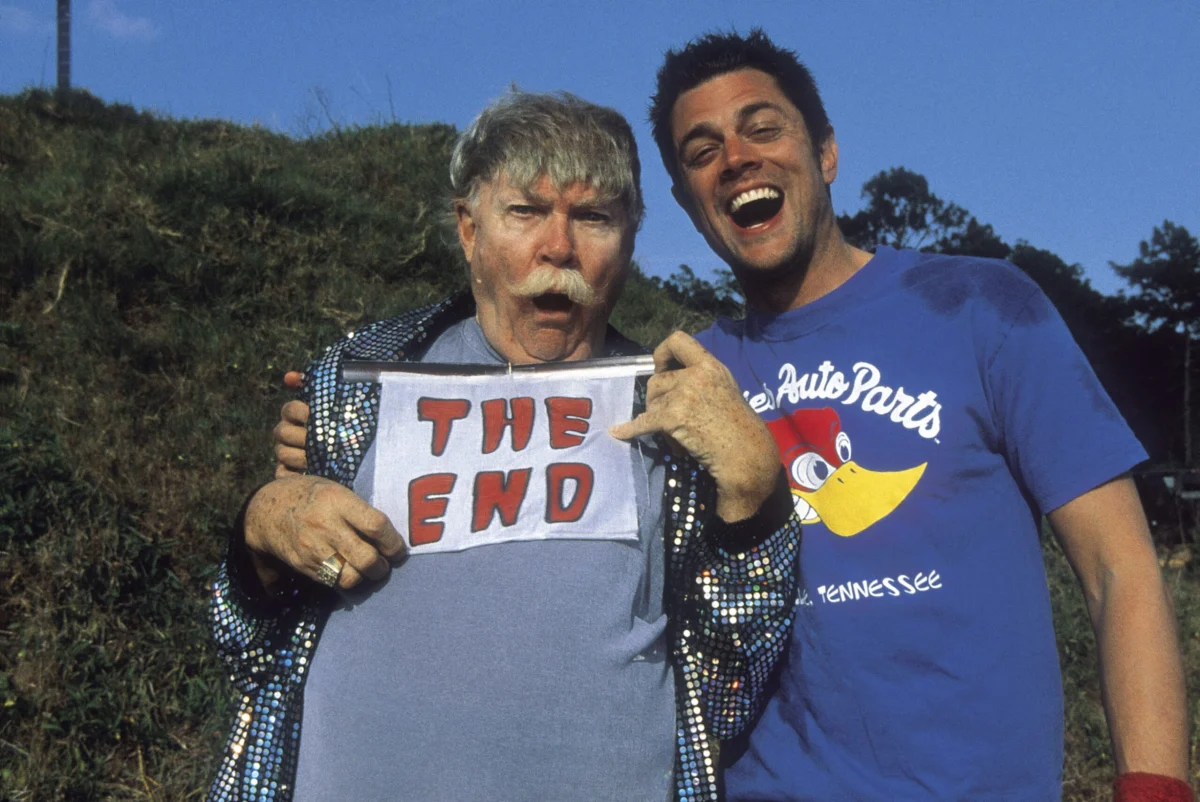
For over a quarter of a century, the Jackass franchise has stood as a defiant, chaotic, and often painful pillar of pop culture. It began as a low-budget, guerrilla-style television experiment on MTV and blossomed into a global cinematic phenomenon that redefined the limits of physical comedy and stunt performance. Yet, as the dust settles on the latest installment, Jackass: Best and Last, director Jeff Tremaine has offered a definitive word on the future of the crew: it is finally over.
While fans have heard the "this is the last one" refrain before, Tremaine’s recent appearance on the Filmmaker Toolkit Podcast signaled a palpable shift in tone. This is no longer a strategic marketing ploy or a vague promise to retire; it is a pragmatic admission rooted in the physical realities of the performers who built the brand.
A Legacy Written in Scars: The Chronology of Chaos
The Jackass timeline is not measured in years, but in injuries, hospitalizations, and miraculous recoveries. Since its inception in 2000, the crew—led by the fearless Johnny Knoxville—has subjected themselves to the unthinkable. From the early days of shopping cart collisions to the high-stakes, big-budget spectacles of their later films, the group’s evolution has been nothing short of a cultural marathon.
The Rise of the Pranksters
When Jackass first aired, the consensus among critics was that it would be a flash in the pan—a "burn bright and fast" production that lacked the structural integrity to survive. Instead, it became a generational touchstone. The transition from television to film only raised the stakes, as the team sought to outdo their previous efforts with more complex, dangerous, and elaborate setups.
The Turning Point: Jackass Forever
The 2022 release, Jackass Forever, served as a turning point for the franchise. It was here that the reality of the performers’ aging bodies finally intersected with the extreme nature of their stunts. The most infamous moment of the film—a brutal encounter with a bull that left Knoxville on a stretcher—became the defining image of the group’s later years. While the cameras caught Knoxville emerging from the hospital with a broken wrist and a grin, the reality was far more severe.

The Physical Reality: Why the Show Must End
The decision to shutter Jackass is not a lack of creative desire, but a necessary response to the biological limits of the human body. Director Jeff Tremaine, who is turning 60, has been a witness to every broken bone and internal bruise since the beginning.
The Medical Ceiling
During his Filmmaker Toolkit interview, Tremaine was candid about the risks associated with modern Jackass stunts. "He got a traumatic brain injury on that [bull stunt], and it became apparent we can’t hit him in the head anymore," Tremaine revealed. The director noted a clear distinction between the types of stunts that are still physically viable and those that are no longer responsible. "We can kick him in the dick and punch his body, but it’s risky to get him another concussion."
The "Gnarly" Truth of Filmmaking
Jackass: Best and Last offers an unprecedented look into the archives, revealing the footage that didn’t make the cut—specifically the takes leading up to the fateful bull encounter. The film exposes a painful reality: the most dangerous stunts are often the ones that don’t look "dramatic" enough to capture on camera.
Tremaine reflected on a previous, smaller bull hit that resulted in two broken ribs for Knoxville. Despite the injury, the footage was discarded because it lacked the visual "payoff" required for the edit. This dynamic—the constant pressure to create spectacular failure—is precisely what makes the show so dangerous. "The funny thing about Jackass is if you set up a motorcycle jump and he makes the jump, well, they have to do it again," Tremaine explained. "It has to fail. It’s designed to fail."
The Dynamics of the Crew: Why There Is No Replacement
Speculation regarding the future of Jackass has frequently centered on the possibility of a "new generation" taking over the mantle. Jackass Forever introduced younger supporting cast members, leading many to wonder if the brand could survive without the core original members.

Tremaine, however, remains skeptical of this transition. "We could get new people to come in, and there are gnarly people out there, for sure. But I would need to find a new gnarly me, too," he said. The director emphasizes that the "magic" of Jackass is not in the stunts themselves, but in the specific chemistry of the individuals involved. The bond between the crew is the glue that held the chaos together for 26 years. To attempt to recreate that with a fresh cast would be to misunderstand the nature of the project.
The Emotional Core: The Motel Room Revelation
Perhaps the most poignant aspect of Jackass: Best and Last is the final shot of the film. It is a candid, behind-the-scenes moment captured in a motel room during the production of the very first Jackass movie in 2002.
The clip shows a younger Tremaine and Knoxville reflecting on a day of filming that had spiraled out of control. Tremaine is seen visibly shaken, struggling to process the terror of a golf cart accident that he feared had killed or decapitated his friend. "From my angle, that golf cart swallowed him up and broke his neck," Tremaine recalled. "I thought he might even have been decapitated… It was bad, and then he popped up. I was shook the whole night."
The contrast between the "merry prankster" director and the traumatized human being behind the camera is a rare look at the toll the franchise has taken on its creators. The fact that this footage was stumbled upon by a producer during the editing of Best and Last feels, to Tremaine, like a poetic bookend to their journey. It represents the raw, unscripted reality of their relationship.
Implications for the Future of Stunt Media
As the Jackass era draws to a close, the industry is left to grapple with the legacy of the "reality-stunt" genre.

- The Professionalization of Stunts: Jackass bridged the gap between backyard amateurism and professional stunt work. Their influence can be seen in modern internet culture, yet the level of medical supervision and safety planning required for a Jackass production today is lightyears ahead of where it began.
- The End of an Era: The retirement of the core group marks the end of a specific type of visceral, unpolished performance art that thrived on the edge of catastrophe.
- The Importance of Documentation: By pivoting toward "behind-the-scenes" retrospectives like Best and Last, the franchise is cementing its place in film history, acknowledging that the process of making these films was just as significant as the stunts themselves.
Conclusion
The survival of Jackass for over two decades is a statistical anomaly in the entertainment world. What started as a volatile, low-budget experiment grew into a massive cinematic project that survived the scrutiny of the public, the evolution of media, and the inevitable aging of its stars.
Jeff Tremaine’s finality regarding the franchise is a sign of respect—not just for the audience, but for the performers who have given their bodies to the screen. As he noted, "The fact that we survived 26 years is ridiculous." Now, with nothing left to prove and the physical safety of his team at the forefront, the director is finally ready to step away from the edge. Jackass will be remembered not for the stunts that broke them, but for the inexplicable, chaotic, and enduring brotherhood that made it all possible.


 Lina Hope