Neng Nana
Published Jun 27, 2026, 7:00 PM EDT
More than a decade after its groundbreaking debut, the acclaimed series Orphan Black stands as a rare and prescient example of biopunk television, offering a thrilling blend of high-concept science fiction, intricate conspiracy, and profound character exploration. Now streaming in its entirety on Netflix, the show continues to captivate new audiences and invite loyal fans to revisit its complex narrative and, most notably, the unparalleled performance of its lead, Tatiana Maslany.
Main Facts: A Symphony of Clones and Conspiracy
Orphan Black, which premiered in 2013, cemented its status as a seminal work in the biopunk genre, a subgenre of science fiction that delves into the ethical, social, and technological implications of genetic engineering and biotechnology. Unlike its cyberpunk cousin, which often focuses on information technology and urban decay, biopunk interrogates the human body itself as a frontier for technological manipulation and corporate control.
At its core, Orphan Black unravels the mystery surrounding Sarah Manning, a street-smart British con artist who, upon witnessing the suicide of a woman identical to her, assumes her identity. This impulsive act catapults Sarah into a labyrinthine world where she discovers she is one of many clones, all created and monitored by a shadowy biotech corporation known as the Dyad Institute. The series meticulously explores the repercussions of this genetic experimentation on society and, more intimately, on the lives of the individual clones who struggle for autonomy and a sense of self in a world that views them as intellectual property.
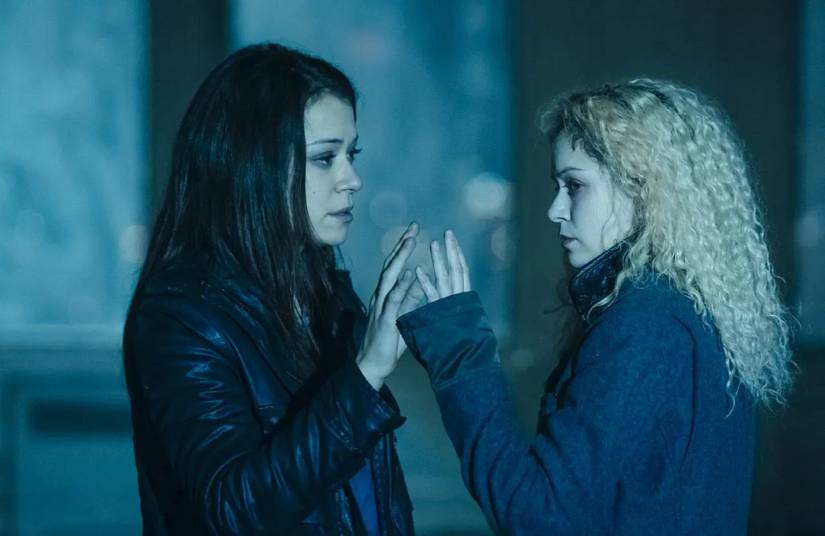
The show’s most celebrated achievement lies in Tatiana Maslany’s tour-de-force performance. Across five seasons, Maslany masterfully portrays no fewer than 17 distinct clone characters, each with unique personalities, mannerisms, accents, and emotional arcs. Her ability to imbue each clone with such vivid individuality, often interacting with other clones (also played by her), remains a benchmark in television acting and a primary draw for viewers. Despite some aspects of the visual effects showing their age, the scenes featuring multiple Maslanys sharing the screen continue to feel remarkably authentic and emotionally resonant, a testament to her skill and the production team’s ingenuity.
Currently available for streaming on Netflix, Orphan Black provides a compelling narrative for those seeking intelligent, character-driven sci-fi. It poses vital questions about identity, family, ownership of the human body, and the unchecked power of corporations in an era increasingly defined by biotechnological advancements.
Chronology: The Evolution of a Sci-Fi Saga
Genesis of a Cult Classic
The genesis of Orphan Black can be traced back to its creators, John Fawcett and Graeme Manson. Both had established reputations for projects that often explored dark, gritty, and thought-provoking themes within genre fiction. Fawcett, known for his work on the beloved werewolf horror film Ginger Snaps (2000) and the cult classic sci-fi thriller Cube (1997), brought a keen eye for horror and visceral storytelling. Manson, who also contributed to the dystopian alt-history series The Man in the High Castle, contributed to the intricate world-building and character development. Their combined vision for Orphan Black synthesized these interests, crafting a show that was at once a high-octane thriller and a deeply philosophical exploration of humanity.
The concept for Orphan Black reportedly began with Fawcett’s idea of a woman discovering she has a clone. Manson then expanded this into the broader narrative of a conspiracy and a diverse group of clone sisters. The show found a home at BBC America, a network known for taking risks on unique, character-driven dramas.
The Pilot Episode: A Hook for the Ages
The series premiere of Orphan Black stands as one of the most effective and gripping pilot episodes in recent memory. It introduces Sarah Manning, a British con artist returning to Canada to reunite with her daughter, Kira, and foster brother, Felix. The pivotal moment occurs on a train platform where Sarah witnesses a woman, Beth Childs, who is her exact physical duplicate, commit suicide by stepping in front of an oncoming train. In a spur-of-the-moment decision driven by desperation and opportunism, Sarah assumes Beth’s identity, hoping to clean out her bank accounts and escape her own troubled life.
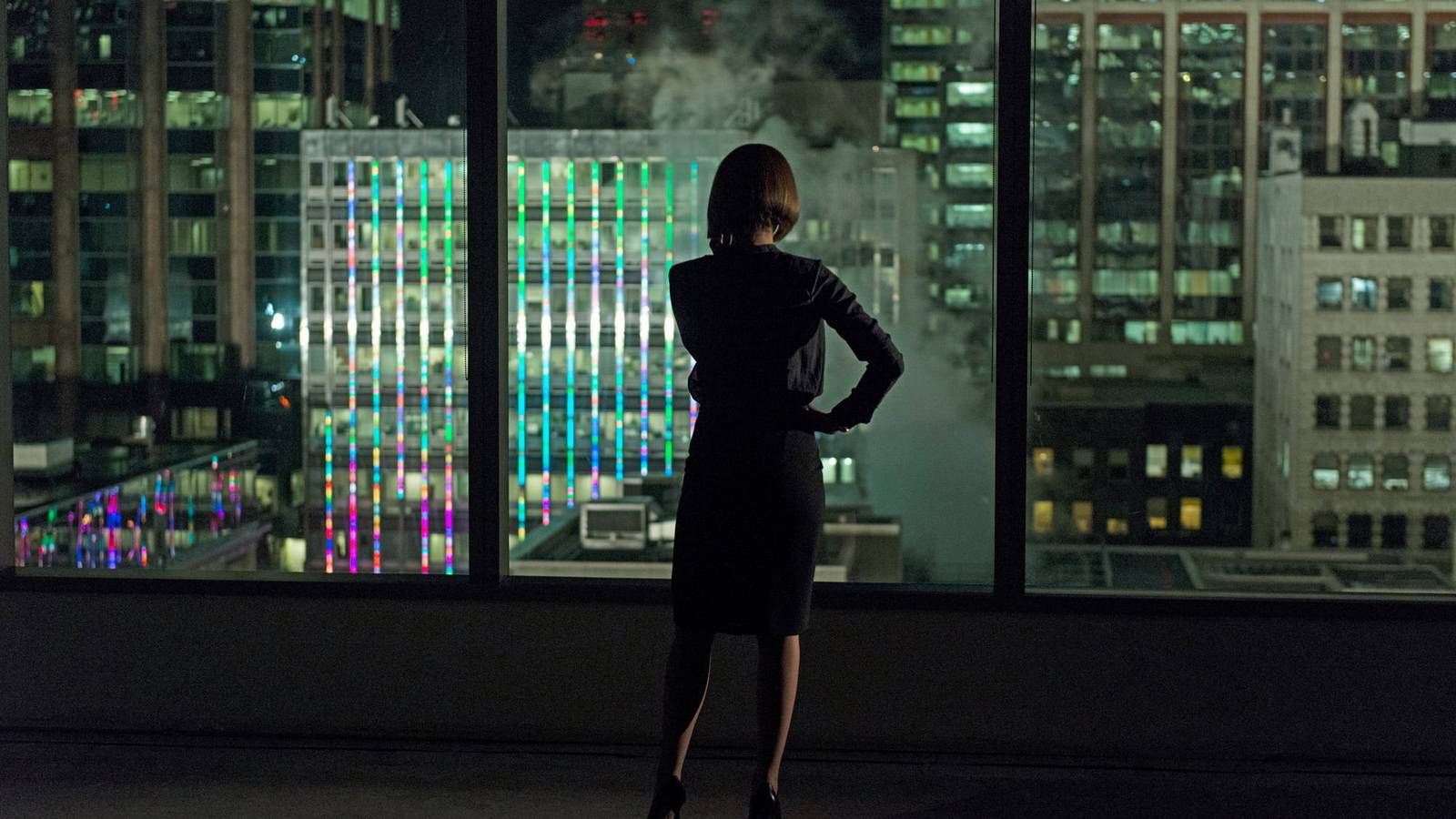
This immediate plunge into identity theft and mistaken identity sets a breakneck pace that largely defines the first season. Sarah quickly discovers that Beth was a detective embroiled in a complex investigation, leading her to encounter other clones: the suburban soccer mom Alison Hendrix and the brilliant but ailing evolutionary developmental biologist Cosima Niehaus. The pilot brilliantly establishes the show’s central mystery – who are these women, who created them, and why are they being hunted? – while simultaneously introducing the core themes of identity, sisterhood, and the inherent dangers of advanced biotechnology. The initial episodes are a masterclass in suspense, seamlessly blending elements of crime thriller, mystery, and sci-fi horror.
Evolution Through Seasons
Orphan Black maintained its momentum through its subsequent seasons, continually expanding its narrative scope and deepening its thematic explorations.
- Season 1: Focused on Sarah’s initial discovery, her attempts to navigate Beth’s life, and the introduction of the main clone "sisters." It established the Dyad Institute as the primary antagonist, a powerful biotech corporation with a vested interest in the clones, and the mysterious "Neolutionists" behind their creation. It also introduced Helena, a deeply disturbed, religiously zealous clone raised by a fundamentalist group known as the Proletheans, who believed the clones were abominations.
- Season 2: Delved deeper into the origins of the clones, revealing Project Leda, the scientific initiative responsible for their creation. The season intensified the cat-and-mouse game between the clones and Dyad, while also exploring the Prolethean faction more thoroughly. It began to unveil the complex web of ethical dilemmas surrounding genetic ownership and reproductive rights.
- Season 3: Introduced a new, unexpected layer to the conspiracy: male clones, known as Project Castor, who were genetically engineered for military purposes and suffered from a debilitating illness. This season, while introducing fascinating new characters and expanding the world, also received some criticism for its shift in focus. The military plotline, while relevant to the show’s biopunk themes, sometimes felt drawn out and momentarily diffused the intimate, character-driven focus that had made the series so compelling.
- Season 4: Returned to the roots of the mystery, exploring the history of Neolution and the earliest days of Project Leda. It brought back a sense of the psychological thriller, with a focus on a dangerous new antagonist and the continued fight for freedom and bodily autonomy.
- Season 5: The final season meticulously brought the overarching narrative to a satisfying conclusion. It skillfully pared down the various plot threads, recentering the story on the original group of clones and the mad scientists responsible for their existence. The season focused on resolving the clones’ fight for a cure and their quest for a normal life, delivering an ending that provided closure and a sense of justice for its beloved characters.
Throughout its run, Orphan Black consistently explored the concept of agency for women who were literally engineered in a lab. The show’s sharp commentary on women’s bodies, their autonomy, and the patriarchal systems attempting to control them remained incisive and relevant, resonating strongly with contemporary social discussions.
The Final Act: A Satisfying Conclusion
The creators of Orphan Black demonstrated remarkable foresight in crafting a definitive ending for the series. Unlike many shows that linger past their prime, Orphan Black concluded with its fifth season, allowing for a focused and coherent narrative resolution. The finale was praised for delivering a powerful and emotional send-off, tying up loose ends while leaving the audience with a sense of hope for the clones’ future. It solidified the themes of chosen family, resilience, and the enduring strength of sisterhood, providing a fitting end to a saga built on these very foundations.
Supporting Data: The Pillars of Orphan Black‘s Success
The Biopunk Genre: A Deep Dive
Biopunk is a subgenre of science fiction that emerged from cyberpunk but shifted its focus from information technology to biotechnology. Where cyberpunk explores virtual realities, artificial intelligence, and corporate control over digital information, biopunk delves into genetic engineering, cloning, biological manipulation, and the potential for corporations to control life itself. It often features dystopic settings, marginalized protagonists, and a critical examination of scientific ethics.
Orphan Black is arguably the quintessential biopunk television series of its era. It embodies the genre’s core tenets by focusing on:
- Genetic Manipulation: The very premise of the show revolves around human cloning, a direct application of advanced biotechnology.
- Corporate Control: The Dyad Institute and the mysterious Neolutionists represent the unchecked power of corporations and scientific elites over human life, treating individuals as commodities or experiments.
- Bodily Autonomy: A central theme is the clones’ struggle to reclaim ownership of their bodies and destinies from those who created them and seek to control them.
- Ethical Quandaries: The series constantly raises questions about the definition of humanity, the morality of genetic engineering, the implications of intellectual property on living beings, and the right to exist outside of a predetermined purpose.
The rarity of biopunk in mainstream media makes Orphan Black‘s success even more remarkable. While elements of biopunk appear in films like Gattaca, Splice, or even Blade Runner, few television series have committed so fully and successfully to exploring its complex themes over multiple seasons. Orphan Black‘s ability to weave these profound questions into an accessible, thrilling, and character-driven narrative is what truly sets it apart.
Tatiana Maslany’s Tour de Force
Tatiana Maslany’s performance in Orphan Black is not merely excellent; it’s a phenomenon. Her portrayal of numerous distinct clones – Sarah Manning, Alison Hendrix, Cosima Niehaus, Helena, Rachel Duncan, Krystal Goderitch, and many others – garnered widespread critical acclaim, culminating in an Emmy Award for Outstanding Lead Actress in a Drama Series in 2016.
The complexity of her task cannot be overstated. Maslany didn’t just change costumes and accents; she embodied entirely different psyches, physicalities, and emotional landscapes for each character.

- Sarah Manning: The rebellious, resourceful, and fiercely protective con artist.
- Alison Hendrix: The uptight, neurotic, and secretly violent suburban housewife.
- Cosima Niehaus: The brilliant, free-spirited, and empathetic scientist, grappling with her own mortality.
- Helena: The feral, traumatized, yet surprisingly childlike assassin with a deep capacity for love.
- Rachel Duncan: The cold, calculating, and ruthless corporate executive, a clone raised to embrace her engineered purpose.
- Krystal Goderitch: The ditzy, overly dramatic aesthetician, whose obliviousness often leads to accidental insights.
The technical execution of these multi-character scenes was equally impressive. The production relied on a combination of body doubles, motion control cameras, and meticulous post-production. Maslany would first perform her scene as one clone, then as another, reacting to a stand-in or a tennis ball, with precise timing and spatial awareness. The seamless integration of these performances made it easy for viewers to suspend disbelief and truly believe that multiple identical women were interacting. This technical prowess, combined with Maslany’s acting genius, elevated the show beyond a typical sci-fi thriller into a profound study of identity and performance itself. Her work challenged audiences to consider what truly defines an individual beyond their genetic makeup or physical appearance.
Critical Acclaim and Fandom
Orphan Black was not just a critical darling; it also cultivated a fiercely loyal and passionate fanbase known as the "Clone Club." Critics lauded the show for its intricate plotting, intelligent writing, and Maslany’s groundbreaking performance. Beyond the Emmy, Maslany received multiple nominations for Golden Globe Awards, Screen Actors Guild Awards, and Critics’ Choice Television Awards. The series itself was often praised for its ability to balance intense genre thrills with thoughtful character development and social commentary.
The "Clone Club" fandom engaged deeply with the show’s mysteries, theories, and characters. They celebrated the show’s feminist undertones, its diverse cast of characters, and its exploration of LGBTQ+ themes (particularly through Cosima’s storyline). The show fostered a sense of community among its viewers, who connected over their shared love for the complex narrative and the unique bond between the clone sisters. This active fan engagement contributed significantly to the show’s cultural impact and its longevity in the public consciousness, demonstrating how a niche series, when executed brilliantly, can resonate far beyond its initial broadcast.
Official Responses: Voices Behind the Vision
Creators’ Vision and Challenges
John Fawcett and Graeme Manson frequently spoke about their intentions for Orphan Black and the inherent challenges in bringing such a complex concept to life. They emphasized their desire to create a character-driven story within a genre framework, ensuring that the scientific and conspiratorial elements always served to illuminate the clones’ personal journeys.
Fawcett often recounted the difficulty of pitching a show with a single actress playing multiple identical characters, especially when the initial concept lacked a clear antagonist. He stated, "It was a very difficult show to sell in the beginning because it was just one actress playing multiple characters, and who were the bad guys? Who was the protagonist? And it was hard to get a real handle on it." However, they were steadfast in their vision for a show that explored identity through the lens of genetic manipulation.
Manson often highlighted the importance of the show’s emotional core. "We always wanted to make sure that the character’s journey was paramount, and the science fiction served that," he explained. Both creators acknowledged the logistical nightmares of filming Maslany’s multi-clone scenes but consistently praised her dedication and talent for making the impossible seem effortless. BBC America, despite the show’s ambitious premise and limited budget compared to major network productions, showed immense faith in the creators’ vision, allowing them the creative freedom to fully realize their intricate world.
Maslany’s Perspective
Tatiana Maslany herself has spoken extensively about the demanding yet incredibly rewarding experience of playing the Orphan Black clones. She described the process as requiring immense preparation, often involving detailed character journals, physical warm-ups, and intense focus to switch between personalities, sometimes within minutes.
"It was like going to acting school every day," Maslany reflected in various interviews. She spoke about finding the unique voice, posture, and inner life for each clone, often collaborating closely with the creators and directors to ensure consistency and depth. She highlighted the physical and emotional toll, but also the deep satisfaction of embodying such a diverse range of women. Maslany often credited the entire production team, particularly her body doubles Kathryn Alexandre and Lani Lum, for making her performances possible, emphasizing the collaborative nature of the show’s technical achievements.
The show undeniably served as a launchpad for Maslany’s career, showcasing her extraordinary range and leading to significant roles in film and television, including her titular role in Marvel’s She-Hulk: Attorney at Law. She often expresses profound gratitude for Orphan Black, recognizing it as the project that truly understood and utilized her unique talents as a performer.
Netflix’s Role in Rediscovery
The availability of Orphan Black on Netflix is a crucial factor in its enduring relevance. In the fragmented landscape of streaming services, Netflix offers a massive global platform that allows acclaimed but perhaps initially under-the-radar shows to find new audiences. For Orphan Black, this means that a new generation of sci-fi enthusiasts can discover its intricate narrative, and existing fans can easily revisit the series for rewatches, catching nuances they might have missed previously.
Netflix’s algorithm and reach provide a continuous pathway for "rediscovery," ensuring that shows like Orphan Black, which might have been difficult to access for some viewers during its original run on BBC America, can now achieve a broader cultural footprint. This accessibility contributes significantly to the show’s legacy, allowing its important themes and outstanding performances to continue to inspire and provoke thought.
Implications: The Lasting Echoes of Biopunk
Enduring Relevance of Biopunk Themes
Thirteen years after its initial airing, the themes explored in Orphan Black are more relevant than ever. The rapid advancements in biotechnology, genetic engineering (such as CRISPR technology), personalized medicine, and artificial intelligence in biological research continue to push ethical boundaries.
- CRISPR and Gene Editing: The show’s exploration of designer genes and engineered human beings directly mirrors contemporary debates about the potential for "designer babies" and the ethical implications of altering the human germline.
- Corporate Control over Biology: The Dyad Institute’s shadowy control over the clones’ health and lives reflects growing concerns about the commercialization of genetic data, pharmaceutical monopolies, and the potential for corporations to exert unprecedented influence over human health and reproduction.
- Identity and Individuality: As technology blurs the lines between natural and artificial, Orphan Black‘s central question – what truly makes an individual unique? – remains a potent philosophical inquiry.
- Bodily Autonomy: The clones’ constant fight to control their own bodies, health, and reproductive choices resonates strongly with ongoing discussions about women’s reproductive rights and personal freedom in the face of scientific and societal pressures.
Orphan Black served as a fictional mirror, reflecting the anxieties and hopes surrounding these emerging technologies. It cautioned against the "slippery slope" of scientific hubris and corporate exploitation, while also celebrating the resilience of the human spirit and the power of chosen family in the face of overwhelming odds.
Legacy and Influence
Orphan Black has left an indelible mark on the landscape of science fiction television. It set a new standard for complex, multi-layered female characters in the genre, demonstrating that intricate scientific narratives could be deeply personal and emotionally resonant. The show’s success proved that audiences were hungry for intelligent, thought-provoking sci-fi that didn’t shy away from difficult ethical questions.
Its influence can be seen in subsequent shows that have attempted to tackle similar themes of identity, genetic manipulation, or intricate conspiracies. More concretely, the enduring appeal of the Orphan Black universe has led to the development of a spin-off series, Orphan Black: Echoes, starring Krysten Ritter, slated for release in 2023. This continuation is a testament to the original series’ lasting impact and the rich potential of its foundational concepts. The new series aims to explore new characters and stories within the same biopunk framework, further cementing Orphan Black‘s place as a foundational text in the genre.
A Call to Rediscovery
For those who missed it during its original run, or for loyal fans eager for a rewatch, Orphan Black on Netflix offers a truly rewarding experience. It’s a series that defies easy categorization, blending the pulse-pounding thrills of a conspiracy drama with the intellectual rigor of speculative fiction and the emotional depth of a family saga.
Beyond its compelling plot and groundbreaking special effects, the show’s true power lies in its heart. It’s a story about women fighting for their right to exist, to define themselves, and to protect the ones they love. Tatiana Maslany’s legendary performance anchors this journey, making each clone a vivid, unforgettable individual. Even after more than a decade, her ability to make audiences believe in an entire "Clone Club" of distinct personalities remains a magical, singular achievement in television history. Orphan Black isn’t just a great sci-fi show; it’s a timeless exploration of what it means to be human, and it’s waiting to be rediscovered.


 Lina Irawan
 Sagoh
Sagoh