Raul Delapena Setiawan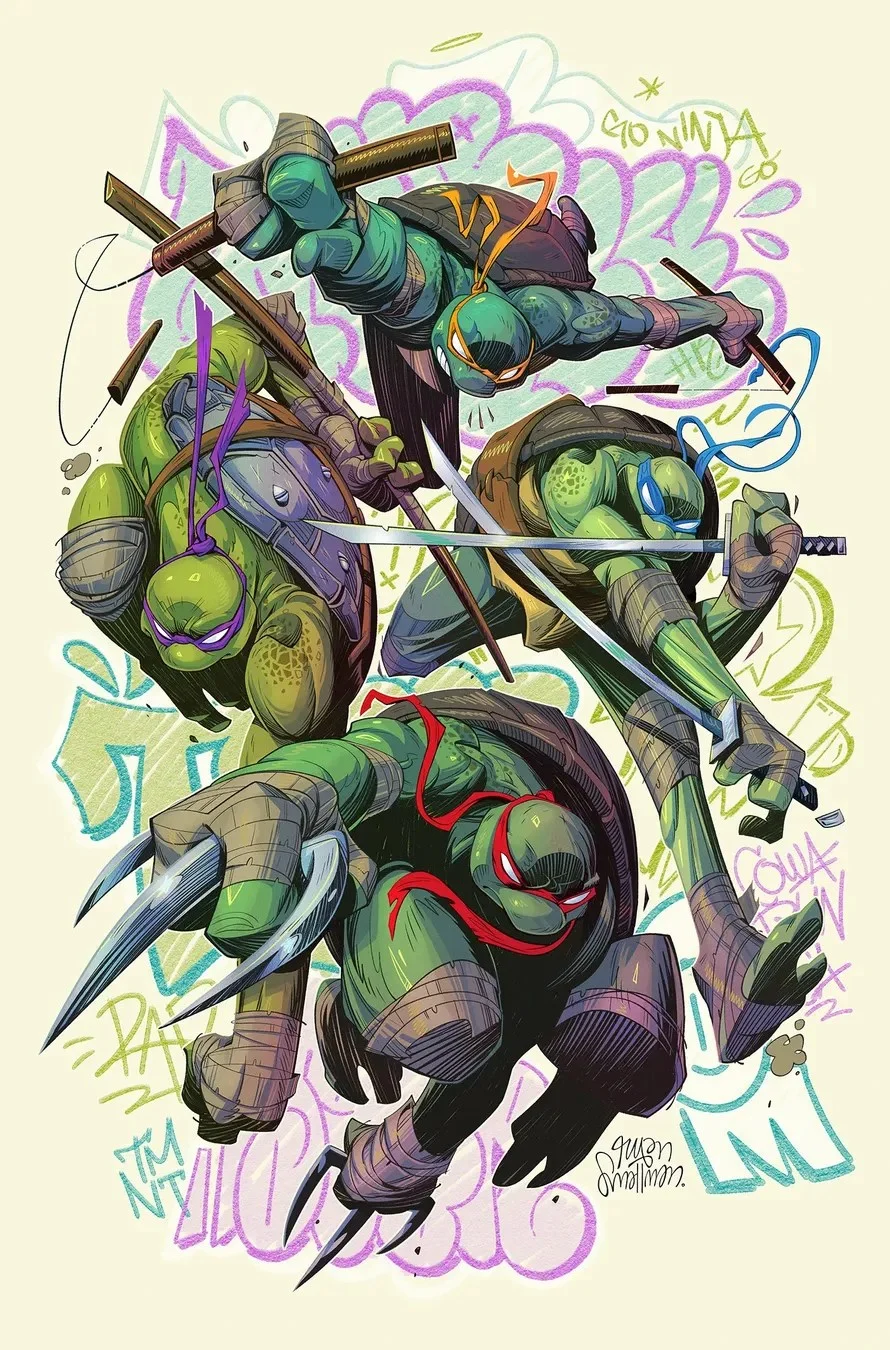
In the rapidly shifting landscape of contemporary design, where the lines between traditional craftsmanship and algorithmic generation are increasingly blurred, few artists command as much respect as Ryan Smallman. A multimedia artist whose career spans continents and industries, Smallman has redefined what it means to be a commercial illustrator in the 21st century.

From his origins in Michigan to his current creative headquarters in São Paulo, Brazil, Smallman has cultivated a signature aesthetic characterized by expressive line work, bold, high-contrast compositions, and a deeply cinematic sensibility. His portfolio—which includes collaborations with titans such as Marvel, DC, Fortnite, and FIFA—serves as a masterclass in how to bridge the gap between pop culture iconography and fine art.

The Architect of Pop Culture: Who is Ryan Smallman?
To understand Smallman’s impact, one must first look at the breadth of his professional footprint. He is not merely an illustrator; he is a storyteller who utilizes digital tools to manifest the gravity and scale of blockbuster entertainment.

His work on officially licensed posters for cinematic juggernauts like The Batman, Dune, and Avatar demonstrates a unique ability to distill complex narrative themes into a single, punchy visual statement. By blending the tactile feel of traditional screen printing techniques with the precision of modern digital software, Smallman creates works that feel "alive"—textured, emotional, and grounded in a sense of atmosphere that is often missing from purely vector-based digital art.

Chronology of a Creative Journey
Smallman’s career trajectory is a testament to the power of artistic evolution. While he began his journey honing his craft in the United States, his move to Brazil marked a significant pivot in his stylistic output.

- The Foundational Years: Early in his career, Smallman focused on the fundamentals: anatomy, color theory, and composition. These years were marked by a dedication to traditional drawing, a discipline that remains the backbone of his current digital process.
- The Multimedia Pivot: As digital tools evolved, so did Smallman. He became an early adopter of advanced tablet technology and software suites that allowed him to simulate the "imperfections" of physical media—the grain of paper, the bleed of ink, and the layered depth of acrylic paint.
- The Global Expansion: With the rise of global digital platforms like Behance, Smallman’s work began to reach an international audience. This visibility led to his high-profile partnerships with major entertainment brands, transitioning his focus from freelance graphic design to the creation of iconic, licensed key art for the film and gaming industries.
- The Modern Era: Today, Smallman is recognized as a luminary in the digital art space. His current projects, which range from podcast cover art to major motion picture posters, reflect an artist at the peak of his technical and conceptual powers.
Supporting Data: The Anatomy of a Masterpiece
What makes a Ryan Smallman poster resonate with audiences? It comes down to a rigorous, data-driven approach to visual hierarchy and emotional engagement.

The Pillars of His Aesthetic:
- Dramatic Lighting (Chiaroscuro): Smallman frequently employs high-contrast lighting to dictate the viewer’s focus. By isolating characters in pools of light against dark, textured backgrounds, he creates an immediate sense of tension and drama.
- Expressive Line Work: Unlike artists who rely on overly polished, airbrushed surfaces, Smallman’s work often features visible, deliberate line work. This gives his posters a sense of movement and "hand-made" authenticity.
- Cinematic Storytelling: Each poster acts as a narrative summary. Whether it is the gritty, rain-slicked atmosphere of a Gotham street in his The Batman poster or the vibrant, alien ecology of his Avatar work, the environment tells as much of the story as the subjects themselves.
- Textural Depth: Through the clever use of digital brush engines, Smallman mimics the aesthetic of screen-printed gig posters, adding a vintage layer of authenticity that appeals to both modern digital natives and traditional art collectors.
Implications for the Creative Industry
The emergence of AI-generated art has sent shockwaves through the design industry, leading many to question the future of human illustration. However, the success of artists like Ryan Smallman offers a clear counter-narrative.

Smallman’s work suggests that "craftsmanship" is the primary defense against the homogenization of art. When a brand like DC or Marvel commissions a poster, they are not just looking for an image; they are looking for a vision. They are looking for the "Smallman touch"—the subjective, intentional choices that only a human artist can make.

The implication for students and aspiring designers is clear: technical proficiency with software is only 50% of the battle. The remaining 50%—the personality, the artistic vision, and the ability to interpret a brand’s soul—is what creates longevity in a competitive market.

A Curated Selection: Analyzing the 20 Masterpieces
To appreciate the range of Smallman’s talent, one must examine the specific posters highlighted in his recent retrospective. Each piece serves as a case study in genre-specific design.

- The Cinematic Posters (Dune, The Batman, Avatar 2): These pieces emphasize scale. Smallman uses monumental framing to make the subjects feel like legends.
- The Gig Posters (Smashing Pumpkins, The Who, Daft Punk): These works showcase his ability to adapt to musical brand identities, utilizing bold typography and abstract geometry to reflect the "vibe" of the artists.
- The Pop Culture Staples (Spider-Man, Miles Morales, The Iron Giant): These posters lean into the energy of youth and action, utilizing dynamic poses and vibrant color palettes to capture the kinetic nature of the characters.
Official Perspective: The Value of Human Vision
In discussions regarding the future of the digital arts, industry experts often point to the "Smallman Model" as a blueprint for success. By maintaining an active presence on platforms like Behance, he bridges the gap between the professional client and the fan community. This transparency in his process—sharing sketches, color tests, and final outputs—builds a level of trust and appreciation that algorithms cannot replicate.

"It is not about the tool; it is about the intention," a sentiment often echoed in Smallman’s own reflections on his work. Whether he is working on a high-budget film poster or a limited-edition gig print, his dedication to the "handmade" feel remains constant.

Conclusion: The Future of Illustration
As we look toward the future of digital art, the work of Ryan Smallman stands as a lighthouse. It reminds us that no matter how advanced our technology becomes, the core of art remains the same: it is the communication of an idea, filtered through the unique lens of a human perspective.

For those looking to enter the field, the takeaway is simple: study the masters, master your tools, but never lose the "hand" in your work. Ryan Smallman has proven that in an era of digital perfection, the most powerful thing an artist can do is be human.

We encourage all readers to visit his Behance portfolio to see these works in high resolution. His trajectory from a creator in Michigan to a global icon in São Paulo is not just a success story—it is a blueprint for the modern creative professional.

Key Takeaways for Aspiring Artists:
- Consistency: Develop a style that is "instantly recognizable" by focusing on a few key pillars of your design.
- Adaptability: Learn to apply your specific style to diverse industries, from gaming to music to film.
- Engagement: Use your platform to share your process, not just the final result.
- Authenticity: Resist the urge to let software dictate your style. Use tools to serve your vision, not the other way around.
The creative world is changing, but as Ryan Smallman demonstrates, there will always be a place for those who treat their digital canvas with the heart and soul of a traditional painter.

 Asep Darmawan
 Nana
Nana