Ali Ikhwan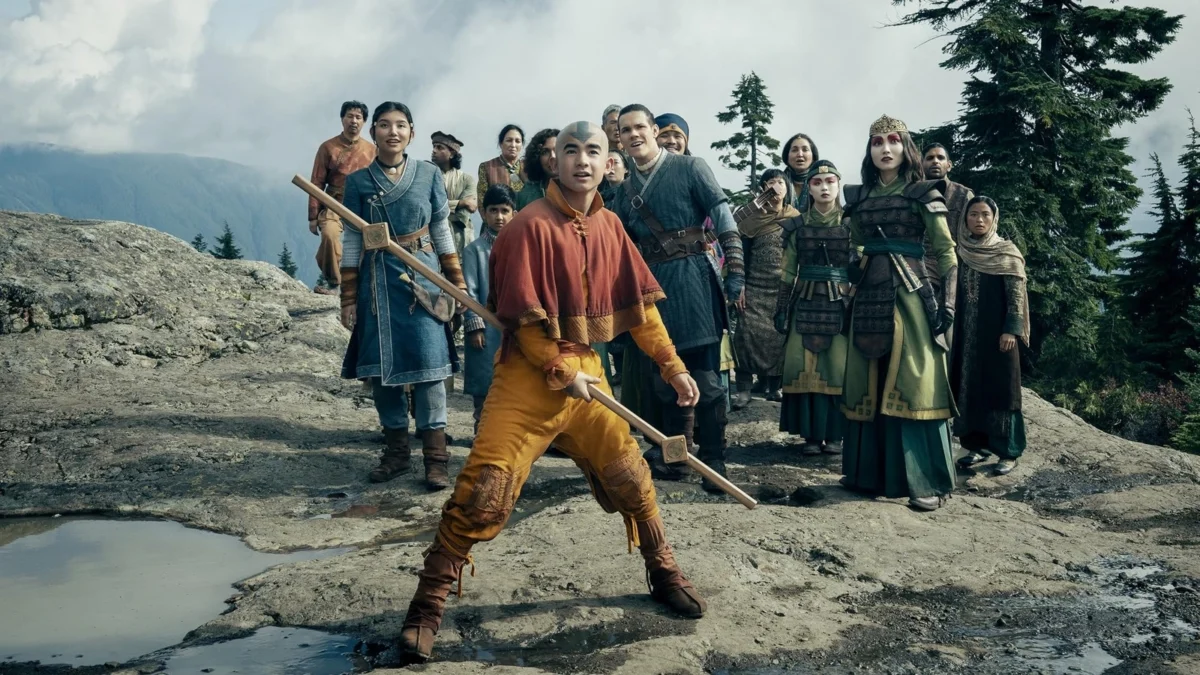
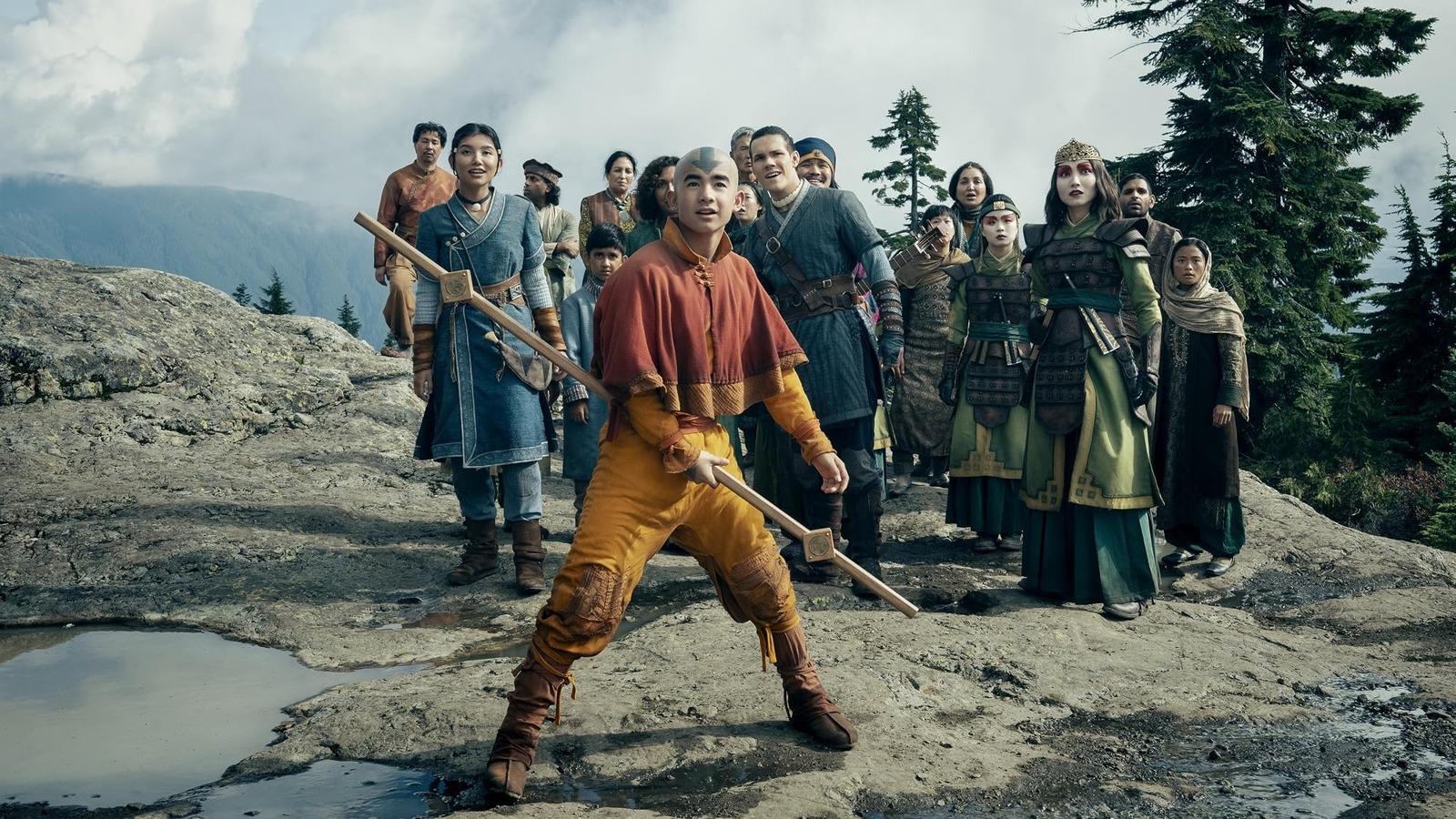
The landscape of modern television is littered with adaptations that struggle to balance the gravity of their source material with the whimsy that made the original work a cultural phenomenon. Netflix’s live-action adaptation of Avatar: The Last Airbender has faced its fair share of criticism for its pacing and structural shifts. Yet, amidst the debates regarding its narrative choices, one element stands out as a triumph of casting and character translation: the return of The Boulder.
In an era where "fan service" is often used as a pejorative to describe hollow cameos, The Boulder’s appearance in Season 2 serves as a masterclass in how to honor the cartoon’s legacy while grounding it in a live-action aesthetic that feels both authentic and genuinely hilarious.
The Legacy of the Earth Kingdom’s Greatest Showman
To understand why The Boulder (played by Kelemete Misipeka) is so pivotal to the success of the second season, one must look back at the original Nickelodeon animated series. Avatar: The Last Airbender (2005–2008) succeeded because it was a tonal chameleon. It could pivot from the harrowing trauma of a war-torn world to the slapstick antics of a group of teenagers on a journey.
The original series was renowned for its "one-off" characters—individuals who appeared for a single episode but left an indelible mark on the fandom. The Cabbage Merchant became an accidental symbol of the show’s enduring humor, while the singing nomads who introduced the world to "Secret Tunnel" became icons of internet culture. However, The Boulder occupied a unique space. He was not just a gag; he was a parody of professional wrestling culture, an archetype that bridged the gap between fantasy combat and theatrical performance.
Chronology: From Animated Icon to Live-Action Reality
The journey of The Boulder from a 2D drawing to a physical entity in Netflix’s production was fraught with the challenges inherent in "cartoony" source material.
The Original Genesis
In the animated series, The Boulder was a direct homage to the "Attitude Era" of professional wrestling. Specifically, he was a pastiche of Dwayne "The Rock" Johnson. His cadence, his penchant for referring to himself in the third person, and his larger-than-life persona were designed to feel like a Saturday morning wrestling broadcast injected into a high-fantasy setting. When the character was originally cast, the creators famously reached out to The Rock himself, though logistical hurdles led to the role being voiced by wrestling legend Mick Foley, who channeled the spirit of the archetype with remarkable precision.
The Netflix Adaptation
Fast-forward to the second season of the Netflix series. The production team faced a critical juncture: how do you portray a character who is defined by his hyper-exaggerated physique and theatrical delivery without it falling into the uncanny valley?
The show introduces The Boulder in the second episode of Season 2. Team Avatar, desperate to find an Earthbending tutor for Aang, stumbles into an underground wrestling ring. The introduction is seamless. We see him in his element—obliterating opponents with brute force. The stakes are established instantly: he is a powerhouse. However, the introduction is immediately undercut by the arrival of Toph (Miya Cech). The subsequent scene, where the hulking, ego-driven Boulder is humbled by the pint-sized Toph, retains the comedic timing of the original while grounding the physical comedy in the weight and tactile reality of the new production.
Supporting Data: Why This Character Works When Others Fail
The Netflix adaptation has been criticized for "rushing" iconic moments, often cramming too much plot into limited screen time, which leaves emotional beats feeling hollow. The Boulder, however, benefits from the show’s willingness to let a moment breathe.
The Anatomy of a Successful Adaptation
- The "Third Person" Rule: The decision to keep the character’s self-referential speech pattern was crucial. It anchors the audience in the absurdity of the world.
- The Casting Choice: Kelemete Misipeka’s performance is a delicate balance. He avoids the temptation to play the role as a mockery. Instead, he plays it with the earnest, unearned confidence of an athlete who has spent his entire life believing his own hype.
- The Contrast: By placing The Boulder in a setting that looks and feels like a gritty, lived-in Earth Kingdom, his colorful personality acts as a necessary "vent" for the show’s otherwise heavy atmosphere.
Data from social media sentiment analysis following the release of Season 2 shows that scenes involving The Boulder were among the most clipped and shared moments across TikTok and X (formerly Twitter). This suggests that viewers are starving for the specific brand of humor that defined the original series—a brand that the live-action show occasionally loses in its attempt to be "serious."
Official Perspectives: The Philosophy of the Boulder
While showrunners have been tight-lipped about the specifics of future cameos, the creative team behind the live-action series has frequently cited the need to "earn" the inclusion of side characters.
In interviews regarding the production design, the team highlighted that the wrestling ring sequence was one of the few instances where they allowed the production design to lean into the "wackiness" of the animation. The color palette in the arena is intentionally more saturated, the costumes are intentionally more stylized, and the dialogue is intentionally more theatrical.
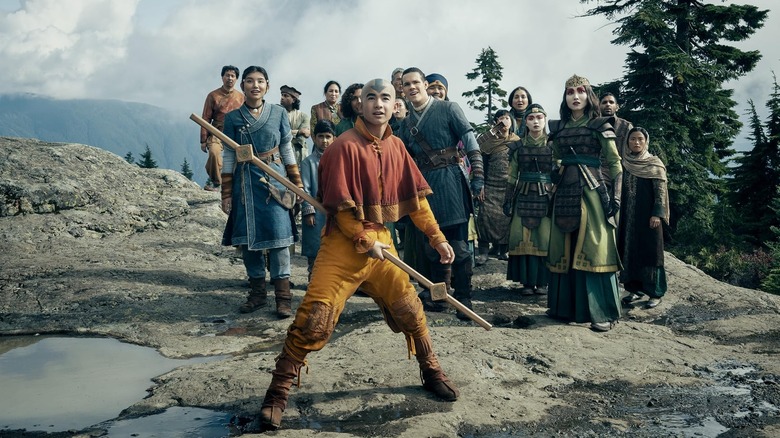
By creating a "bubble" of heightened reality for The Boulder, the showrunners managed to avoid the tonal dissonance that plagues other scenes. The Boulder is not trying to be a serious, gritty warrior; he is a wrestler. By allowing him to exist as a caricature within the world, the show actually makes the world feel more grounded, because it acknowledges that different people have different roles to play in the Earth Kingdom.
Implications for Future Seasons
The success of The Boulder has significant implications for the future of the Netflix series. It proves that the show’s audience is not interested in a sanitized, purely "prestige drama" version of Avatar. They want the heart of the original.
What This Means for the "Avatar" Universe
- Embracing the Absurd: The show should feel empowered to include more of the original’s oddball characters. If they can make The Boulder work, they can certainly adapt the more surreal elements of the Spirit World or the eccentricities of the Fire Nation’s more colorful citizens.
- Character Pacing: The Boulder serves as a model for how to introduce secondary characters. Rather than forcing them into the central plot, the show should continue to let these characters inhabit their own mini-worlds, providing flavor and depth without slowing down the primary Aang-centric narrative.
- The Tone Balance: The writers must continue to look for ways to balance the "doom and gloom" of the Fire Nation’s war with the lighthearted, occasionally ridiculous spirit of the Avatar journey.
Conclusion: A Rock-Solid Foundation
The Boulder is, in many ways, the "canary in the coal mine" for this adaptation. When the show tries to replicate the dramatic beats of the cartoon, it often struggles to capture the emotional depth of the animation. But when it embraces the sheer, unadulterated fun of the original—when it allows for a character to be loud, ridiculous, and undeniably human—the show thrives.
Kelemete Misipeka’s portrayal of The Boulder is more than just a nod to a wrestling legend; it is a vital piece of the puzzle that makes the Avatar world feel whole. He reminds us that even in the face of an encroaching war and the immense pressure of saving the world, there is always room for a little bit of bravado, a little bit of self-reference, and a whole lot of wrestling. As the series moves forward, the producers would do well to remember that the strength of Avatar lies not just in its bending, but in the people—the boulders—who make its world so incredibly, wonderfully strange.

 Asep Darmawan
 Layla Zulfa