Nila Kartika Wati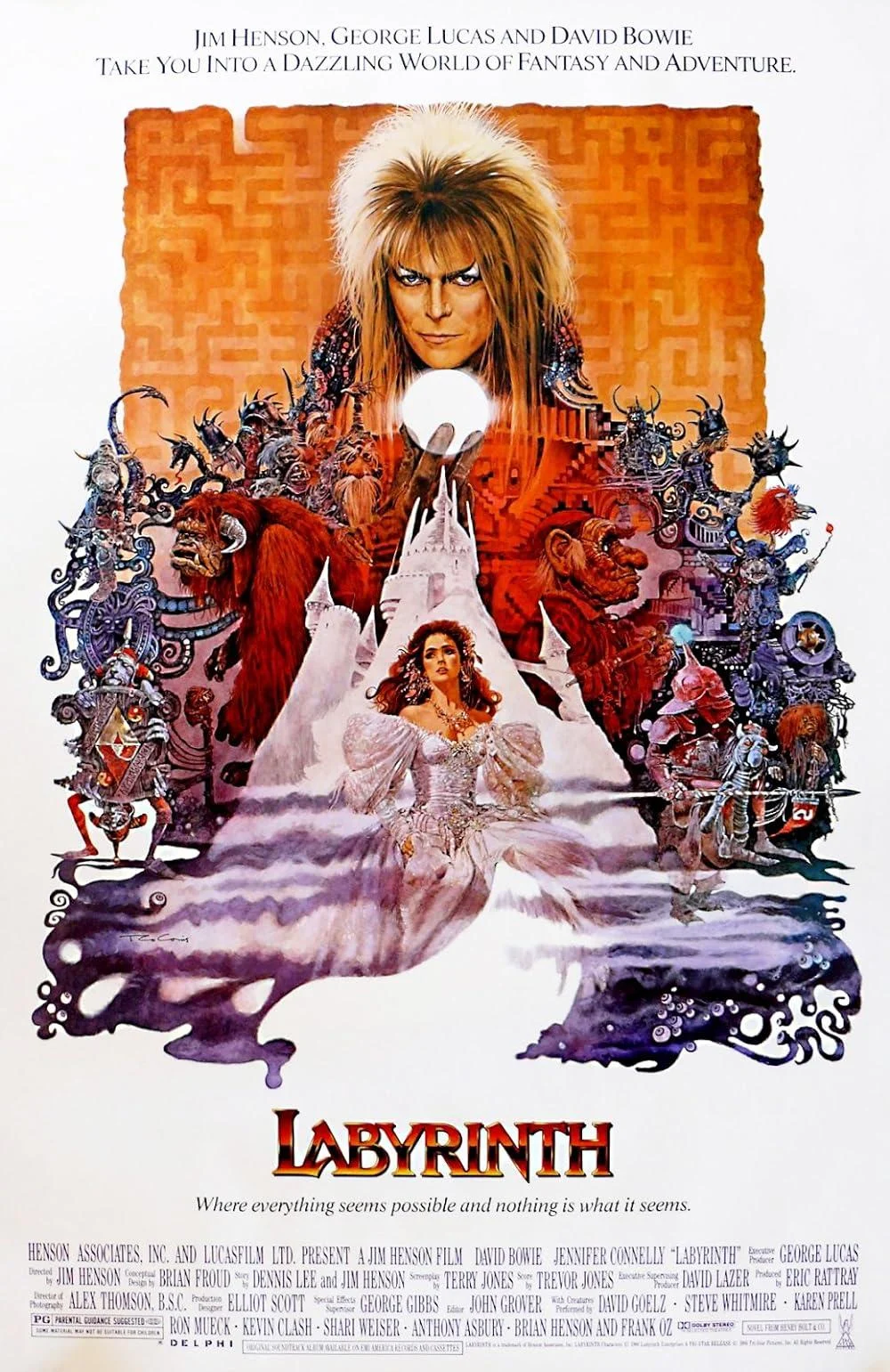
As we navigate the second half of 2026, the landscape of speculative fiction, fandom, and creative labor is undergoing a period of profound transformation. From the corridors of international literary awards to the legal battlegrounds of artificial intelligence and the nostalgic reflections on seminal cinema, the following report synthesizes the most significant developments impacting our community this week.
1. Governance and Industry Standards: The 2026 WSFS Business Meeting
The World Science Fiction Society (WSFS) has officially released the agenda for the 2026 Business Meeting, scheduled to commence on July 17 at LAcon V. This gathering serves as the primary legislative body for the Hugo Awards and the governance of the Worldcon organization.
As the community prepares for these sessions, stakeholders are keeping a close eye on proposed amendments to bylaws and the ongoing discussion regarding transparency in award administration. The agenda, now publicly available, underscores the organization’s commitment to addressing the evolving needs of its global membership while maintaining the historical integrity of the Hugo Awards.
2. Literary Excellence: The Orwell Prize for Political Fiction
The literary world turned its attention to the 2026 Orwell Prize this week, with the Guardian confirming that American novelist Ben Lerner has secured the award for political fiction with his latest work, Transcription.
Critical Reception and Themes
Transcription is described by judging chair Fiammetta Rocco—a veteran of the International Booker Prize—as a "forensic study of our insatiable appetite for new technology." The novel, which navigates themes of unreliable memory and the dehumanizing effects of modern connectivity, was lauded for its wit and timeliness.
In the nonfiction category, the Orwell Prize was awarded to Karen Bartlett for The Escape from Kabul, a poignant examination of the plight of Afghan women lawyers following the 2021 fall of the city. These selections highlight the prize’s enduring mission: to honor writing that elevates political discourse into the realm of high art.
3. Community Well-being: A Report on Robin Johnson
The global fandom community has rallied in support of prominent Australian fan Robin Johnson, following an update provided by Leigh Edmonds. Johnson is currently receiving treatment at St John of God Hospital in Ballarat.

According to the report, Johnson suffered a fall resulting from respiratory complications, specifically fluid on the lungs. He is currently in a recovery phase and is expected to transition into a rehabilitation program over the coming week. Fans across the globe have expressed their well-wishes, underscoring the close-knit nature of the international science fiction community.
4. Philosophical Shifts: Challenging the "Realist" Mindset
In a thought-provoking piece for Reactor, author Andrea Hairston (The Redemption Center is Closed on Sundays) challenges the pervasive "Resistance-is-Futile" mindset currently dominating discussions on Generative AI and climate change.
The Afrofuturist Vision
Hairston advocates for a departure from the "default setting of acquiescence" that she argues characterizes modern technological discourse. By aligning herself with Indigenous and Afrofuturist traditions, she calls for a "wondrous future" that does not merely adapt to colonized structures but actively creates new paths.
Her endorsement of Daniel José Older’s Ballad & Dagger serves as a focal point for this philosophy. Older’s narrative—set in a Caribbean island nation that relocates to Brooklyn—grapples with the necessity of recovering lost histories to heal current social rifts. It serves as a call to action: "How do we make a world that can hold us all?"
5. Cultural Analysis: Agency and the "Final Girl"
At CrimeReads, E. L. Chen offers a fresh perspective on the "slasher" film genre, tracing its roots from Joseph Campbell’s The Power of Myth to contemporary film theory.
Chen posits that the "Final Girl" archetype—first codified by Carol J. Clover—is not merely a trope of convenience, but a profound exploration of human agency. By examining how slasher films strip away social pretenses to reveal the survivor, Chen connects the genre’s patterns to the broader human experience of overcoming trauma. Her analysis suggests that, far from being simplistic, horror tropes serve as essential shorthand for exploring identity and resilience in the face of inevitable threats.
6. The Ethical Frontier: Artificial Intelligence and Child Actors
A significant industry conflict has emerged following reports that Hasbro is allegedly requiring child voice actors to surrender their digital likenesses and voices for Generative AI use in contracts for animated franchises, including Peppa Pig.

The Industry Response
The U.K.-based Agents of Young Performers Association issued a scathing open letter, signed by over 1,000 industry professionals. They characterize the "take it or leave it" ultimatum from major studios as a predatory encroachment on the rights of minors. This controversy highlights the growing tension between studio efficiency and the ethical implications of "digital immortality" for performers.
7. New Voices in Fiction: Roundup of Recent Releases
The Guardian recently highlighted a suite of new releases aimed at younger readers, emphasizing the strength of the current fantasy and horror market:
- Wishbound by Clemency Brown: A magical fantasy focusing on a rebellious trainee in the "Wishmaker Institute."
- Demon Hunters: Soul Feeder by Jennifer Killick: A punchy, dyslexia-friendly horror novel for readers 9 and up.
- Lily Tripp: Diary of an Accidental Time Traveller by Amelia Tait: A comedic, historically grounded adventure that explores the absurdities of navigating multiple centuries.
8. Memory Lane: Forty Years of Labyrinth
June 27, 2026, marks the 40th anniversary of the U.S. premiere of Jim Henson’s Labyrinth. A collaboration between Henson, executive producer George Lucas, and conceptual designer Brian Froud, the film remains a landmark of practical effects and fantasy storytelling.
Production Insights
Reflecting on the film, it is clear that Labyrinth was a massive undertaking. Henson’s Creature Shop spent eighteen months developing the intricate puppets required to bring the Goblin King’s world to life. Despite a tepid initial reception in the United States, the film has achieved cult status, largely due to David Bowie’s iconic performance as Jareth and the film’s unique "inane insanity," as described by writer Terry Jones.
9. Legal Absurdity: The Rights of Fictional Characters
In a satirical turn of events, David Perlmutter has explored a fictional legal verdict where a court has recognized the "rights" of fictional characters to be compensated for their labor. The reaction from the Producers Guild of America, represented by Chairman Lou Weingarten, captures the industry’s alarm at such a concept.
Weingarten’s argument—that characters only exist when allowed to exist and therefore cannot "work"—serves as a biting commentary on the commodification of intellectual property. While humorous, the piece touches on real anxieties regarding the exploitation of creative output in an era where AI-generated content blurs the line between human effort and algorithmic reproduction.
10. Expanding Horizons: Neuroscience and the Alien Mind
In a recent article for the Science Fiction and Fantasy Writers Association (SFWA), C. L. Kagmi explores the intersection of neuroscience and speculative fiction.

By grounding the creation of alien life in biological reality—genes, proteins, and neural structures—authors are finding new ways to challenge human-centric perspectives. Kagmi argues that science fiction’s goal is not merely to create monsters, but to expand the horizon of "what might be" by rigorously questioning our own sensory and emotional foundations.
Implications for the Future
The stories of 2026 reflect a community at a crossroads. As we integrate powerful new technologies into our storytelling and our workplaces, the questions remain consistent: Who owns the creative output? How do we protect the vulnerable? And how do we ensure that the future of imagination remains a place for human agency?
Whether through the legislative efforts of the WSFS, the critical literary analysis of the Orwell Prize, or the collective pushback against the unethical use of AI in child entertainment, the speculative fiction community continues to prove that it is as vital, protective, and visionary as the worlds it creates.
Acknowledgments: This report was compiled with the assistance of Cat Eldridge, Jonathan Cowie, Chris Barkley, Mark Roth-Whitworth, Kathy Sullivan, Steven French, Mike Kennedy, Andrew Porter, and John King Tarpinian.


 Muslim
 Reynand Wu