Ammar Sabilarrohman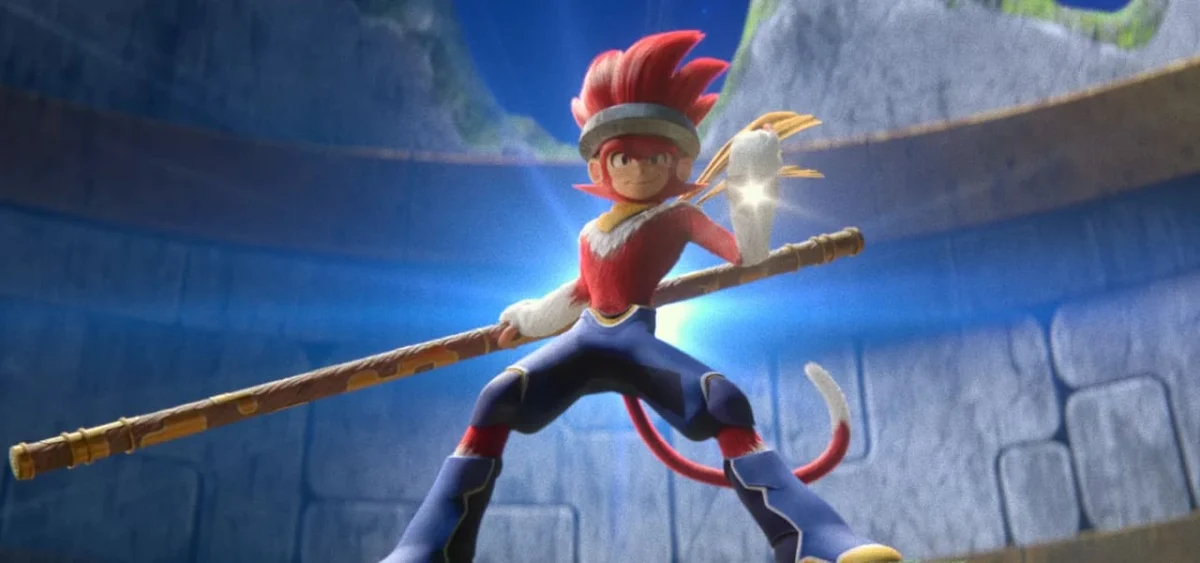
Toei Animation, the titan of Japanese animation responsible for the global cultural phenomena of Dragon Ball, One Piece, and Sailor Moon, is setting its sights on a new frontier. At the 2026 Annecy International Animation Film Festival, the studio pulled back the curtain on its most ambitious international project to date: Monkey Quest. A high-octane, sci-fi reimagining of the Chinese literary classic Journey to the West, the film represents a radical departure from the studio’s traditional production models.
By blending the structural discipline of Japanese anime with the narrative sensibilities of Western family blockbusters, Toei is attempting to bridge a cultural divide. With a star-studded voice cast—including Adam Devine and J.K. Simmons—and a unique, accidental hybrid animation style, Monkey Quest is positioning itself as the studio’s boldest attempt to capture the global mainstream market.
The Genesis: A New Take on an Ancient Legend
The story of Sun Wukong, the Monkey King, has been adapted for the screen hundreds of times, most famously serving as the primary inspiration for Akira Toriyama’s Dragon Ball. When Toei producer Yoshi Ikezawa began conceptualizing a project with the scale of Knights of the Zodiac or Mazinger Z—franchises that have enjoyed massive popularity in Europe—he knew they needed a hook that felt both familiar and revolutionary.
The creative catalyst was Naoto Oshima, the legendary character designer best known for bringing Sonic the Hedgehog to life. Tasked with reinventing the Journey to the West aesthetic, Oshima moved away from the traditional mythological settings. Instead, he proposed a science-fiction environment where gods and demons are replaced by aliens and extradimensional entities.
"Oshima-san didn’t want to just repeat the story," Ikezawa explained during the Work in Progress session at Annecy. "He wanted to bring something new to the table, creating character designs that felt classic yet fit into a high-concept sci-fi adventure."
Chronology of Production and Development
The trajectory of Monkey Quest has been a lesson in rapid adaptation and cross-border collaboration.
- Early 2025: Concept development begins under the direction of David N. Weiss, with a focus on blending Eastern and Western storytelling archetypes.
- Late 2025: The production enters a critical phase. Facing budgetary and scheduling constraints, the team pivots from a purely CG production to a hybrid 2D/3D approach.
- Early 2026: Renowned director Sunghoo Park (Jujutsu Kaisen) joins the team to oversee action choreography.
- June 2026: The project is officially showcased at the Annecy Festival, drawing significant industry attention for its unique visual blend.
- 2027 (Scheduled): Global theatrical release with distribution handled by Charades.
The Hybrid Aesthetic: Necessity as the Mother of Invention
Perhaps the most fascinating element of Monkey Quest is its visual language. Initially, the production team intended to render the entire film in high-end CGI. However, as the production schedule tightened and costs mounted, the team had to innovate.
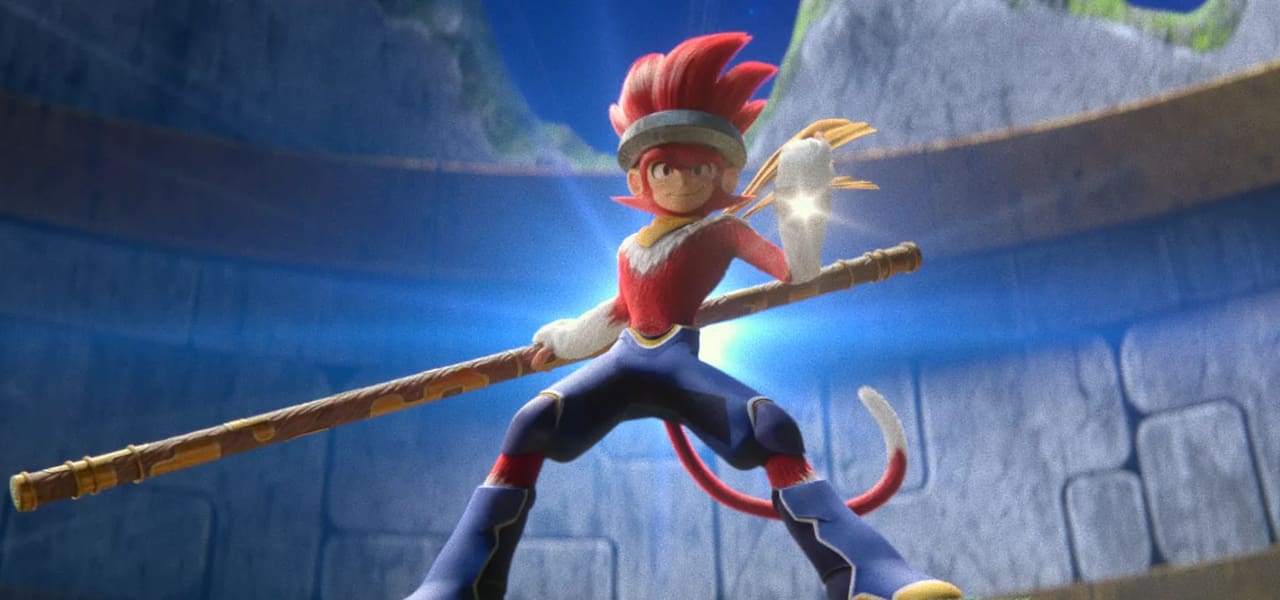
Rather than viewing the transition to 2D as a compromise, director David N. Weiss and his team turned it into a narrative device. The film uses 3D as the "ground" for the human world, while 2D animation is reserved for the ethereal, extradimensional aspects of the characters and their powers.
"We realized that since Okon—our version of the Monkey King—is from another dimension, we could use the shift in animation styles to visually represent his otherworldly nature," says Weiss. The integration of these two distinct pipelines proved to be a technical hurdle of significant proportions. Coordinating the "weight" of a hand-drawn frame with the spatial consistency of a 3D model required a specialized team capable of managing the disparate technical requirements of both mediums.
Supporting Data: The Power of International Collaboration
Monkey Quest is not merely an "anime" or a "Western film"; it is a hybrid of international talent. According to Ikezawa, the film’s architecture relies on a three-pronged approach:
- The Japanese Foundation: Providing the history, craft, and technical discipline that defines Toei’s legacy.
- The U.S. Perspective: Contributing a refined focus on global family-friendly story structures and emotional beats.
- The Global Artist Pool: Animators from across the globe brought unique viewpoints to the background and character work, ensuring the world-building felt inclusive and expansive.
The inclusion of Sunghoo Park in the action sequences was a strategic move to ensure that, regardless of the Western narrative structure, the film maintained the kinetic intensity of top-tier anime. Park’s involvement, while beneficial, was not without its own challenges. Co-director Stephanie Ma Stine noted that Park’s storyboard style—often drafted on napkins or quick sketches—was designed for high-octane 2D anime and often defied the rules of 3D spatial geometry. Translating these "Park-isms" into the film’s 3D-heavy sequences became a key creative challenge that ultimately pushed the animation team to new heights.
Official Responses and Creative Vision
The creative team has been vocal about their desire to break the mold. Director David N. Weiss, who has spent significant time researching various translations of the original novel, emphasized the importance of humor and emotional depth.
.png)
"I was struck by not just the adventure, but by the humor, satire, and emotional depth that’s made the story so beloved for centuries," Weiss stated. This focus on the "human" (or monkey) element is designed to ground the sci-fi spectacle.
The cast, led by Adam Devine as the legendary guardian Okon and J.K. Simmons as the antagonist Vex, adds a level of star power intended to draw in audiences unfamiliar with Japanese animation. Simmons, a veteran of animated villainy, reportedly brought a specific gravitas to the character of Vex that helped finalize the stakes of the film’s intergalactic conflict.
Implications: The Future of "Global Anime"
The industry is watching Monkey Quest closely for a simple reason: it challenges the definition of what "anime" is. For decades, the term has been geographically tethered to Japan. Toei’s initiative, which includes other projects like their work with Asama Yosuke, suggests that the studio is no longer content to export Japanese-made products to the world. Instead, they want to be a central node in a global animation network.
Will it succeed?
The success of Monkey Quest will likely hinge on whether the hybrid animation style feels cohesive to general audiences. If the 2D/3D integration feels seamless, it could set a new industry standard for high-budget animation, proving that "cost-saving measures" can be transmuted into "artistic choices."
Furthermore, if the film finds success at the box office, it could force a massive shift in how major Japanese studios allocate their resources. The collaboration model used for Monkey Quest—where the cultural "DNA" of the story remains intact while the production process is globalized—could become the blueprint for future blockbuster animation.
As the industry moves toward 2027, the anticipation surrounding Monkey Quest is palpable. It is a film that dares to ask whether a story as old as Journey to the West can be successfully translated into a modern, sci-fi, cross-cultural, and cross-medium spectacle. Whether it becomes the next Dragon Ball or a unique experiment in the history of the medium, Toei Animation has undeniably changed the conversation about the future of global animation.

 Suro Senen
 Asep Darmawan