The global anime industry is currently navigating a period of unprecedented growth, but with that expansion comes a tightening spotlight on the process of translation and localization. The latest flashpoint in this ongoing cultural tug-of-war centers on the third season of the critically acclaimed series Oshi no Ko. Produced by studio Doga Kobo and localized for English-speaking audiences by Sentai Filmworks, the series has come under intense scrutiny for its use of modern Western social media vernacular—specifically the term "cancel culture"—in place of the original Japanese metaphors.
This controversy arrives at a time when the anime community is already deeply divided over the role of localizers. Critics argue that these professionals are increasingly "overwriting" the original creative vision of Japanese authors to inject contemporary political discourse or trendy buzzwords. Conversely, proponents of the practice suggest that localization requires adapting cultural nuances into concepts that resonate with a target audience. In the case of Oshi no Ko, a series explicitly about the dark underbelly of the entertainment industry, the linguistic choices made by Sentai Filmworks have raised questions about whether the translation is bridging a gap or creating a barrier to the original work’s intent.

Main Facts: The Script Divergence in Season 3
The core of the dispute involves two specific instances in the third season of Oshi no Ko, which covers the "Dig Deep" and "Agency" arcs of the manga. The series, written by Aka Akasaka and illustrated by Mengo Yokoyari, is renowned for its cynical and meticulous deconstruction of Japanese idol culture, social media lynch mobs, and the professional hazards of the digital age.
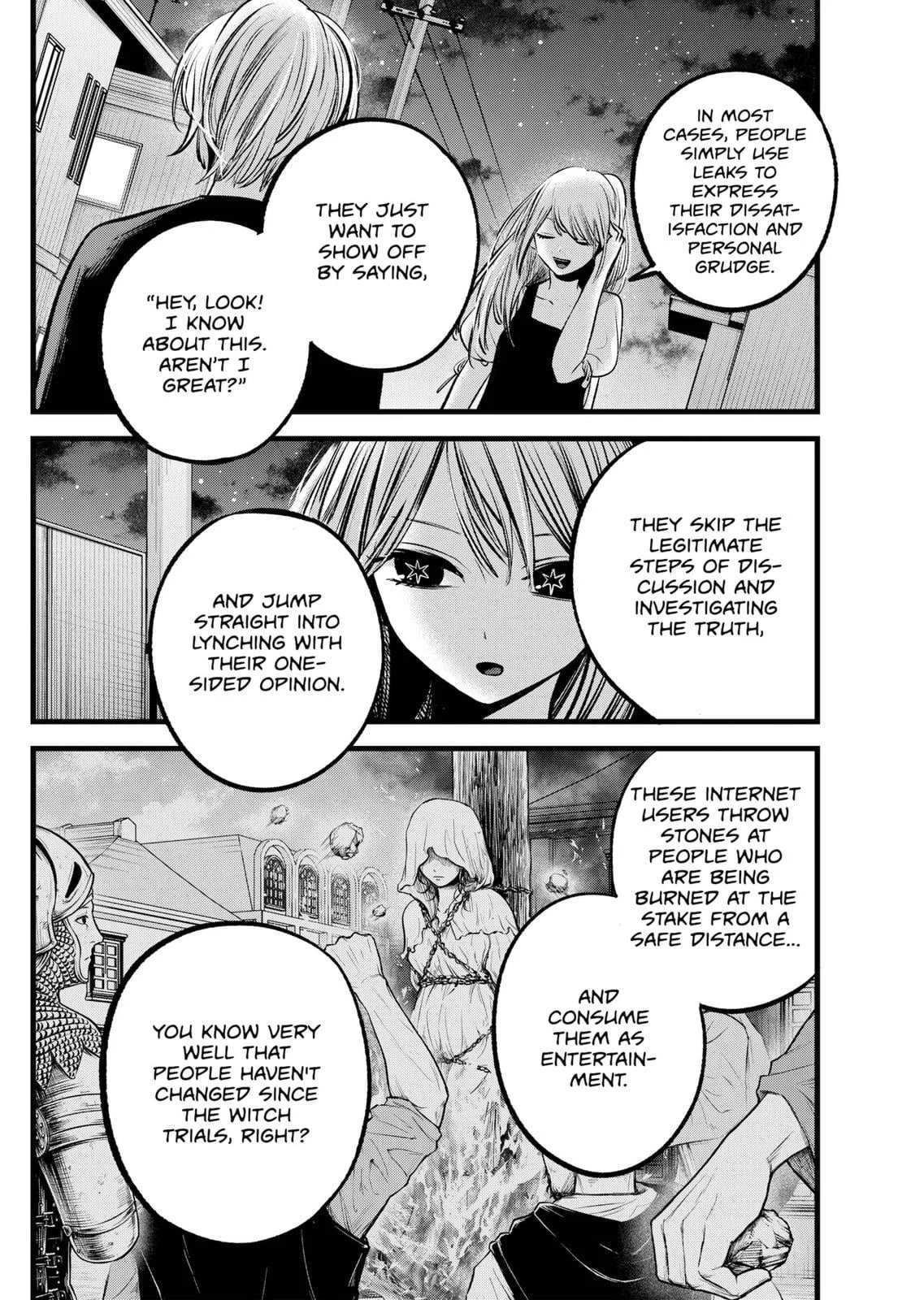
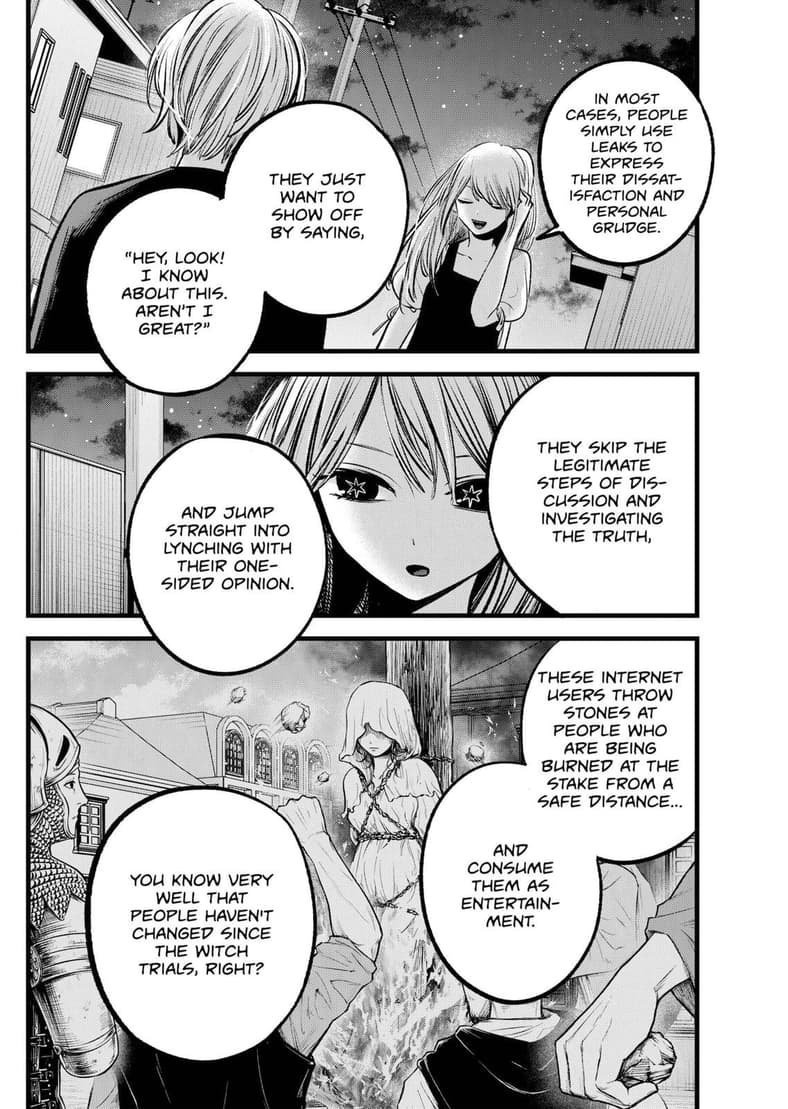
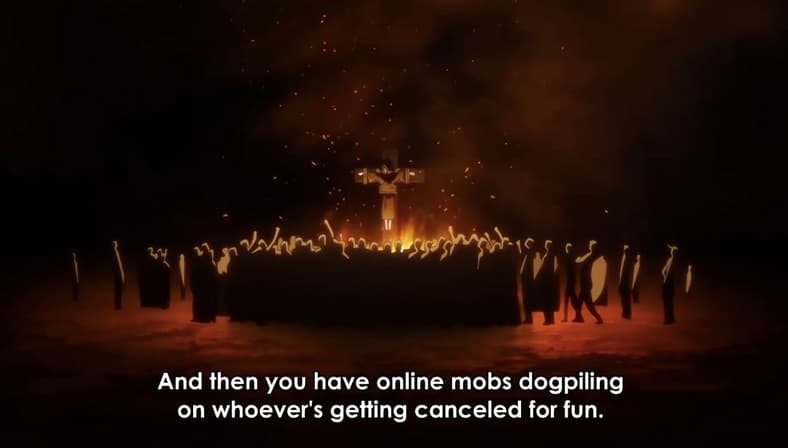
The first instance occurs in Season 3, Episode 4, titled "Blind." During a pivotal scene, the protagonist Ruby Hoshino (voiced by Yurie Igoma) discusses the mechanics of online harassment and the "Dig Deep" incident, where she manipulated a scandal to further her own career goals. In the original Japanese text and the subsequent English manga translation by Shueisha, Ruby describes online mobs using the metaphor of a "witch hunt" or "burning at the stake," noting that users throw stones from a safe distance for entertainment. However, the Sentai Filmworks subtitles and script chose to utilize the phrase "dogpiling on whoever’s getting cancelled for fun."

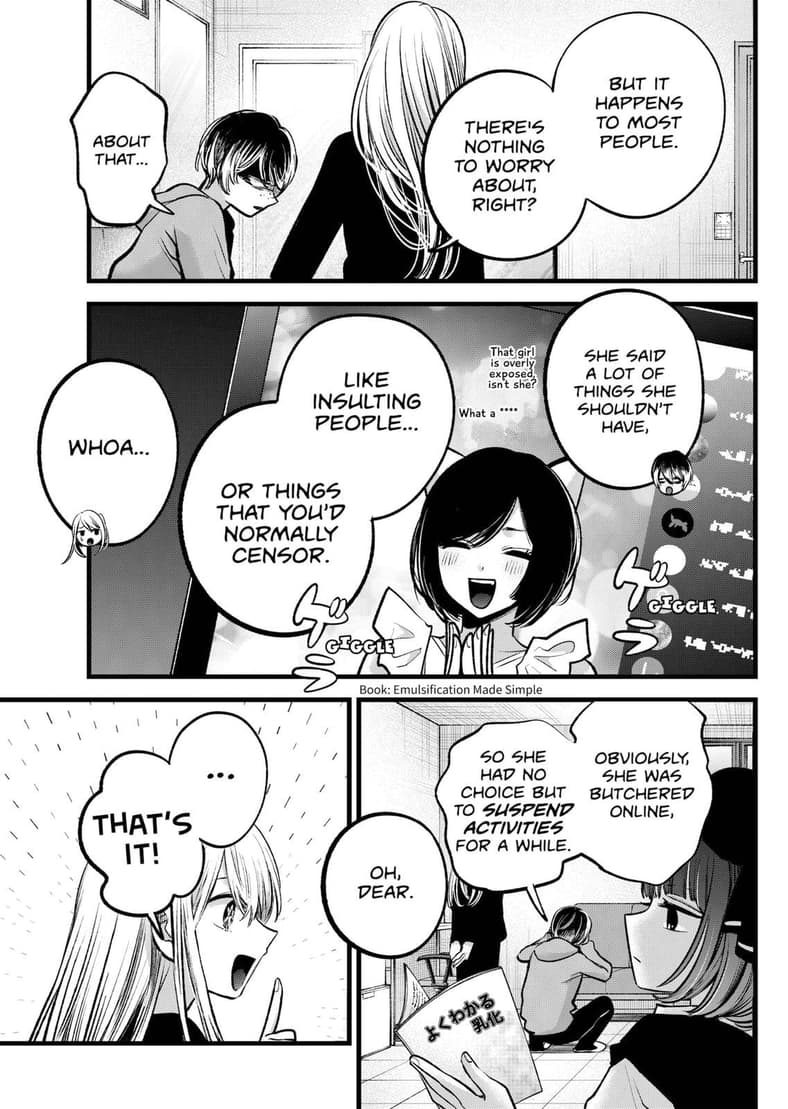
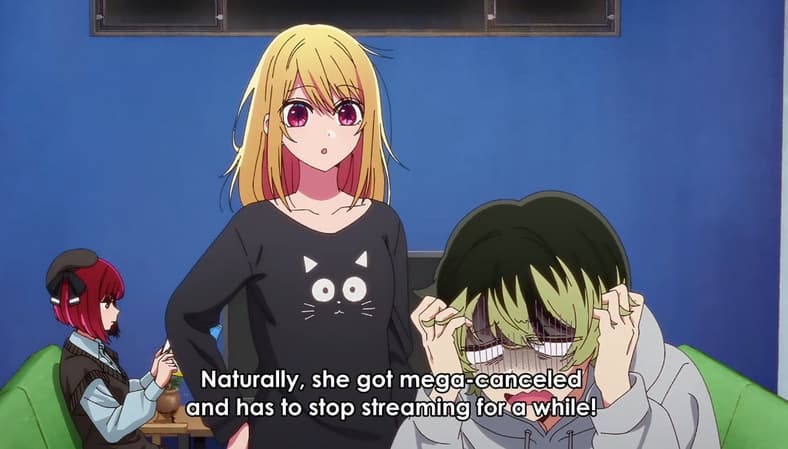
The second instance follows in Episode 5, "Marketing" (alternatively titled "Casting"). The character Shun Yoshizumi discusses his sister Mimi’s forced hiatus from Vtubing following a scandal. While the manga describes her as being "butchered" or "slaughtered" online (a common Japanese idiom for severe social castigation), the Sentai localization employs the term "mega-cancelled."
Chronology of the Localization Controversy
The friction between fans and localizers has been building for several years, but the Oshi no Ko incident represents a significant escalation due to the high profile of the franchise.

- The Source Material (2020–2022): Aka Akasaka’s manga establishes a specific tone—dark, psychological, and culturally grounded in the Japanese "Galapagos" entertainment ecosystem. The terms used in the manga reflect Japanese internet slang (such as enjou, meaning "flaming" or "going up in flames").
- The Rise of "Localization Discourse" (2023–2024): High-profile controversies involving titles like Blue Box (where "feminine" was changed to "feminist") and Miss Kobayashi’s Dragon Maid (which famously altered dialogue regarding "patriarchy") primed the audience to be hyper-vigilant regarding script changes.
- The Announcement of Season 3 (2025): As fans anticipated the adaptation of the "Dig Deep" arc, expectations were high for a faithful rendition of Ruby Hoshino’s darker character shift.
- Episode Premieres (2026): Upon the release of Episodes 4 and 5, viewers immediately noted the discrepancy between the manga’s metaphorical language and the anime’s use of "cancel culture."
- Social Media Backlash: Screenshots comparing the Shueisha manga panels with the Sentai Filmworks subtitles began circulating on platforms like X (formerly Twitter) and Reddit, sparking a broader conversation about the "Californication" of Japanese media.
Supporting Data: Translation vs. Transcreation
To understand the weight of these changes, one must look at the linguistic data and the context of the original Japanese terms.
The "Stake" vs. The "Cancel"
In Chapter 93 of the manga, the term used is synonymous with a public execution or a "burning" (enjou). The metaphor of "throwing stones at someone at the stake" is a powerful, visceral image that evokes historical cruelty and the mob mentality of the Middle Ages, applied to the digital era.
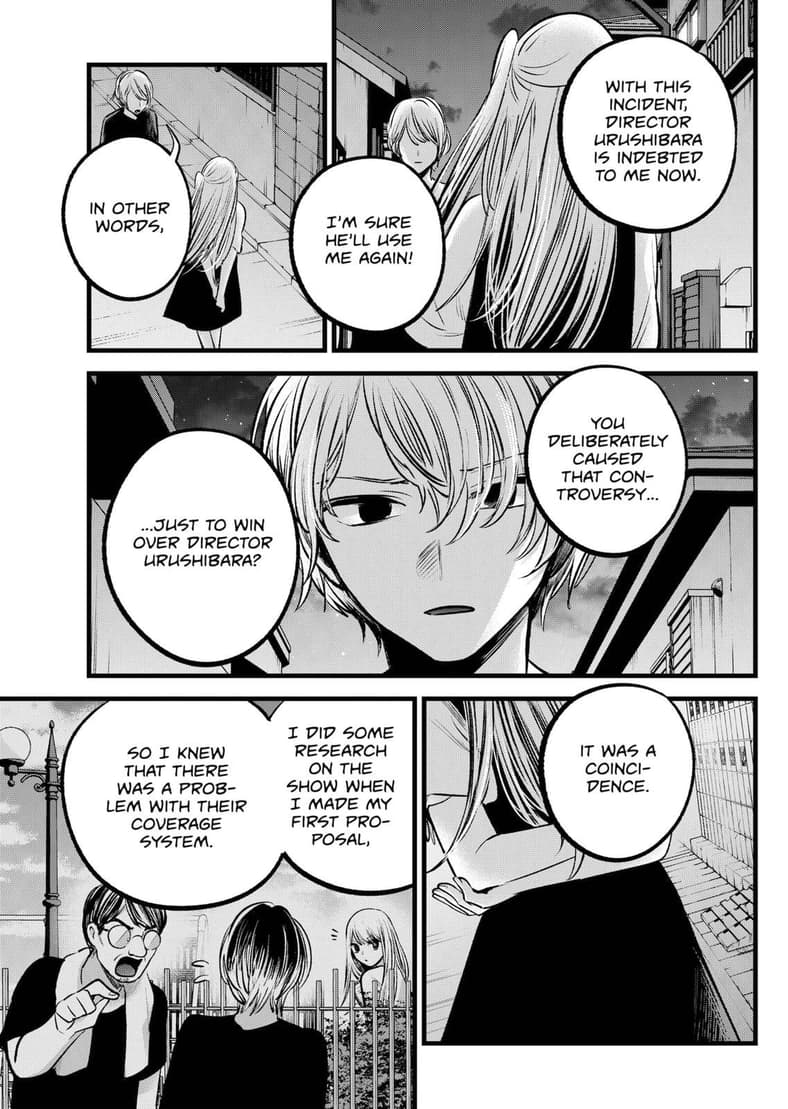
By replacing this with "cancel culture," critics argue that Sentai Filmworks has traded a timeless, universal metaphor for a highly specific, politically charged, and potentially dated Western buzzword. While "cancel culture" describes a similar phenomenon, it carries a specific Western sociological baggage that does not exist in the same form within the Japanese idol industry, which operates on different principles of "purity" and "contractual obligation."
The "Butchering" vs. "Mega-Cancelled"
In Chapter 99, the description of Mimi Yoshizumi’s online reputation being "butchered" (metameta ni sareta) suggests a total destruction of her persona. The Sentai choice of "mega-cancelled" is viewed by some as an attempt to sound "hip" or "relatable" to Gen Z audiences, but at the cost of the dialogue’s gravity. The term "cancelled" is often used flippantly in English-speaking circles, whereas the original Japanese phrasing emphasized the traumatic and violent nature of the online backlash.
Official Responses and Industry Defense
As of the time of reporting, Sentai Filmworks has not issued a formal statement regarding the specific linguistic choices in Oshi no Ko Season 3. Historically, localization houses have defended such changes as necessary "transcreation."
The industry argument for this style of localization generally falls into three categories:
- Accessibility: Localizers argue that literal translations of Japanese idioms can be confusing to casual Western viewers. Using terms like "cancel culture" provides an immediate, if imperfect, mental shortcut.
- Lip-Sync and Timing: In the case of English dubs (though the controversy extends to subtitles), scripts must be adjusted to match the "flaps" (character mouth movements). Short, punchy terms like "cancelled" are often easier to fit into a scene than complex metaphorical sentences.
- Cultural Equivalent: Localizers often believe their job is to find the "cultural equivalent" rather than the literal meaning. They argue that because "cancel culture" is the dominant way Westerners discuss online shaming, it is the "correct" translation for enjou.
However, this defense is increasingly being met with skepticism. Critics point out that anime fans are generally more culturally literate than the "average viewer" and often prefer to learn the specific nuances of Japanese society rather than having them filtered through a Western lens.
Implications for the Future of Anime Localization
The controversy surrounding Oshi no Ko has broader implications for the anime industry, particularly regarding the role of Artificial Intelligence and the preservation of "soft power."
The AI Threat
Professional localizers are currently facing the threat of AI-driven translation. Many in the industry have argued that human translators are essential because they understand "nuance" and "creative intent." However, the Oshi no Ko incident has provided ammunition for those who argue that human localizers are using their positions to "gatekeep" or "rewrite" content. If human localizers are perceived as being unfaithful to the source material, the demand for literal (if stiffer) AI translations may increase, as fans seek a version of the story untainted by the localizer’s personal or political views.
The Loss of Cultural Nuance
Oshi no Ko is a quintessentially Japanese story. By stripping away Japanese-specific metaphors and replacing them with Western social media terminology, there is a risk of "homogenizing" global culture. One of the primary draws of anime is its unique perspective on the world. When that perspective is flattened into a Western dialect, the work loses its status as a window into another culture and becomes merely another piece of localized content.
The "Bridge vs. Barrier" Dilemma
Ultimately, the role of a localizer is to act as a bridge. However, when a bridge is built with materials that change the destination, it becomes a barrier to the original experience. The debate over Oshi no Ko suggests that the audience’s appetite for "liberal" localization is waning. As the global fan base grows more sophisticated, the demand for "translation" over "interpretation" is likely to become a defining conflict of the next decade in media distribution.
For now, the "mega-cancelled" Mimi Yoshizumi and the "dogpiled" victims of Ruby Hoshino’s machinations stand as a testament to the current state of the industry: a place where the lines between the author’s voice and the localizer’s pen are increasingly, and controversially, blurred.