Azzam Bilal Chamdy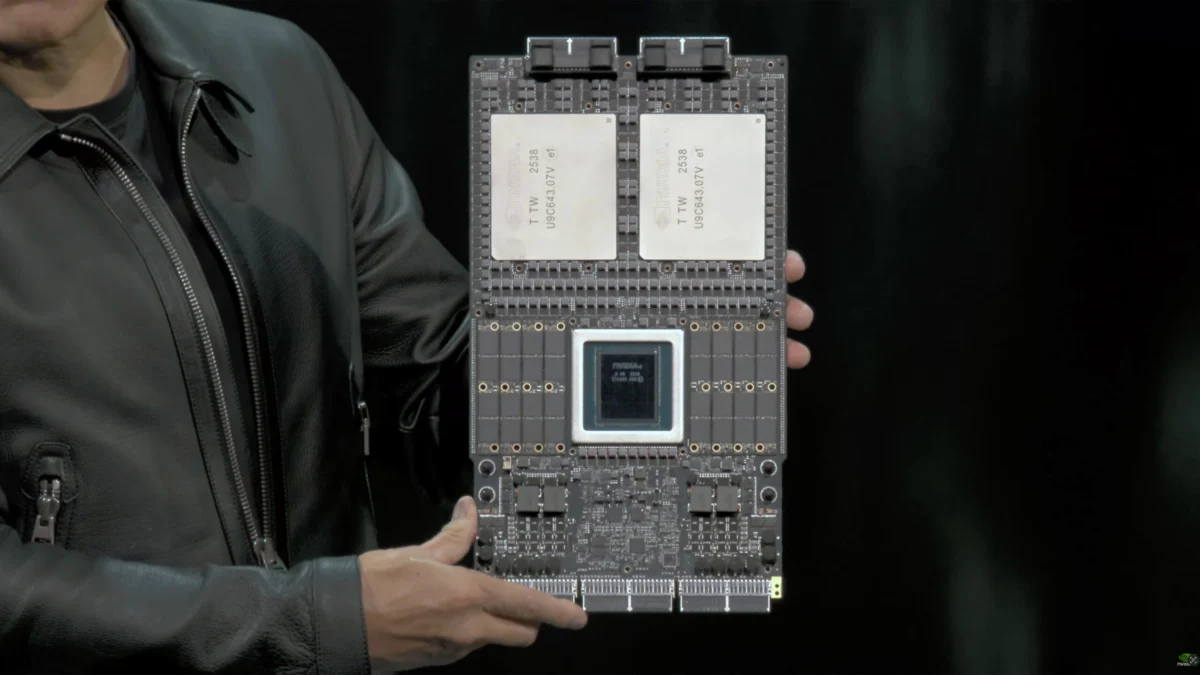
For years, the memory market was defined by a predictable, rhythmic cycle: periods of intense demand followed by massive oversupply, crashing prices, and subsequent industry consolidation. Hardware enthusiasts, server architects, and IT procurement managers have long navigated this "boom-and-bust" landscape by timing their purchases to catch the inevitable dips.
However, according to recent warnings from industry heavyweights, that era has officially come to an end. At the International Supercomputing Conference (ISC) held this past week, Lenovo executives delivered a sobering message: the days of bargain-basement DRAM and NAND pricing are a relic of the past. With a slide deck aptly titled "The 5 Step RAMaggeddon Survival Guide," the company made it clear that the structural economics of the memory sector have been permanently altered by the insatiable requirements of the artificial intelligence (AI) revolution.
The New Reality: Why Price Equilibrium is Gone
The sentiment expressed by Lenovo—that "it will never be like it was last year"—was delivered with a knowing smirk, yet the underlying reality is anything but a joke. While the remark was not intended to be taken as a literal, eternal state of stagnation, it serves as a stark warning to the market. Early 2025 represented a rare, artificial trough in memory pricing, fueled by post-pandemic inventory corrections. That window of affordability has slammed shut.
Lenovo’s thesis is rooted in a fundamental shift in supply-demand dynamics. While major manufacturers are finally bringing significant new manufacturing capacity online, the demand from AI infrastructure is not merely supplemental—it is predatory. It is currently absorbing the lion’s share of wafer output, leaving little room for the price-depressing oversupply that previously plagued the market.
Chronology of the Crisis: From Surplus to Scarcity
To understand the current "RAMpocalypse," one must look at the rapid evolution of the market over the last 24 months:
- Early 2025: The market bottomed out. Memory manufacturers, struggling with post-COVID excess, saw profit margins evaporate. Consumers enjoyed historically low prices for DDR5 and SSDs, leading many to believe that the "memory glut" would be a long-term feature of the tech landscape.
- Late 2025: The "AI Pivot" began in earnest. Hyperscalers (Google, Microsoft, Meta, AWS) began aggressive, multi-year procurement strategies to secure High Bandwidth Memory (HBM) and high-density NAND for their massive data center expansions.
- Early 2026: Supply chain bottlenecks shifted from "temporary" to "structural." Major vendors, including Micron, SK hynix, and Samsung, began retooling production lines to prioritize HBM—which commands significantly higher margins than standard consumer memory.
- Mid-2026 (The Current State): The industry is now locked in a high-demand cycle. With AI infrastructure absorbing output through at least 2030, the traditional "price-drop" cycles have been effectively neutralized.
Supporting Data: The Multi-Billion Dollar Moat
The most compelling evidence for the permanence of this crisis lies in the investment strategies of the "Big Three" memory manufacturers. Micron has already locked in multi-year supply agreements worth approximately $100 billion. These are not speculative orders; they are ironclad commitments from the world’s largest tech companies, ensuring that memory supply is effectively "spoken for" years in advance.
Furthermore, SK hynix’s recent announcement that it intends to triple its production capacity by 2034 is not a signal of impending surplus, but rather a defensive move to maintain market share in an era of explosive demand. From the perspective of these manufacturers, the incentive to return to the razor-thin margins of 2025 is nonexistent. By keeping the market in a state of "controlled tightness," they protect their newfound, high-profit-margin business models.
The "purchasing power" of even the largest tech titans is being tested. Reports that Apple—a company with arguably the most influence over global supply chains—has lobbied the U.S. government for access to DRAM from the blacklisted Chinese firm CXMT highlight the desperation of the current market. When the world’s most valuable company is forced to seek out non-traditional supply partners due to global shortages, it is a clear indicator that the market has fundamentally broken away from its historical norms.
The Architectural Implications: The Rise of HBM
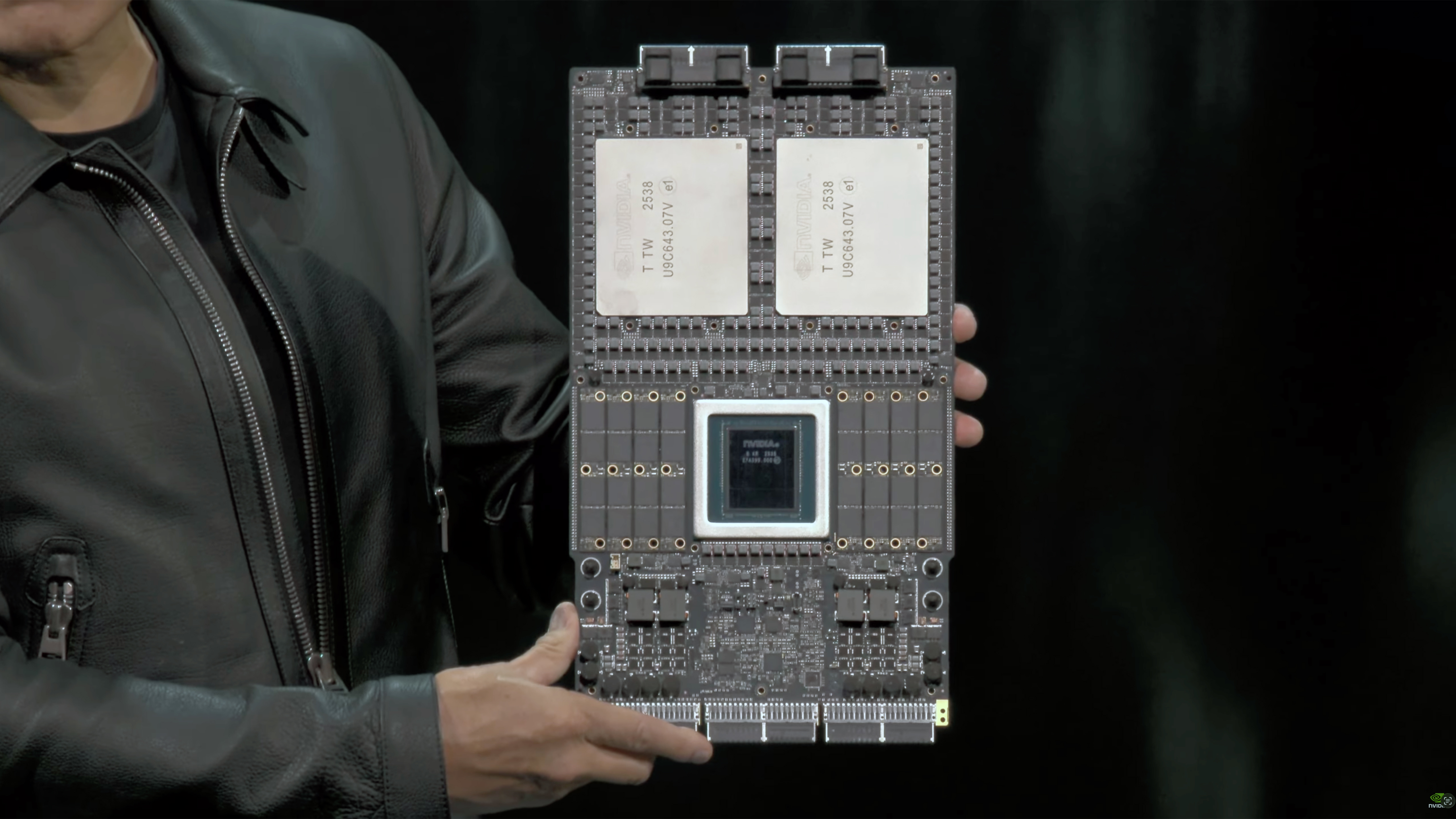
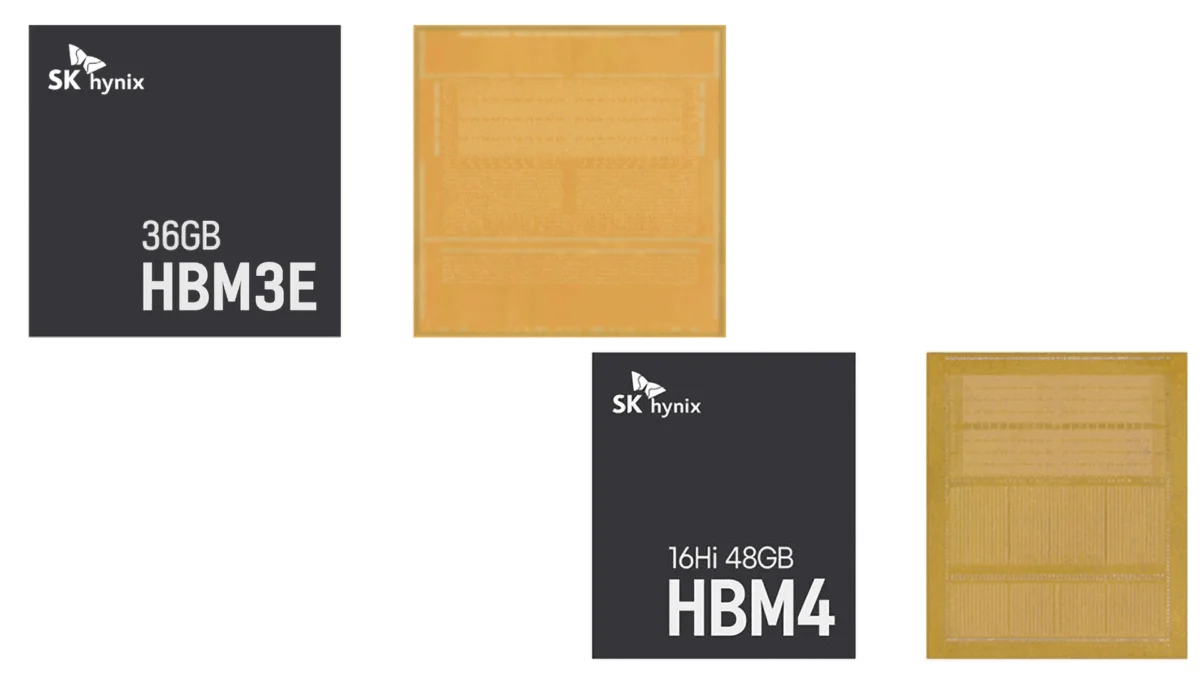
A curious byproduct of this shortage is the shifting economic viability of High Bandwidth Memory (HBM). Historically, HBM was considered a niche, premium component reserved for specialized supercomputers and high-end AI accelerators. However, as the price of standard DDR5 has risen due to the redirection of manufacturing resources toward HBM, the "price gap" between the two has narrowed.
For data center architects, this presents a new optimization puzzle. If an application can be optimized to keep its "working set" within the HBM attached to a GPU, the requirement for high-density, system-level DDR5 is reduced. In many cases, it is now more cost-effective to lean into GPU-accelerated computing than to continue expanding the memory capacity of traditional, CPU-bound server architectures.
This is not a sign that HBM has become "cheap," but rather that the cost of scaling traditional memory has become prohibitively high. We are entering an era where hardware design is being dictated by the availability of the memory bus. Next-generation servers, slated for release in 2027 and beyond, are expected to feature 16 memory channels per processor. While these platforms are technically capable of supporting massive memory footprints, the sheer cost of populating those DIMM slots may limit their adoption to only the most critical, revenue-generating AI workloads.
Looking Ahead: A Future of Managed Scarcity
Is this the end of the line for affordable consumer hardware? Perhaps not entirely, but it is the end of the "commodity" perception of memory. For the foreseeable future, the memory market will be defined by:
- Prioritization of Enterprise/AI: Consumer-grade RAM and SSDs will remain secondary to the needs of hyperscalers, leading to sustained price floors.
- Long-term Contracting: The era of spot-market purchasing is giving way to long-term, high-volume supply contracts that exclude smaller players from the best pricing.
- Cyclical Insulation: Manufacturers have learned that excessive production is a financial risk. Expect them to maintain a "tight" supply to ensure that prices never crater to 2025 levels again.
As we look toward 2028 and the arrival of new manufacturing capacity, the industry hopes for a return to some semblance of balance. Yet, the cautionary tales from the ISC conference suggest that any additional supply will likely be immediately absorbed by the next generation of AI models and data-hungry infrastructure.
For the average consumer and the enterprise IT administrator, the takeaway is clear: the "RAMpocalypse" is not a temporary storm—it is the new climate. Planning for future hardware refreshes now requires a new approach that assumes memory costs will be a permanent, high-weight factor in the total cost of ownership. The days of waiting for a "good time to buy" are over; in this new market, the best time to buy is simply when you need the capacity, because the price is unlikely to be better tomorrow.

 Ali Ikhwan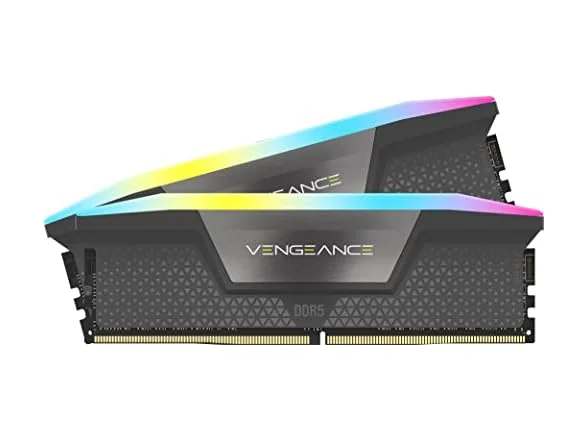
 Asep Darmawan