Sagoh
Sagoh
Kanazawa, the storied capital of Ishikawa Prefecture, is globally renowned for its impeccably preserved Edo-period architecture, the gold-leaf artistry of its craftsmen, and the breathtaking serenity of Kenrokuen Garden. Yet, beneath this veneer of cultural refinement lies a deeper, more visceral secret: the city is a living, breathing laboratory of fermentation.
For centuries, the unique climatic conditions and the pristine water flowing from the sacred Mount Hakusan have nurtured a culinary landscape where koji (Aspergillus oryzae) acts as the architect of flavor. This two-day itinerary ventures beyond the standard tourist trail, inviting travelers to explore the "holy land of fermented foods" and experience the innovative, neo-traditional evolution of Japanese cuisine.
The Historical Foundation of Kanazawa’s Fermentation
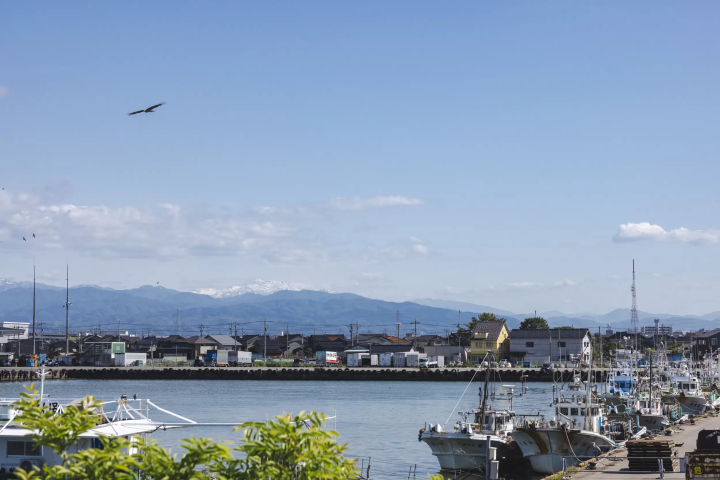
Historically, Kanazawa flourished as a trading hub during the Edo period (1603–1868). As a prominent port city along the Sea of Japan, it served as a vital nexus for the Kitamaebune trading ships. These vessels carried local crafts—such as the intricate Kutani ware—and, more importantly, high-quality soy sauce and miso to distant regions like Hokkaido.
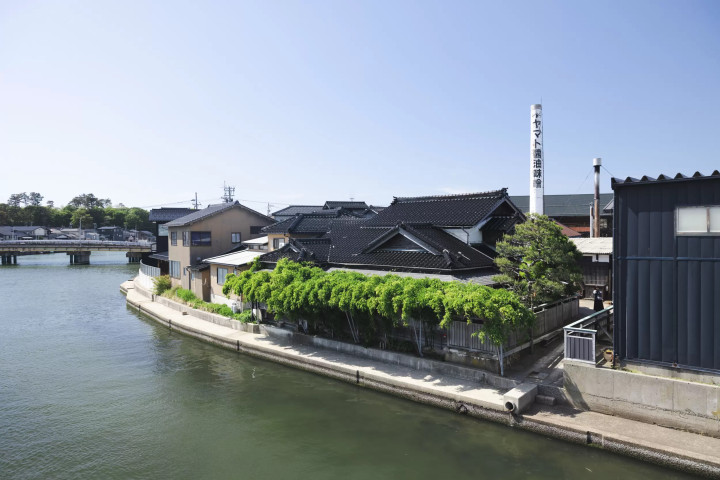
The Ohno district, located in the northern port area, emerged as one of Japan’s five major soy sauce production centers. The industry thrived not only because of the sea access but because of the region’s abundant, mineral-rich groundwater. Today, this legacy continues, with local producers balancing traditional wooden-barrel brewing techniques with modern health-conscious innovations.
Day 1: The Soul of the Sea—Ohno’s Soy Sauce Legacy
Morning: Yamato Koji Park and the Science of Koji
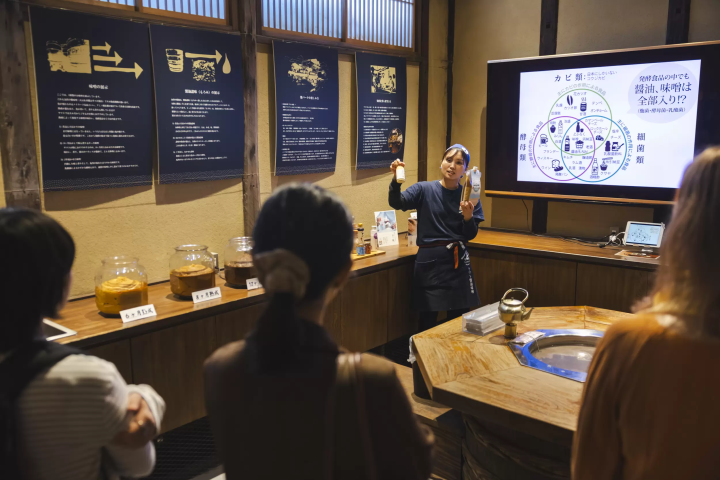
Your journey begins in the historic Ohno port district at Yamato Koji Park, a facility managed by Yamato Soy Sauce & Miso, a producer with roots tracing back to 1911. The park serves as an educational gateway to the world of koji.
- The Guided Tour: Visitors can participate in free 30-minute guided tours (available daily except Wednesdays). The experience demystifies the role of Aspergillus oryzae, explaining how different strains yield distinct flavor profiles—kome-koji (rice malt) for miso and mugi-koji (wheat malt) for soy sauce.
- The Historical Context: The tour includes a walk through the facility’s historic pier, where Kitamaebune ships once docked. It provides a tangible connection to the trade routes that defined the region’s wealth.
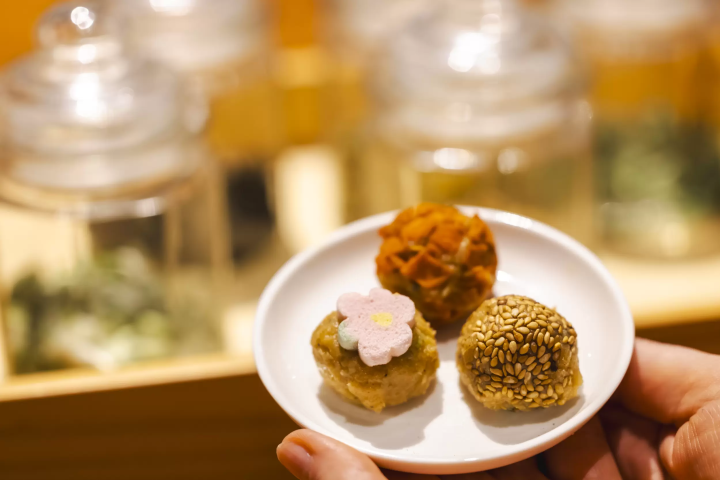
- Interactive Learning: The miso-ball-making workshop is a highlight for all ages. Here, you learn that Kanazawa locals prefer a lighter, sweeter rice-based miso compared to the darker, more robust bean-based misos of central Japan.
Midday: Culinary Excellence at Hakko Bijin Shokudo
Lunch is served at the Hakko Bijin Shokudo (The Fermentation Beauty Cafeteria). The menu is a masterclass in the versatility of fermented seasonings.
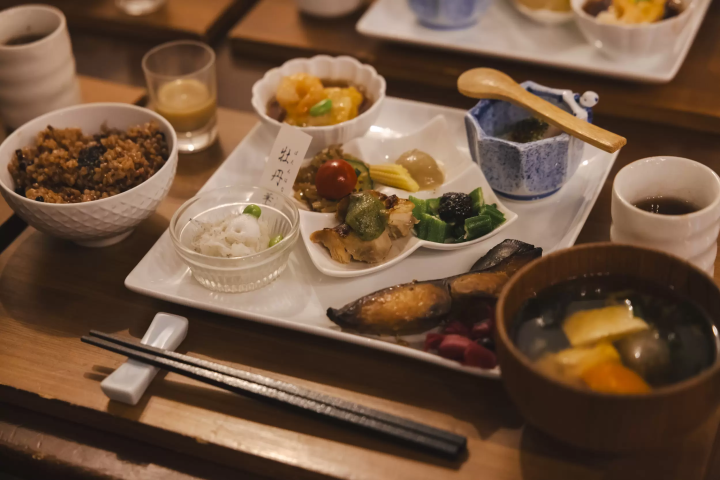
- Signature Dishes: The Grilled Salt-Koji Chicken and the Grilled Spanish Mackerel with Soy Sauce Koji are standout examples of how fermentation tenderizes proteins while deepening their umami.
- The Power of Genmai: The meal features nekase genmai (aged brown rice). This preparation method, which makes the grain easier to digest and more aromatic, highlights the shift toward functional, health-oriented dining in contemporary Japanese cuisine.
Afternoon: The Naogen Experience
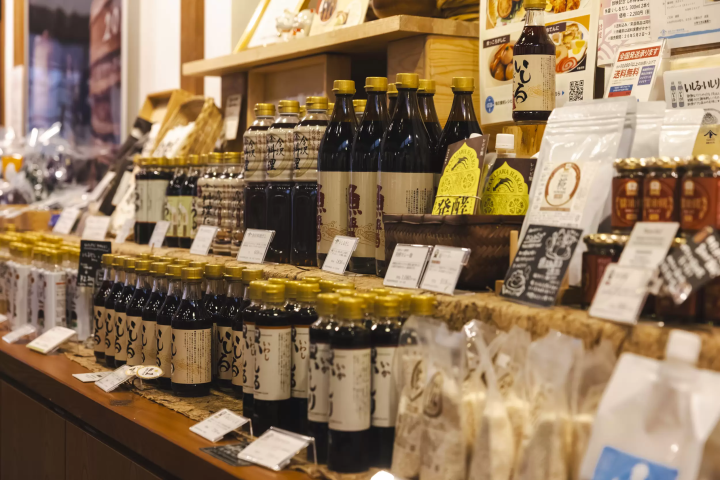
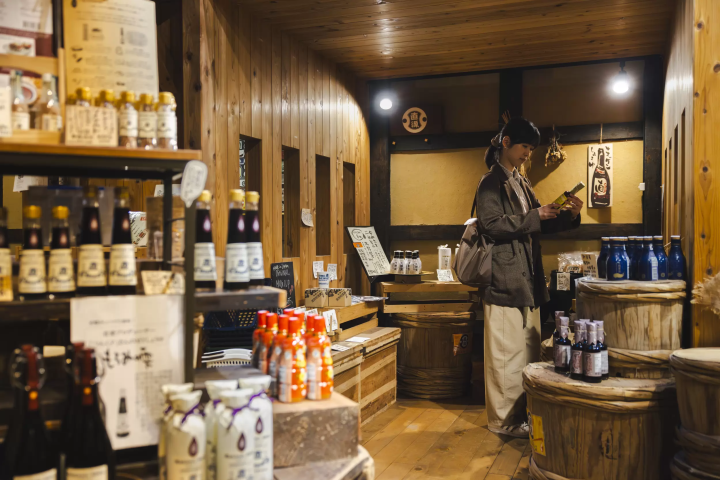
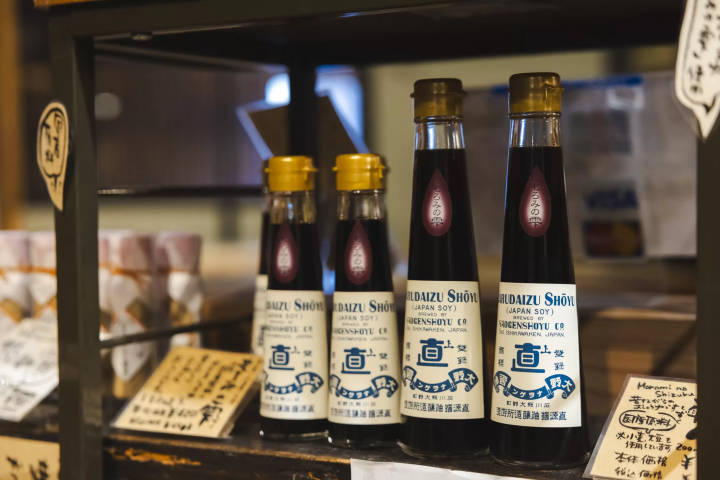
No exploration of Ohno is complete without a visit to Naogen Soysauce, a brewery established in 1825.
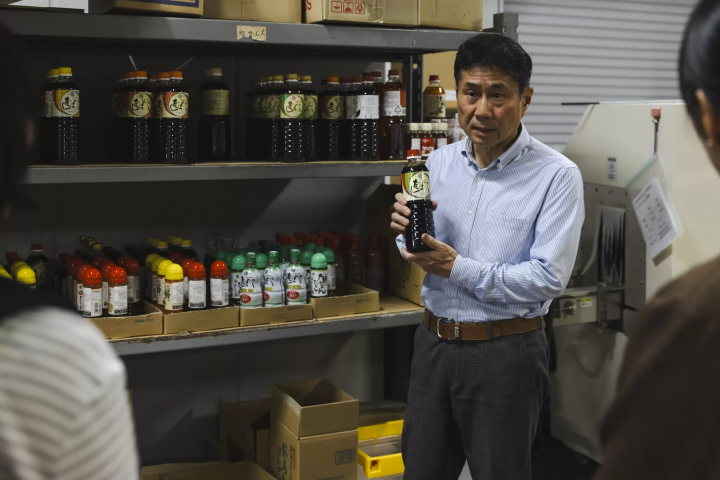
- A Story of Resilience: In the wake of Meiji-era industrialization, the local soy sauce industry faced near-obsolescence. The survival of the Ohno district is a testament to the cooperative spirit; in 1970, local brewers centralized their initial fermentation stages while maintaining unique aging and seasoning profiles for their individual brands.
- Product Innovation: Visit the shop to sample Crystallized Shoyu—a freeze-dried, powdered soy sauce. It offers a lower sodium alternative to liquid soy sauce and has become a favorite among travelers for its portability and intense flavor concentration.
Day 2: Artisanal Traditions and Modern Palates
Morning: Omicho Market—The Kitchen of Kanazawa
Begin your second day at Omicho Market, which has served the city for over 300 years. With 170 vendors, this is where the professional chefs of Kanazawa source their seasonal catch.

- Market Dynamics: The sensory experience here is unparalleled. From fresh sashimi skewers grilled over charcoal to the vibrant displays of regional pickles, the market is the best place to witness the ingredients that eventually find their way into the local fermentation vats.
Midday: Kutani Craftsmanship and Traditional Delicacies
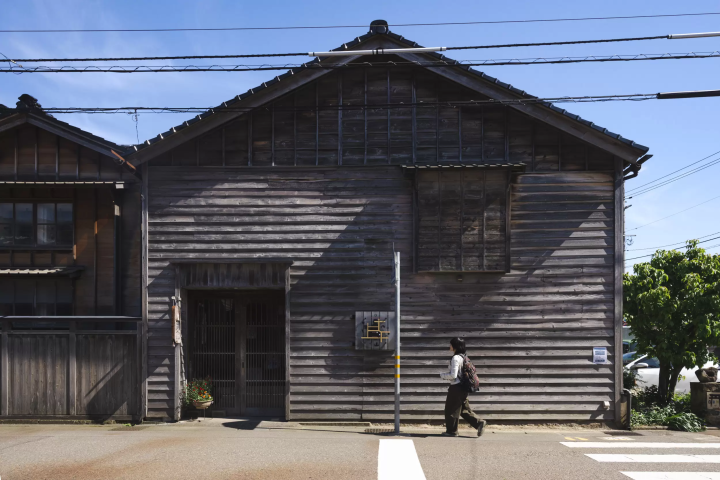
After visiting the market, head to the Nishi Chaya District, a quiet, elegant geisha quarter. Here, you will find the Kutani Kosen Kiln.
-
The Art of Color: Kutani ware is famous for its five-color palette: red, blue, green, yellow, and purple. Local lore suggests these vivid colors were a psychological response to the long, snow-white winters of the region. A 45-minute tour of the kiln offers a rare look at the meticulous firing process, which can involve up to six separate kiln visits for a single piece.
-
Lunch at Shijimaya Honpo: Continue your culinary education at this shop, founded in 1875. The highlight is Kinjo Kaburazushi—a delicacy of salted yellowtail sandwiched between crisp turnips and fermented in rice koji. It is an exquisite example of narezushi (an ancestral form of sushi), providing a sharp, umami-rich counterpoint to the sweetness of modern desserts.
Late Afternoon: The Neo-Traditional Finale
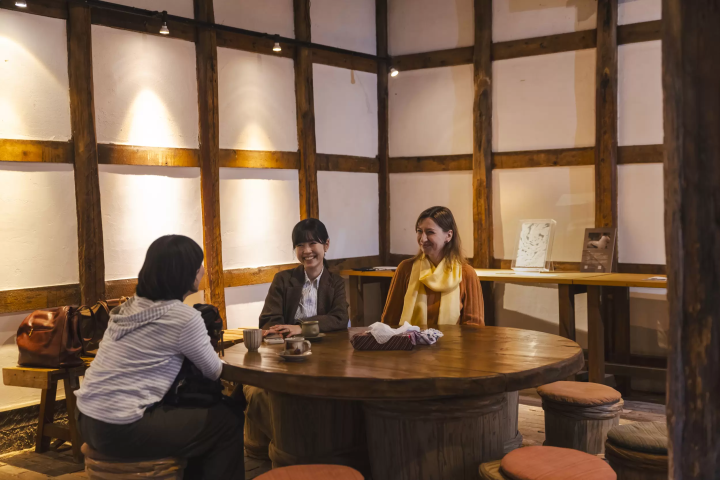
Conclude your trip at Café Kan, operated by the venerable wagashi maker Koshiyama Kanseido.
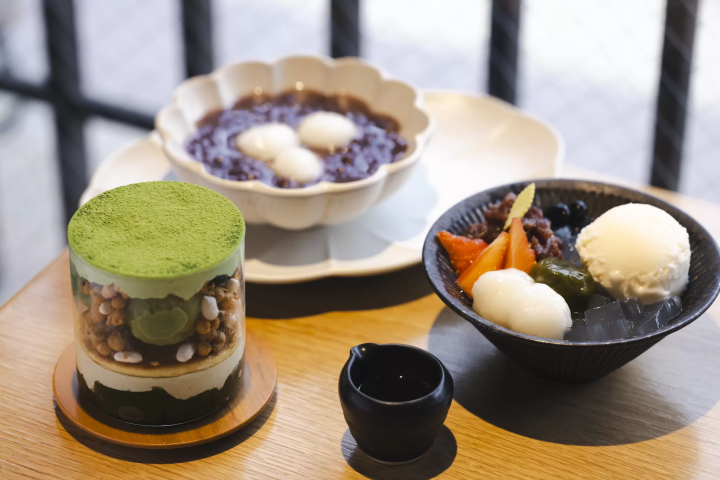
- The Fermentation Research Lab: The café is adjacent to AZUKI de HAKKO, a laboratory dedicated to the fermentation of azuki beans. By utilizing koji to ferment these beans, the makers have successfully reduced sugar content by 50% while intensifying the natural flavor of the legumes.
- A Modern Revelation: Indulge in parfaits or traditional anmitsu made with these fermented beans. The result is a dessert that feels light, clean, and deeply satisfying—a perfect metaphor for Kanazawa itself, a city that respects its heavy historical mantle while gracefully evolving toward a healthier, more innovative future.
Implications of the Fermentation Renaissance
The shift toward "fermentation-forward" dining in Kanazawa is not merely a gastronomic trend; it is a movement toward sustainability and wellness. By reducing sugar and salt through the natural enzymatic power of koji, local producers are aligning themselves with global health demands.
The success of the Ohno cooperative model and the academic rigor of labs like AZUKI de HAKKO suggest that the future of traditional Japanese crafts lies in this intersection of heritage and biotechnology. For the traveler, this means that every bite in Kanazawa is an engagement with history—a delicious, living history that continues to refine itself one batch of koji at a time.
As you leave Kanazawa, you carry with you not just the memory of the landscape, but a deeper understanding of the chemistry of umami and the enduring resilience of the artisans who have turned fermentation into a high art.


 Neng Nana
 Asro
Asro