


When discussing the quintessential "action game," the conversation almost inevitably gravitates toward frame-perfect parries, high-octane boss battles, and the visceral satisfaction of combat. However, to relegate the genre solely to reflex-based gameplay is to overlook the intellectual rigor that many of the industry’s greatest titles demand. While some might argue that puzzles are merely "filler" in the context of adrenaline-fueled experiences, the most sophisticated titles treat environmental and systemic enigmas as core pillars of their design, testing the player’s cognitive capacity just as much as their motor skills.
For the player who finds true satisfaction in the intersection of mental acuity and physical precision, the most rewarding experiences are often found where the brain is forced to work as hard as the fingers. Here, we examine ten landmark action titles that refuse to shy away from complexity, seamlessly weaving challenging puzzles into the fabric of their stellar combat loops.
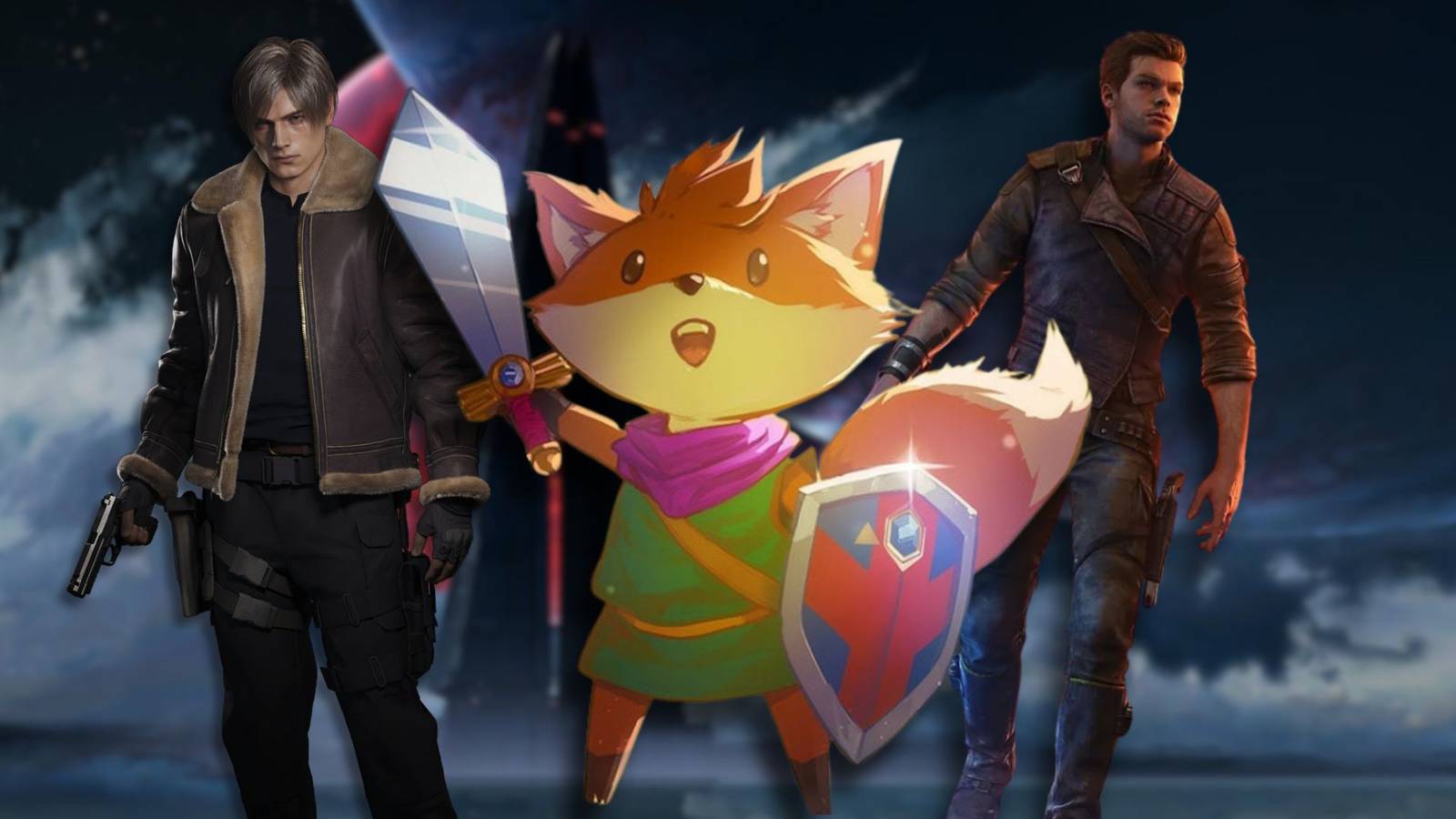
The Philosophy of Cognitive Combat
The integration of puzzles into action-heavy environments serves a dual purpose: it acts as a rhythmic "cool-down" period while simultaneously deepening worldbuilding. By forcing players to slow down, observe their surroundings, and engage with the environment, developers can foster a deeper connection to the game world. When a player spends forty minutes deciphering a mechanism only to unlock a vital upgrade or a secret narrative fragment, the payoff is exponentially more rewarding than a simple combat encounter.
The following list explores a chronology of design, moving from modern blockbusters that prioritize environmental logic to legacy-defining titles that treat resource management and movement as the ultimate puzzle.

10. Star Wars Jedi: Survivor
The Complexity of Environmental Traversal
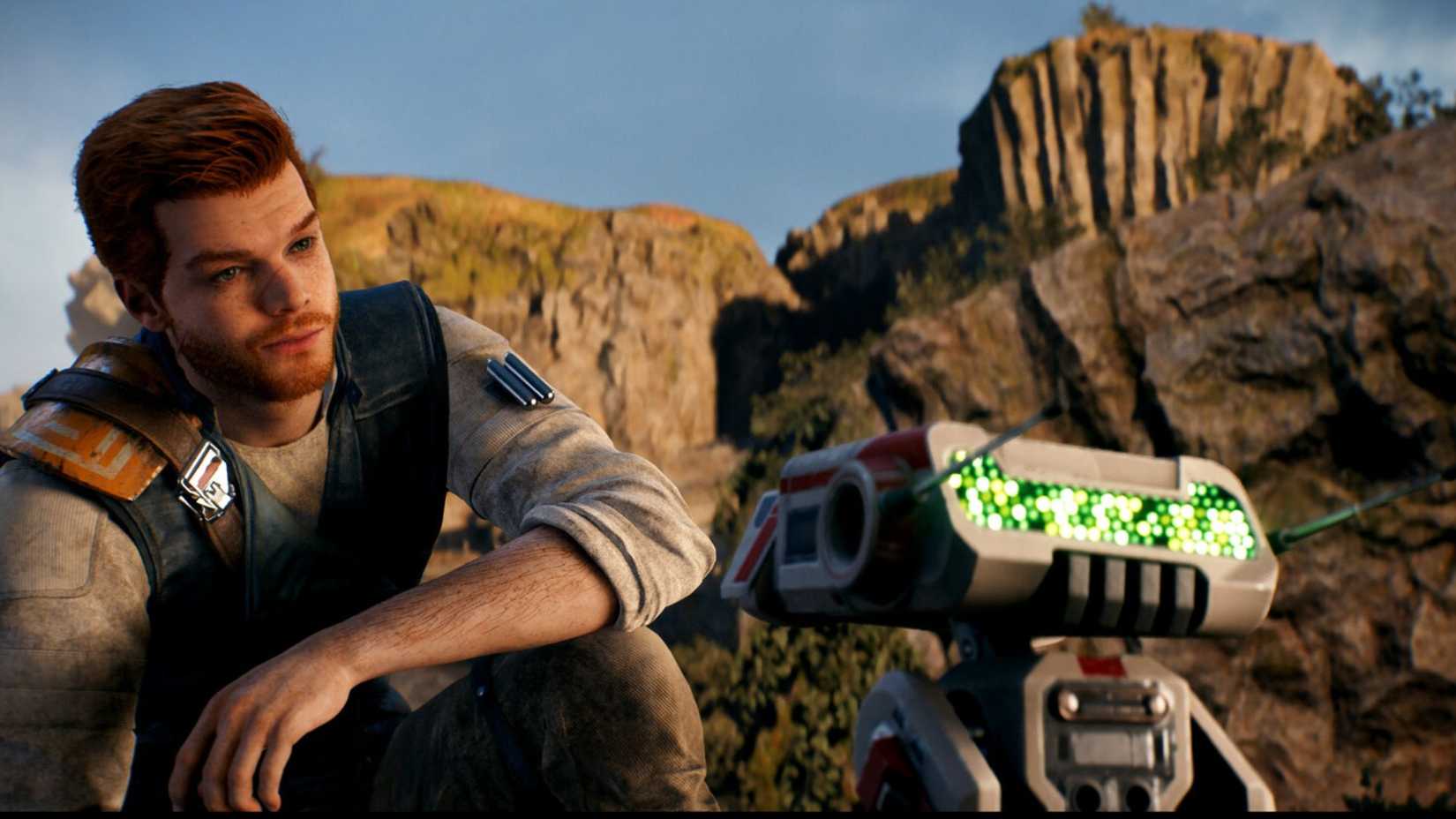
Building upon the solid foundation of Fallen Order, Star Wars Jedi: Survivor expanded the scope of the galaxy to include sprawling, interconnected worlds. While the game features a vastly improved lightsaber combat system, its most memorable moments often occur during exploration.
In true Metroidvania fashion, Cal Kestis gains new abilities throughout the campaign, allowing for the re-contextualization of previous environments. The game’s puzzles often require players to manipulate the environment using the Force, such as the intricate navigation puzzles involving homing droid bombs. These aren’t just simple switches; they require spatial awareness and timing to clear paths through the debris-strewn world of Koboh. By blending platforming challenges with these environmental puzzles, Jedi: Survivor ensures that the player remains mentally engaged even when the lightsabers are holstered.
9. Resident Evil 4 Remake
Resource Management as a Tactical Puzzle
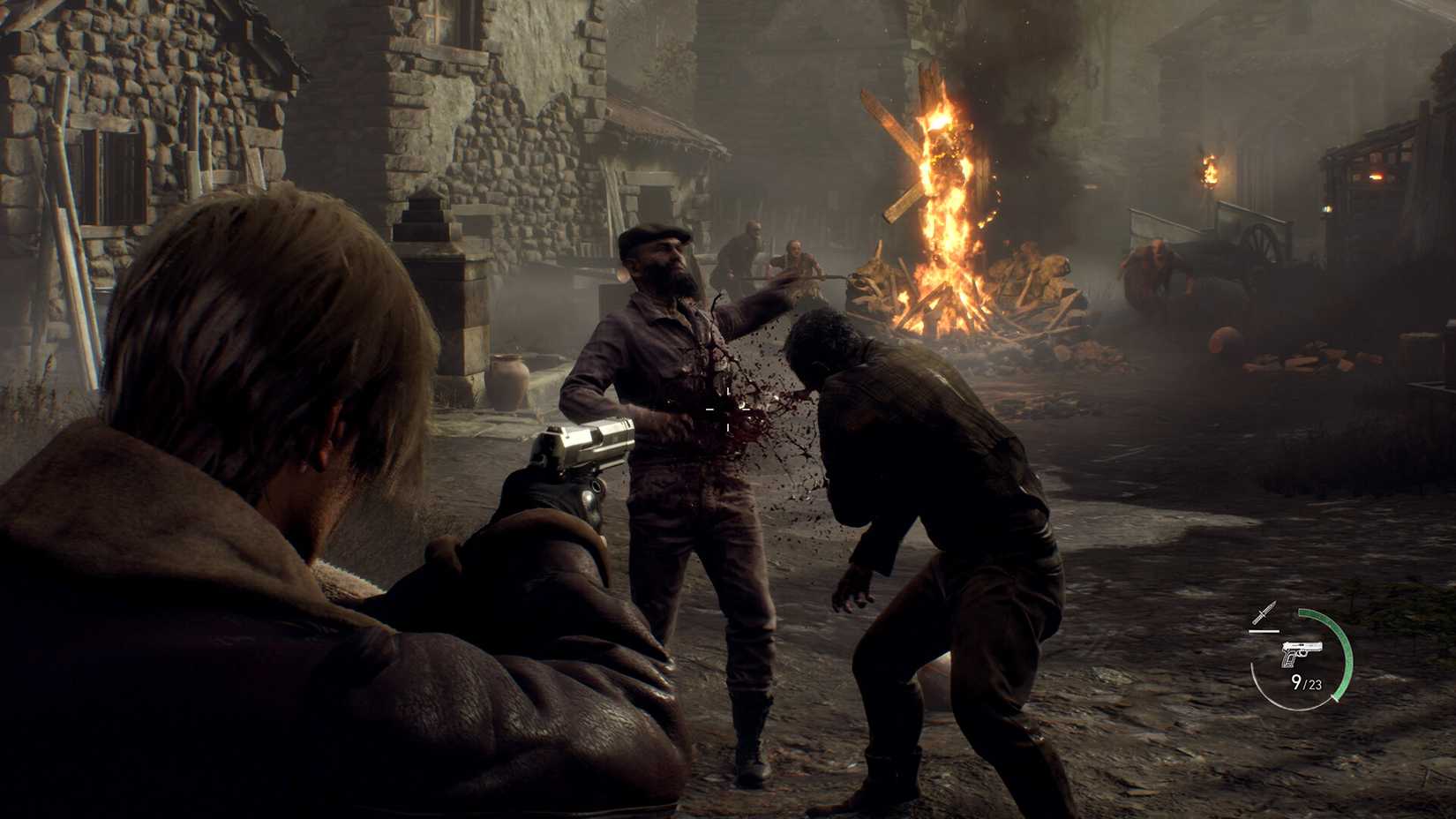
The Resident Evil franchise is legendary for its "escape room" style puzzles, but the 2023 remake of Resident Evil 4 elevates the concept by turning combat itself into a puzzle. In the face of overwhelming odds and scarce ammunition, the game forces the player to approach every encounter as a logistical challenge.
Strategic decision-making is paramount. Do you spend your limited shotgun shells to clear a path, or do you rely on environmental hazards—such as explosive barrels or terrain chokepoints—to dispatch enemies? This shift in perspective transforms the combat loop from a mindless shooter into a high-stakes management game. Every bullet saved for a future encounter is a testament to the player’s ability to "solve" the combat encounter through efficiency rather than brute force.
8. Tunic
The Art of Inferred Information
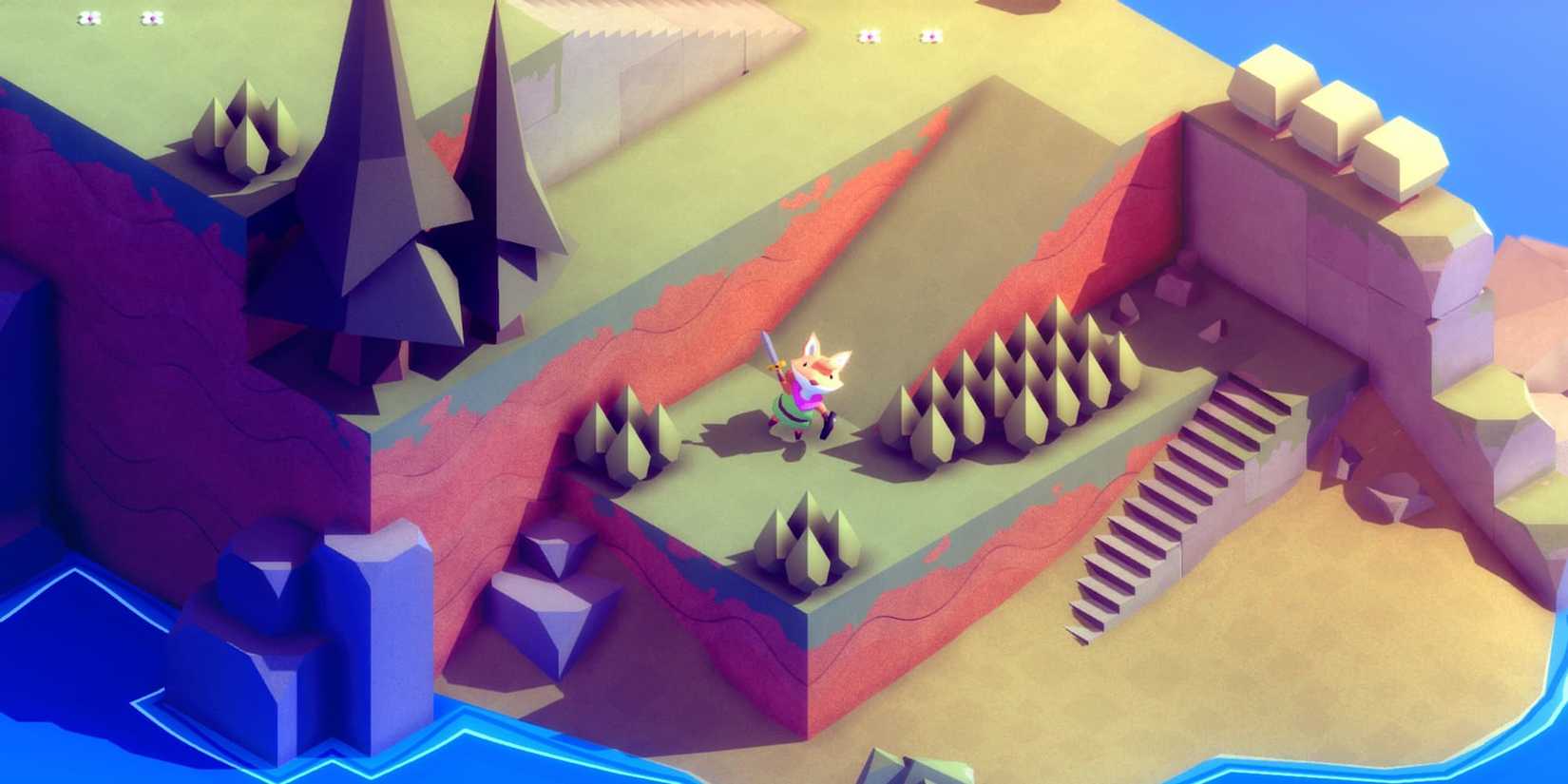
Tunic stands as a masterclass in game design, specifically in how it treats the player’s intelligence. Eschewing hand-holding entirely, the game provides a cryptic, in-game manual written in a fictional language. As the player explores, they collect pages of this manual, which serve as the primary vehicle for understanding the world’s mechanics and secrets.
The puzzles in Tunic are often elusive and deeply satisfying to resolve. Because the game refuses to give direct instructions, the "aha!" moment of connecting two disparate pieces of information is unparalleled. The combat, while functional and challenging, acts as the backdrop to the true experience: uncovering the secrets of a world that is fundamentally a giant, interconnected puzzle.
7. Darksiders
A Hybrid of Hack-and-Slash and Logic
Darksiders remains one of the most successful experiments in genre-blending. It pairs the frenetic, visceral hack-and-slash combat popularized by God of War with the complex, multi-stage dungeon puzzles found in The Legend of Zelda.
As players progress, they unlock tools—such as portals, boomerangs, and dimensional rifts—that must be used in concert to solve elaborate room-wide puzzles. A standout feature of Darksiders is that it doesn’t insult the player’s intelligence; it frequently demands the simultaneous use of multiple items under strict time limits, forcing the player to map out a chain reaction in their head before executing it with precise timing.
6. Indiana Jones and the Great Circle
Archeology as the Centerpiece
For a franchise built on the premise of exploring ancient, trap-filled ruins, Indiana Jones and the Great Circle delivers exactly what fans expected: an authentic archeological experience. Unlike many action games where puzzles are mere breathers, in The Great Circle, they are the main event.
Players spend significant portions of their time manipulating light, aligning mirrors, and deciphering ancient mechanisms. These puzzles feel substantial and fair, acting as the bridge between the high-octane set pieces. The game’s commitment to making the player feel like an actual researcher—rather than just a shooter—is its greatest strength.

5. The Legend of Zelda: Tears of the Kingdom
Physics-Based Emergent Gameplay
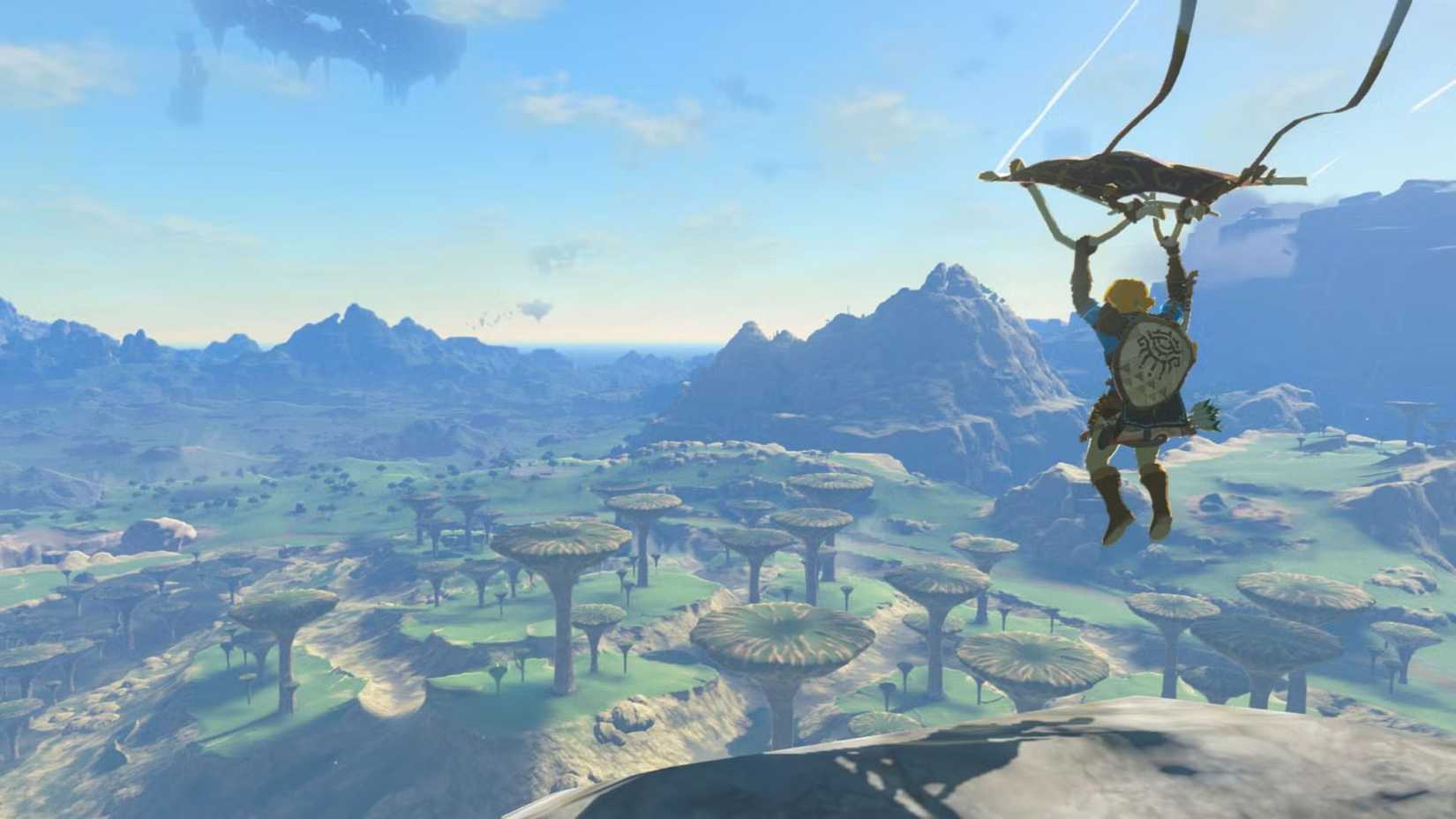
Tears of the Kingdom revolutionized the open-world genre by effectively turning every object in the game into a puzzle piece. Through the "Ultrahand" ability, players are given a physics-based sandbox that allows for near-infinite solutions to any given obstacle.
Whether it is constructing a complex vehicle to traverse a chasm or finding an unconventional way to bypass a defensive fortification, the game encourages experimentation. By removing the "one correct solution" paradigm, Tears of the Kingdom fosters a unique sense of intellectual triumph, where the player feels like a genius for discovering a method that the developers might not have even intended.

4. Hitman: World of Assassination
The Optimization Challenge
Hitman: World of Assassination is less of a shooter and more of a complex, live-action puzzle. The goal is to eliminate a target, but the "how" is left entirely to the player’s imagination. The game functions as a sandbox of cause-and-effect: if you poison the drink, the target goes to the bathroom; if you sabotage the stage lights, the target dies in an "accident."
The depth of the systems—disguises, environmental hazards, and AI routines—allows for "200 IQ" plays that require meticulous planning. It is a game that rewards observation and patience, turning the act of assassination into a high-stakes, logical sequence.
3. Dishonored
The Ethics of Non-Lethal Strategy
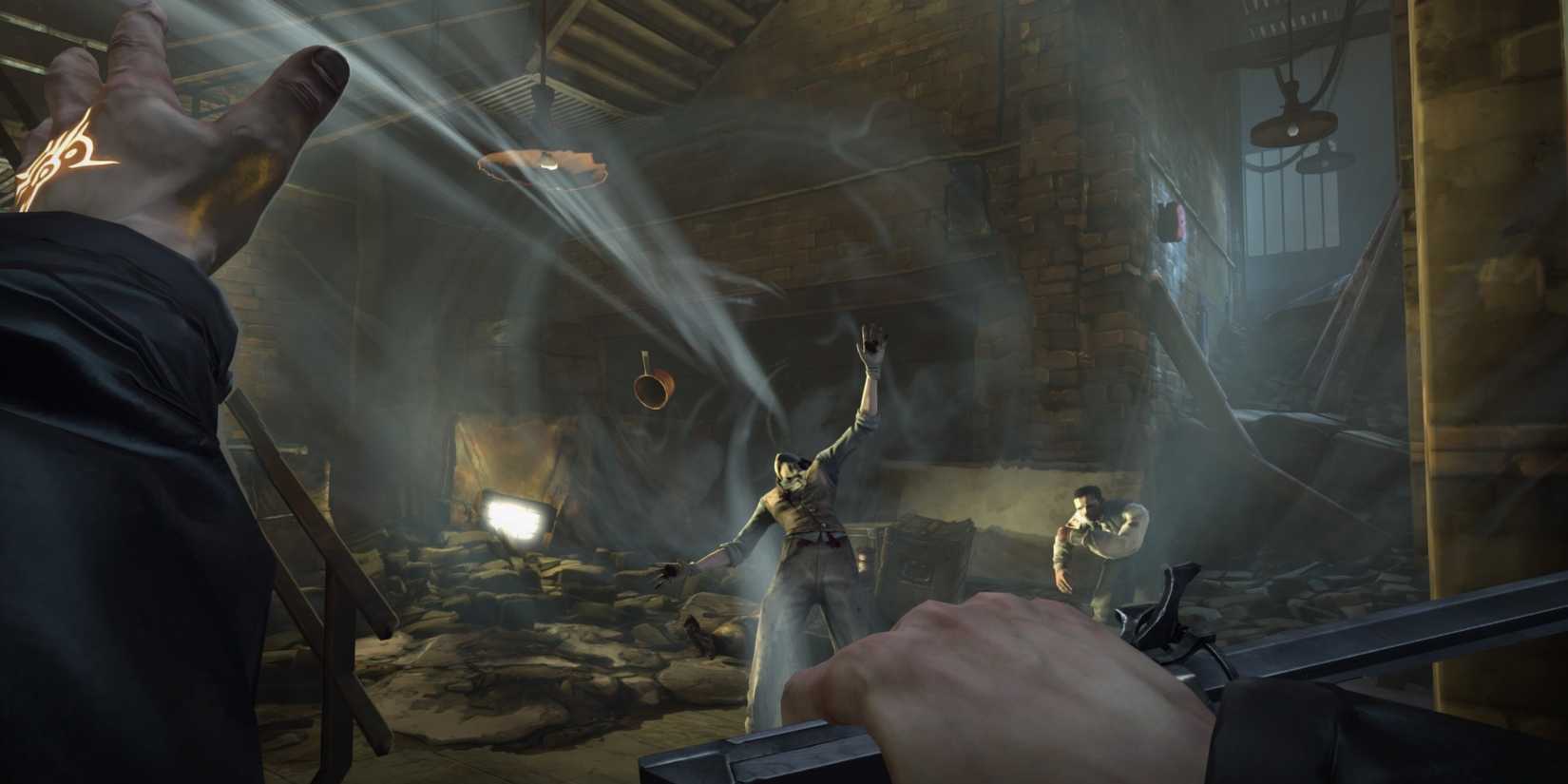
Dishonored presents a unique challenge: it is often significantly harder to not kill someone than it is to clear a room with violence. By incentivizing a pacifist playthrough through its narrative and world-state consequences, the game forces players to engage with its stealth mechanics on a deeper level.
Finding a non-lethal solution to removing a target requires careful navigation, the clever use of supernatural abilities, and a thorough understanding of the environment. The "puzzle" here is one of ethics and efficiency, where the player must orchestrate a situation that renders the target powerless without ever drawing blood.

2. Prince of Persia: The Lost Crown
The Rhythm of Movement
The Lost Crown is a modern platforming masterpiece. Its puzzles are intrinsically tied to movement and the manipulation of time. Sargon’s ability to create temporal "checkpoints" to which he can teleport adds a layer of complexity to platforming that is rarely seen in 2D action games.
Solving these puzzles requires perfect precision and a keen sense of rhythm. The game demands that players view their movement not just as a way to get from point A to point B, but as a sequence of inputs that must be executed with flawless timing to overcome the environment.

1. Neon White
Strategy at High Speed
Neon White is the ultimate synthesis of speedrunning and puzzle-solving. It is a first-person platformer that asks a simple question: what is the most optimal way to finish this level?
The game provides the player with "soul cards" that serve double duty: they can be used as weapons or discarded for special movement abilities. Deciding when to sacrifice a powerful weapon for a double-jump is the core puzzle of every encounter. Because every second counts, the player must analyze the level design, identify the most efficient route, and execute it with split-second precision. It is the perfect entry point for those interested in the mechanics of speedrunning, providing a sandbox where constant testing and refinement lead to a deeply satisfying mastery.
Implications for Future Game Design
The success of these ten titles highlights a significant shift in player expectations. Modern audiences are increasingly gravitating toward games that treat them as active participants in the design process rather than passive consumers of content. When puzzles are integrated into the core combat loop, they do more than just provide variety; they create a sense of agency.
The trend toward systems-heavy design—as seen in Tears of the Kingdom and Hitman—suggests that the future of action games lies in "emergent" complexity. Developers are finding that by providing players with robust tools and challenging environmental constraints, they can create experiences that are infinitely replayable. The challenge for future developers will be to continue balancing this cognitive load without sacrificing the accessibility that makes the action genre so universally appealing. As these games demonstrate, when the brain is engaged alongside the trigger finger, the result is not just a game, but a lasting, cerebral achievement.












No comments yet. Be the first to join the conversation!