

If you have ever asked a friend for a "Kleenex" when you simply needed a tissue, or referred to an "Escalator" when describing a moving staircase, you have participated in the linguistic phenomenon of trademark genericization. In the world of intellectual property, this is the ultimate double-edged sword: a brand becomes so culturally ubiquitous that it transforms from a proprietary label into a common noun.
While this level of brand recognition is the holy grail for marketing departments, it is a nightmare for legal teams. If a brand fails to aggressively defend its name, the law may determine that the trademark has suffered from "genericide"—the loss of legal exclusivity. In Japan, this process is known as futsu-meishoka (普通名称化), or "becoming a common noun." However, as legal experts and business analysts have long observed, the Japanese legal landscape surrounding this phenomenon is vastly different from that of Western nations, creating a unique environment where brands live or die by their own defensive strategies.
The Legal Landscape of Genericide
In many Western jurisdictions, trademark law is built on a framework of active defense. Companies are often expected to monitor the usage of their names in dictionaries and media, sometimes petitioning publishers to include the ® symbol or specific disclaimers to ensure the public understands the term is a registered brand.
Japan’s approach to futsu-meishoka is notably more passive from a regulatory standpoint. According to patent attorney Nakayama Mariko, whose 2020 research for the Japan Patent Attorneys Association remains a cornerstone of this discussion, Japanese trademark law lacks direct, robust anti-genericization provisions comparable to those found in the United States or parts of Europe.
In Japan, the legal threshold for losing a trademark is based on consumer perception. Once the courts determine that the general public and the industry at large perceive a name as the only way to describe a specific product—rather than a specific company’s version of that product—the trademark’s protective shield can be stripped away. Because Japan lacks a central mechanism to prevent this through dictionary registration or mandatory labeling, the burden of defense falls entirely on the companies themselves. If they do not fight for their brand, the law will not step in to save it.
This leads to a fragmented global reality. A brand may be considered generic in one territory while remaining a strictly protected, registered asset in another. The classic example remains Sony’s "Walkman." While the term was deemed a generic descriptor of portable cassette players by Austrian courts in 2002, Sony successfully maintained its trademark rights in the United States and several other markets.
Chronology of a Disappearing Brand
The history of Japanese trademarks is littered with household names that lost their legal status due to the sheer weight of their own popularity.
The Seirogan Case
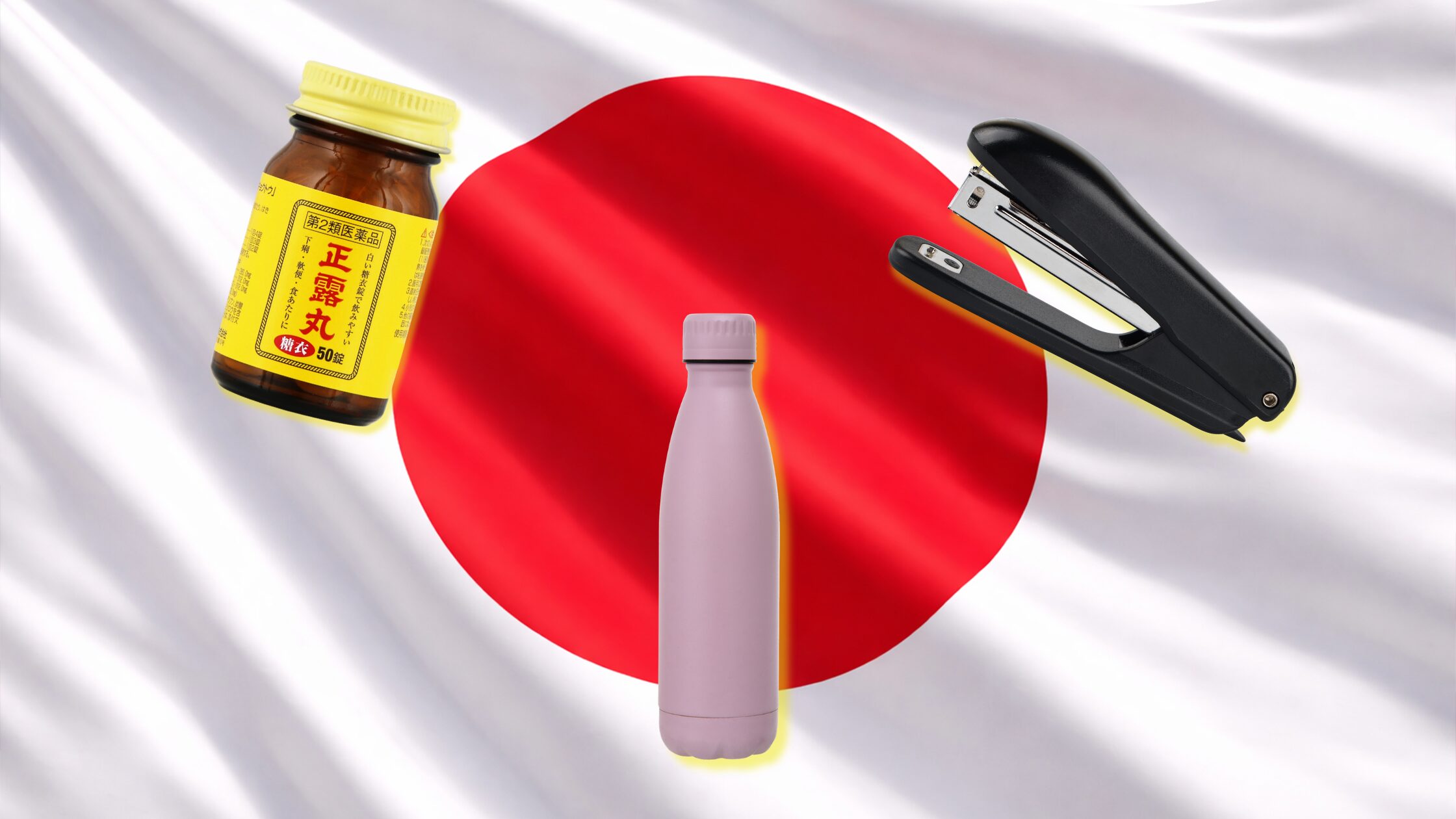
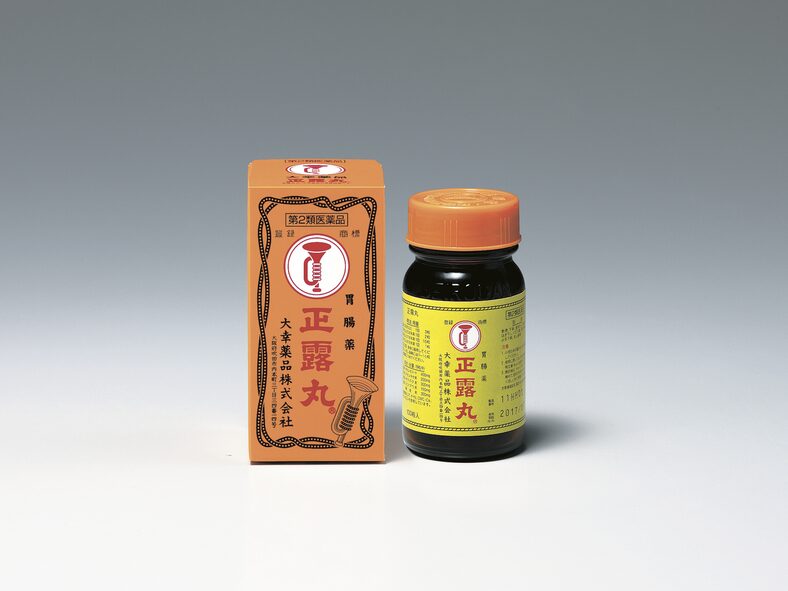
Perhaps the most storied example is Seirogan, a potent stomach medicine. Its name has a fascinating historical origin, initially meaning "subdue Russia pills" (seiro-gan 征露丸), a reference to its widespread distribution among Japanese soldiers during the Russo-Japanese War. Following the war, the characters were changed to a homophone meaning "correct dew pills" (seiro-gan 正露丸).
By 1971, the Tokyo High Court ruled that Seirogan had become a generic term for any creosote-based digestive medicine. Subsequent lawsuits filed by the original manufacturers in the 2000s failed to reverse this ruling, cementing Seirogan as a common noun in the Japanese pharmacopeia.
The Rise of the "Hotchkiss"
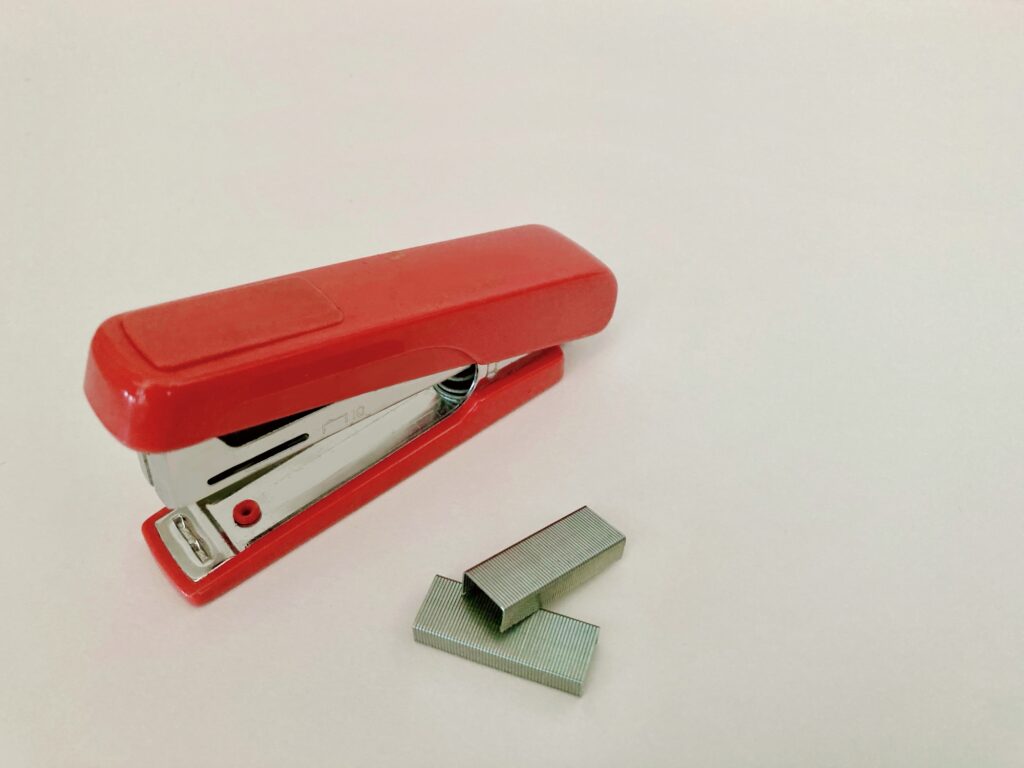
The American E.H. Hotchkiss Company, which pioneered the stapler, provides a classic study in lost opportunity. Because the company never prioritized registering its name in Japan, "Hotchkiss" (hotchikisu) became the universal Japanese word for a stapler. To this day, even if you buy a stapler from a Japanese manufacturer, you are likely to ask for a "Hotchkiss."
The list continues across sectors:
- Kaminari-okoshi: Traditional sweets.
- Pokeberu: The once-ubiquitous pager.
- Setsubun sushi rolls (Shofuku-maki): A seasonal food item.
- Udonsuki: A specific style of hot pot.
Strategic Choices: To Fight or to Yield?
Not every company views the loss of a trademark as a catastrophe. Some firms, such as Fujitsu General, have historically taken a more pragmatic approach. In 1999, the company voluntarily abandoned its "Home Theater" trademark. By allowing competitors to utilize the term freely, the company helped create a broader, more standardized market for home entertainment systems, which ultimately benefited the industry leader.
Conversely, some companies are caught in a web of shifting ownership. The "Thermos" brand is a fascinating case study in international irony. The company lost its trademark in the United States in 1963 following a landmark court ruling. However, when the Japanese firm Nippon Sanso K.K. acquired the brand in 1989, it successfully revived and protected the name. Today, Thermos K.K. operates in Japan with a fully registered, live trademark—a testament to how a brand’s legal fate can change based on corporate strategy and jurisdiction.
Corporate Defense: The "Defensive Registration" Model
For brands that wish to remain exclusive, Japan offers a mechanism known as "defensive trademark registration." This allows companies to register their brands across categories outside their primary industry to prevent dilution.
Yamato Holdings, the operator of the ubiquitous "Takkyubin" home-delivery service, is a master of this technique. They have meticulously protected the Takkyubin brand, even engaging in high-level legal discussions with Studio Ghibli during the production of the 1989 film Kiki’s Delivery Service. The film’s Japanese title includes the word takkyubin, and Yamato sought to ensure that their brand was represented appropriately within the context of the story.
Similarly, Ajinomoto has adopted an aggressive, multi-pronged approach to brand management. Rather than merely relying on the courts, they have implemented a global system of trademark notation guidelines. By training employees and providing detailed public documentation on how to write their brand name correctly, they aim to prevent the public from equating the brand "Ajinomoto" with the general concept of MSG or umami seasoning.
Official Responses and the Media’s Role
In Japan, the media plays an unexpected role as the "guardian" of trademarks. Major institutions like the public broadcaster NHK and the news agency Kyodo maintain strict internal editorial guidelines regarding trademark usage.
To avoid the legal and linguistic ambiguity of using a trademark as a common noun, NHK reporters are instructed to replace brand names with generic descriptions. This often results in phrasing that sounds slightly formal or "clunky" to the average viewer:
- Instead of "Ajinomoto," they use "umami seasoning."
- Instead of "Washlet," they use "warm-water cleansing toilet seat."
- Instead of "Tetrapod," they use "wave-dissipating block."
While these editorial decisions are made to avoid legal hot water and maintain professional neutrality, they also serve as a constant, subconscious reminder to the public that these brands remain proprietary.
The Counter-Argument: The Mentaiko Philosophy
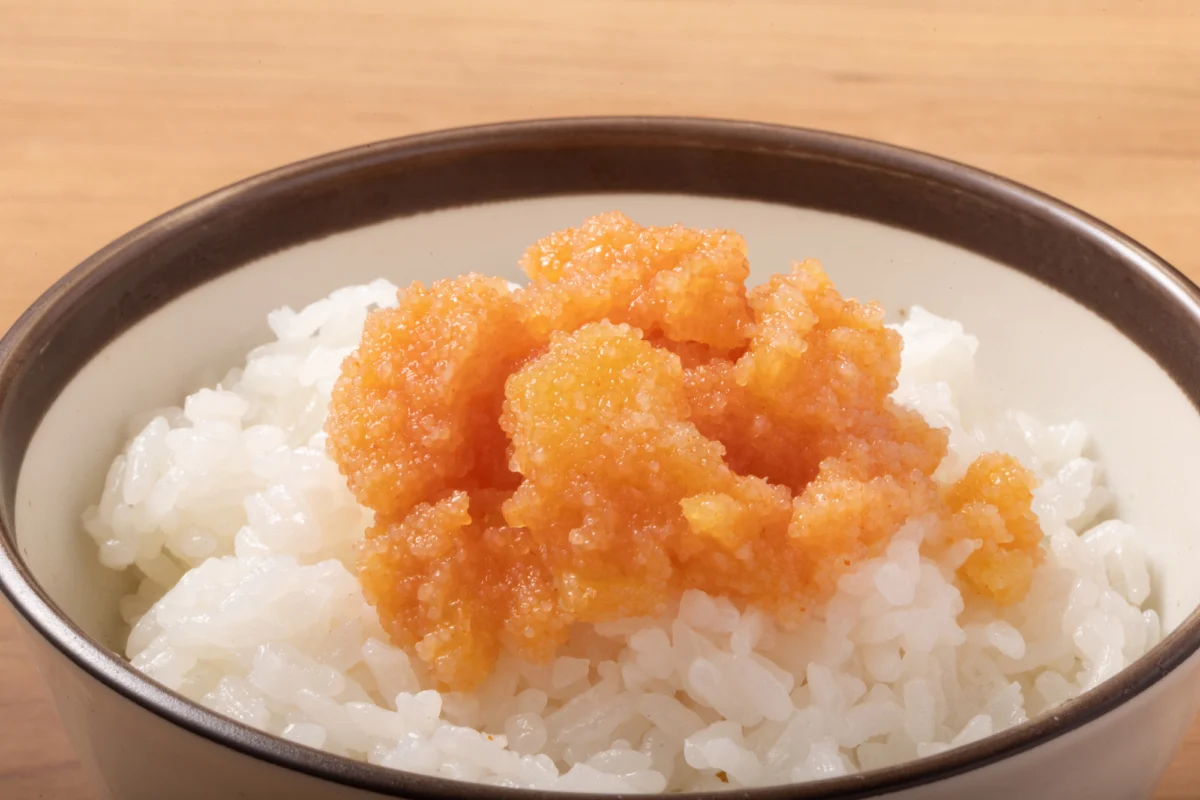
Is the loss of a trademark always a negative? The story of mentaiko—the spicy pollock roe delicacy—suggests otherwise. Kawahara Toshio, the founder of the Fukuya company, helped popularize the dish in Hakata after World War II. When advisors urged him to patent his recipe and trademark the name, he famously refused.

Kawahara argued that mentaiko was a food, a staple of the culture, and should be accessible to everyone. He went so far as to teach his own competitors how to manufacture it. Today, the mentaiko industry in Fukuoka is worth over ¥100 billion annually, with over a hundred competing producers. By allowing his "brand" to become a generic product, Kawahara helped foster a thriving, multi-billion-yen industry.
Implications for the Future
The tension between the "Takkyubin" model of aggressive defense and the "Mentaiko" model of open-source growth defines the modern Japanese trademark landscape. As digital markets expand and globalization continues, companies will find it increasingly difficult to control how their names are used in casual conversation and social media.
For many, the path forward involves a blend of the two: aggressive legal protection of the core identity, balanced with an understanding that some level of linguistic "genericization" is simply the price of success. As Japan continues to navigate its lack of direct anti-genericization laws, the battle for brand ownership will remain a dynamic, high-stakes game of legal maneuvering and public perception. Whether a company chooses to fight for its name or embrace its place in the common lexicon, the outcome will continue to shape the cultural and economic identity of the Japanese marketplace.











